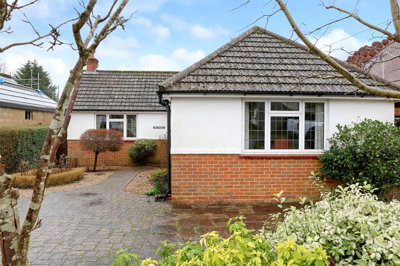
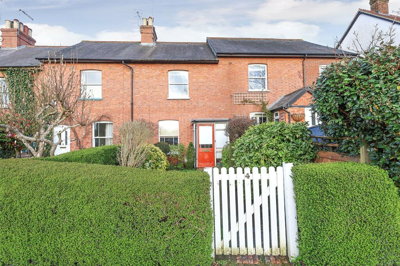
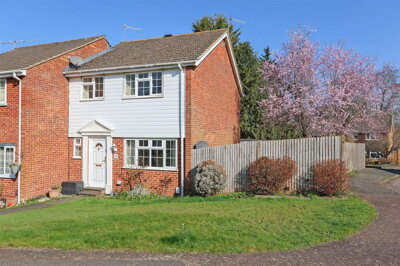
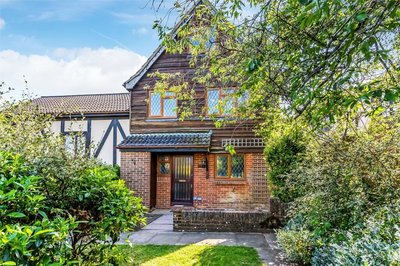
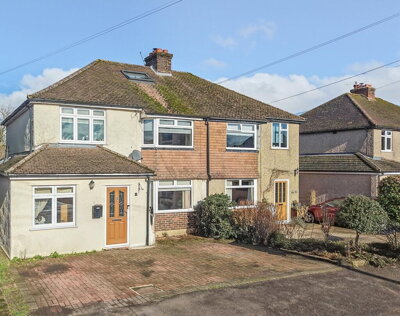
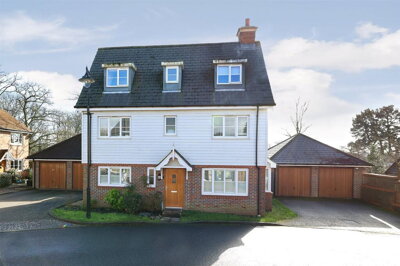
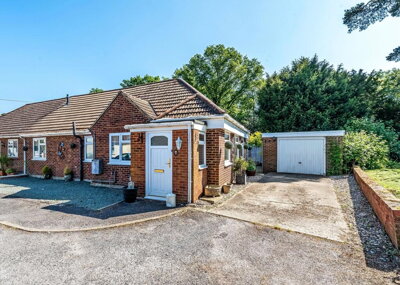
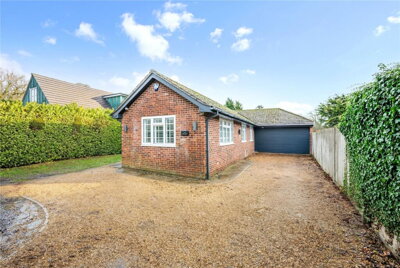
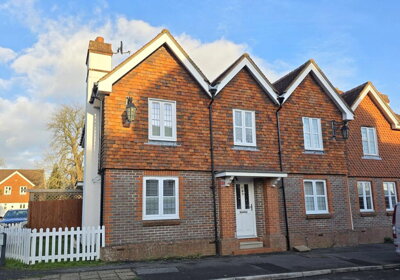
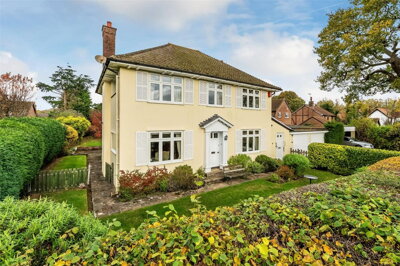
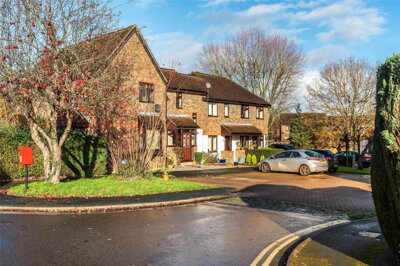
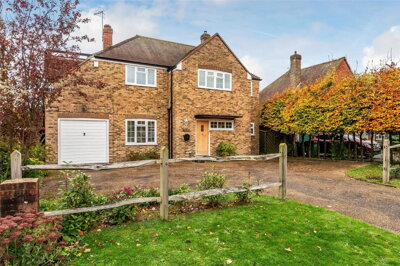
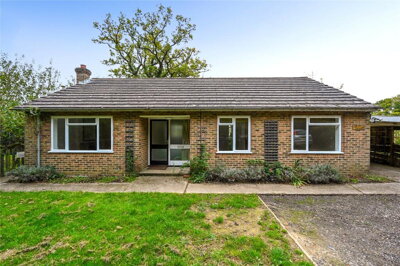
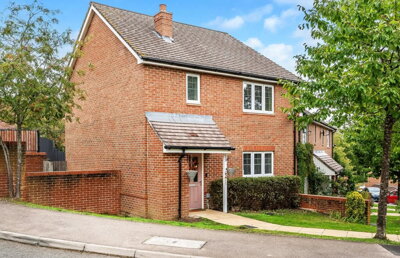
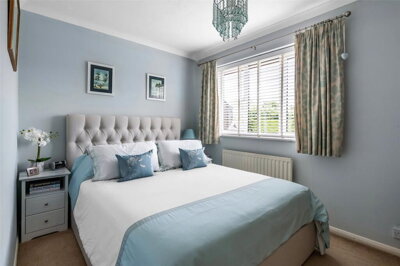
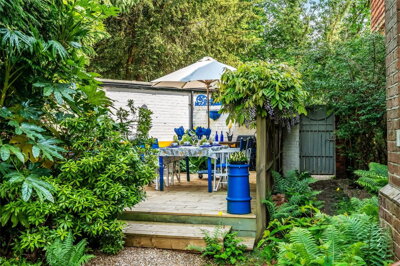
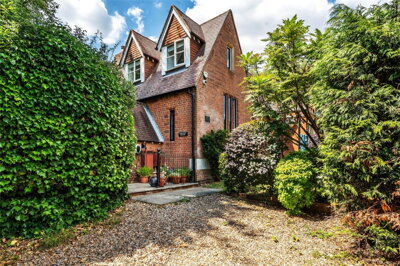
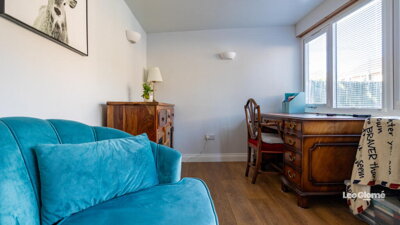
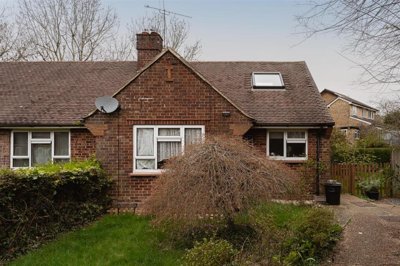
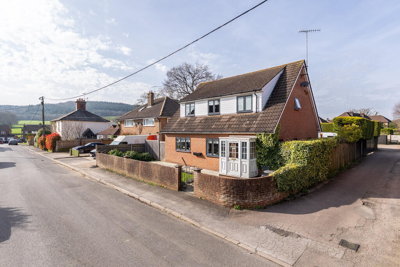
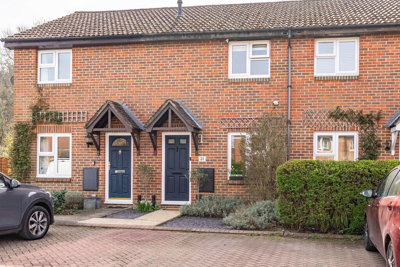
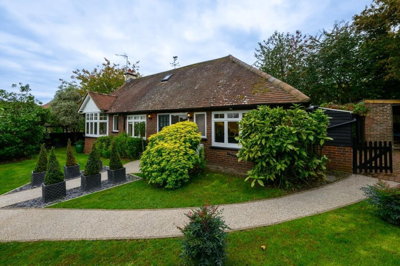
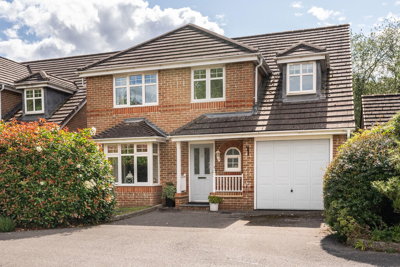
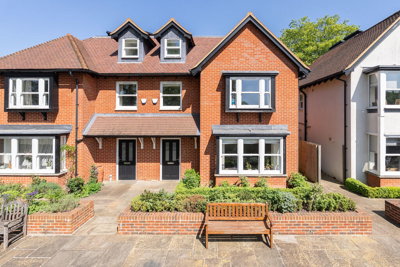
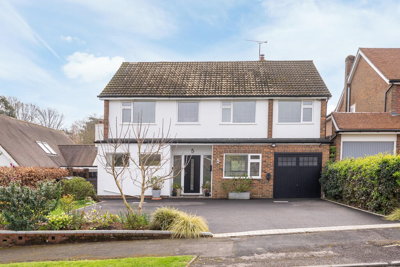
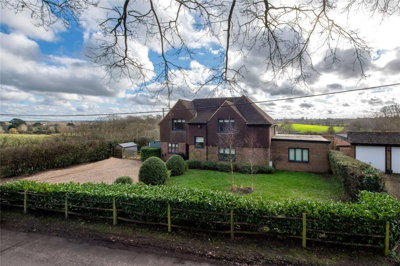
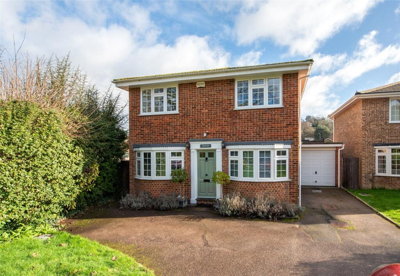
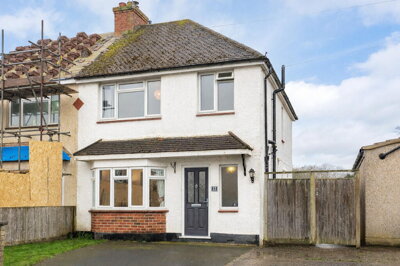
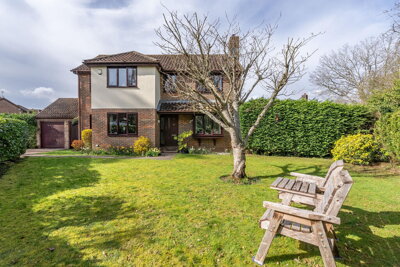
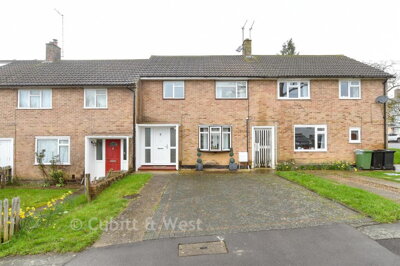
Browse 111 homes for sale in Holmwood, Mole Valley from local estate agents.
The Holmwood property market offers detached, semi-detached, and terraced houses spanning various price ranges and neighbourhoods. Each listing includes detailed property information, photographs, and direct contact with the marketing agent.
£650k
6
1
197
Source: home.co.uk
Showing 6 results for Houses for sale in Holmwood, Mole Valley. 1 new listing added this week. The median asking price is £650,000.
Source: home.co.uk
Detached
4 listings
Avg £911,250
Semi-Detached
2 listings
Avg £525,000
Source: home.co.uk
Source: home.co.uk
The Holmwood property market reflects the broader appeal of Surrey's rural villages, offering a diverse range of property types to suit different budgets and lifestyles. Detached properties command the highest prices, with averages of £1,102,685 according to Zoopla data, making them ideal for families seeking generous space and privacy. Semi-detached homes form a substantial portion of the market, averaging around £518,286 to £504,929 depending on the source, representing strong value for buyers wanting more room than a terrace provides without the premium of a detached property.
Terraced properties in Holmwood typically sell for approximately £375,040 to £425,080, appealing to first-time buyers and those seeking character homes at more accessible price points. Flats remain relatively scarce in the village, with limited availability around the £231,000 mark, though this segment is expanding as some historic properties are converted into apartments. The market has shown resilience over the past year, with sales volumes remaining steady and prices recovering from the slight dip observed since the 2021 peak. New build activity in the immediate Holmwood area remains limited, though properties in nearby Beare Green within the RH5 postcode occasionally appear with descriptions such as "newly built" or situated in "highly regarded developments."
The village contains a remarkable range of property ages, from humble dwellings that were enlarged over time to substantial Victorian villas and even earlier structures. Betchets Green Cottage dates from the 1590s, making it one of the oldest residential properties in the area, while Anstie Grange, built in the 1860s, now provides apartments for those seeking character in a more manageable format. This architectural diversity means buyers should carefully assess each property individually, as construction quality and maintenance standards vary considerably across such a wide age range of housing stock. The Rightmove data indicating that the majority of properties sold in North Holmwood were terraced suggests this property type remains popular with buyers seeking period character at relatively accessible prices.

Holmwood embodies the classic English village atmosphere that draws buyers to Surrey's rural settlements, combining historical character with the practical necessities of modern living. The village developed significantly during the Victorian era, when wealthy Londoners began acquiring farmland from the 1830s, establishing large estates that still influence the character of the area today. Middle-class villas appeared from the 1830s onwards, while humbler dwellings were enlarged over time, creating the varied streetscape visitors see today. The historic village pond, formed from the excavation of a late 18th-century pottery, serves as a reminder of Holmwood's industrial past when brick-making continued at Stubs Farm until the 1980s.
The surrounding countryside offers excellent opportunities for walking and outdoor recreation, with Holmwood Common sitting on clay lands that support diverse wildlife and offer scenic trails through woodland and open heath. The proximity to Dorking, just a short journey to the north, provides access to comprehensive shopping facilities, restaurants, and cultural attractions, while Guildford and Crawley are within reasonable driving distance for those requiring additional amenities. Local pubs and community facilities help foster a strong sense of village life, with events and gatherings that welcome both long-term residents and newcomers to the area. The combination of architectural heritage, natural beauty, and community spirit makes Holmwood a genuinely special place to call home.
The industrial heritage of Holmwood extended well beyond the Victorian period, with brick-making remaining an important local industry at Stubs Farm until the 1980s. This long-standing tradition of local building materials production means many older properties in the area may have been constructed using bricks from nearby works, potentially including reclaimed materials from earlier structures. Properties such as Vigo, a 19th-century gentleman's farmhouse, incorporate 17th-century features within their structure, demonstrating the continuity of building traditions across generations. Cinders Cottage, part of the Holmwood Park estate, represents another fascinating example of local architectural evolution, having been restyled in the 19th century while retaining its 16th-century core.

Education provision in Holmwood has historical roots extending back to 1844, when The Old School House was established to serve the growing village community. The original St Mary Magdalene church in South Holmwood, built in 1838, served as a focal point for family life in the Victorian era as the population expanded with the arrival of middle-class families from London. North Holmwood's parish of St John was established in 1875, further formalising the educational and spiritual infrastructure that served local children through the late 19th and 20th centuries.
Today, Holmwood and its surrounding villages in the Mole Valley district benefit from access to primary and secondary schools in nearby Dorking and the wider Surrey area. Parents considering a move to Holmwood should research current catchment areas and admission policies, as these can change and may influence school allocation for younger children. The presence of several historic school buildings in the village demonstrates the community's long-standing commitment to education, a tradition that continues through modern schooling arrangements. For families prioritising educational outcomes, the proximity to highly-regarded schools in Surrey represents a significant advantage of the Holmwood location.
Surrey consistently performs well in national education rankings, and families moving to Holmwood can access a range of educational options within reasonable travelling distance. Primary schools in the surrounding villages and Dorking serve younger children, while secondary education is available at schools with strong academic records in the wider area. The old school buildings themselves have found new uses within the community, with The Old School House now contributing to the architectural heritage that defines the village character. Parents should note that school admission policies in Surrey operate on catchment area systems, meaning proximity to specific schools can significantly influence placement decisions and property values in surrounding streets.
Holmwood station, which opened in 1867, has served as a vital transport link for the village for over 150 years, originally making Holmwood's hotels and guesthouses popular destinations for Victorian-era holiday-makers. The railway connection continues to provide practical commuting options, with regular services connecting residents to major employment centres without requiring a lengthy journey to larger stations. The opening of the railway fundamentally shaped the development of Holmwood, transforming it from an agricultural settlement into a desirable commuter village, a character it retains today.
Road transport is well-served by the village's position within the RH5 postcode, providing access to the A24 and connections towards Dorking, Leatherhead, and the broader Surrey road network. For those working in London, the combination of train services and road links to nearby motorways makes Holmwood a viable base for commuters who prefer the space and character of village life over city centre accommodation. Local bus services connect Holmwood with surrounding villages and Dorking, providing alternatives to car travel for daily errands and outings. The practical transport connectivity ensures that residents can enjoy countryside living without feeling isolated from employment, shopping, and leisure opportunities.
The railway heritage of Holmwood remains visible throughout the village, with the station building and surrounding infrastructure continuing to serve daily commuters more than a century and a half after opening. During the Victorian era, this railway connection made Holmwood a popular destination for Londoners seeking country retreats, and the legacy of that period is evident in the substantial Victorian villas that line several village roads. Today, the station provides regular services to destinations including Dorking, which offers connections to London and the south coast, making Holmwood particularly attractive to workers who need access to major employment centres while maintaining a countryside address.
Explore current listings, understand price trends, and familiarise yourself with different neighbourhoods within the village. Our platform shows 29 properties currently available, with prices ranging from around £231,000 for flats to over £1.1 million for detached homes. Consider visiting the village at different times of day to gauge atmosphere and convenience. Pay particular attention to the distinction between North and South Holmwood, as these areas offer different character and property types.
Before arranging viewings, obtain a mortgage agreement in principle from a lender to confirm your budget and demonstrate your seriousness to sellers. With Holmwood's average prices around £531,551, most buyers will need a substantial mortgage, and having finance confirmed strengthens your negotiating position. Given the village's popularity with commuters and the range of property values from £231,000 to over £1.1 million, getting pre-approved helps narrow your search to properties within your actual budget.
Contact local estate agents to arrange viewings of properties that match your requirements. Take time to inspect the property's condition, noting the age of the building, any renovation work undertaken, and potential maintenance issues. Older properties in Holmwood, many dating from the Victorian era and earlier, may require more attention to condition than newer builds. The village's Grade II listed buildings require particular care, as permitted development rights may be restricted.
Before committing to purchase, arrange a RICS Level 2 survey to assess the property's condition and identify any defects. Given Holmwood's clay geology and older housing stock, surveys typically highlight issues such as damp, roof condition, and potential subsidence movement. Survey costs typically range from £400 to £800 depending on property value and size, with Holmwood's average property price placing most surveys in the £500-£700 range. For listed buildings or unusually complex properties, a RICS Level 3 survey may be more appropriate.
Appoint a conveyancing solicitor to handle the legal aspects of your purchase, including searches, contracts, and registration of ownership. The solicitor will liaise with the seller's representatives, conduct local authority searches, and ensure all documentation is in order before completion. Given Holmwood's mix of historic properties, your solicitor should check for any planning conditions, listed building status, and rights of way that may affect the property.
Once all searches are satisfactory and financing is confirmed, you will exchange contracts and pay your deposit. On the agreed completion date, the remaining funds are transferred, and you receive the keys to your new Holmwood home. The process typically takes 8-12 weeks from offer acceptance to completion, though complex purchases involving older properties or those with structural concerns may require additional time for investigations.
Holmwood's geology presents specific considerations for prospective buyers, as the village sits on clay lands that can experience shrink-swell ground movement with changing moisture levels. This geological characteristic means buyers should pay particular attention to signs of subsidence, cracking to walls or plaster, and any history of structural movement or repair. A thorough RICS Level 2 survey is particularly valuable in this area, as it will assess foundations, walls, and overall structural integrity, flagging any concerns that require further investigation or remediation.
The presence of several Grade II listed buildings in Holmwood, including Anstiebury Farm House, the Church of St Mary Magdalene, Stoneheal, The Dutch House, War Memorial, and Waterlands Farm House, indicates the village has architectural heritage worth preserving. Betchetts Green in South Holmwood and Betchets Green Cottage, dating from the 1590s, further demonstrate the area's historical significance. Buyers purchasing older properties should verify whether their intended home is listed, as this imposes restrictions on alterations, renovations, and even maintenance works that might otherwise be straightforward. Listed building consent is required for most external changes, and this can affect everything from replacing windows to extending the property.
Properties in Holmwood were historically constructed using traditional materials including brick, stone, and timber, with local brick-making at Stubs Farm continuing until the 1980s. This long tradition of local building means many older properties may incorporate materials specific to the area, some of which may require specialist maintenance or repair techniques. The historic character of many Holmwood homes often means original features are retained, such as fireplaces, exposed timber, and period joinery, which many buyers find attractive but which may require specialist maintenance. Older properties should be assessed for outdated electrical systems, as rewiring may be needed for properties dating from before the 1970s.
Flood risk in Holmwood appears limited, as the village is inland and no specific flood risk maps indicate significant vulnerability for the area. The presence of watercourses and the historical village pond demonstrate the area's interaction with water, but these do not appear to present major flooding concerns for residential properties. As with any property purchase, buyers should review standard searches and consider the potential for surface water issues, particularly for properties in low-lying areas or those adjacent to streams or drainage channels. Buildings insurance should be arranged before completion, and any concerns about flood risk should be discussed with insurers to ensure appropriate cover is available.
The average house price in Holmwood currently stands at approximately £531,551 according to Zoopla data, with Rightmove recording £538,466. Property prices vary significantly by type, with detached homes averaging over £1.1 million, semi-detached properties around £518,000, terraced homes approximately £375,000 to £425,000, and flats starting from £231,000. The market has shown 26% growth over the past year, recovering somewhat from the 2021 peak of £589,500. Rightmove records indicate that 206 properties sold in the Holmwood area during the past year, demonstrating consistent activity in this popular Surrey village market.
Properties in Holmwood fall under Mole Valley District Council, and council tax bands range from A to H depending on the property's assessed value. Most family homes in the village, particularly Victorian and Edwardian properties, typically fall into bands D to F. A detached home valued at around £1.1 million would likely fall into band G or H, while older terraced cottages might be assessed in band C or D. Prospective buyers should check the specific property's council tax band on the Valuation Office Agency website, as this forms part of the ongoing costs of homeownership in the area.
Holmwood has historical educational roots dating back to 1844, when The Old School House was established to serve the growing village community. Today, families in Holmwood access schools in the surrounding area, with primary and secondary options available in nearby Dorking and the wider Mole Valley district. Surrey maintains strong educational standards, and parents should research current Ofsted ratings and admission catchment areas, as these can influence school placement significantly. The village's Victorian-era school buildings reflect the community's enduring focus on education, and families moving to the area should note that school admissions can be competitive in popular Surrey villages.
Holmwood station, opened in 1867, provides regular rail services connecting the village to wider Surrey and London. The railway was instrumental in developing Holmwood as a commuter settlement during the Victorian era, and today serves residents travelling to work in Dorking, Guildford, and beyond. Local bus services link Holmwood with surrounding villages and towns, providing alternatives to car travel for daily needs. The practical transport connectivity makes Holmwood viable for commuters who wish to enjoy countryside living while maintaining access to employment centres in London and the wider southeast.
Holmwood's property market has demonstrated resilience, with prices rising 26% year-on-year despite broader market fluctuations. The village benefits from its Surrey location, attractive countryside setting, and practical transport links that appeal to a range of buyers including commuters, families, and those seeking retirement properties. Older properties may require maintenance investment but often retain and enhance their value due to character and location. The presence of Grade II listed buildings suggests strict planning controls that can protect property values by maintaining the area's character and preventing overdevelopment, while the variety of property ages and types offers options across different budget levels.
Stamp duty rates in England currently start at 0% for properties up to £250,000, rising to 5% on the portion between £250,001 and £925,000. For Holmwood's average-priced property of around £531,551, a typical buyer would pay approximately £14,075 in stamp duty. First-time buyers may benefit from relief on properties up to £625,000, paying 0% on the first £425,000 and 5% on the remainder. Above £625,000, standard rates apply with no first-time buyer relief available. Properties at the upper end of the Holmwood market, such as detached homes averaging over £1.1 million, would incur significantly higher stamp duty costs of around £33,075.
Given Holmwood's clay geology, examine walls, ceilings, and floors for any cracks that might indicate subsidence or ground movement, particularly in properties built before 1900. Check the condition of roofs on Victorian and earlier properties, as these may have been recovered multiple times and could conceal underlying structural issues. Look for signs of damp in older properties, especially those with solid walls rather than cavity construction. Verify whether the property is listed by checking with the vendor or searching the Historic England database, as listed status affects permitted development and future renovation options. For properties in North Holmwood, note that terraced homes predominate in the sales data, while South Holmwood offers a greater variety of property types including cottages and larger period homes.
From 4.5%
Find competitive mortgage rates for your Holmwood purchase
From £499
Expert legal services for your property purchase
From £400
Comprehensive condition survey for Holmwood properties
From £80
Energy performance certificate for your new home
Purchasing a property in Holmwood involves several costs beyond the purchase price, with stamp duty land tax representing one of the most significant expenses for most buyers. At current 2024-25 rates, buyers pay 0% on the first £250,000 of a property's purchase price, 5% on the portion between £250,001 and £925,000, 10% on the portion between £925,001 and £1.5 million, and 12% on any amount exceeding £1.5 million. For a typical Holmwood property at the average price of £531,551, this results in stamp duty of approximately £14,075 for buyers who do not qualify for first-time buyer relief.
First-time buyers purchasing properties up to £625,000 benefit from increased thresholds, paying 0% on the first £425,000 and 5% on the remainder. This relief can save first-time buyers several thousand pounds compared to standard rates, making Holmwood's property market more accessible to those taking their first step on the property ladder. However, properties priced above £625,000 do not qualify for first-time buyer relief under current rules, so buyers should calculate their exact stamp duty liability carefully before budgeting. Given that the average detached property in Holmwood exceeds £1.1 million, most purchases at this price point would incur stamp duty of around £33,075.
Beyond stamp duty, additional costs include solicitor fees typically ranging from £500 to £1,500 for conveyancing, survey costs of £400 to £800 for a RICS Level 2 survey, and moving expenses that vary based on distance and volume of belongings. Mortgage arrangement fees typically range from £0 to £2,000 depending on the lender and product chosen, and valuation fees may be required by the mortgage provider. Buildings insurance should be arranged from completion, and life insurance or mortgage protection policies are worth considering for buyers with dependants. Budgeting for these costs alongside the deposit and purchase price ensures a smooth transaction without financial surprises at critical stages of the buying process. Getting a mortgage agreement in principle before searching for properties in Holmwood helps establish a clear budget and demonstrates to sellers that you are a serious, financed buyer in a competitive market.
Properties for Sale In London

Properties for Sale In Plymouth

Properties for Sale In Liverpool

Properties for Sale In Glasgow

Properties for Sale In Sheffield

Properties for Sale In Edinburgh

Properties for Sale In Coventry

Properties for Sale In Bradford

Properties for Sale In Manchester

Properties for Sale In Birmingham

Properties for Sale In Bristol

Properties for Sale In Oxford

Properties for Sale In Leicester

Properties for Sale In Newcastle

Properties for Sale In Leeds

Properties for Sale In Southampton

Properties for Sale In Cardiff

Properties for Sale In Nottingham

Properties for Sale In Norwich

Properties for Sale In Brighton

Properties for Sale In Derby

Properties for Sale In Portsmouth

Properties for Sale In Northampton

Properties for Sale In Milton Keynes

Properties for Sale In Bournemouth

Properties for Sale In Bolton

Properties for Sale In Swansea

Properties for Sale In Swindon

Properties for Sale In Peterborough

Properties for Sale In Wolverhampton

Enter your details to see if this property is within your budget.
Loans, cards, car finance
Estimated property budget
Borrowing + deposit
You could borrow between
Typical borrowing
Monthly repayment
Est. at 4.5%
Loan-to-value
This is an estimate only. Your actual budget may vary depending on interest rates, credit history, and personal circumstances. For an accurate affordability assessment, speak to one of our free mortgage advisors.
This calculator provides estimates for illustrative purposes only and does not constitute financial advice. Your home may be repossessed if you do not keep up repayments on your mortgage. Estimates based on 4.5% interest rate, repayment mortgage. Actual rates depend on your circumstances.
Homemove is a trading name of HM Haus Group Ltd (Company No. 13873779, registered in England & Wales). Homemove Mortgages Ltd (Company No. 15947693) is an Appointed Representative of TMG Direct Limited, trading as TMG Mortgage Network, which is authorised and regulated by the Financial Conduct Authority (FRN 786245). Homemove Mortgages Ltd is entered on the FCA Register as an Appointed Representative (FRN 1022429). You can check registrations at NewRegister or by calling 0800 111 6768.

We use cookies to show you personalised content and improve your experience of our website. Find out more in our Privacy policy and Cookie policy.