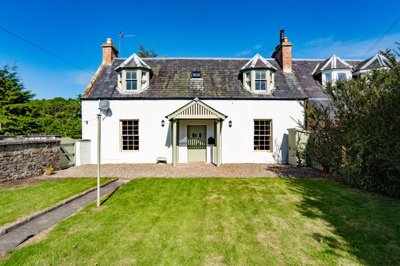
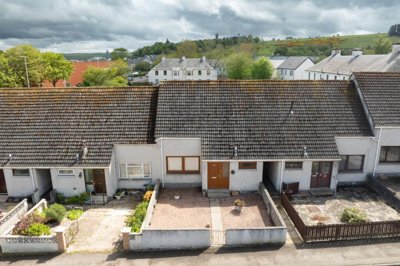
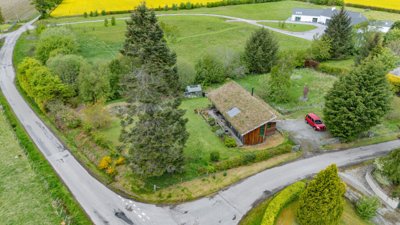
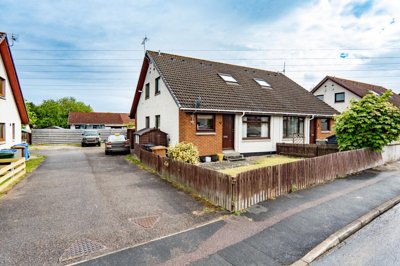
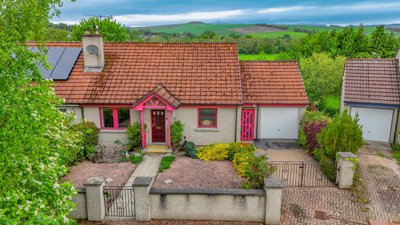
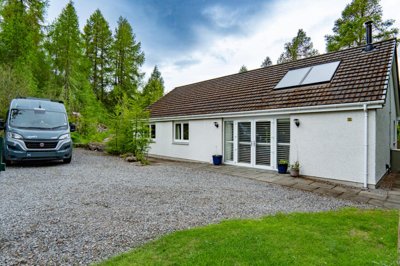
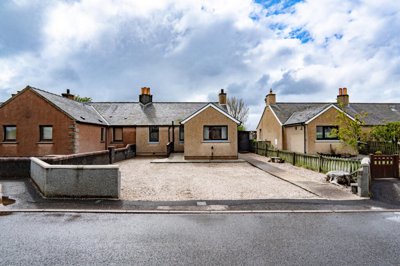
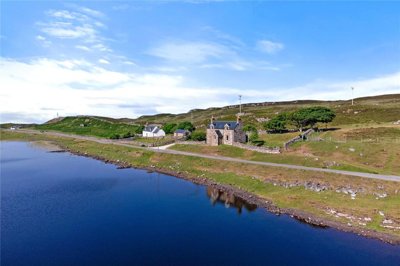
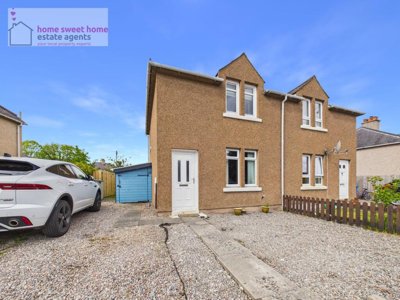
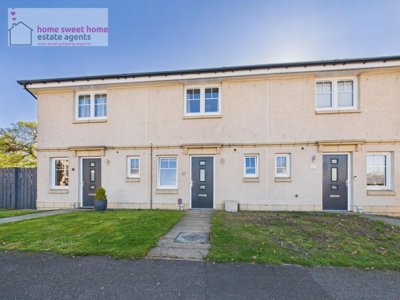
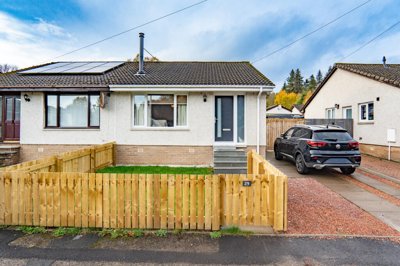
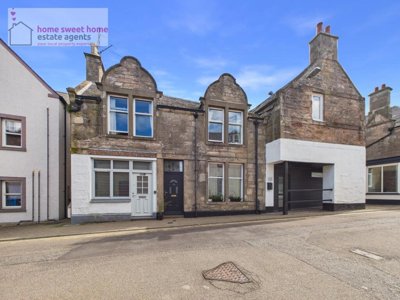
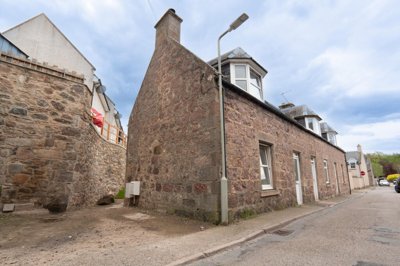
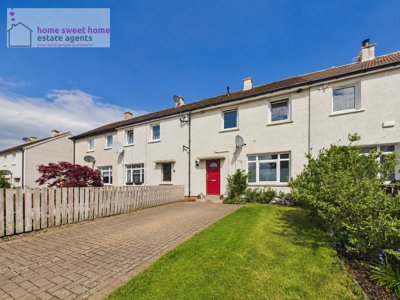
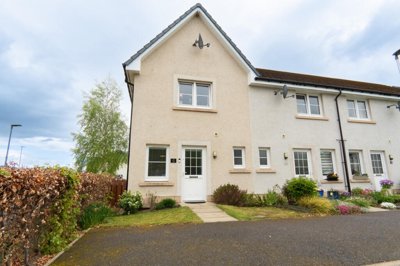
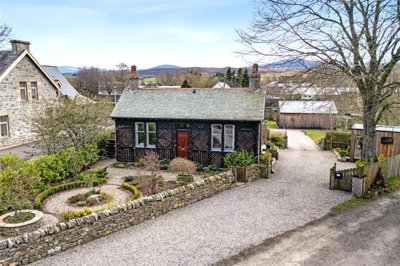
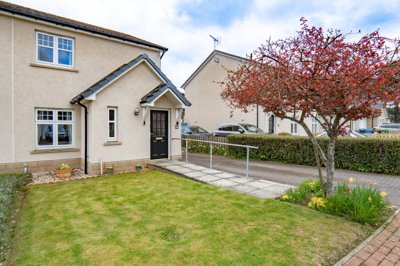
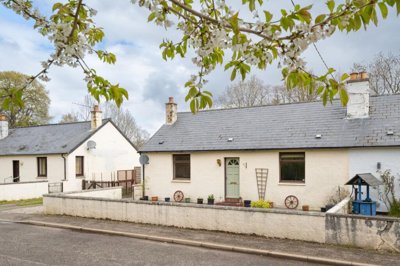
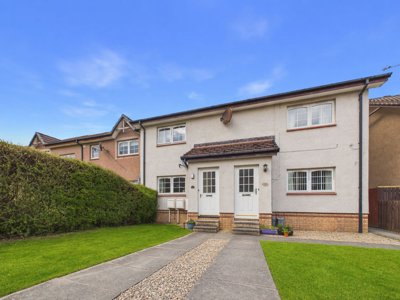
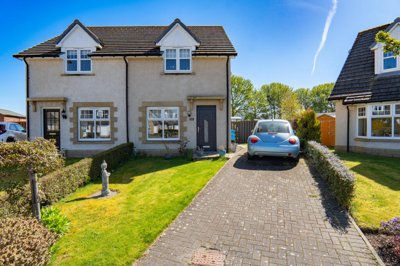
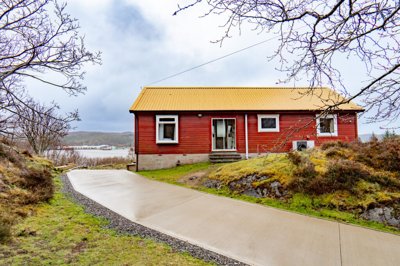
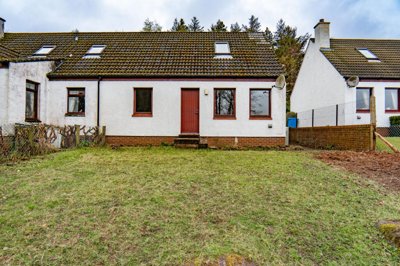
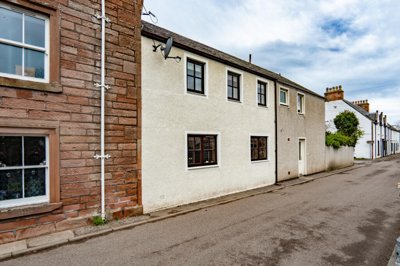
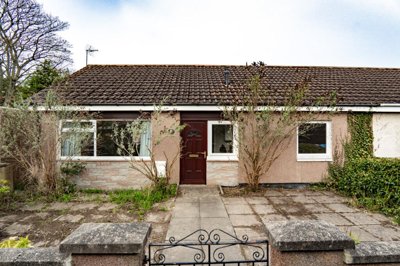
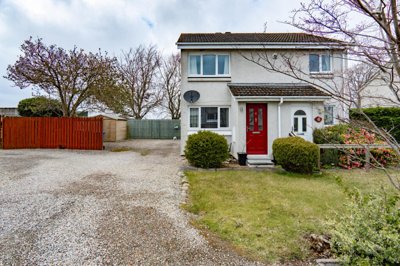
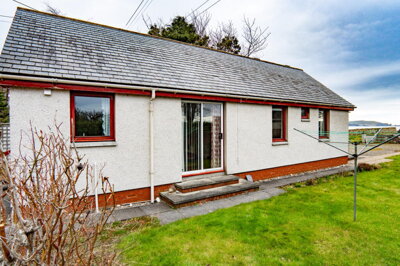
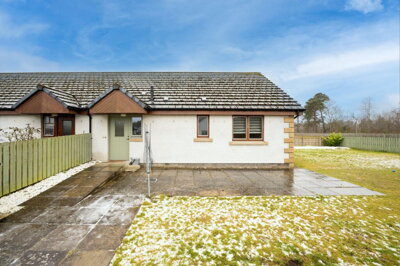
Browse 219 homes for sale in Highland, Scotland from local estate agents.
The 2 bed house market features detached, semi-detached, and terraced properties with two separate bedrooms plus living spaces. Properties in Highland range from Victorian and Edwardian period homes to modern new builds, with pricing varying across different neighbourhoods.
£193k
72
14
128
Source: home.co.uk
Showing 72 results for 2 Bedroom Houses for sale in Highland, Scotland. 14 new listings added this week. The median asking price is £192,500.
Source: home.co.uk
Detached
31 listings
Avg £256,613
Terraced
21 listings
Avg £163,786
Semi-Detached
20 listings
Avg £179,250
Source: home.co.uk
Source: home.co.uk
The Highland property market offers remarkable diversity, with property types ranging from traditional stone-built cottages to contemporary new-build homes. Detached properties command an average price of £400,429, while semi-detached homes are more accessible at around £214,886. Terraced properties in Highland average £166,904, making them an excellent entry point for first-time buyers or those seeking a more compact living arrangement. Flats and maisonettes represent the most affordable option, with average prices around £161,151, particularly prevalent in Inverness and other larger towns where apartment living suits commuters and young professionals.
Market activity across Scotland has been robust, with the Registers of Scotland reporting 102,757 sales in the year ending Q3 2025, representing a 7.4% increase compared to the previous year. Highland has participated in this upward trend, with semi-detached properties showing the strongest price growth at 6.2% over the twelve months to December 2025. The market benefits from a mix of traditional housing stock built from local stone and slate, alongside newer developments that incorporate modern construction methods. home.co.uk listings data indicates that sold prices in Highland over the last year were 3% above the 2023 peak of £229,000, demonstrating sustained demand despite broader economic conditions.
The age profile of properties in Highland varies significantly depending on location. Town centres like Inverness, Dornoch, and Cromarty contain substantial numbers of pre-1919 stone-built properties, many featuring traditional construction methods such as solid stone walls, lime mortar pointing, and original timber sash windows. These historic buildings offer character and solid construction but require ongoing maintenance to address issues common to older stock. Post-war housing estates built between 1945 and 1980 added semi-detached and terraced homes to smaller towns, often constructed with cavity brick or rendered blockwork. More recent development since 1980 has introduced modern timber-frame properties with tile or slate roofs, incorporating contemporary insulation standards and energy-efficient features that differ markedly from traditional construction.

Highland encompasses one of the most dramatic and diverse landscapes in Britain, from the majestic Cairngorms mountain range to the rugged coastline of Wester Ross. The region supports a rich variety of communities, each with its own distinct character shaped by centuries of history, Gaelic culture, and close connection to the land and sea. Inverness, the regional capital, offers the amenities expected of a city while maintaining an approachable, friendly atmosphere that makes visitors feel immediately at home. Beyond the main towns, Highland reveals itself through picturesque villages, remote crofts, and ancient castles that punctuate the landscape, creating an environment that inspires and nourishes.
The local economy thrives on several key sectors that provide employment across the region. Tourism plays a central role, with visitors drawn to world-famous landmarks like Loch Ness, Eilean Donan Castle, and the North Coast 500 scenic route. The North Coast 500 in particular has transformed tourism in northern and western Highland, bringing increased visitors to areas like Applecross, Torridon, and Durness, though this seasonal influx also affects property demand and local services. Public sector employment through NHS Highland and Highland Council remains significant, offering stable career opportunities for healthcare workers, teachers, and administrative professionals. The renewable energy sector has expanded rapidly, with wind, hydro, and marine energy projects creating new skilled positions. Whisky distilling, fishing, and forestry continue traditions that have shaped Highland communities for generations, while the presence of defence facilities adds further economic diversity and job security.
Communities across Highland range from the city-scale population of Inverness with around 63,000 residents to tiny settlements of fewer than 100 people on the islands and remote glens. This diversity means that daily life varies enormously depending on where you choose to live. Coastal towns like Ullapool, Plockton, and Gairloch offer stunning maritime environments with access to sailing, fishing, and seafood, though residents must accept longer travel times for specialist shopping or medical appointments. Mountain towns including Fort William and Aviemore attract outdoor enthusiasts with skiing, climbing, and hiking opportunities, while serving as local service centres for their surrounding areas. The choice of community will significantly impact your lifestyle, so spending time in potential areas before committing to a purchase is strongly advisable.

Highland provides comprehensive educational provision across all levels, from early years through to further and higher education. Inverness hosts several secondary schools with strong academic records, including Inverness High School and Culloden Academy, while primary education is well-distributed throughout towns and villages to serve local communities. The Highland Council area maintains a network of rural schools serving smaller settlements, ensuring children across the region have access to quality education regardless of location. Parents considering a move to Highland will find detailed information about school catchments, exam performance, and Ofsted-equivalent Education Scotland inspections available through the local authority.
For families seeking faith-based education, Catholic primary schools serve communities in Inverness and other areas, with denominational secondary education available at institutions like St. Mary's Primary School and St. Mary's Catholic Secondary School in Inverness. The region also supports Gaelic medium education, reflecting the cultural significance of the Gaelic language in parts of Highland. Schools in areas like the Inner Hebrides, West Lochaber, and parts of Skye maintain strong Gaelic traditions, offering children immersion education in the language. Further education opportunities include Inverness College UHI, which offers a wide range of vocational and academic courses, while the University of the Highlands and Islands provides higher education programmes tailored to the region's needs. Young people can pursue apprenticeships and vocational training through local colleges and training providers, building careers without necessarily leaving the area.
Transport to schools presents practical considerations for families moving to more rural areas of Highland. While Inverness and its surrounding towns offer school transport on established bus routes, families in remote communities may face longer journeys or need to arrange independent transport. Some families choose properties based on school catchment areas, particularly if children require consistent secondary education places. The availability of school transport and the distance to nearest schools should form part of your property search criteria, especially if considering properties in less populated areas of the region.

Transport connections within Highland vary significantly depending on your location within this extensive region, with the central corridor around Inverness offering the most comprehensive options. Inverness railway station provides direct services to major Scottish cities including Aberdeen, Edinburgh, and Glasgow, with journey times to Glasgow taking approximately three and a half hours. The Highland Mainline upgrade has improved journey times and reliability, making commuting from Inverness to central Scotland more practical than in previous decades. For international travel, Inverness Airport offers flights to major UK hubs and some European destinations, while Inverness seaport provides ferry connections to the islands.
Road travel is essential for many Highland residents, with the A9 trunk road forming the main arterial route connecting Inverness to Perth and central Scotland. The A82 provides the western corridor through the Great Glen, linking Inverness to Fort William, Glencoe, and on to Oban, while the A96 connects Inverness to Elgin and the north-east. The North Coast 500 route has brought increased traffic and tourism to northern and western areas, highlighting both the beauty and remoteness of these regions. Bus services operated by Stagecoach and other providers connect towns and villages throughout Highland, though rural services can be infrequent outside peak times. Many residents accept that car ownership is practically necessary for daily life in more remote areas, though Inverness and surrounding towns offer more walkable, cyclable environments for those based closer to amenities. Parking availability in town centres is generally good compared to larger cities, though seasonal tourist traffic can create congestion in popular destinations.
Ferry connections form a vital link for communities on the islands and along the west coast, with services from Oban to Mull, Ullapool to Stornoway, and Kyle to North and South Uist maintaining essential transport links. These ferry services also affect property access for island-based homes, where buyers must factor in both crossing times and potential weather-related disruption to schedules. Properties on islands like Skye benefit from the Skye Bridge connection to the mainland, though other island communities remain ferry-dependent. For buyers considering island properties, understanding ferry timetables, booking systems, and the implications for daily commuting and emergency access is essential before committing to a purchase.

Explore different towns and villages across Highland to find the community that best matches your lifestyle needs. Consider proximity to work, schools, amenities, and the level of remoteness you are comfortable with. Inverness offers city conveniences while smaller towns provide quieter, more rural environments. Research local property prices on home.co.uk and homedata.co.uk, and check the availability of services like broadband, mobile signal, and local shops before narrowing your search.
Contact lenders or use Homemove's mortgage comparison tool to obtain a mortgage agreement in principle before you start viewing properties. This strengthens your position when making offers and demonstrates to sellers that you are a serious, financially prepared buyer. Scottish mortgage lenders will assess your borrowing capacity based on current criteria, and having a decision in principle typically lasts for 60-90 days, giving you time to find and purchase your property.
Use Homemove to browse all available properties in Highland, saving searches and setting up alerts for new listings. Arrange viewings through estate agents, taking time to assess the property condition, neighbourhood, and any potential issues like flooding history or conservation area restrictions. When viewing, check for signs of damp, roof condition, window quality, and heating systems, particularly in older properties where maintenance may have been neglected.
Before committing to purchase, book a RICS Level 2 Survey to assess the property condition thoroughly. This is particularly important in Highland given the age of much of the housing stock and potential issues with damp, roofing, and timber defects in older properties. Our inspectors regularly identify problems with penetrating damp in exposed stone walls, deteriorated slate roofs, and timber decay that may not be apparent during a standard viewing. Survey costs typically range from £400 to £1,000 depending on property size.
Choose a conveyancing solicitor to handle the legal aspects of your purchase. They will conduct searches, review the title deeds, and manage the transfer of ownership. Scottish conveyancing involves specific procedures including the of title deeds and registration with the Keeper of the Records of Scotland, so choosing a solicitor experienced with Highland properties is advantageous. Homemove offers conveyancing services to connect you with experienced solicitors familiar with Highland properties.
Once all searches are satisfactory and mortgage is finalized, your solicitor will exchange contracts and agree a completion date. In Scotland, the exchange and completion process differs slightly from England, with offers legally binding once accepted and subjects removed. On completion day, the remaining funds are transferred, and you receive the keys to your new Highland home.
Properties in Highland present unique considerations that buyers should understand before committing to a purchase. The climate means that roof conditions deserve particular attention, as harsh weather accelerates wear on slate and tile coverings, flashing, and guttering systems. Older stone-built properties, while charming, may have inadequate damp-proof courses or suffer from penetrating damp, especially in exposed locations. Timber defects including wet rot, dry rot, and woodworm can affect structural elements and require specialist assessment. Our inspectors frequently encounter these issues during surveys of Highland properties, particularly in the west coast and more exposed areas of the region. A thorough RICS Level 2 Survey will identify these common issues and help you negotiate repairs or price adjustments before completing.
Flood risk varies considerably across Highland, with properties near rivers such as the Ness, Spey, and Findhorn requiring careful consideration. The Scottish Environment Protection Agency maintains detailed flood maps that potential buyers should consult, and estate agents are required to disclose known flood history. Coastal properties offer stunning views but may face risks from storm surges and coastal erosion, requiring robust maintenance of walls, foundations, and drainage. Many towns and villages contain conservation areas where strict planning controls affect what alterations owners can make, while listed buildings require listed building consent for virtually any changes. Factor these considerations into your budget and renovation plans.
Building materials in Highland properties reflect the region's geology and construction traditions. Traditional stone walls often feature solid construction without cavity insulation, meaning older properties may have higher heating costs and poorer thermal performance. The diverse geology of Highland means that ground conditions can vary significantly within short distances, with areas containing clay deposits potentially experiencing shrink-swell movement that affects foundations. Timber frame construction is common in newer developments and generally performs well, though the timber elements should be checked for any signs of moisture penetration or pest activity. Energy efficiency concerns are particularly relevant in rural properties where heating costs form a significant portion of household bills. Check the Energy Performance Certificate rating and consider the cost of upgrading insulation, windows, and heating systems when assessing overall value.
Properties built before 2000 may contain asbestos in areas such as artex ceilings, pipe insulation, or floor tiles, requiring specialist removal if disturbed during renovation work. Our surveyors will note any suspected asbestos-containing materials during a RICS Level 2 inspection, though a specialist asbestos survey may be recommended before purchase of older properties where renovation is intended. Electrical wiring in pre-1980s properties often requires updating to meet current safety standards, and our inspectors check consumer units, wiring condition, and the presence of earthing as part of the standard survey assessment.

The average house price in Highland was £320,116 in December 2025, according to property market data. This represents a 4.8% increase from the previous year. Property types vary significantly in price, with detached homes averaging £400,429, semi-detached properties around £214,886, terraced homes at £166,904, and flats at approximately £161,151. home.co.uk reports a slightly higher overall average of £236,445 over the past year, while homedata.co.uk indicates an average sold price of £241,558. These figures position Highland as more affordable than many other UK regions, offering excellent value for buyers seeking larger properties or scenic locations.
Council tax in Highland is set by Highland Council, and properties are assigned bands from A through H based on their value as assessed in 1991. Most residential properties in Highland fall into bands A through D, reflecting the generally more affordable property values compared to major UK cities. You can check the specific band for any property through the Scottish Assessors Association website or by contacting Highland Council directly. Council tax payments fund local services including education, social care, roads maintenance, and refuse collection. Band D properties in Highland typically pay around £1,400 to £1,500 annually, though this varies based on the specific band and any discounts or exemptions that apply.
Highland offers a range of educational options with several primary and secondary schools maintaining strong performance records. Inverness-based schools including Inverness High School and Culloden Academy serve the largest population centre, while smaller towns like Dornoch, Thurso, and Fort William have their own secondary schools. Parents should research individual school performance through Education Scotland inspection reports and consider catchment areas when making decisions. The region also offers Gaelic medium education options and faith schools where available. Inverness College UHI provides further and higher education opportunities locally. School rankings and inspection reports are publicly available through Education Scotland's website, allowing parents to make informed decisions based on academic performance and qualitative factors like school culture and facilities.
Public transport accessibility in Highland depends significantly on your location, with Inverness offering the best connections. Inverness railway station provides direct services to Aberdeen, Edinburgh, and Glasgow, with Edinburgh reachable in around three and a half hours. Inverness Airport serves domestic and limited international routes. Bus services operated by Stagecoach connect major towns, though rural areas may have only limited daily services. Many residents in areas outside Inverness rely on private vehicles for daily transport, so buyers should factor car ownership into their plans if considering more remote locations. Properties on the islands require ferry crossings for mainland access, which can be affected by weather conditions and may involve booking systems for peak periods.
Highland property has demonstrated consistent value growth, with prices rising 4.8% year-on-year as of December 2025 and 3% above the previous 2023 peak. The region's appeal spans multiple buyer categories including families seeking affordable family homes, retirees looking for quality of life, and remote workers drawn by affordable property prices and stunning natural surroundings. Growing sectors like renewable energy, technology, and tourism continue to create employment that supports housing demand. Properties with unique features such as loch views, coastal access, or historical significance command premium prices and hold their value well. The North Coast 500 has particularly boosted property interest in northern and western areas, with holiday let potential adding another dimension to investment considerations in scenic locations.
Stamp Duty Land Tax in Scotland operates under the Scottish Government system with different thresholds from England and Wales. For standard purchases, you pay nothing on properties up to £145,000, 2% on the portion from £145,001 to £250,000, and 5% on amounts exceeding £250,000. First-time buyers in Scotland benefit from relief on the first £175,000 of properties up to £325,000, eliminating SDLT on the first £175,000. Above £325,000, standard rates apply. Always verify current thresholds with HMRC or a solicitor, as these can change with annual Budget announcements. For a typical Highland property at the regional average price of £320,116, a first-time buyer would pay no SDLT under current Scottish thresholds.
Highland faces multiple flood risks due to its extensive river systems, long coastline, and mountainous terrain. Fluvial flooding affects properties along rivers including the Ness, Spey, Findhorn, and their tributaries, with the River Ness presenting particular concerns in Inverness where the river flows through the city centre. Coastal flooding threatens low-lying areas along the Moray Firth and western seaboard during severe weather and high tides, particularly affecting properties in areas like Ardersier, Invergordon, and coastal communities in Wester Ross. Surface water flooding can occur anywhere during heavy rainfall. The Scottish Environment Protection Agency provides detailed flood maps that prospective buyers should consult, and sellers must disclose known flood events. Properties in known flood risk areas may face higher insurance premiums or availability challenges.
From 4.5%
Compare mortgage deals and find the best rate for your Highland property purchase
From £499
Expert solicitors familiar with Highland property transactions
From £400
Thorough condition survey ideal for standard Highland properties
From £600
Detailed structural survey for older or complex properties
Understanding the full cost of buying property in Highland requires careful budgeting beyond the purchase price itself. Stamp Duty Land Tax forms a significant element of upfront costs, and Scotland operates its own system with thresholds that differ from the rest of the UK. For a typical Highland property at the regional average price of £320,116, a first-time buyer would pay no SDLT under current Scottish thresholds, while a previous owner would pay approximately £1,440 on the portion between £145,000 and £217,000. These thresholds can change with annual Budgets, so always confirm current rates with your solicitor or HMRC before budgeting.
Beyond stamp duty, buyers should budget for solicitor fees which typically range from £500 to £1,500 depending on complexity and property value. Scottish conveyancing involves specific searches and registrations that may differ from other parts of the UK, including Optional Enquiry searches and registration with the Keeper of the Records of Scotland. Search fees through the solicitor cover local authority searches, environmental searches, and water/drainage enquiries, usually totaling £200 to £400. A mortgage arrangement fee of 0 to 2% of the loan amount may apply depending on your lender, while valuation fees vary based on property value. Survey costs for a RICS Level 2 Homebuyer Report typically range from £400 to £1,000, with more comprehensive Level 3 Building Surveys costing from £600 upwards. Land Registry fees for registration of title and search fees add modest additional costs.
Additional costs to factor into your budget include removals expenses, which vary based on distance and volume of belongings, and potential immediate repairs or renovations identified during survey. We recommend maintaining a contingency fund of at least 5% of purchase price for unexpected expenses that commonly arise after moving into any property. In Highland, older properties in particular may require attention to heating systems, insulation, or roof maintenance shortly after purchase. Factor in the cost of connecting utilities if moving to a new area, and budget for any necessary changes to broadband or mobile phone contracts if moving to a more remote location where services may be limited.

Properties for Sale In London

Properties for Sale In Plymouth

Properties for Sale In Liverpool

Properties for Sale In Glasgow

Properties for Sale In Sheffield

Properties for Sale In Edinburgh

Properties for Sale In Coventry

Properties for Sale In Bradford

Properties for Sale In Manchester

Properties for Sale In Birmingham

Properties for Sale In Bristol

Properties for Sale In Oxford

Properties for Sale In Leicester

Properties for Sale In Newcastle

Properties for Sale In Leeds

Properties for Sale In Southampton

Properties for Sale In Cardiff

Properties for Sale In Nottingham

Properties for Sale In Norwich

Properties for Sale In Brighton

Properties for Sale In Derby

Properties for Sale In Portsmouth

Properties for Sale In Northampton

Properties for Sale In Milton Keynes

Properties for Sale In Bournemouth

Properties for Sale In Bolton

Properties for Sale In Swansea

Properties for Sale In Swindon

Properties for Sale In Peterborough

Properties for Sale In Wolverhampton

Enter your details to see if this property is within your budget.
Loans, cards, car finance
Estimated property budget
Borrowing + deposit
You could borrow between
Typical borrowing
Monthly repayment
Est. at 4.5%
Loan-to-value
This is an estimate only. Your actual budget may vary depending on interest rates, credit history, and personal circumstances. For an accurate affordability assessment, speak to one of our free mortgage advisors.
This calculator provides estimates for illustrative purposes only and does not constitute financial advice. Your home may be repossessed if you do not keep up repayments on your mortgage. Estimates based on 4.5% interest rate, repayment mortgage. Actual rates depend on your circumstances.
Homemove is a trading name of HM Haus Group Ltd (Company No. 13873779, registered in England & Wales). Homemove Mortgages Ltd (Company No. 15947693) is an Appointed Representative of TMG Direct Limited, trading as TMG Mortgage Network, which is authorised and regulated by the Financial Conduct Authority (FRN 786245). Homemove Mortgages Ltd is entered on the FCA Register as an Appointed Representative (FRN 1022429). You can check registrations at NewRegister or by calling 0800 111 6768.