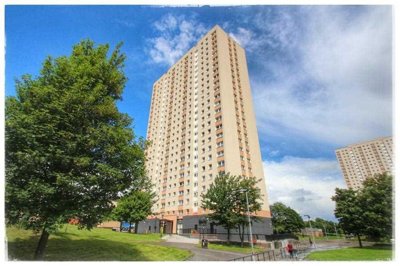
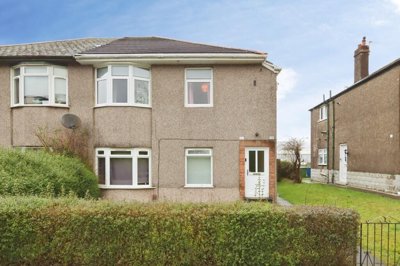
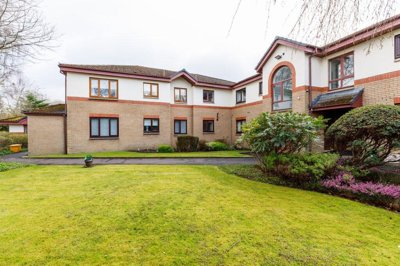
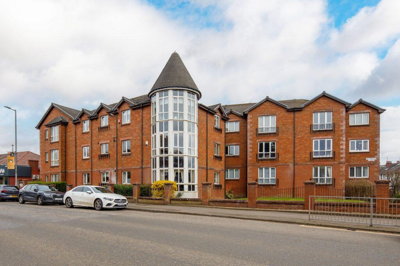
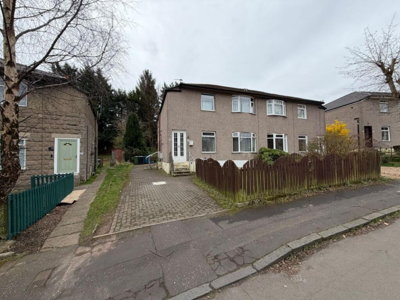
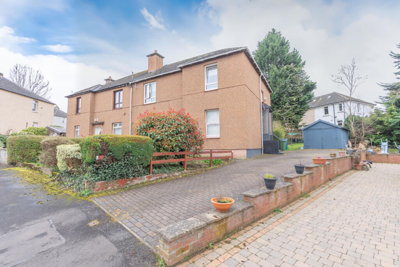
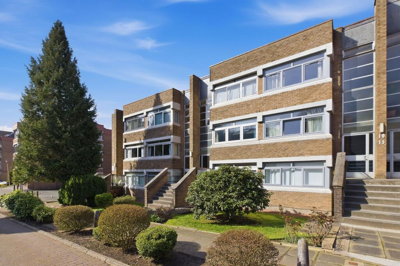
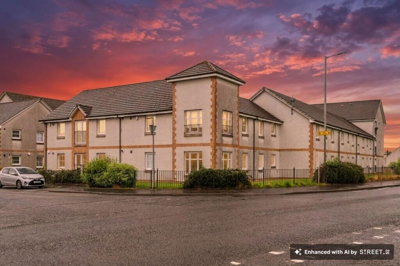
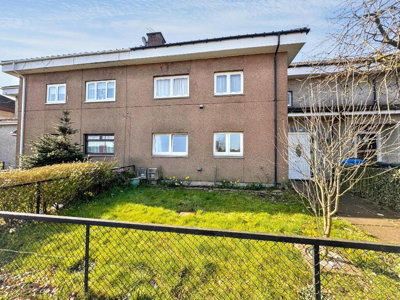
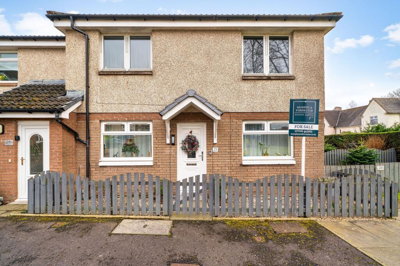
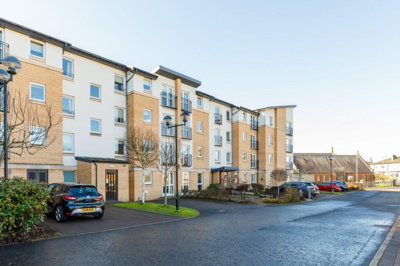
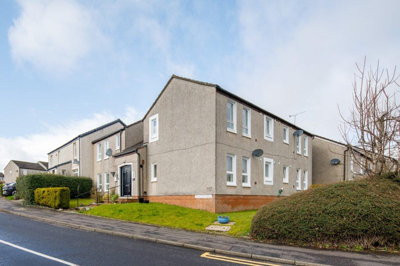
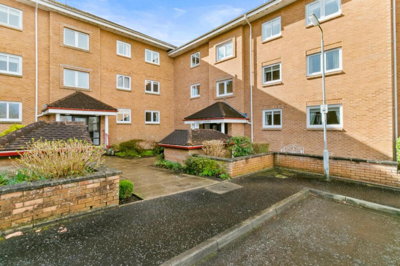
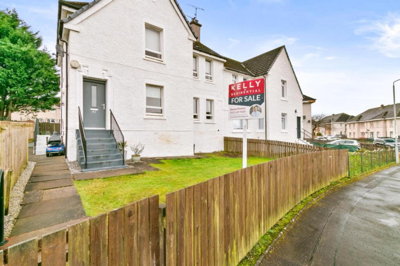
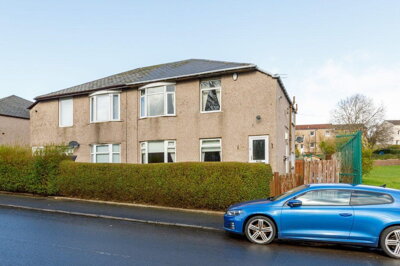
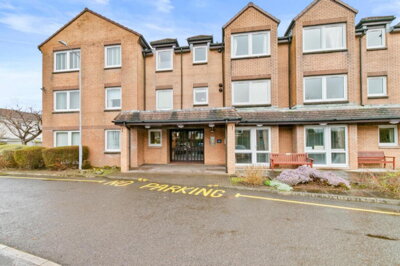
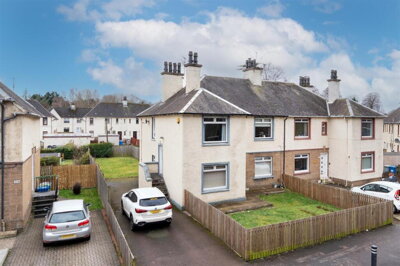
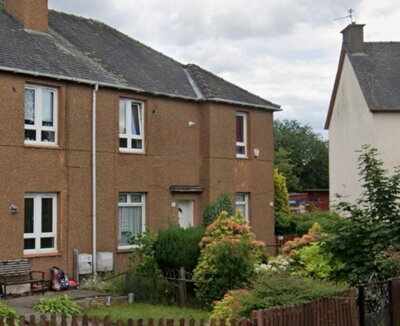
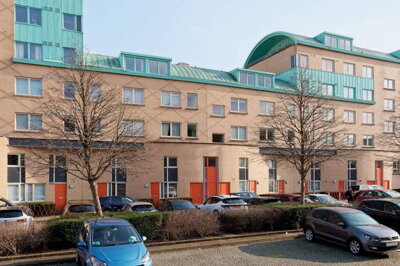
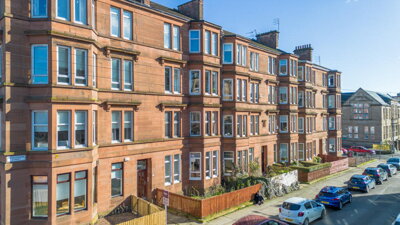
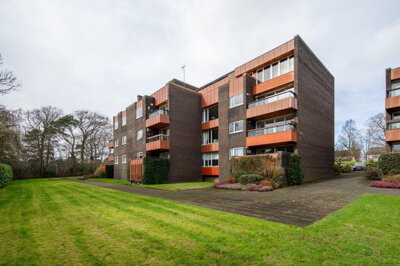
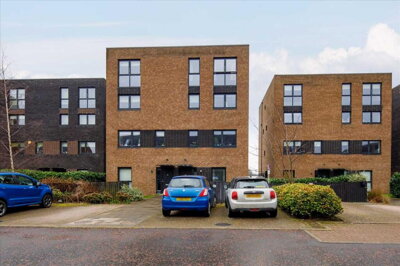
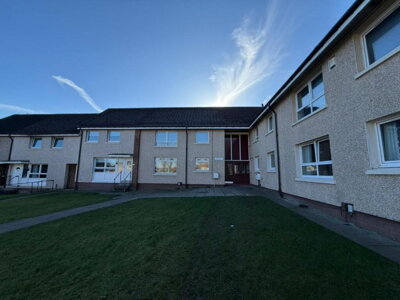
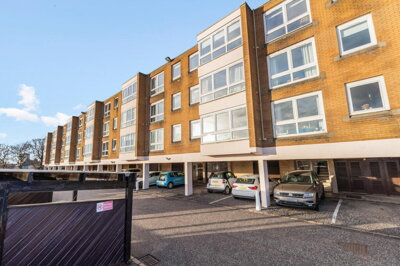
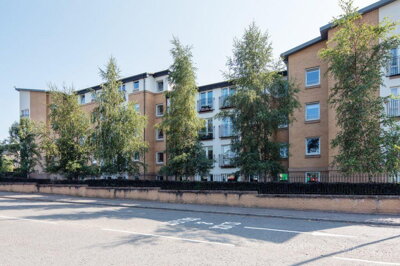
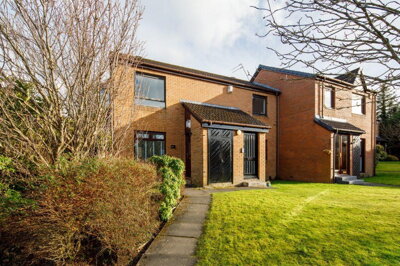
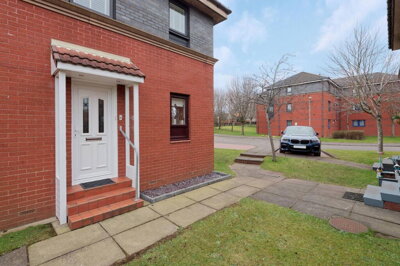
Browse 909 homes for sale in Glasgow, Scotland from local estate agents.
Studio apartments feature open-plan living spaces without separate bedrooms, incorporating sleeping, living, kitchen, and bathroom facilities. The Glasgow studio market includes properties in modern apartment complexes, converted Victorian and Georgian buildings, and purpose-built developments.
£150k
423
89
39
Source: home.co.uk
Showing 423 results for Studio Flats for sale in Glasgow, Scotland. 89 new listings added this week. The median asking price is £150,000.
Source: home.co.uk
Flat
423 listings
Avg £163,069
Source: home.co.uk
Source: home.co.uk
Glasgow's property market offers remarkable diversity and affordability compared to other major UK cities. The average property price sits comfortably below the national Scottish average for urban centres, making Glasgow an attractive destination for first-time buyers and investors alike. Our current listings include properties ranging from compact studio apartments priced around £80,000 to expansive family homes in premium suburbs exceeding £700,000. This broad price spectrum reflects the city's varied housing stock, from historic tenement buildings constructed during the industrial boom to contemporary new-build developments transforming areas like Finnieston and the waterfront.
Property types in Glasgow fall into several distinct categories. Traditional sandstone tenements, predominantly found in the West End and South Side, feature high ceilings, original cornicing, and generous room proportions that appeal to those seeking period character. Victorian and Edwardian villas in areas such as Mount Florida and Kelvinside represent the upper tier of the market, often commanding premium prices due to their spacious layouts and sought-after addresses. Modern flats and apartments dominate the city centre and riverside developments, providing convenient options for professionals and students. Semi-detached and detached houses predominate in suburban areas like Bishopbriggs, Clarkston, and Newton Mearns, where families benefit from larger gardens and proximity to reputable schools.
The Glasgow property market has demonstrated steady growth over recent years, with certain postcodes emerging as particularly strong performers. Areas benefiting from regeneration investments, improved transport links, and burgeoning local amenities have seen above-average price appreciation. First-time buyers are drawn to neighbourhoods like Govan, Partick, and Shawlands, where entry-level flats provide accessible pathways onto the property ladder. Investors continue to target the student accommodation sector, focusing on postcodes close to the University of Glasgow campus and the city's major universities. The waterfront regeneration along the Clyde continues to create new residential opportunities, with developments at Pacific Quay and the former shipyard sites attracting both owner-occupiers and landlords.

Glasgow rewards those who choose to make it their home with an unparalleled combination of cultural richness, green spaces, and genuine community spirit. Scotland's largest city combines metropolitan sophistication with accessibility, ensuring residents enjoy world-class attractions without sacrificing the warmth of neighbourhood connection. The city has earned international recognition as a UNESCO City of Design, celebrating its architectural heritage and innovative design culture. Victorian and Art Nouveau buildings stand alongside cutting-edge contemporary structures, creating an urban landscape that constantly surprises and delights visitors.
The West End represents Glasgow's most cosmopolitan neighbourhood, centred around Byres Road and Ashton Lane. Here, independent boutiques sit alongside artisan coffee shops, while the iconic Kelvingrove Park provides a verdant oasis for morning walks and weekend picnics. The area buzzes with energy from students, young professionals, and families who appreciate its village-like atmosphere within the city. Finnieston has emerged as Glasgow's culinary heart, with a concentration of award-winning restaurants, craft beer bars, and music venues that draw crowds from across the city. The neighbourhood's transformation from a traditional working-class area to a desirable address illustrates Glasgow's ongoing evolution.
The South Side offers family-friendly living with excellent local amenities and strong community networks. Shawlands provides a thriving high street with independent cafes, boutique shops, and popular pubs, while nearby areas like Langside and Mount Florida retain their residential charm while benefiting from convenient city centre access. Glasgow Green and the West End's extensive park network give residents abundant opportunities for outdoor recreation. The River Clyde, once the industrial artery of the British Empire, now serves as a focus for regeneration and riverside living, with new developments creating desirable waterfront communities. Cultural attractions including the Riverside Museum, the Gallery of Modern Art, and the Tron Theatre ensure Glasgow's residents enjoy access to world-class entertainment and education.

Glasgow offers an exceptional range of educational opportunities, making it particularly attractive to families considering a relocation. The city hosts four major universities, each contributing to Glasgow's reputation as a centre of academic excellence and research innovation. The University of Glasgow, founded in 1451, ranks among the world's most prestigious institutions and occupies a magnificent campus in the West End's Gilmorehill. The university consistently attracts students from across the globe, generating a youthful energy that enriches the surrounding neighbourhoods. Strathclyde University and Glasgow Caledonian University provide strong vocational and professional courses, while the Glasgow School of Art continues to produce graduates who shape creative industries worldwide.
Primary education in Glasgow encompasses a mix of council and denominational schools, with Catholic primary schools serving families who value religious education alongside academic achievement. Schools in established residential areas like Bearsden, Giffnock, and Newton Mearns consistently achieve strong inspection results and attract families willing to invest in catchment area properties. The proximity of quality primary schools significantly influences property values in certain postcodes, with homes within walking distance of highly-rated schools commanding premium prices. Parents should research specific school catchments before committing to a property purchase, as boundaries can change and demand for places remains intense in popular areas.
Secondary education in Glasgow includes a comprehensive network of state schools supplemented by selective and independent options. Schools like Hyndland Secondary, Williamwood High, and Bellahouston Academy have established strong academic records, while denominational schools such as St. Aloysius College and St. Andrew's Secondary provide faith-based education highly valued by Catholic families. Independent schools including Glasgow Academy, Kelvinside Academy, and Hutchesons' Grammar School offer alternative educational pathways for families who can afford private fees. Sixth form provision varies across schools, with some offering extensive A-Level programmes while others partner with local colleges to provide vocational alternatives. Families should carefully consider their children's educational needs when selecting a Glasgow neighbourhood, as school quality and provision differ significantly across the city.

Glasgow's transport infrastructure positions the city as exceptionally well-connected both within Scotland and to the wider UK. Two major railway stations serve the city centre: Glasgow Central handles routes to the South and West, including direct services to London Euston, while Glasgow Queen Street provides connections to Edinburgh, the Highlands, and the North. The journey to Edinburgh takes approximately 45-50 minutes, making Glasgow attractive to commuters who work in the capital while enjoying significantly lower living costs. The West Coast Main Line connects Glasgow to London in around four and a half hours, with additional services to Birmingham, Manchester, and Liverpool.
The Glasgow Subway, affectionately known as the Clockwork Orange, provides convenient circular transport around the inner city. The underground system connects the West End, city centre, and South Side, offering reliable transportation for residents without requiring road traffic delays. Extensions and improvements to the Subway network have been discussed, with potential future connections to areas like Gorbals and Partick enhancing accessibility. Bus services in Glasgow are extensive, with First Glasgow operating the majority of routes alongside smaller operators serving specific areas. The £1.50 flat fare for single journeys within the city centre zone makes bus travel economical, while the extensive network reaches virtually every neighbourhood.
Road connectivity is anchored by the M8 motorway, which bisects the city and connects to the wider motorway network including the M73, M74, and M77. Commuters heading to Edinburgh can access the city via the M8 or the more scenic A8 through Falkirk. Glasgow Airport, located near Paisley, provides international connections from over 100 destinations, while Prestwick Airport offers budget airline access to European destinations. For cyclists, Glasgow has invested significantly in dedicated cycling infrastructure, with the West End and South Side featuring popular cycle routes. However, parking in the city centre remains challenging and expensive, making proximity to public transport a valuable asset for central properties.

Before beginning your property search in Glasgow, obtain a mortgage agreement in principle from a lender. This demonstrates your financial credibility to estate agents and sellers, giving you a competitive edge when making offers. Lenders will assess your income, credit history, and existing commitments to determine how much they are willing to advance. Having this document ready before you start viewing properties streamlines the entire process.
Explore different areas of Glasgow to find neighbourhoods that match your lifestyle needs and budget. Consider factors including commute times, school catchment areas, local amenities, and community character. Each Glasgow neighbourhood has distinct advantages, from the bohemian atmosphere of the West End to the family-oriented suburbs of the South Side. Visiting areas at different times of day helps you understand traffic patterns, noise levels, and the general vibe of each location.
Use Homemove to browse all available properties in Glasgow, filtering by price, property type, bedrooms, and location. Once you have identified promising listings, arrange viewings through the estate agents featured on our platform. View multiple properties to compare options before making decisions. Take notes and photographs during viewings to help you remember the details of each property you visit.
When you find a suitable property, submit an offer through the selling estate agent. In Scotland, offers are typically made in writing and are legally binding once accepted. Your solicitor will handle the formalities, and you should include any conditions such as survey requirements or specific completion dates in your offer. Be prepared to negotiate on price and terms, particularly for properties that have been on the market for some time.
Commission a RICS Level 2 Homebuyer Report or Level 3 Building Survey before committing to your purchase. This professional assessment identifies structural issues, maintenance concerns, and potential problems that might affect the property's value. Our platform connects you with qualified surveyors operating throughout the Glasgow area who understand local construction types and common defect patterns.
Your solicitor will conduct searches, handle legal documentation, and coordinate with the seller's legal team to transfer ownership. On completion day, funds are transferred and you receive the keys to your new Glasgow home. Register your ownership with the Land Registry of Scotland to formalise your title. The entire process from offer acceptance to keys typically takes around 6-8 weeks in Scotland.
Glasgow's diverse housing stock presents unique considerations for buyers unfamiliar with local property types. Traditional sandstone tenements, dating from the late Victorian and Edwardian periods, constitute a significant proportion of residential properties. These buildings often feature original features including ornate cornicing, high ceilings, and timber sash windows. However, age brings potential issues: roof condition requires careful assessment, shared maintenance responsibilities with other flat owners can generate unexpected costs, and original plumbing and electrical systems may need updating to meet modern standards.
The tenure structure in Glasgow differs from some English regions, with many properties sold as leasehold rather than freehold. Flats within tenement buildings typically hold a share of the freehold through a residents' management company, or operate under traditional Scottish feu arrangements. Ground rent and service charges vary significantly between properties and developments. Prospective buyers should obtain copies of the title deeds and factor any ongoing costs into their budget calculations. Newer city centre apartments commonly include factored maintenance fees covering building insurance, cleaning, and communal area upkeep.
Flood risk should be considered when evaluating Glasgow properties, particularly those near the River Clyde or in low-lying areas. The Clyde Flood Management Scheme has reduced flood risk for many city neighbourhoods, but properties in historically affected areas warrant thorough investigation. Conservation areas, of which Glasgow has several including the West End and parts of the South Side, impose restrictions on external alterations and renovations. Potential buyers should consult with Glasgow City Council's planning department regarding any proposed changes to listed or conservation area properties. Properties in areas like Dennistoun and Govan, which have seen significant regeneration investment, may present opportunities but buyers should research historical land use and potential contamination from former industrial activities.

Property prices in Glasgow vary significantly by neighbourhood and property type. City centre flats might start around £100,000-£150,000, while traditional tenement flats in desirable areas like the West End typically range from £150,000-£300,000. Family houses in suburbs like Bearsden, Giffnock, and Newton Mearns commonly exceed £300,000, with premium properties reaching £500,000-£800,000 or more. Our current listings showcase properties across all price ranges, allowing buyers to identify options that match their budget.
Glasgow City Council sets council tax bands from A to H based on property valuation. Most city centre flats and smaller tenement properties fall into bands A-C, while larger family homes in established suburbs typically occupy bands D-F. The current council tax rates for Glasgow can be confirmed through the local authority website, and prospective buyers should note that new builds sometimes attract higher bandings than comparable existing properties. Banding disputes can be lodged with the Scottish Assessors if you believe a property has been incorrectly categorised.
Glasgow offers excellent educational provision at all levels. Primary schools including West End Primary, Kelvinside Academy (independent), and St. Mary's Primary (denominational) serve their communities well. At secondary level, schools like Hyndland Secondary, Williamwood High, and Jordanhill School (grant-maintained) achieve strong academic outcomes. Catholic families often consider St. Mungo's Academy and St. Andrew's Secondary. Independent schools including Glasgow Academy and Hutchesons' Grammar maintain outstanding reputations. Researching specific catchments remains essential as school performance varies between postcodes.
Glasgow benefits from comprehensive public transport infrastructure. The Subway provides frequent services around the inner city, while two major railway stations offer connections across Scotland and to England. Glasgow Central and Queen Street stations between them serve destinations including Edinburgh (45 minutes), London (4.5 hours), and Highland routes. Extensive bus networks operated primarily by First Glasgow cover areas not reached by rail. The M8 motorway connects Glasgow to Edinburgh and the wider motorway network, while Glasgow Airport serves international destinations from its location near Paisley.
Glasgow has historically offered strong rental yields compared to other major UK cities, making it attractive to property investors. The large student population creates consistent demand for shared accommodation and small flats near universities. Young professionals increasingly choose city centre living, supporting the apartment market. Regeneration projects in areas like the waterfront and Govan continue to enhance property values. However, investors should research specific postcodes carefully, as rental demand and capital growth potential vary significantly across the city.
Stamp Duty Land Tax (SDLT) in Scotland operates under the Scottish Land and Buildings Transaction Tax (LBTT) system. For residential purchases, there is no LBTT on properties up to £145,000, with progressive rates rising to 12% on portions above £750,000. First-time buyers may qualify for relief on properties up to £175,000. Non-residential buyers pay additional rates. Your solicitor will calculate the precise LBTT due on your purchase and include this in their overall cost estimates.
The West End offers a cosmopolitan atmosphere with strong student presence, independent shops, and proximity to Kelvingrove Park and the University of Glasgow campus. Properties here tend to be older tenements with period features. The South Side provides a more residential family feel, with good schools, local high streets like Shawlands, and easier access to the countryside. Both areas offer excellent transport links to the city centre, but the South Side appeals particularly to families seeking space and community atmosphere.
Several Glasgow neighbourhoods are undergoing significant transformation, presenting opportunities for buyers. Govan, once the heart of shipbuilding, now sees redevelopment of former industrial sites into residential communities. The Clyde waterfront continues to attract investment, with new developments creating desirable living spaces near the BBC headquarters and transport museum. Partick has benefited from the West End's expansion, while Dennistoun's independent scene has attracted younger buyers seeking more affordable West End access. Bargain hunters should research specific regeneration zones carefully, considering factors including timescales, potential disruption during development phases, and the long-term viability of proposed improvements.
Understanding the costs involved in purchasing property in Glasgow helps you budget accurately and avoid unexpected expenses. The primary additional cost beyond the property price is the Land and Buildings Transaction Tax (LBTT), Scotland's equivalent of stamp duty. Unlike England and Wales, Scotland operates its own tax system with different thresholds and rates. For residential properties, LBTT is charged at 0% on the first £145,000 of the purchase price, rising through graduated rates to a maximum of 12% on the portion exceeding £750,000. Your solicitor will calculate the exact amount due based on your purchase price and circumstances.
First-time buyers purchasing residential property in Scotland may benefit from the LBTT relief scheme, which provides a nil rate of tax on the first £175,000 for qualifying purchases. This relief is available to buyers who have never previously owned property anywhere in the world. Properties priced above £175,000 still benefit from relief on the qualifying portion, effectively reducing the overall tax burden for first-time purchasers. Additional dwelling supplement applies at 4% for buyers purchasing a second home or buy-to-let property, regardless of first-time buyer status.
Solicitor fees for conveyancing typically range from £500 to £1,500 depending on the complexity of the transaction and the property value. Solicitors handle title searches, Land Registry registration, and coordination with the seller's legal team. Survey costs vary based on the level of inspection required: a basic RICS Condition Report starts around £200, while a comprehensive Building Survey might cost £600-£1,000 for larger properties. Lenders typically require a mortgage valuation survey, though this cost is often passed to the borrower. Factor in around £200-£300 for local searches including planning records and environmental data. Buildings insurance must be arranged from the point of purchase, with costs varying based on property type and value.

From 4.5% APR
Compare mortgage deals from lenders across Glasgow and Scotland
From £499
Expert property solicitors handling your Glasgow purchase
From £350
Comprehensive homebuyer report for Glasgow properties
From £60
Energy performance certificate for your Glasgow property
Properties for Sale In London

Properties for Sale In Plymouth

Properties for Sale In Liverpool

Properties for Sale In Glasgow

Properties for Sale In Sheffield

Properties for Sale In Edinburgh

Properties for Sale In Coventry

Properties for Sale In Bradford

Properties for Sale In Manchester

Properties for Sale In Birmingham

Properties for Sale In Bristol

Properties for Sale In Oxford

Properties for Sale In Leicester

Properties for Sale In Newcastle

Properties for Sale In Leeds

Properties for Sale In Southampton

Properties for Sale In Cardiff

Properties for Sale In Nottingham

Properties for Sale In Norwich

Properties for Sale In Brighton

Properties for Sale In Derby

Properties for Sale In Portsmouth

Properties for Sale In Northampton

Properties for Sale In Milton Keynes

Properties for Sale In Bournemouth

Properties for Sale In Bolton

Properties for Sale In Swansea

Properties for Sale In Swindon

Properties for Sale In Peterborough

Properties for Sale In Wolverhampton

Enter your details to see if this property is within your budget.
Loans, cards, car finance
Estimated property budget
Borrowing + deposit
You could borrow between
Typical borrowing
Monthly repayment
Est. at 4.5%
Loan-to-value
This is an estimate only. Your actual budget may vary depending on interest rates, credit history, and personal circumstances. For an accurate affordability assessment, speak to one of our free mortgage advisors.
This calculator provides estimates for illustrative purposes only and does not constitute financial advice. Your home may be repossessed if you do not keep up repayments on your mortgage. Estimates based on 4.5% interest rate, repayment mortgage. Actual rates depend on your circumstances.
Homemove is a trading name of HM Haus Group Ltd (Company No. 13873779, registered in England & Wales). Homemove Mortgages Ltd (Company No. 15947693) is an Appointed Representative of TMG Direct Limited, trading as TMG Mortgage Network, which is authorised and regulated by the Financial Conduct Authority (FRN 786245). Homemove Mortgages Ltd is entered on the FCA Register as an Appointed Representative (FRN 1022429). You can check registrations at NewRegister or by calling 0800 111 6768.

We use cookies to show you personalised content and improve your experience of our website. Find out more in our Privacy policy and Cookie policy.