Pick the right path and we'll point you to the next step.
I'm the homeowner
Track this property, get market updates, and list it on Home when you're ready to sell or let.
I'm an estate agent
Claim your branch on Home.co.uk, list your properties for free, and reach buyers actively searching your area.
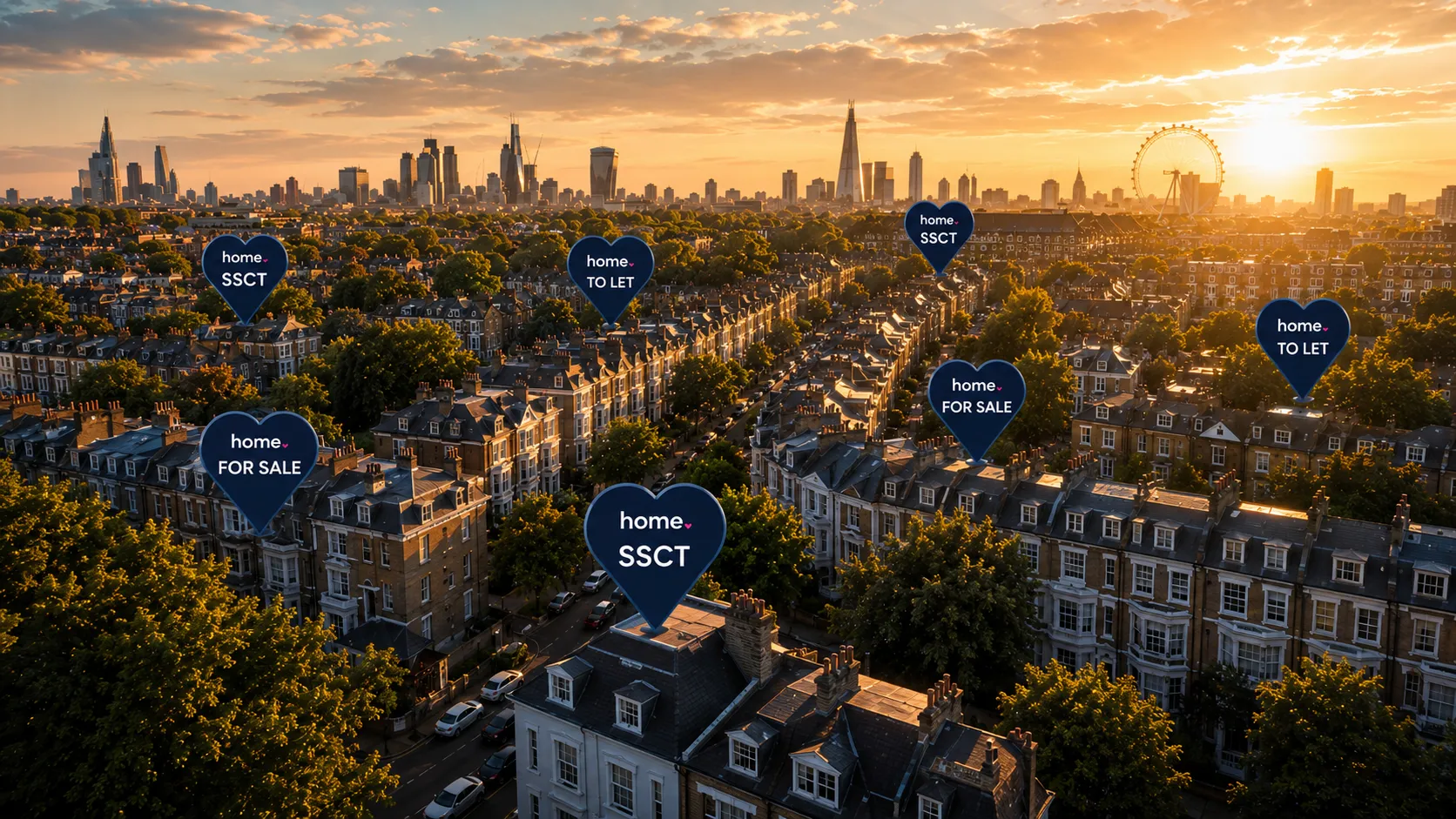
From riverside apartments to country cottages, search hundreds of thousands of properties for sale, to rent, and recently sold, all enriched with three decades of market data.
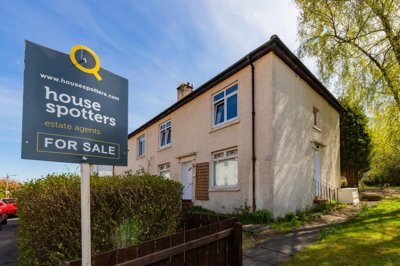
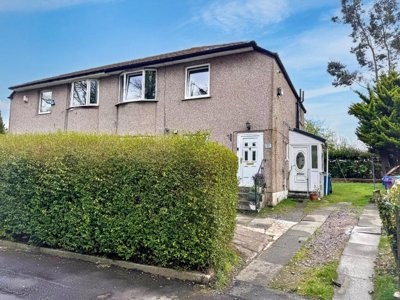
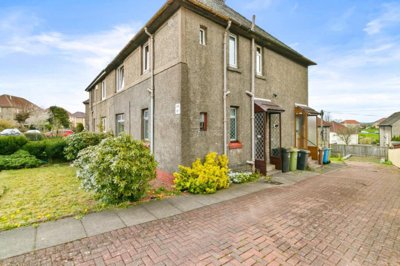
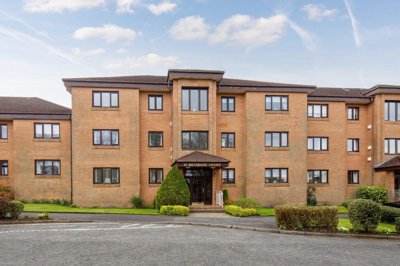
Browse 54 homes for sale in Glasgow, Scotland from local estate agents.
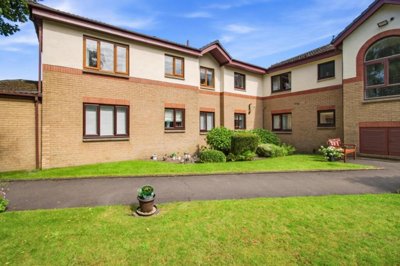
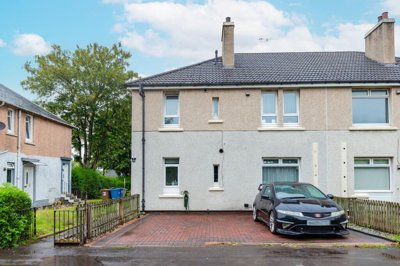
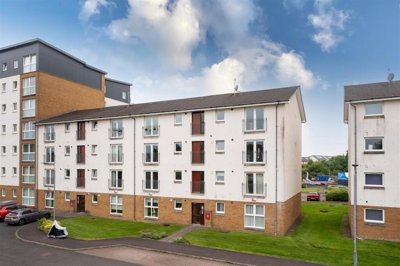
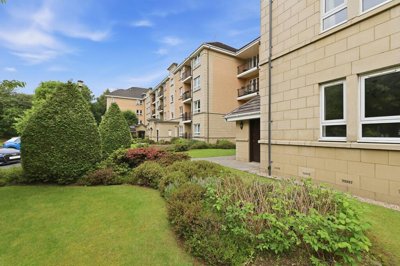
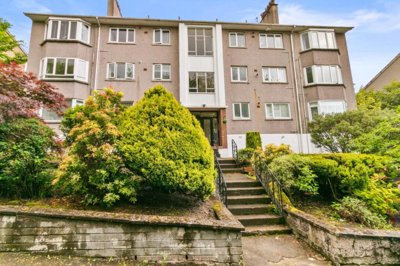
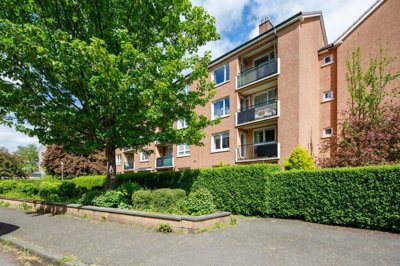
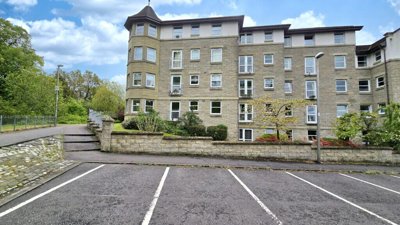
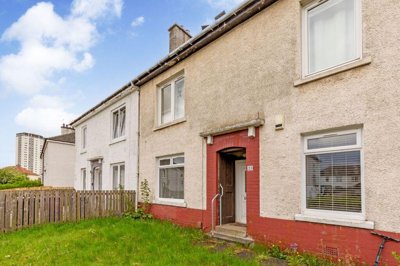
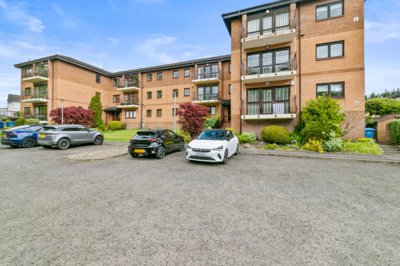
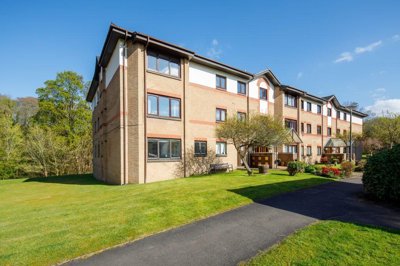
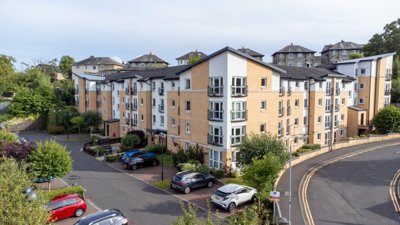
The 2 bed flat sector typically includes two separate bedrooms, dedicated living areas, and bathroom facilities. Properties in Glasgow span purpose-built blocks, converted period houses, and modern apartment complexes on various floors.
£170k
427
80
44
Source: home.co.uk
Showing 427 results for 2 Bedroom Flats for sale in Glasgow, Scotland. 80 new listings added this week. The median asking price is £170,000.
Source: home.co.uk
Flat
427 listings
Avg £178,911
Source: home.co.uk
Source: home.co.uk
home.co.uk listings show quite a range inside Glasgow just now. NorthBridge apartments start at £254,995, while larger family homes are shown at £479,995. Royale Meadows runs from £207,000 to £346,000, and Hamiltonhill sits within a 650-home masterplan, with 31 homes currently planned for sale in the wider scheme. We have kept the focus on Glasgow itself, rather than nearby towns using the city name, so the comparison is cleaner if you are weighing up a flat, a terrace or a house.
The sold-price picture from homedata.co.uk is not one market pretending to be the same everywhere. Flats sit around £181,342 to £187,016 depending on the snapshot. Terraced homes are around £226,077 to £228,902, semi-detached homes come in at roughly £272,394 to £273,120, and detached homes range from about £411,884 to £487,000. Those gaps matter in Glasgow, where the type of property can change the budget as much as the postcode. Annual readings from homedata.co.uk also show year-on-year movement, with comparable sold-price snapshots up by 5% to 7% over the past year.

Glasgow City had a population of 650,300 on 30 June 2024, with 298,251 households, according to homedata.co.uk area profile data. That scale shows in the housing stock. Two-thirds of adults live in flats, 67.0% of households are in flat-based housing, and 32.6% of households are single adult households, which sets the city apart from much of Scotland. Owner-occupation is 46.9%, while social and private renting account for 52.6%. In plain terms, buyers will meet many different tenures across Glasgow, from West End flats to family houses on the outer edges.
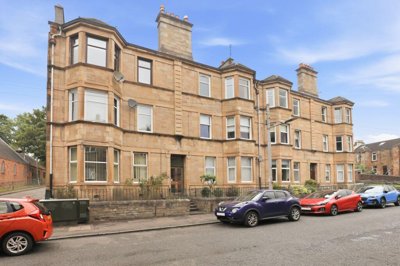
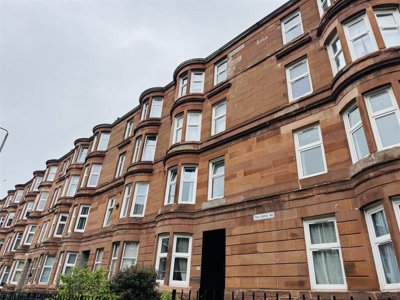
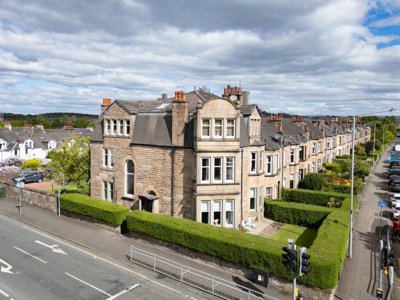
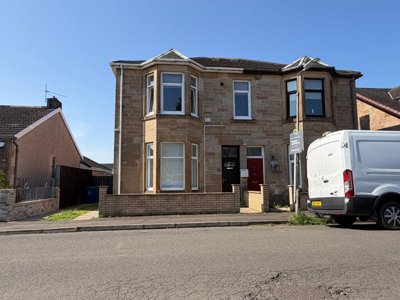
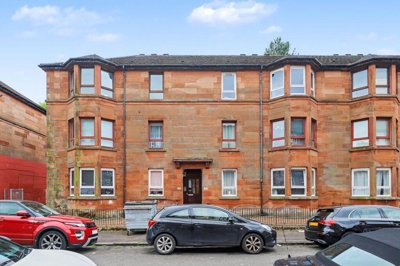
Glasgow’s buildings carry a lot of the city’s identity. Many older streets use blonde or red sandstone, slate roofs and detailed stonework, while later phases brought in concrete, steel, glass and newer finishes. The ground below matters as well. Clay soil can shrink and swell as moisture levels change, so our surveyors take subsidence checks seriously here. Flood risk also needs a proper look, particularly where river, surface-water or canal-related risks come into play.
For families, Glasgow school research often starts with a catchment map rather than a postcode search. Boundaries can shift street by street, and in a larger neighbourhood one side of a road may sit in a different primary or secondary catchment from the other. The city’s education base is broad too, with the University of Glasgow, the University of Strathclyde, Glasgow Caledonian University, City of Glasgow College and Glasgow Clyde College all part of the local picture. For many movers, that matters almost as much as the property itself.
Education shows up clearly in the household figures. homedata.co.uk data records 5.8% single-parent households in Glasgow, against the Scottish level of 4.3%, so nurseries, primary schools and safe walking routes are not minor details for many buyers. We would check council catchment maps, read Education Scotland reports and test the journey at rush hour. If you are looking for a family home, the exact street can matter more than the district name.

Commuting from Glasgow is helped by the amount of rail and road infrastructure already in place. Glasgow Central and Queen Street carry much of the rail network, while the Subway is useful for cross-city travel between the centre, the west end and nearby districts. For drivers, the M8, M74 and M77 put Edinburgh, Lanarkshire and Ayrshire on workable routes. That is one reason central flats and family houses near stations tend to be watched closely.
Parking is where the trade-off often appears. On many tenement streets, on-street spaces are tight, permits may apply, and narrow closes can make unloading awkward when the street is busy. Cyclists may prefer quieter radial routes or canal-side paths. Car owners should check the title and the listing carefully for a driveway, garage or shared bay. The closest address is not always the easiest one to live with, so look at the station route, bus frequency and parking pressure before making an offer.
Glasgow works across several buyer groups because the city is large, and the housing stock is not one-note. homedata.co.uk profile data shows a high level of flat living, a substantial renting base and many single-adult households, which keeps demand near the centre from people buying alone or purchasing to let. Houses and bungalows still account for about a third of households, so districts with gardens, driveways and useful school catchments remain active. The flat market may be the first thing people notice, but Glasgow is not only an apartment city.
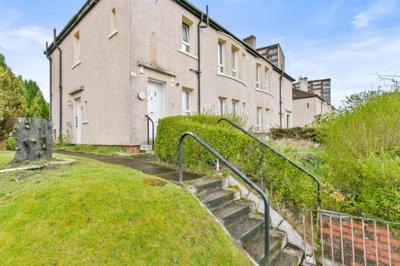
Some buyers come to Glasgow for older buildings as much as for the location. Traditional tenements can bring high ceilings and original detailing, while newer schemes may include lifts, parking or more efficient layouts. Nearly a third of households are single-adult homes, so smaller properties can make sense for owner-occupiers and landlords alike. Buyers who need more space often look towards the south side, outer east or selected west end streets, where houses appear less often and can move quickly.
Older Glasgow homes deserve patience at a viewing. Sandstone tenements can be handsome, but roof maintenance, pointing, damp, cracking and movement all need proper attention, especially where clay soil and changing moisture levels may affect foundations. Conservation areas bring another consideration. Natural sandstone and sympathetic materials are often expected where historic streetscapes are being protected. In a listed building, or a conservation-led street, even modest alterations can involve more planning control than buyers expect.
With a Glasgow flat, the asking price is only the first line of the calculation. Check the factor, common insurance, stair cleaning, roof funds and any shared repair history. Scotland does not work like English-style leasehold, so the bigger questions are usually title conditions, shared responsibility and the way the building is run. Ground rent is rarely the Glasgow worry people imagine, but factor fees, cladding, lifts and common repairs certainly can be. For an older tenement, our team would usually recommend a RICS survey, and a thermal check can help where heat loss, damp or hidden pipework are concerns.

Start with the Glasgow district that fits your day-to-day routine, school catchment and journey to work, then compare tenements, terraces, semi-detached homes and new builds there.
Before we book viewings, get a mortgage agreement in principle, set the deposit figure, and add solicitor fees, survey costs and moving expenses to the Glasgow budget.
At the viewing, slow down. Look at sandstone, the roof, damp marks, close maintenance, parking, shrink-swell movement and drainage around the Glasgow property.
A RICS Level 2 survey suits many conventional Glasgow homes, but an older sandstone tenement or unusual conversion may need a more detailed inspection.
Your solicitor deals with the Scottish purchase process, checks the title, runs the searches and guides you through missives and the completion timetable.
Keep your funds ready, confirm insurance, arrange removals and understand any factor charges or common repairs before the Glasgow purchase reaches exchange.
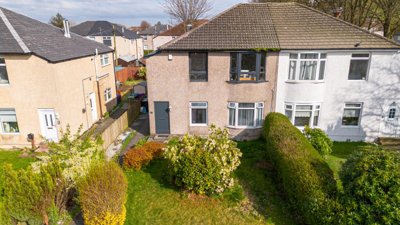
The latest annual reading we hold from homedata.co.uk shows an average house price of £243,544. By type, the spread is wide. Flats are around £181,342 to £187,016, terraced homes around £226,077 to £228,902, semi-detached homes around £272,394 to £273,120 and detached homes between £411,884 and £487,000, depending on the snapshot. That is why a Glasgow budget should be built around the building type as well as the postcode. A city centre flat, a sandstone tenement and a suburban family house can sit in very different price bands.
Glasgow homes fall within Scotland’s council tax bands from A to H, with the final band tied to the individual address. A small flat in one part of the city can be treated very differently from a larger family house elsewhere. Check the band before you offer, then add it to your monthly figures. It is a simple Glasgow running cost to miss when two properties look similar on price.
There is no single Glasgow school shortlist that works for everyone. Catchments can change street by street, so families usually compare local primaries, secondaries, denominational schools and nearby further education choices such as City of Glasgow College and Glasgow Clyde College, as well as the city’s universities. We suggest reading Education Scotland reports, checking council catchment maps and trying the school run at peak time. A home can look right on paper and feel quite different on the daily route.
Glasgow gives buyers plenty of ways to move around the city and beyond. Glasgow Central and Queen Street handle fast rail services across Scotland, the Subway links key city districts, and buses cover most residential areas. Drivers also use the M8, M74 and M77 for travel across the central belt. If the journey to work is a deciding factor, Glasgow usually gives more route choices than many UK cities.
For many buyers, Glasgow can make sense. The city has a large population, a deep rental market and a broad split between flats and houses, which supports demand in the right streets. homedata.co.uk profile data shows 52.6% of households rent and 46.9% are owner-occupiers, so the rental base is sizeable. Still, the building’s condition, factor costs and proximity to stations can matter just as much as the area name.
On a Glasgow purchase, buyers usually pay Scotland’s Land and Buildings Transaction Tax rather than English stamp duty, so your solicitor should confirm the exact bill for the property. For UK cost comparisons, the current SDLT thresholds are 0% up to £250,000, 5% from £250,000 to £925,000, 10% from £925,000 to £1.5 million and 12% above £1.5 million. Relief for a person buying their first home in England and Northern Ireland is 0% up to £425,000 and 5% from £425,000 to £625,000, with no relief above £625,000. Those figures help with comparison, but they are not normally the tax calculation for Glasgow.
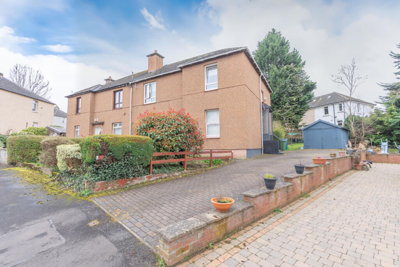
Flats define much of the Glasgow housing market. homedata.co.uk profile data shows that 67.0% of adults live in flats, a far higher share than in many parts of Scotland. Sandstone tenements, city-centre apartments and converted buildings therefore carry a big share of local activity. If you are looking for a house, be ready when the right one appears, because supply is usually tighter than it is for flats.
For anyone comparing Glasgow with an English purchase, the current SDLT thresholds are 0% up to £250,000, 5% from £250,000 to £925,000, 10% from £925,000 to £1.5 million and 12% above £1.5 million. In England and Northern Ireland, relief for a first purchase is 0% up to £425,000 and 5% from £425,000 to £625,000, with no relief above that level. In Glasgow, the tax is normally Land and Buildings Transaction Tax, and your solicitor should confirm the Scottish figure for your exact offer. It is an important difference, because many buyers start with English figures before realising Scotland uses another system.
Beyond tax, the main costs usually include the deposit, solicitor fees, survey fees, mortgage arrangement costs and removals. Flat buyers should look hard at factor charges, common repair bills and any building maintenance fund, especially in older Glasgow tenements where shared roofs and closes need regular attention. A Home Report is standard in Scotland, but it does not remove the value of an independent RICS survey if the property is older, altered or showing damp or movement. Plan those costs early, and you can move faster when the right Glasgow home appears.
Properties for Sale In London

Properties for Sale In Plymouth

Properties for Sale In Liverpool

Properties for Sale In Glasgow

Properties for Sale In Sheffield

Properties for Sale In Edinburgh

Properties for Sale In Coventry

Properties for Sale In Bradford

Properties for Sale In Manchester

Properties for Sale In Birmingham

Properties for Sale In Bristol

Properties for Sale In Oxford

Properties for Sale In Leicester

Properties for Sale In Newcastle

Properties for Sale In Leeds

Properties for Sale In Southampton

Properties for Sale In Cardiff

Properties for Sale In Nottingham

Properties for Sale In Norwich

Properties for Sale In Brighton

Properties for Sale In Derby

Properties for Sale In Portsmouth

Properties for Sale In Northampton

Properties for Sale In Milton Keynes

Properties for Sale In Bournemouth

Properties for Sale In Bolton

Properties for Sale In Swansea

Properties for Sale In Swindon

Properties for Sale In Peterborough

Properties for Sale In Wolverhampton

Enter your details to see if this property is within your budget.
Loans, cards, car finance
Estimated property budget
Borrowing + deposit
You could borrow between
Typical borrowing
Monthly repayment
Est. at 4.5%
Loan-to-value
This is an estimate only. Your actual budget may vary depending on interest rates, credit history, and personal circumstances. For an accurate affordability assessment, speak to one of our free mortgage advisors.
This calculator provides estimates for illustrative purposes only and does not constitute financial advice. Your home may be repossessed if you do not keep up repayments on your mortgage. Estimates based on 4.5% interest rate, repayment mortgage. Actual rates depend on your circumstances.
Homemove is a trading name of HM Haus Group Ltd (Company No. 13873779, registered in England & Wales). Homemove Mortgages Ltd (Company No. 15947693) is an Appointed Representative of TMG Direct Limited, trading as TMG Mortgage Network, which is authorised and regulated by the Financial Conduct Authority (FRN 786245). Homemove Mortgages Ltd is entered on the FCA Register as an Appointed Representative (FRN 1022429). You can check registrations at NewRegister or by calling 0800 111 6768.

We use cookies to show you personalised content and improve your experience of our website. Find out more in our Privacy policy and Cookie policy.