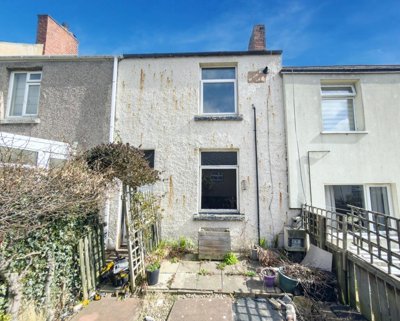
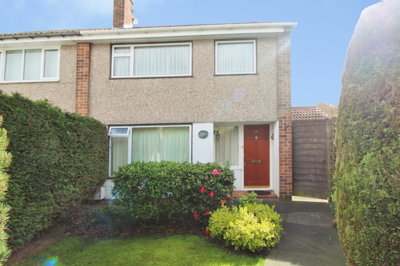
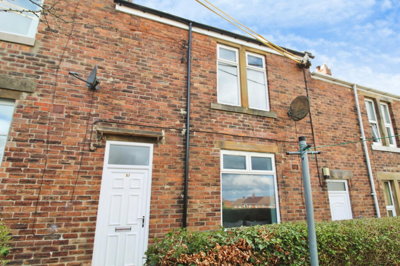
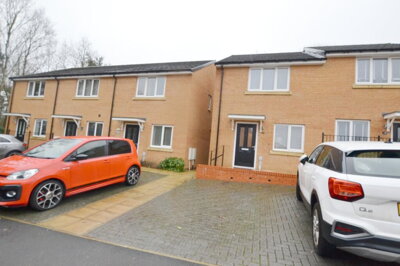
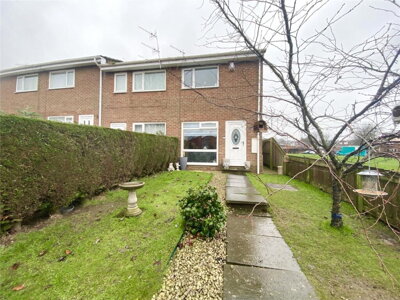
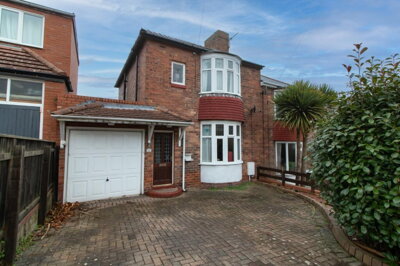
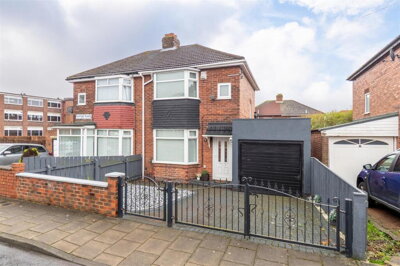
Browse 593 homes for sale in Gateshead, North East from local estate agents.
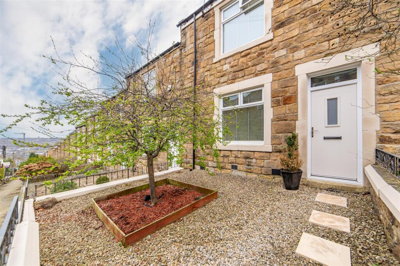
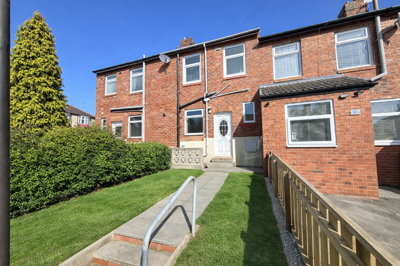
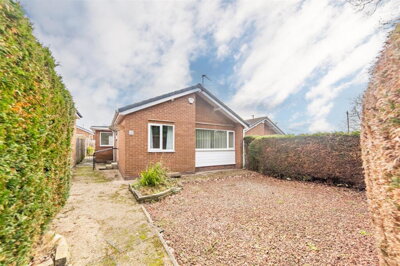
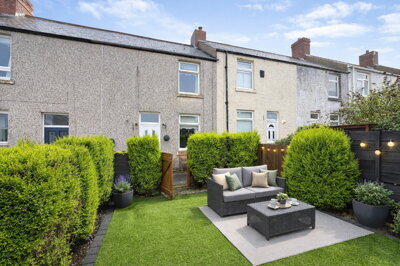
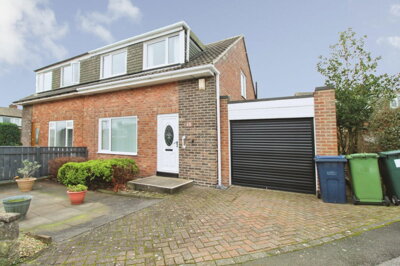
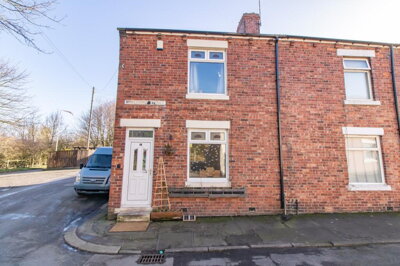
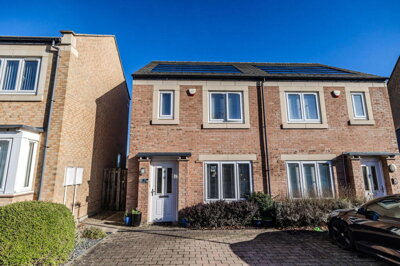
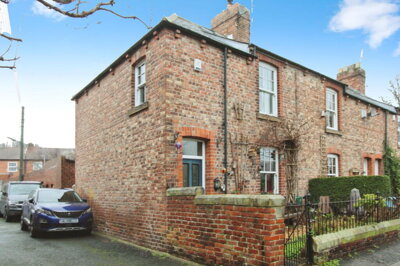
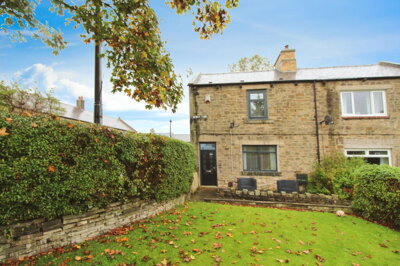
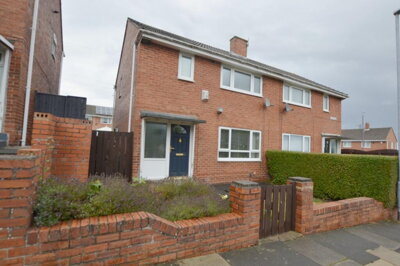
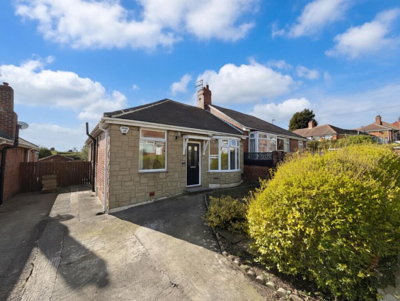
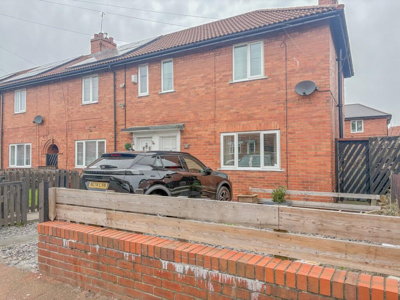
The 2 bed house market features detached, semi-detached, and terraced properties with two separate bedrooms plus living spaces. Properties in Gateshead range from Victorian and Edwardian period homes to modern new builds, with pricing varying across different neighbourhoods.
£130k
107
9
77
Source: home.co.uk
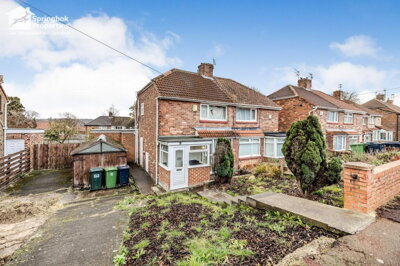
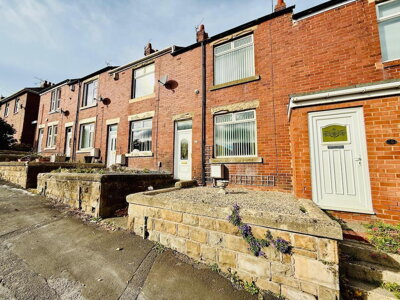
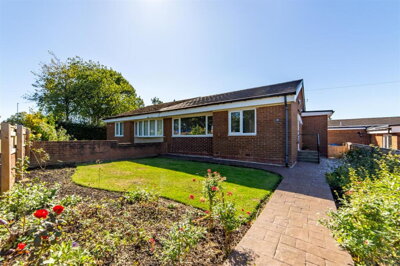
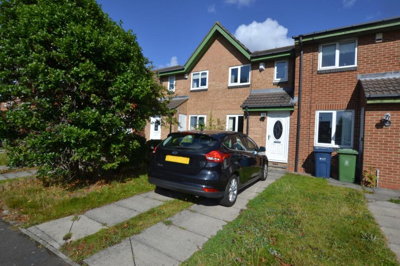
Showing 107 results for 2 Bedroom Houses for sale in Gateshead, North East. 9 new listings added this week. The median asking price is £130,000.
Source: home.co.uk
Terraced
66 listings
Avg £113,998
Semi-Detached
41 listings
Avg £152,560
Source: home.co.uk
Source: home.co.uk
Gateshead's property market demonstrates steady growth and resilience, with the average house price reaching £151,000 in December 2025, representing a 1.2% increase from December 2024 according to HM Land Registry data. This growth, while modest, outpaced some regional expectations despite a significant 24.7% drop in transaction volumes, with only 1,100 property sales recorded between January and December 2025 compared to the previous year. The market has shown remarkable consistency, with Rightmove reporting an overall average of £180,056 over the last year, which is 5% up on the previous year and 8% up on the 2023 peak.
Property types in Gateshead span a comprehensive spectrum to suit different buyer requirements and budgets. Detached homes command the highest prices at approximately £282,000, with Zoopla reporting £288,573 over the past twelve months, typically found in sought-after areas like Low Fell and the newer developments near the Quayside. Semi-detached properties average £176,000 according to the most recent data, though Rightmove reports £186,170 over the last year, with good availability in suburbs such as Dunston, Kibblesworth, and along the Team Valley trading estate fringe.
Terraced houses, which form a significant portion of Gateshead's housing stock particularly in historic neighbourhoods like Saltwell, Teams, and near the old High Street, average £147,000 with Zoopla reporting £168,849 for the past twelve months. These Victorian and Edwardian terraces offer excellent value for money and character that newer properties often lack. Flats and maisonettes remain the most affordable option at £95,000 to £101,468, making them ideal for first-time buyers entering the market and investors seeking rental opportunities in this area with strong commuter demand.
Gateshead is a metropolitan borough with a population of 200,400 residents across 89,700 households, creating a vibrant community atmosphere that blends urban convenience with suburban charm. The area encompasses diverse neighbourhoods ranging from the historic streets of Low Fell and Saltwell to modern developments along the Quayside. Conservation areas in Low Fell, Saltwell, and the High Street preserve the architectural heritage of Victorian and Edwardian properties that give many parts of Gateshead their distinctive character. The town centre has undergone significant regeneration in recent years, with the redevelopment of the Gateshead Quays bringing new leisure facilities, restaurants, and public spaces.
The local economy benefits from major employers including Gateshead Council, the NHS with the Queen Elizabeth Hospital, and the Metrocentre shopping complex, one of Europe's largest retail destinations. The creative and digital sectors have flourished around the Baltic Centre for Contemporary Art and the Sage Gateshead, attracting young professionals to the area. Many residents enjoy the advantage of commuting to Newcastle, which is just across the River Tyne, benefiting from the stronger job market and amenities of a major city while enjoying more affordable housing costs.
The quality of life in Gateshead is further enhanced by its green spaces, including the beautiful Saltwell Park, which offers 55 acres of Victorian parkland for recreation. Other notable green areas include Haman Park in Whickham and the riverside walks along the Tyne, providing residents with plenty of options for outdoor activities and family days out. The local food scene has expanded in recent years, with the Quayside area offering an increasingly diverse range of restaurants and cafes that rival those across the river in Newcastle.

Gateshead offers a comprehensive range of educational establishments catering to children of all ages, making it an attractive location for families seeking quality schooling options. The borough features numerous primary schools, many of which are rated Good or Outstanding by Ofsted, providing solid foundations for young learners in neighbourhoods throughout the area. Notable primary schools include Lobley Hill Primary School in the Gateshead Fell area, Brighton Avenue Primary School serving the Bill Quay and Priory estates, and Kelvin Grove Community Primary School in the Saltwell neighbourhood, each serving their local communities with strong academic records and supportive learning environments.
Secondary education in Gateshead includes several well-established schools such as St. Thomas More Catholic School in Beacon Lough, which serves the Catholic community with excellent academic results, and Cardinal Hume Catholic School in Old Durham, offering a strong all-round education. The Haberdashers' Askes Federation, which includes schools in the Gateshead area, offers exceptional academic results and a strong reputation across the region. Other notable secondary schools include Heworth Grange Comprehensive School, which has undergone significant investment, and St. Aidan's Church of England Academy, providing parents with diverse options to match their preferences and children's needs.
For students pursuing further education, Gateshead College provides a wide range of vocational and academic courses from its campus near the Team Valley, while the proximity to Newcastle means access to renowned universities including Newcastle University, Northumbria University, and the University of Sunderland is straightforward via the Metro system or short bus journey. Parents researching properties should note that catchment areas can significantly impact school placements, so verifying local school zones before purchasing is advisable, particularly in areas like Low Fell where primary school demand often exceeds supply.
Gateshead boasts exceptional transport connectivity that makes commuting straightforward for residents working in Gateshead, Newcastle, or further afield. The Gateshead Interchange provides comprehensive bus services throughout the borough and connections to Newcastle city centre, while the Metro system operated by Nexus offers quick and reliable travel to destinations across Tyne and Wear. The Metro stations at Gateshead Stadium, Queen Elizabeth Hospital, and Heworth provide regular services to Newcastle city centre, with journey times of approximately 15 minutes.
The Tyne Bridge and the newer Gateshead Millennium Bridge provide direct pedestrian and cycle access to Newcastle, with journey times of approximately 15 minutes on foot or by bike for those living in central areas like the Quayside or near the Sage. For cyclists, the riverside cycle paths along both banks of the Tyne offer scenic commuting routes, and bike storage facilities are increasingly common at Metro stations. The active travel improvements in the area have made cycling a viable option for more residents looking to avoid car costs and reduce their environmental impact.
Rail connections from Newcastle Central Station, easily accessible from Gateshead via the Metro or local bus services, offer direct trains to major UK cities including Edinburgh (journey time approximately 90 minutes), Leeds (around 2 hours), Manchester (approximately 3 hours), and London. The East Coast Main Line provides journey times of under three hours to London King's Cross, making Gateshead practical for regular business commuters to the capital. For car owners, Gateshead sits near the A1(M) motorway, providing north-south access throughout the country, while the A184 connects to the Tyne Tunnel for easy access to the south of the region. Newcastle International Airport, just a short drive away via the A1, offers domestic and international flights, making Gateshead well-connected for both business and leisure travel.
Start by exploring our current listings to understand the range of properties available, from Victorian terraced houses averaging £147,000 in historic areas like Saltwell and Teams to modern flats from £95,000 in developments along the Quayside. Consider factors such as proximity to schools if you have children, transport links including Metro stations and bus routes, and local amenities when narrowing your preferred neighbourhoods.
Before scheduling viewings, obtain a mortgage agreement in principle from a lender to understand your budget and demonstrate your seriousness to sellers. Gateshead's average price of £169,000 makes it accessible for first-time buyers with deposits of 5-10%, meaning a mortgage of around £160,000 could be achievable for many purchasers. Several high street lenders and specialist mortgage brokers operate in the Gateshead area who understand local property values and can offer competitive rates.
Visit properties that match your criteria, taking time to assess the condition of the building, the neighbourhood atmosphere, and any potential issues that might require attention or negotiation. Pay attention to signs of damp or structural concerns, particularly in older properties which make up a significant portion of Gateshead's housing stock. Take photographs and notes during viewings to help compare properties later and identify any concerns that warrant a professional survey.
For properties over 50 years old, which represents the majority of homes in Gateshead including virtually all Victorian and Edwardian terraces, a Level 2 Survey is essential to identify defects such as damp, roof issues, or potential subsidence related to the area's mining heritage. Our RICS Level 2 surveys in Gateshead start from £400 and provide a detailed assessment of the property's condition, highlighting any issues that might affect your purchase decision or require remediation after completion.
Appoint a conveyancing solicitor to handle the legal aspects of your purchase, including searches for flooding risks, mining reports, and local authority checks specific to Gateshead. Your solicitor will conduct drainage and water searches, local authority searches covering planning history and any outstanding notices, and environmental searches that may reveal past industrial uses or contamination risks common in parts of the borough.
Once all searches are satisfactory and your mortgage is finalized, you will exchange contracts and set a completion date. On completion day, you will receive the keys to your new Gateshead home, marking the start of your journey in this thriving North East town with its excellent transport links, cultural attractions, and affordable property market compared to many other UK cities.
Understanding the construction methods and materials used in Gateshead properties helps buyers identify potential issues before purchase. The majority of Gateshead's housing stock dates from the Victorian and Edwardian periods, meaning many homes were built using traditional methods that differ significantly from modern construction. Red brick is the predominant external material for terraced and semi-detached properties built during these periods, while some larger homes and properties in more affluent areas like Low Fell may feature stone dressings or decorative brickwork. Cavity wall construction became standard after the mid-20th century, but older properties typically feature solid walls that may require different treatment for insulation and moisture management.
The geology of Gateshead presents specific considerations for property buyers. The area sits primarily on Coal Measures, consisting of mudstones, sandstones, siltstones, and coal seams that were extensively worked during the Industrial Revolution. Clay-rich mudstones present a moderate to high shrink-swell potential, meaning foundations may be affected by changes in moisture content during extreme weather events such as prolonged droughts or heavy rainfall. Properties built before proper understanding of ground conditions may have foundations that are less suited to these clay soils, potentially leading to minor movement or subsidence issues over time.
The historic coal mining legacy in Gateshead remains relevant for property buyers today. Past mining activity has left an underground network of tunnels and voids that can, in rare cases, lead to ground instability or subsidence. While significant mining incidents are uncommon, we strongly recommend obtaining a mining report for any property purchase in Gateshead. These reports, available through the Coal Authority, reveal whether a property sits above or near historic mine workings and can identify potential risks. Properties in areas like Chowdene, Deckham, and parts of the Teams valley may be particularly relevant given the concentration of former collieries in these localities.
Common defects found during surveys of Gateshead properties often reflect the age and construction of the local housing stock. Rising damp affects many Victorian and Edwardian properties with solid walls and inadequate damp-proof courses, appearing as tide marks on ground-floor walls and potentially causing plaster deterioration and timber decay. Penetrating damp occurs where roof coverings, flashing, or render have deteriorated, allowing water ingress that damages walls and can lead to rot in structural timbers. Properties with slate or clay tile roofs, common throughout older Gateshead neighbourhoods, frequently show slipped or broken tiles that require attention, along with deteriorated lead flashings around chimneys and valleys.
Prospective buyers in Gateshead should be aware of several area-specific factors that can impact property values and living experience. Flood risk varies across Gateshead, with areas adjacent to the River Tyne and River Team facing higher fluvial flood risks, while surface water flooding can affect urban areas during heavy rainfall when drainage systems become overwhelmed. Properties in low-lying areas near rivers, particularly along the Team Valley and near the confluence of the Team and Tyne, should be carefully assessed, and buildings insurance costs may be higher in flood-prone zones. The Gateshead Council flood risk maps show the extent of these areas, and your solicitor should include a flood risk search in their conveyancing checks.
Gateshead has several Conservation Areas including Low Fell, Saltwell, and the High Street, where properties may be subject to planning restrictions affecting alterations and extensions. If you are considering making changes to a property in these areas, you will need to apply for planning permission and comply with specific design guidelines intended to preserve character. Listed buildings, which include some significant Victorian and Edwardian architecture throughout Gateshead, require Listed Building Consent for virtually any alterations, inside or out, making renovation projects more complex and costly than for non-listed properties.
Buyers should also verify whether properties are freehold or leasehold, as flats may have service charges and ground rent arrangements to consider. Ground rent clauses should be checked carefully, as some older leaseholds may have clauses that become problematic, such as escalating ground rent terms. Service charges for flats in Gateshead vary significantly depending on the development, with modern purpose-built blocks typically having higher service charges to fund lifts, communal areas, and building insurance, while conversions in older properties may have lower charges but potentially higher maintenance costs in the long term.

The average house price in Gateshead was £151,000 in December 2025, though Rightmove reports £180,056 over the past year and Zoopla shows £162,773 for properties sold recently. Prices range significantly by property type, with flats averaging £95,000-£111,000, terraced houses at £147,000-£176,000, semi-detached properties at £176,000-£186,000, and detached homes reaching £282,000-£288,000. The market has shown steady growth with a 4% increase over the past twelve months, though transaction volumes have decreased by approximately 25% compared to the previous year.
Gateshead falls under Gateshead Council, and properties are assigned council tax bands A through H based on their assessed value. Most terraced houses and smaller flats typically fall into bands A or B, which currently range from £1,200 to £1,400 per year for band A properties. Semi-detached properties and larger homes are commonly in bands C or D, while substantial detached properties in areas like Low Fell may fall into higher bands. You can verify the specific band for any property through the Valuation Office Agency website or on the Gateshead Council tax pages.
Gateshead offers excellent educational options including primary schools like Lobley Hill Primary and Brighton Avenue Primary, which are rated Good by Ofsted with strong academic records. Secondary schools such as St. Thomas More Catholic School, Cardinal Hume Catholic School, and schools within the Haberdashers' Askes Federation enjoy strong academic reputations and consistently achieve results above the national average. Gateshead College provides further education courses from its purpose-built campus, and the nearby universities in Newcastle including Newcastle University and Northumbria University are easily accessible for older students via the Metro system.
Gateshead benefits from excellent public transport, with the Metro system providing quick access to Newcastle and destinations across Tyne and Wear from stations including Gateshead Stadium, Heworth, and Queen Elizabeth Hospital. The Gateshead Interchange serves numerous bus routes including services to Durham and Sunderland, while the Tyne Bridge and Millennium Bridge offer pedestrian and cycle routes to Newcastle in approximately 15 minutes. Newcastle Central Station, reachable via Metro or bus, provides direct rail connections to Edinburgh, Leeds, Manchester, and London, with journey times to London under three hours on the East Coast Main Line.
Gateshead presents solid investment opportunities, particularly for buy-to-let landlords seeking affordable entry prices with strong rental demand from commuters and young professionals. The average property price of £169,000 is significantly lower than neighbouring Newcastle, yet the excellent transport links including direct Metro services make Gateshead attractive to renters working in both towns. The ongoing regeneration of Gateshead Quays and the continued presence of major employers including the NHS and Gateshead Council support rental demand, while the relatively affordable prices compared to the regional average suggest potential for long-term capital growth as the market continues to develop.
Stamp Duty Land Tax rates from April 2025 start at 0% for properties up to £250,000, rising to 5% on the portion from £250,001 to £925,000, 10% from £925,001 to £1.5 million, and 12% above £1.5 million. First-time buyers benefit from relief on the first £425,000, paying 0% up to that threshold and 5% between £425,001 and £625,000. Most Gateshead properties, which typically sell for well under £425,000, would incur no stamp duty for qualifying first-time buyers, making Gateshead an accessible market for those taking their first steps onto the property ladder.
New build developments in Gateshead include Belle Vue Estates offering a choice of 2, 3, and 4 bedroom homes, and St James Village featuring impressive family homes including 5-bedroom detached properties in a desirable cul-de-sac setting. Rightmove and Zoopla list available new homes in the Gateshead area, though specific pricing and availability change regularly. New build properties typically command a premium over equivalent older homes, but benefits include modern heating systems, improved insulation meeting current building regulations, and the advantage of no chain complications at purchase.
Understanding the full costs of buying a property in Gateshead is essential for budgeting effectively and avoiding financial surprises during the transaction. Beyond the property price, buyers should budget for Stamp Duty Land Tax, which for properties at Gateshead's average price of £169,000 would cost £0 for first-time buyers taking advantage of the nil-rate threshold up to £425,000. Standard buyers would pay 0% on the first £250,000, meaning virtually all Gateshead properties fall entirely within the nil-rate band, providing significant savings compared to purchasing in more expensive UK regions.
Additional purchasing costs include conveyancing fees typically ranging from £499 to £1,500 depending on complexity and whether the transaction involves a leasehold property or additional searches. Local searches for Gateshead include drainage and water searches through Northumbrian Water, local authority checks through Gateshead Council covering planning history and any enforcement notices, and environmental searches covering flood risk, ground stability, and mining reports. Given Gateshead's mining heritage, a mining search through the Coal Authority is particularly important and typically costs around £20-30 as part of your conveyancing.
Survey costs should be factored in, with a RICS Level 2 Survey costing from £400 depending on property size and type, with larger detached properties at the upper end of the range. A RICS Level 3 Structural Survey, providing more detailed assessment suitable for older or complex properties, costs from £600 upwards. Mortgage arrangement fees typically range from 0% to 1.5% of the loan amount, while valuation fees add further costs if your lender requires a valuation as part of your mortgage application. We recommend budgeting approximately 3-5% of the property price for these additional costs to ensure your purchase proceeds smoothly without unexpected financial shortfalls that could delay or derail your transaction.
Properties for Sale In London

Properties for Sale In Plymouth

Properties for Sale In Liverpool

Properties for Sale In Glasgow

Properties for Sale In Sheffield

Properties for Sale In Edinburgh

Properties for Sale In Coventry

Properties for Sale In Bradford

Properties for Sale In Manchester

Properties for Sale In Birmingham

Properties for Sale In Bristol

Properties for Sale In Oxford

Properties for Sale In Leicester

Properties for Sale In Newcastle

Properties for Sale In Leeds

Properties for Sale In Southampton

Properties for Sale In Cardiff

Properties for Sale In Nottingham

Properties for Sale In Norwich

Properties for Sale In Brighton

Properties for Sale In Derby

Properties for Sale In Portsmouth

Properties for Sale In Northampton

Properties for Sale In Milton Keynes

Properties for Sale In Bournemouth

Properties for Sale In Bolton

Properties for Sale In Swansea

Properties for Sale In Swindon

Properties for Sale In Peterborough

Properties for Sale In Wolverhampton

Enter your details to see if this property is within your budget.
Loans, cards, car finance
Estimated property budget
Borrowing + deposit
You could borrow between
Typical borrowing
Monthly repayment
Est. at 4.5%
Loan-to-value
This is an estimate only. Your actual budget may vary depending on interest rates, credit history, and personal circumstances. For an accurate affordability assessment, speak to one of our free mortgage advisors.
This calculator provides estimates for illustrative purposes only and does not constitute financial advice. Your home may be repossessed if you do not keep up repayments on your mortgage. Estimates based on 4.5% interest rate, repayment mortgage. Actual rates depend on your circumstances.
Homemove is a trading name of HM Haus Group Ltd (Company No. 13873779, registered in England & Wales). Homemove Mortgages Ltd (Company No. 15947693) is an Appointed Representative of TMG Direct Limited, trading as TMG Mortgage Network, which is authorised and regulated by the Financial Conduct Authority (FRN 786245). Homemove Mortgages Ltd is entered on the FCA Register as an Appointed Representative (FRN 1022429). You can check registrations at NewRegister or by calling 0800 111 6768.

We use cookies to show you personalised content and improve your experience of our website. Find out more in our Privacy policy and Cookie policy.