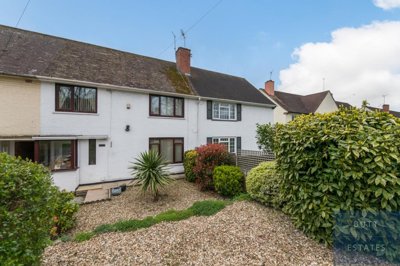
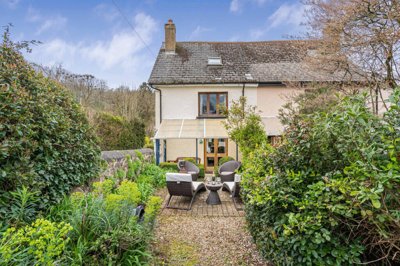
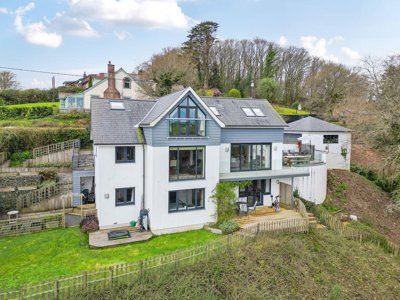
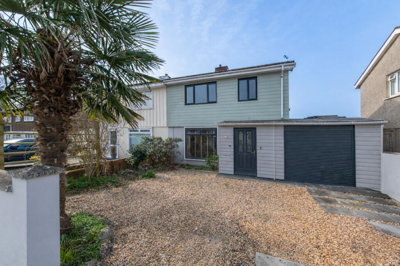
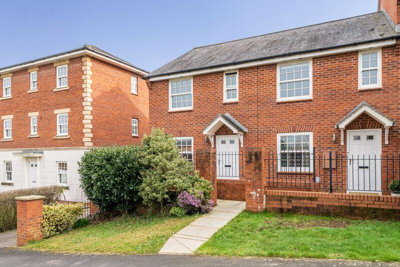
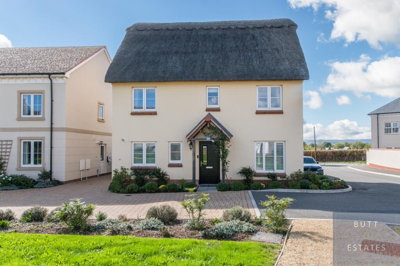
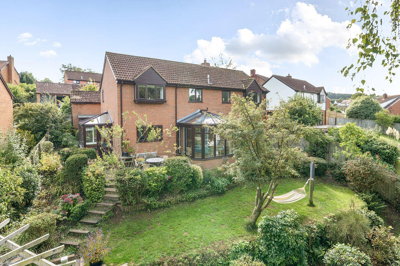
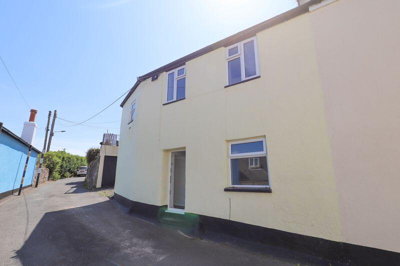
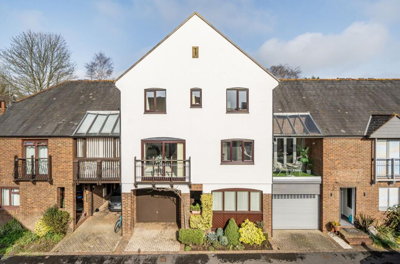
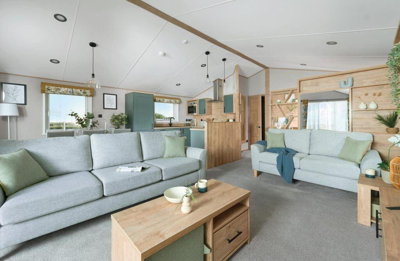
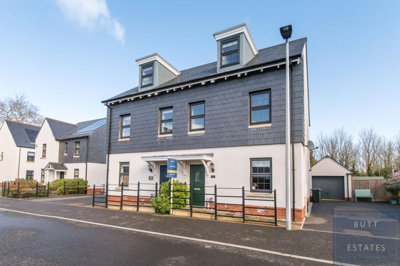
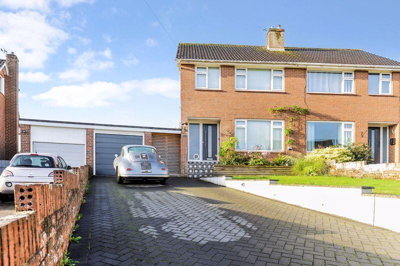
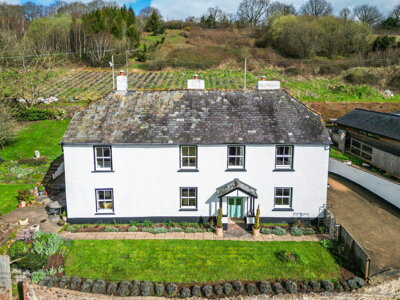
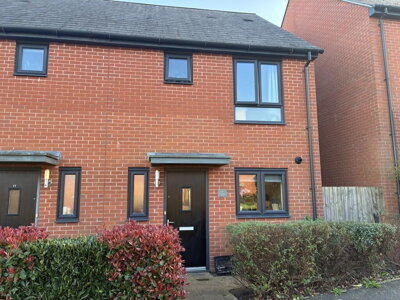
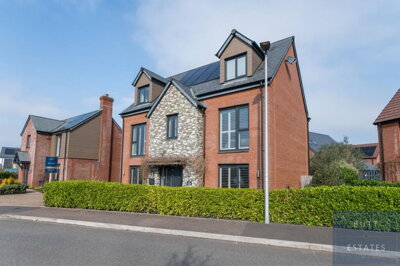
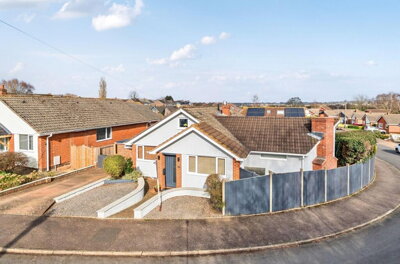
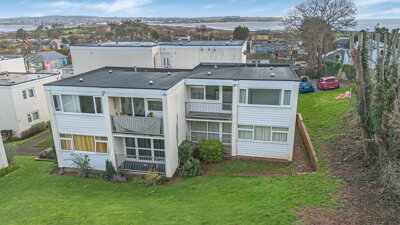
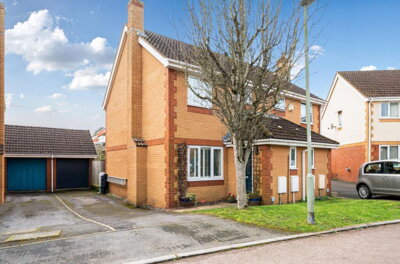
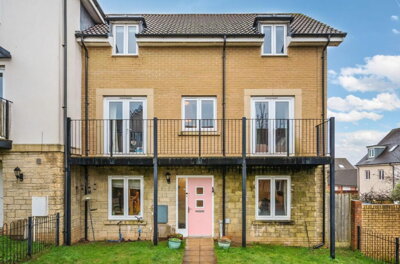
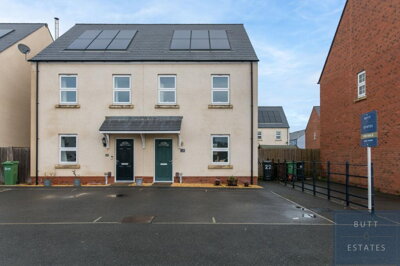
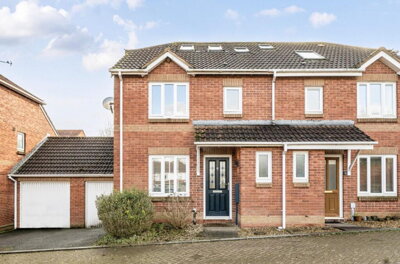
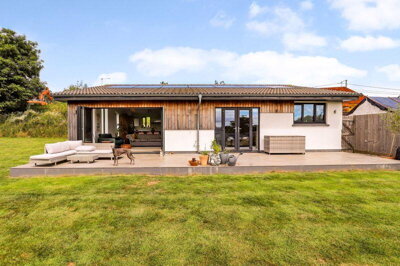
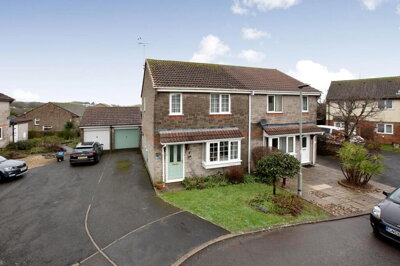
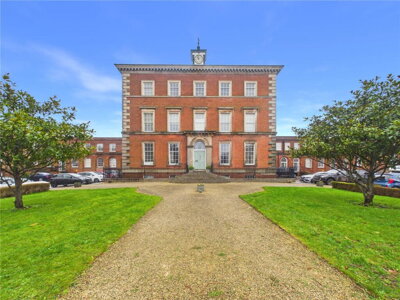
Browse 930 homes for sale in EX6 from local estate agents.
£375k
205
12
119
Source: home.co.uk
Source: home.co.uk
Detached
71 listings
Avg £712,802
Semi-Detached
25 listings
Avg £362,256
Park Home
17 listings
Avg £182,882
End of Terrace
15 listings
Avg £330,297
Terraced
15 listings
Avg £295,593
Bungalow
13 listings
Avg £531,538
Apartment
7 listings
Avg £248,571
Detached Bungalow
6 listings
Avg £677,500
Mobile Home
6 listings
Avg £101,083
House
5 listings
Avg £1.26M
Source: home.co.uk
Source: home.co.uk
The EX6 property market presents a diverse range of housing options to suit varying budgets and preferences. Detached properties command the highest prices, with the current average sitting at £608,988, reflecting the premium placed on space and privacy in this coastal location. Semi-detached homes, which form a significant portion of the local housing stock, average £369,679, offering excellent value for families seeking more room than a terraced property provides while remaining more affordable than detached alternatives.
Recent transaction data shows 365 property sales completed in the EX6 postcode over the past twelve months, indicating a healthy level of market activity. Price growth has been steady across all property types, with detached homes leading the increase at 2.80%, followed by semi-detached at 1.94%, terraced at 1.83%, and flats at 1.63%. This balanced growth suggests a mature market with sustainable demand rather than speculative activity. First-time buyers may find the flat market particularly accessible, with average prices around £200,985, though competition for the best seafront locations remains strong.
The local housing stock spans multiple eras of construction, from Victorian and Edwardian terraces along the seafronts to inter-war semi-detached properties on established residential roads. Post-war development added considerable stock between 1945 and 1980, particularly on the outskirts of the main towns, while more recent construction has filled available sites with contemporary homes. This variety means buyers can find properties to suit different tastes and budgets, though older properties particularly benefit from a thorough survey before purchase.

The EX6 postcode area encompasses two distinctive coastal towns that together create a varied and engaging place to call home. Dawlish, perhaps best known for its iconic black swans and the dramatic coastal railway line that runs along its seafront, offers a traditional British seaside atmosphere with independent shops, cafes, and the beautiful Dawlish Warren nature reserve nearby. Teignmouth, situated at the mouth of the River Teign, provides a slightly larger town feel with a Victorian pier, maritime heritage, and the striking Den Crescent amphitheatre overlooking the estuary. Both towns share a strong sense of community, regular farmers markets, and numerous cultural events throughout the year that bring residents together.
The local economy of EX6 is shaped significantly by tourism, which supports a vibrant hospitality and retail sector across both towns. Healthcare facilities, including local hospitals and care homes, provide stable employment, while the proximity to Exeter means many residents commute for work in professional services, education, and government roles. The area has become increasingly popular with retirees, drawn by the mild climate, excellent healthcare access, and the quality of life offered by coastal living. This demographic mix creates a balanced community with facilities and services catering to all age groups, from family-friendly activities to specialized support for older residents.
The River Teign itself shapes much of the local geography, with the river estuary creating a natural boundary and scenic backdrop for Teignmouth. The surrounding countryside includes rolling hills and farmland typical of South Devon, with the Haldon Hills providing elevated ground to the north of the area. This varied topography contributes to the distinctive character of different neighbourhoods within EX6, from the flat coastal plain near the seafront to the more undulating terrain inland.

Families considering a move to EX6 will find a good selection of educational establishments serving the area. Both Dawlish and Teignmouth have their own primary schools, with several rated Good or Outstanding by Ofsted, providing strong foundations for younger children. Primary schools in the area include Dawlish Primary School and Oaklands Park Primary School in Dawlish, along with Teignmouth Community School at the primary level. These schools generally serve their local communities with manageable class sizes and strong pastoral care, reflecting the family-oriented nature of these towns.
Secondary education in the area is served primarily by Teignmouth Community School, a larger secondary establishment that also accommodates primary pupils on a split campus. For families seeking grammar school education, the nearby city of Exeter offers several grammar schools accessible via good transport links from EX6. Post-16 options include sixth forms at Teignmouth Community School and Exeter College, the latter providing a broader range of vocational and academic courses. Parents should always verify current catchment areas and admission policies with Devon County Council, as these can change and may influence which schools serve specific properties.
Beyond formal education, the EX6 area offers various extracurricular opportunities through local sports clubs, arts groups, and community centres. The coastal setting provides natural opportunities for sailing, watersports, and beach activities, while inland areas support walking, cycling, and wildlife observation. These amenities contribute to the quality of life that makes the area attractive to families with children of all ages.

The EX6 area enjoys excellent transport connections that make commuting to Exeter and beyond highly practical for many residents. Dawlish railway station provides regular services to Exeter St Davids, typically taking around 25-30 minutes, with onward connections to Plymouth, Bristol, and London Paddington. Teignmouth station, situated on the same line, offers similar access with slightly different service patterns. The scenic coastal railway route through Dawlish is famous for its dramatic sea views and represents a vital artery connecting South Devon to the national rail network.
Road connectivity is equally strong, with the A379 providing direct access to Exeter and connecting to the M5 motorway at Exeter. The journey to central Exeter by car typically takes 25-35 minutes depending on traffic conditions. Local bus services operated by Stagecoach and other providers connect the towns within EX6 and provide links to surrounding villages and Exeter city centre. For air travel, Exeter Airport is approximately 30 minutes away by car, offering domestic flights and European destinations. Cyclists will appreciate the coastal paths and country lanes, though the hilly terrain in places requires some fitness for longer routes.
For those working in Exeter but preferring coastal living, the commute from EX6 represents an attractive balance. The train service in particular provides a practical alternative to driving, allowing commuters to work during their journey or simply avoid the stress of daily driving. The A379 route is generally well-maintained, though those familiar with the area note that summer traffic can increase significantly due to tourism.

Before viewing properties, obtain a mortgage agreement in principle from a lender to understand your budget and demonstrate your seriousness to sellers. Given the average property price of £437,137 in EX6, most buyers will need a substantial mortgage, and having your finances confirmed upfront streamlines the purchasing process considerably.
Explore different areas within EX6, from Dawlish seafront properties to Teignmouth townhouses, to find the community and property type that best suits your needs. Consider factors like proximity to schools if you have children, distance from the railway station if you commute, and exposure to coastal weather if you prefer quieter residential streets away from the seafront.
Book viewings through Homemove, attend with a checklist of priorities, and take time to explore each neighbourhood at different times of day. Evening and weekend visits help you understand noise levels, traffic patterns, and the general atmosphere of each area before committing to a purchase.
Commission a homebuyer report from a qualified RICS surveyor to identify any structural issues, particularly important given the age of many properties in EX6. Our inspectors frequently encounter damp, roof defects, and timber issues in Victorian and Edwardian properties across Dawlish and Teignmouth, making a professional survey essential before completion.
Choose a solicitor experienced in Devon property transactions to handle legal searches, contracts, and registration of your ownership. Local knowledge helps navigate specific issues like flood risk searches and conservation area requirements that commonly affect EX6 properties.
Once searches are satisfactory and finances are confirmed, exchange contracts with the seller and arrange for completion and key collection on your moving day. Your solicitor will coordinate the final steps, including registration at HM Land Registry and notification to your buildings insurance provider.
Understanding the construction methods used in local properties helps buyers appreciate why surveys are particularly valuable in this area. The geology of EX6, characterised by Permian red sandstones and breccias around Dawlish and Teignmouth, has directly influenced building materials used historically. Local red sandstone features prominently in older buildings, often visible in boundary walls, outbuildings, and occasionally in the construction of main walls alongside traditional brick. Many Victorian and Edwardian properties in the seafront areas were built using local materials, creating a distinctive character that buyers often find attractive.
Traditional brick construction, frequently in red brick, dominates the older residential streets of both towns. Solid brick walls, often double-leaf construction, characterise properties built before the 1930s, while cavity wall construction became standard from the 1930s onwards. Render finishes appear throughout the area, both as original finishes on brick properties and as weatherproof coatings on older sandstone constructions. Painted render and pebble dash finishes are also encountered, particularly on properties that have been renovated or where original finishes have been replaced over time.
Timber construction features in roof structures throughout the area, with traditional cut roofs using rafters, purlins, and ceiling joists common in older properties. Slate and clay tile coverings are prevalent, with Welsh slate frequently used on Victorian and Edwardian buildings. The coastal climate, with its exposure to salt-laden winds and driving rain, accelerates wear on external finishes, roofing materials, and guttering systems. We check all these elements carefully during surveys, as maintenance requirements can significantly affect ongoing ownership costs.
Our inspectors regularly identify several recurring issues when surveying properties across Dawlish and Teignmouth. Damp problems feature prominently, including rising damp in properties without original damp-proof courses, penetrating damp caused by wind-driven rain exposure on coastal properties, and condensation issues in properties with inadequate ventilation. The salt air that makes coastal living so appealing also accelerates the deterioration of external renders, brickwork, and metal components, meaning regular maintenance is essential for property preservation.
Timber defects represent another common finding in our surveys across the EX6 area. Wet and dry rot can affect timber floor joists, roof structures, and window frames, particularly where damp issues have gone unaddressed. Woodworm infestation, while less common than in some other regions, still occurs in older properties withtimber elements. Properties built before the year 2000 may contain asbestos-containing materials in areas like pipe insulation, textured coatings, or floor tiles, which our inspectors will flag if suspected during the survey.
Structural movement, ranging from minor settlement cracks to more significant foundation issues, requires careful assessment in this area. The shrink-swell risk associated with clay soils, particularly where mudstone bedrock lies close to the surface, can affect properties across EX6. Properties very close to the coastline may additionally be affected by coastal erosion, which can undermine foundations over time. We examine all signs of movement carefully, measuring and monitoring crack patterns where necessary to determine whether repairs are cosmetic or indicative of more serious structural concerns.
Flood risk is a genuine consideration for property buyers in the EX6 area, and we always recommend checking specific flood risk data for individual properties. Areas adjacent to the River Teign, particularly low-lying parts of Teignmouth near the estuary, face fluvial flooding risk during periods of high rainfall and river flows. Coastal areas of both Dawlish and Teignmouth are susceptible to tidal flooding and storm surge events, with the combination of high tides and severe weather occasionally leading to coastal flooding.
Surface water flooding presents a risk across the area, especially in urbanised zones where drainage systems can be overwhelmed during heavy rainfall. Properties in valleys or lower-lying urban areas may be particularly susceptible to surface water accumulation. The Environment Agency provides detailed flood risk maps that identify specific risk levels for individual properties, and we recommend all buyers consult these resources before committing to a purchase. Properties with flood history may have higher insurance costs or require specific resilience measures.
Devon is identified as a radon affected area, meaning a proportion of homes in EX6 are above the action level for radon gas. This colourless, odourless gas occurs naturally in some geological formations and can accumulate in properties with basements or limited ventilation. While radon levels in most properties remain below concerning thresholds, testing is available and relatively straightforward. Our surveyors will note if a property lacks radon protection measures and can advise on appropriate testing if concerns arise.
Properties in the EX6 area require careful inspection due to several local factors that buyers should understand before committing to a purchase. The coastal location means that many properties, particularly those near the seafront, are exposed to salt air and coastal weather that can accelerate wear on external finishes, roofing materials, and guttering. Older Victorian and Edwardian properties, which make up a significant proportion of the local housing stock, often feature traditional construction methods including solid brick walls, original timbers, and period details that require specialist knowledge to assess properly.
Flood risk is a genuine consideration in EX6, with properties near the River Teign, coastal areas of Dawlish and Teignmouth, and lower-lying urban zones facing varying degrees of risk from fluvial, tidal, and surface water flooding. The Environment Agency provides detailed flood risk maps that buyers should consult for specific properties. Properties in conservation areas, which include significant portions of both town centres and seafronts, may have planning restrictions on alterations, extensions, or changes that affect your plans. Listed buildings throughout the area require listed building consent for many works and may need specialist surveys to assess the condition of historic fabric and features.
Both Dawlish and Teignmouth have designated Conservation Areas covering their historic cores, reflecting the architectural heritage of these coastal towns. The concentration of listed buildings includes historic homes, churches, and public buildings particularly in older parts of both towns. If you are considering a listed property or one within a conservation area, be aware that planning restrictions may limit your ability to make alterations, and specialist surveys may be advisable to assess the condition of historic fabric. We can recommend heritage surveyors with expertise in traditional building methods and conservation principles if required.

The current average house price in EX6 is £437,137, based on data from February 2026. Detached properties average £608,988, semi-detached homes £369,679, terraced houses £300,432, and flats around £200,985. Prices have increased by 2.22% over the past twelve months, indicating a stable and growing market. Your actual purchase price will depend on the specific property, its condition, location within EX6, and current market dynamics at the time of your purchase. The seafront locations in both Dawlish and Teignmouth typically command premiums over comparable properties in quieter residential streets further from the coast.
Properties in EX6 fall under Teignbridge District Council, which sets council tax bands from A through H based on property valuation. Most terraced properties and smaller flats typically fall into bands A to C, while larger detached homes may be in bands E to H. You can check the specific band for any property through the Valuation Office Agency website, and current rates for Teignbridge can be found on their official website. Band D properties in Teignbridge typically pay around £1,800-£2,000 annually, though this varies by band. The coastal towns of Dawlish and Teignmouth have maintained relatively stable council tax rates despite ongoing pressures on local authority budgets.
The EX6 area offers good primary education with schools including Dawlish Primary School and local primaries in Teignmouth, many of which are rated Good by Ofsted. Secondary education is primarily served by Teignmouth Community School, which provides education from primary through to secondary level. For grammar school access, students can travel to Exeter where several grammar schools are available. Parents should verify current Ofsted ratings and admission catchment areas with Devon County Council, as these can directly affect which school your child would attend from a given address. The proximity to Exeter also opens opportunities for families to access the wider range of educational options available in the city.
EX6 has excellent public transport links, with Dawlish and Teignmouth railway stations providing regular services to Exeter St Davids in approximately 25-30 minutes. From Exeter, you can connect to national destinations including London Paddington, Plymouth, Bristol, and Birmingham. Local bus services operated by Stagecoach connect the coastal towns, surrounding villages, and provide services into Exeter. The nearest major airport is Exeter Airport, around 30 minutes away by car, offering domestic and European flights. This connectivity makes EX6 practical for commuters while maintaining its peaceful coastal setting.
The EX6 property market has demonstrated consistent performance with 2.22% annual price growth and 365 transactions in the past year, suggesting healthy demand. The area benefits from its coastal appeal attracting both retirees and young families, strong transport links to Exeter, and a tourism sector that supports holiday let investment opportunities. Properties in conservation areas or with seafront locations tend to hold their value well, though buyers should consider potential flood risk in certain areas and the maintenance requirements of older properties. As with any investment, conducting thorough research on specific locations and property types within EX6 is essential before committing.
For standard purchases, stamp duty rates in 2024-25 are 0% on the first £250,000, 5% on £250,001 to £925,000, 10% on £925,001 to £1.5 million, and 12% on amounts exceeding £1.5 million. First-time buyers benefit from relief on the first £425,000 (0% rate), with 5% applying between £425,001 and £625,000. Given the average EX6 price of £437,137, a standard buyer purchasing at this price would pay approximately £9,357 in stamp duty, while a first-time buyer would pay around £600. Scotland and Wales have separate land transaction tax regimes. Always verify current thresholds with HMRC or a financial adviser, as these can change with each budget.
Surveying properties in EX6 is particularly important given the age of much of the local housing stock and the coastal environment. Our inspectors frequently identify damp issues in Victorian and Edwardian properties, roof defects from exposure to coastal weather, and timber problems that may not be visible during viewings. The local geology, including areas with clay soils that can cause subsidence, means foundation assessment is valuable for older properties. A RICS Level 2 Survey provides an objective assessment of condition that can save you from costly surprises after purchase and may provide useful negotiating leverage based on identified defects.
Both Dawlish and Teignmouth have designated Conservation Areas that cover significant portions of their historic town centres and seafronts. Properties within these areas are subject to planning restrictions that control external alterations, extensions, and even some maintenance works. Listed buildings, which include numerous historic homes and public buildings throughout the EX6 area, require Listed Building Consent for many works that would not require permission on unlisted properties. If you are considering a property in a conservation area or a listed building, factor in the additional requirements and potential costs of specialist surveys and consents when planning your purchase.
Beyond the property price, buyers in EX6 should budget for several additional costs that form part of the total purchase price. Stamp Duty Land Tax applies to all residential purchases above £250,000 for standard buyers, with the average EX6 property price of £437,137 placing most purchases in the 5% bracket on the amount above £250,000. This means a typical stamp duty bill of around £9,357, though first-time buyers purchasing under £625,000 would pay significantly less due to relief on the first £425,000. Always verify your exact liability with HMRC based on your personal circumstances, as previous property ownership, your residency status, and the property use can all affect your liability.
Survey costs represent another important budget item, particularly given the age and coastal exposure of many EX6 properties. RICS Level 2 Surveys in the EX6 area typically cost between £400 and £800 depending on property size and complexity. Flats generally start from £400-£550, terraced houses £450-£650, semi-detached properties £500-£700, and larger detached homes £600-£800 or more. While these costs may seem significant, the survey often identifies issues that could save you money on future repairs or provide negotiating leverage with the seller. Legal fees for conveyancing typically start from £499-£999 for standard transactions, plus disbursements for local searches, land registry fees, and bank transfer charges. Factor in moving costs, buildings insurance from completion date, and potential renovation or furnishing budgets when planning your overall expenditure.

Properties for Sale In London

Properties for Sale In Plymouth

Properties for Sale In Liverpool

Properties for Sale In Glasgow

Properties for Sale In Sheffield

Properties for Sale In Edinburgh

Properties for Sale In Coventry

Properties for Sale In Bradford

Properties for Sale In Manchester

Properties for Sale In Birmingham

Properties for Sale In Bristol

Properties for Sale In Oxford

Properties for Sale In Leicester

Properties for Sale In Newcastle

Properties for Sale In Leeds

Properties for Sale In Southampton

Properties for Sale In Cardiff

Properties for Sale In Nottingham

Properties for Sale In Norwich

Properties for Sale In Brighton

Properties for Sale In Derby

Properties for Sale In Portsmouth

Properties for Sale In Northampton

Properties for Sale In Milton Keynes

Properties for Sale In Bournemouth

Properties for Sale In Bolton

Properties for Sale In Swansea

Properties for Sale In Swindon

Properties for Sale In Peterborough

Properties for Sale In Wolverhampton

Enter your details to see if this property is within your budget.
Loans, cards, car finance
Estimated property budget
Borrowing + deposit
You could borrow between
Typical borrowing
Monthly repayment
Est. at 4.5%
Loan-to-value
This is an estimate only. Your actual budget may vary depending on interest rates, credit history, and personal circumstances. For an accurate affordability assessment, speak to one of our free mortgage advisors.
This calculator provides estimates for illustrative purposes only and does not constitute financial advice. Your home may be repossessed if you do not keep up repayments on your mortgage. Estimates based on 4.5% interest rate, repayment mortgage. Actual rates depend on your circumstances.
Homemove is a trading name of HM Haus Group Ltd (Company No. 13873779, registered in England & Wales). Homemove Mortgages Ltd (Company No. 15947693) is an Appointed Representative of TMG Direct Limited, trading as TMG Mortgage Network, which is authorised and regulated by the Financial Conduct Authority (FRN 786245). Homemove Mortgages Ltd is entered on the FCA Register as an Appointed Representative (FRN 1022429). You can check registrations at NewRegister or by calling 0800 111 6768.

We use cookies to show you personalised content and improve your experience of our website. Find out more in our Privacy policy and Cookie policy.