Powered by Home

Properties For Sale in EX35

Browse 30 homes for sale in EX35 from local estate agents.

30 listings EX35 Updated daily

EX35 Market Snapshot

Median Price

£388k

Total Listings

26

New This Week

1

Avg Days Listed

230

Source: home.co.uk

Price Distribution in EX35

Under £100k
2
£100k-£200k
3
£200k-£300k
2
£300k-£500k
10
£500k-£750k
7
£750k-£1M
1
£1M+
1

Source: home.co.uk

Property Types in EX35

36%
16%
12%

Detached

9 listings

Avg £511,111

Apartment

4 listings

Avg £293,738

Terraced

3 listings

Avg £293,333

Bungalow

2 listings

Avg £467,500

Caravan

2 listings

Avg £28,995

Cottage

1 listings

Avg £300,000

Maisonette

1 listings

Avg £170,000

Manor House

1 listings

Avg £695,000

Semi-Detached

1 listings

Avg £325,000

detached

1 listings

Avg £2.50M

Source: home.co.uk

Bedrooms Available in EX35

1 bed 1
£129,950
2 beds 8
£248,499
3 beds 11
£404,545
5 beds 2
£647,500
7 beds 1
£375,000
9 beds 2
£772,500

Source: home.co.uk

The Property Market in Lynton and Lynmouth

Prices in EX35 have moved sharply over the past year. Overall house prices are down 12.8%, and sit 28% below the previous year, but that has not put buyers off this stretch of the North Devon coast. We are still seeing interest from people who want character homes in one of Britain’s most scenic coastal settings. The figures we hold show 644 properties listed on home.co.uk and 58 confirmed transactions over the last 24 months, so the market is quieter on price, not dormant.

There is a broad mix of property in EX35, although it leans heavily towards older homes. Detached houses average £421,429 on home.co.uk listings data, while homedata.co.uk records £583,000 for higher-end detached homes. Semi-detached properties are usually a lower-cost route in, at around £195,000. Terraced homes sit between £240,625 and £265,500, depending on which data source is being used.

For buyers looking at flats and apartments in Lynton and Lynmouth, average prices range from £220,643 to £242,786. There are no verified new-build developments in the immediate postcode area, so most purchases involve period homes built in traditional ways, often with solid stone walls and slate roofs. That is part of the appeal here, but it also means buyers need to think carefully about upkeep, damp management and repair costs before getting carried away by the view.

Homes for sale in Ex35

Living in Lynton and Lynmouth

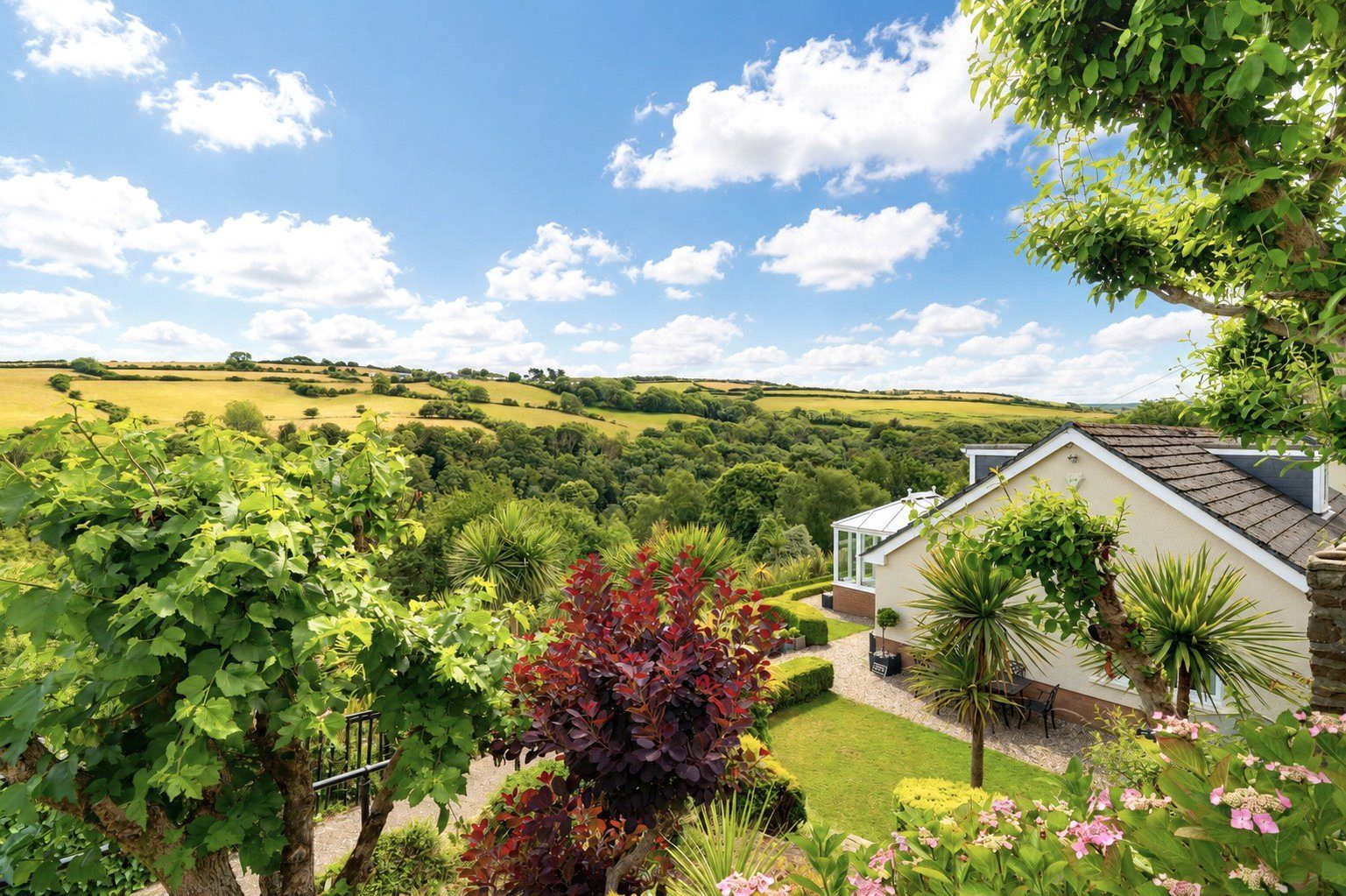
Lynton and Lynmouth work almost as a double act, with the Exmoor hills dropping steeply towards the Bristol Channel. The East Lyn and West Lyn rivers cut through deep valleys, giving the area its dramatic shape and much of its appeal. Coastal walks start from both villages, and the Lynton and Lynmouth Cliff Railway remains one of the best-known links between the two settlements.

Tourism is a major part of local life. Walkers, wildlife watchers and coastal visitors bring steady trade through much of the year, supporting pubs, cafés, shops and attractions that would be unusual in a village of this size. For full-time residents, that means a better range of day-to-day amenities than might be expected in such a rural location, along with community events that keep the villages busy outside the main holiday weeks.

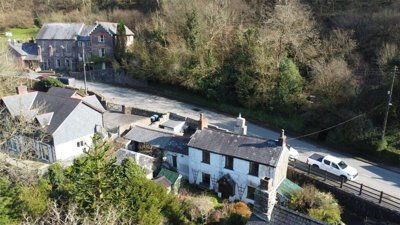
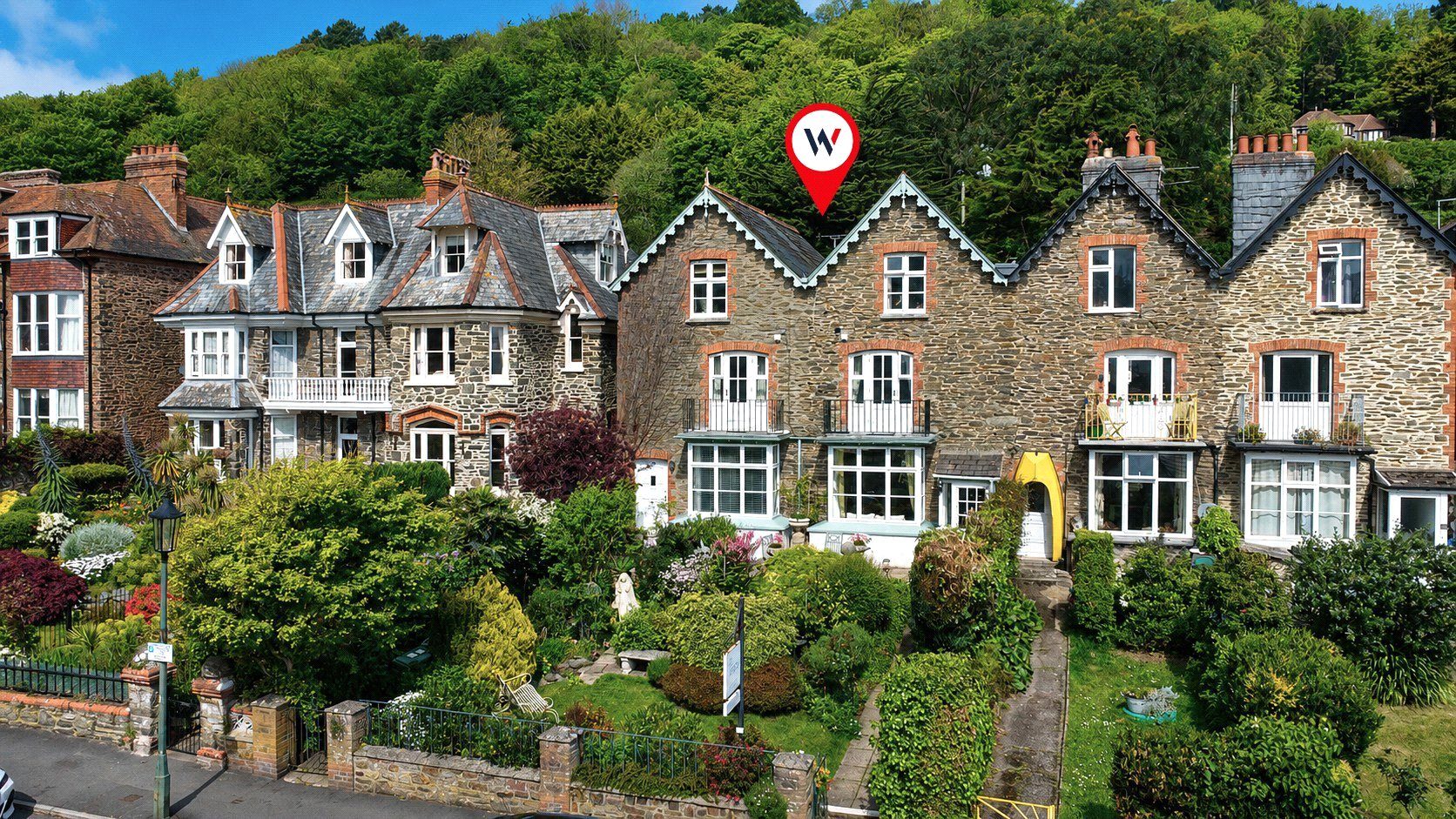
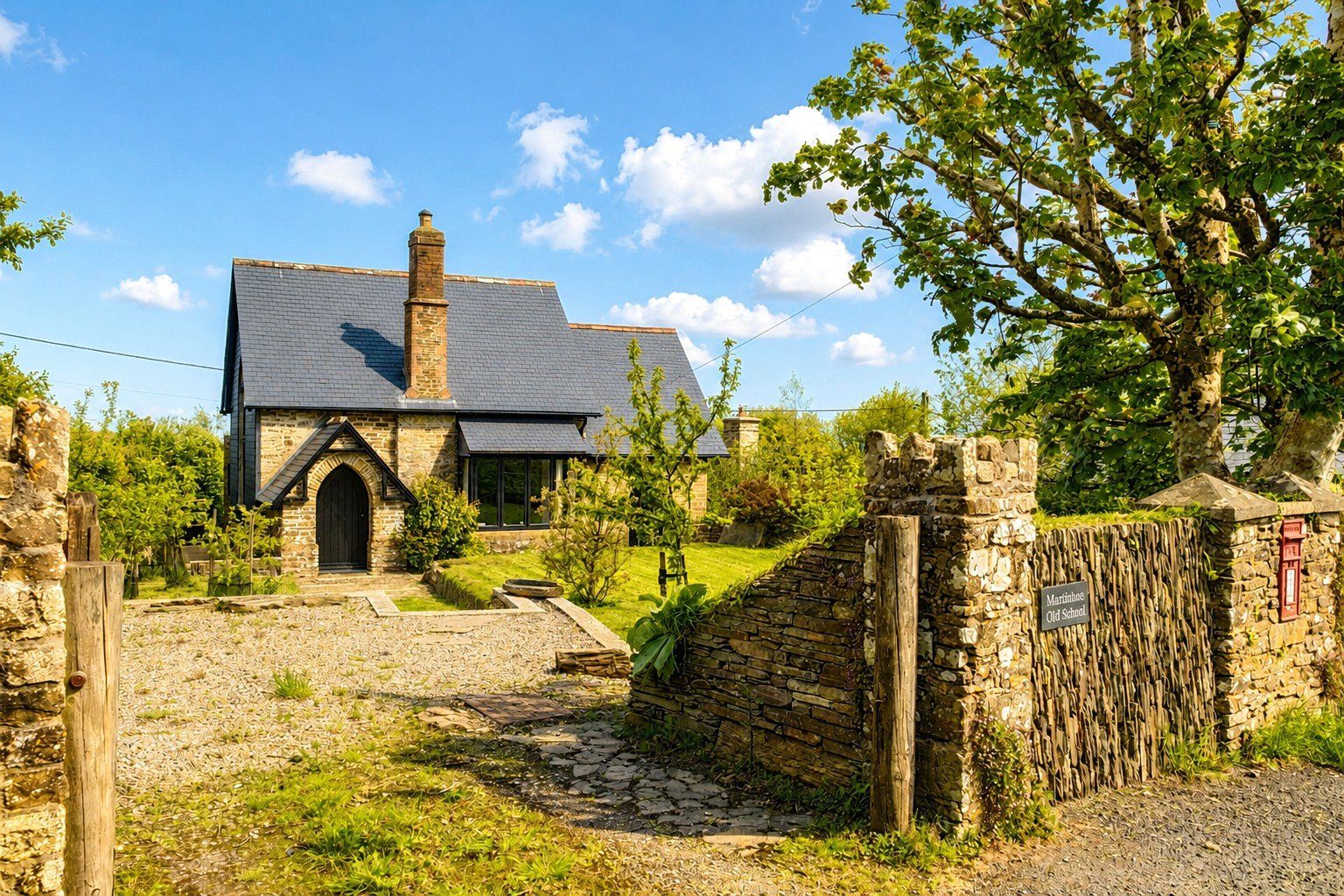
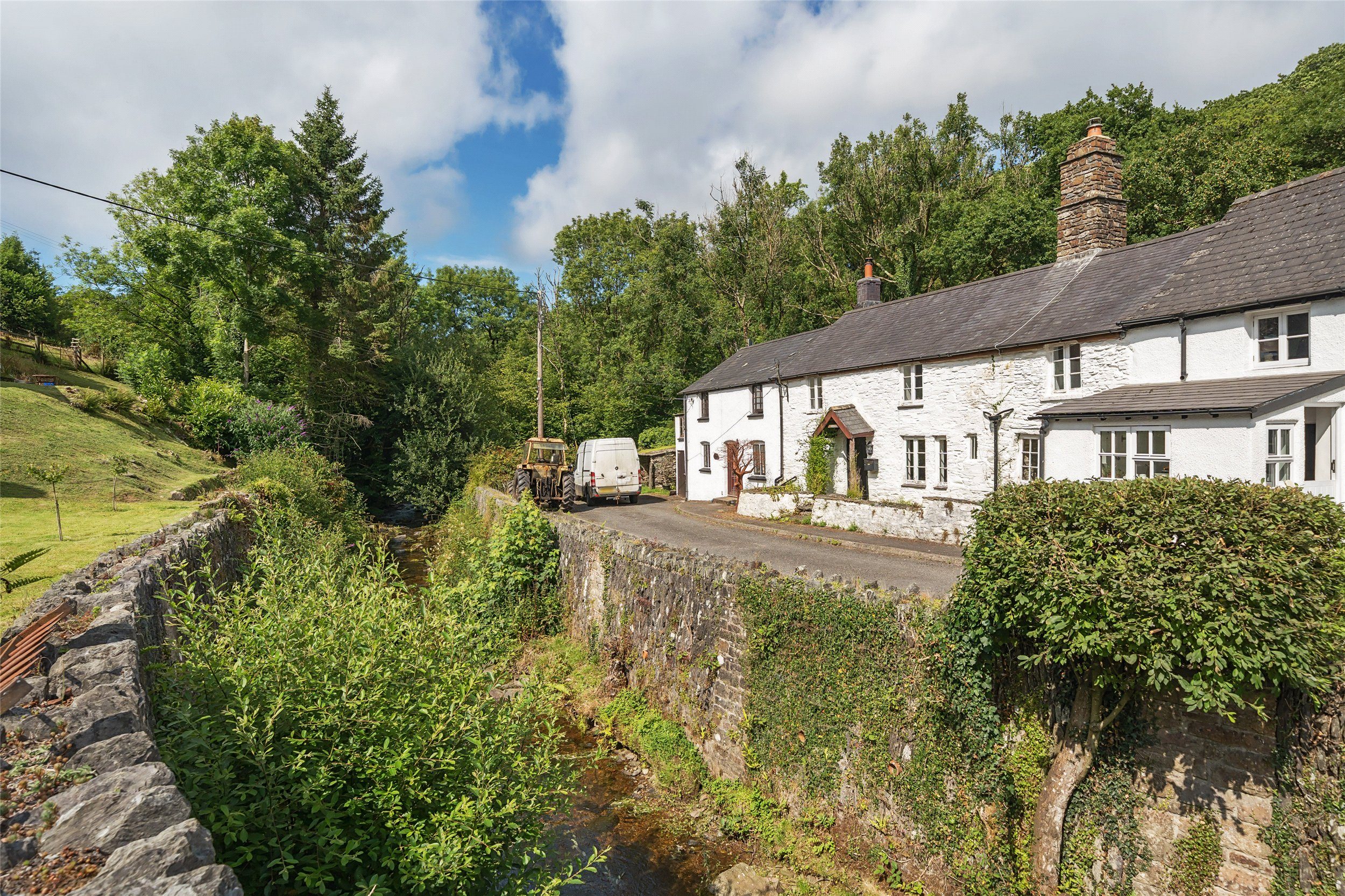
EX35 tends to draw retirees, remote workers and families who want distance from larger towns without losing a strong sense of place. The housing stock is a large part of that identity: Victorian terraces, Edwardian detached houses and stone cottages from the 1860s all appear across the postcode. Many homes have stone elevations under slate roofs, a practical local style shaped by the geology and by the weather on this exposed coast.

Not every business in the area depends directly on visitors, although tourism is hard to separate from the local economy. Shops, trades and small service firms support both residents and holiday traffic. Being close to Exmoor National Park also matters, because planning controls are there to protect the landscape. Those limits have shaped past development and help explain why supply in the EX35 housing market is relatively constrained.

Find properties for sale in Ex35

Schools and Education in EX35

Families moving to EX35 usually start by looking at Lynton Primary School. It serves the village and nearby rural communities, providing foundation and primary education on a small scale. Class sizes reflect the size of the local population, and parents often value the individual attention and pastoral care that can come with a smaller rural school.

Secondary schooling usually means travelling out of the immediate area. Barnstaple and Ilfracombe are the main places families tend to consider, reached by coastal roads that are scenic but not quick. Schools across the wider Exmoor and North Devon area take pupils from a broad rural catchment, so admissions criteria, transport routes and catchment details need checking before a family commits to a move.

For buyers with school-age children, the lack of local secondary provision is one of the practical issues to weigh up early. Daily journeys of up to 45 minutes each way are not unusual for pupils travelling outside EX35, and bus arrangements should be checked rather than assumed. Some families move while children are still young and plan ahead for secondary school elsewhere, while others are comfortable building the travel time into normal family life.

School choice here needs a little legwork. Parents should review individual performance data, Ofsted ratings and curriculum details, then visit schools where possible. Because Lynton and Lynmouth are close-knit communities, estate agents, local forums and existing families can often give useful detail on admissions, buses and after-school activities. That local knowledge is worth gathering before offering on a property in EX35.

Property search in Ex35

Transport and Commuting from EX35

Transport from Lynton and Lynmouth is rural rather than urban, but the main routes are workable. The A39 links the villages west towards Barnstaple and east towards Minehead, passing through some of Exmoor’s most striking coastal and moorland scenery. In normal traffic, Barnstaple, the principal town of North Devon, is about 45 minutes away by car.

Buses run along the coastal route, linking Lynton and Lynmouth with nearby villages and towns. They are important for residents without cars, although the frequency is limited compared with town or city services. The nearest railway stations are at Barnstaple and, further away, Tiverton Parkway on the main line to London Paddington. Barnstaple connects with Exeter and the wider rail network, while Tiverton Parkway gives faster access to London and the South East.

Regular city commuting from EX35 takes planning. Exeter is approximately 90 minutes away by car, which will suit some flexible workers better than traditional daily commuters. Exeter Airport provides domestic and international flights, and Plymouth has ferry routes to France and Spain. The upside is that ordinary journeys are rarely dull, especially the coastal road between Lynton and Watchet, often named among Britain’s most beautiful drives.

Remote working has changed the calculation for places such as EX35. A buyer no longer has to be within daily reach of a city office to make a move to Lynton or Lynmouth realistic. Broadband has been improving across the Exmoor area, but speeds vary by property, so we always advise checking the exact address before purchase. For many professionals, the mix of landscape, village life and better connectivity is now the main draw.

Buy property in Ex35

How to Buy a Home in Lynton and Lynmouth

1

Research the Area

Spend proper time in EX35 before buying. Flood risk matters because of the coastal and riverside setting, Exmoor National Park planning controls can affect what owners are allowed to change, and many houses are period properties with stone construction and slate roofing. Where the Exmoor hills meet the Bristol Channel, river flooding and coastal erosion are not abstract risks. They need to be understood property by property.

2

Get Mortgage Agreement in Principle

Before booking viewings, it is sensible to get a mortgage agreement in principle. Estate agents and sellers will want to know that you can proceed, and it gives you a clearer budget in an EX35 market where detached homes average £421,429 and terraced homes are around £240,625. Some lenders also have products that suit period or non-standard properties, which is useful in an area where older stone construction is so common.

3

View Properties and Arrange Surveys

Once you have shortlisted homes, viewings can be arranged through our platform. With the older housing typical of EX35, we strongly recommend a RICS Level 2 Survey before exchange. Victorian and earlier properties can hide damp, tired electrics or roof problems behind attractive interiors. Our surveyors often find solid wall construction without cavity insulation, slate roofs needing repair, and timber affected by wet rot or woodworm.

4

Instruct a Solicitor

A conveyancing solicitor will deal with the legal work on the purchase. Local searches should check flood risk, conservation area restrictions and any planning conditions attached to the property. Because EX35 sits within Exmoor National Park, extra planning points may come up. Homes close to the East Lyn or West Lyn rivers may also need particular drainage and flood resilience information during conveyancing.

5

Exchange Contracts and Complete

After searches are clear and the mortgage is in place, the solicitor arranges exchange of contracts and agrees a completion date. On completion day, the balance of the money is sent and the keys to the EX35 property are released. If the home is listed, or sits in a conservation area, buyers should allow more time for specialist paperwork or requirements that can arise during the process.

Common Defects in Lynton and Lynmouth Properties

Much of EX35 is made up of older housing, including Victorian, Edwardian and 1860s stone cottages. That brings character, but also the sort of defects buyers should know about before they commit. Our surveyors regularly see damp in EX35 homes, from rising damp in solid stone walls to penetrating damp through worn pointing. Condensation can also be a problem where solid wall construction has none of the cavity insulation used in modern buildings.

Roofs deserve close attention in Lynton and Lynmouth. Traditional slate is common across the area, and slipped or broken slates often appear after harsh weather on the exposed Exmoor coastline. During inspections, our team checks flashings, valleys and roof coverings carefully. If those elements have deteriorated, water can get in and lead to structural damage or timber decay over time.

Timber problems are another recurring issue in older EX35 properties. Coastal exposure and age can leave structural timbers, floor joists and window frames vulnerable to wet rot and dry rot, while woodworm may be present in older timber elements. These defects are easy to miss during a normal viewing. A RICS Level 2 Survey gives our surveyors the chance to identify signs of deterioration and advise when a specialist timber inspection is needed.

Electrical and plumbing systems in period homes are often behind modern standards. Properties built before the 1960s may still have rubber or fabric-insulated wiring, which can be unsafe and may cause problems with home insurance. Older cottages can also contain lead or iron plumbing, with a higher risk of leaks and poor pressure. In EX35, likely upgrade costs should sit alongside the offer price, and our surveyors will flag visible concerns with electrics or plumbing during inspection.

What to Look for When Buying in EX35

EX35 has several property risks that should be checked before a purchase goes too far. Flooding is one of the main ones, particularly for homes along the West Lyn River and East Lyn River corridors. Buyers should ask for flood history, review Environment Agency flood risk maps and check whether any flood resilience measures are in place. Low-lying properties near the rivers need careful thought, and buildings insurance should be confirmed before proceeding.

The period housing in EX35 is appealing, but it can be demanding. Victorian, Edwardian and 1860s stone cottages often have solid walls rather than cavity wall insulation, which can mean heat loss and higher energy bills. Older stone homes may also have ageing electrics, period plumbing and roofs that need steady maintenance. Improvements such as internal wall insulation or secondary glazing may be worth planning for at the same time as the purchase budget.

Before making an offer, buyers should check whether the property is listed or sits within a conservation area. EX35 includes Grade II listed residences, and that can limit alterations, extensions and external changes. These protections help preserve the historic character of the area, but they also create responsibilities for owners. A specialist survey may be sensible for listed properties, especially where future renovation work is being considered.

Cliff-edge properties around Lynton and Lynmouth also raise the question of coastal erosion. The immediate coastline is stable, but buyers should still look into any recorded cliff movement or coastal defence works near the property they want. Sea views can also mean greater exposure, and some insurers price that risk into premiums. It is a cost worth adding to the affordability calculation, not discovering later.

Frequently Asked Questions About Buying in EX35

What is the average house price in EX35?

The average house price in EX35 over the last 12 months was £297,474, according to property market data. That is a clear drop from the 2023 peak of £406,082, with prices now 28% down on the previous year and 12.8% lower than 12 months ago. Detached homes average around £421,429, semi-detached homes about £195,000, terraced properties between £240,625 and £265,500, and flats around £220,643 to £242,786, depending on the source. For buyers who want a period home in a coastal setting, the current market may offer more room for negotiation than before.

What council tax band are properties in EX35?

Lynton and Lynmouth come under North Devon Council. Council tax bands reflect the varied housing stock, with smaller flats and terraced cottages usually in bands A through C, and larger detached or period homes more likely to sit in bands D through F. Many Victorian and Edwardian properties in EX35 fall into the middle bands because of their age, character and location. Buyers can check the exact band on the North Devon Council website, through the listing details, or as part of conveyancing enquiries.

What are the best schools in Lynton and Lynmouth?

Lynton Primary School provides foundation and primary education for the local community. Its small classes and local links are often part of the attraction for families who prefer rural schooling. Secondary education usually means looking towards Barnstaple or Ilfracombe, using the coastal road network. Parents should check performance data, Ofsted ratings and admissions catchments against their own address before relying on any particular option.

How well connected is EX35 by public transport?

Public transport in EX35 is useful, but limited. Bus services connect Lynton and Lynmouth with nearby villages and towns along the coast, although the timetable is much lighter than in an urban area. The nearest rail option is Barnstaple, with services to Exeter and beyond, while Tiverton Parkway gives access to London Paddington. Anyone depending on public transport should visit at different times, check live bus and rail timetables, and think honestly about winter travel. Remote work has made that easier for many EX35 buyers.

Is Lynton and Lynmouth a good place to invest in property?

For investors, EX35 has a particular set of market drivers. Tourist demand supports holiday lets, while limited supply within Exmoor National Park and ongoing interest from coastal and countryside buyers may support long-term capital growth. The fall from the 2023 peak could create opportunities for investors with a longer time horizon. Set against that, 644 properties are currently listed, so supply is competitive, and the recent price correction points to a market still adjusting. Specific investment advice is sensible before committing funds.

What stamp duty will I pay on a property in EX35?

Stamp duty in EX35 follows the standard 2024-25 rules: zero percent on the first £250,000, five percent on the portion from £250,001 to £925,000, ten percent from £925,001 to £1.5 million, and twelve percent above £1.5 million. First-time buyer relief increases the nil-rate threshold to £425,000, with five percent payable between £425,001 and £625,000. With an average property price of £297,474 in Lynton and Lynmouth, many purchases will attract little or no stamp duty under current thresholds. First-time buyers purchasing a typical terraced home in EX35 would usually pay no stamp duty.

What specific property risks should I consider in EX35?

There are several EX35-specific risks to factor into any purchase. Flood risk is significant because of the coastal setting and the East Lyn and West Lyn rivers, so homes along the river corridors should be checked for flood history and resilience measures. The older housing stock has plenty of charm, but our surveyors also see damp, roof wear, outdated electrics and timber defects including wet rot, dry rot and woodworm. Coastal erosion is a longer-term issue for homes near cliff edges. We strongly recommend a RICS Level 2 Survey for purchases in the area, while listed buildings may need the more detailed RICS Level 3 Building Survey.

Stamp Duty and Buying Costs in Lynton and Lynmouth

Budgeting for an EX35 purchase should go beyond the agreed price. Buyers need to allow for stamp duty land tax, solicitor fees, survey costs and, in some cases, mortgage arrangement fees. With the current average property price at £297,474 in Lynton and Lynmouth, many buyers purchasing at or below the median price point will benefit from the standard nil-rate threshold of £250,000. That can keep stamp duty liability relatively low.

First-time buyer relief is especially relevant in EX35. For residential purchases, the nil-rate threshold rises to £425,000, with five percent charged between £425,001 and £625,000. A first-time buyer purchasing a typical terraced property averaging £240,625 to £265,500 would therefore pay no stamp duty at all. Properties above £625,000 do not qualify for first-time buyer relief and standard rates apply. Because prices have corrected since the 2023 peak, more EX35 homes now sit in lower stamp duty brackets.

Survey costs are a key line in the budget here, particularly because so many EX35 homes are older period properties. A RICS Level 2 Survey, priced from £350 depending on size and value, gives a detailed assessment of condition and is well suited to Victorian stone cottages and Edwardian houses. Damp, roof deterioration and timber problems are all more likely in this sort of stock. Our surveyors know the older properties typical of EX35 and look for defects that would not usually show up during a standard viewing.

Conveyancing solicitor fees usually start from £499 for standard transactions, although purchases involving listed buildings or conservation areas can cost more. Many EX35 properties are affected by their Exmoor National Park setting, so extra searches or specialist advice may be needed, especially where a property is listed or has a planning history. Allowing for those extras at the start makes the transaction less stressful if further legal work is required.

Home buying guide for Ex35

Browse Homes for Sale Across the UK

Terms of use Privacy policy All rights reserved © homemove.com | Properties for Sale » England » EX35

Homemove is a trading name of HM Haus Group Ltd (Company No. 13873779, registered in England & Wales). Homemove Mortgages Ltd (Company No. 15947693) is an Appointed Representative of TMG Direct Limited, trading as TMG Mortgage Network, which is authorised and regulated by the Financial Conduct Authority (FRN 786245). Homemove Mortgages Ltd is entered on the FCA Register as an Appointed Representative (FRN 1022429). You can check registrations at NewRegister or by calling 0800 111 6768.