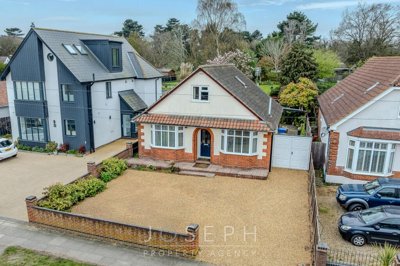
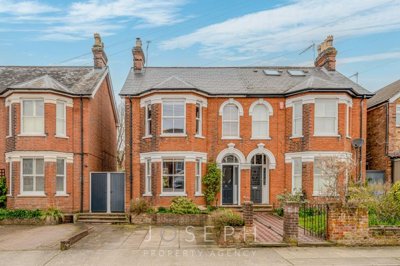
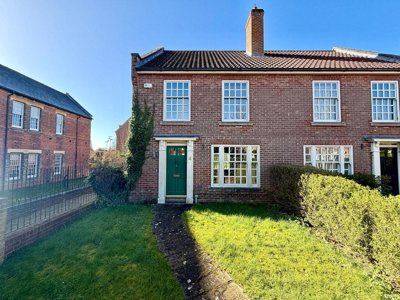
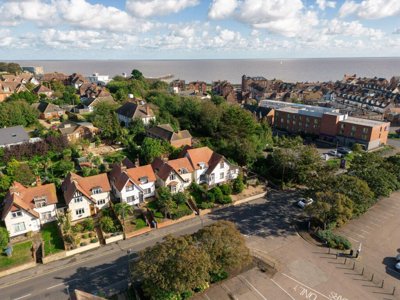
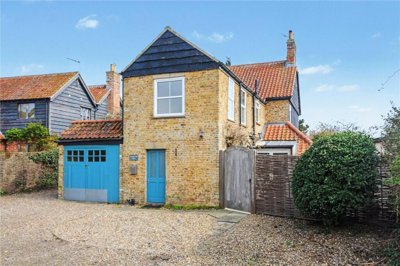
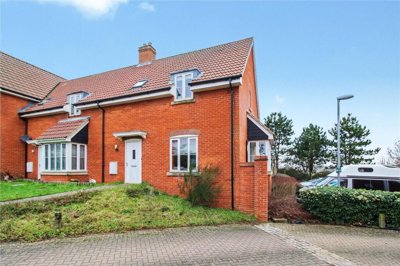
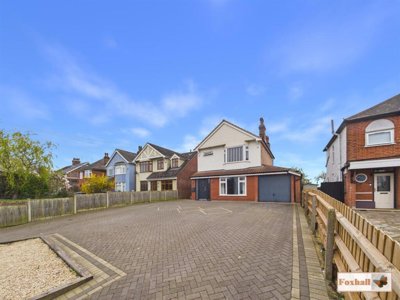
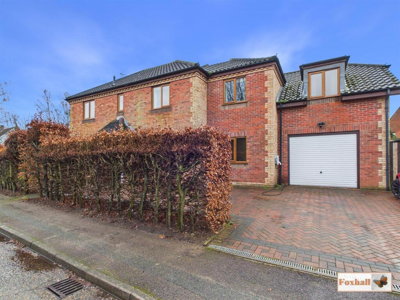
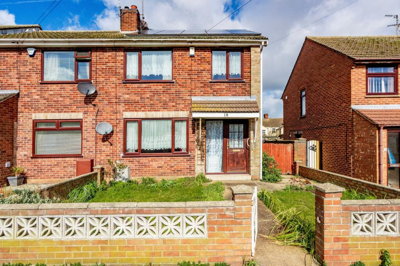
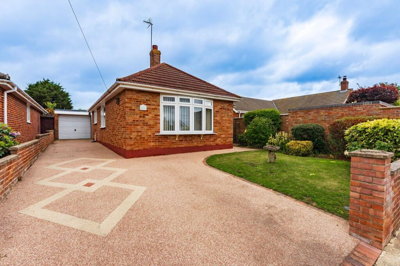
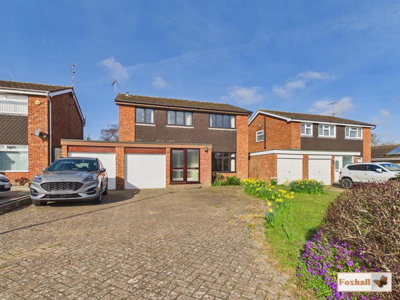
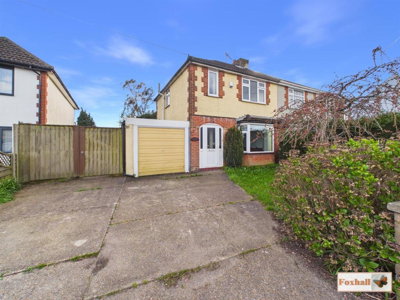
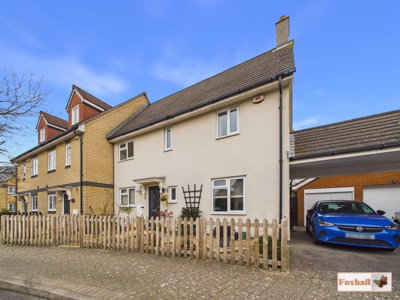
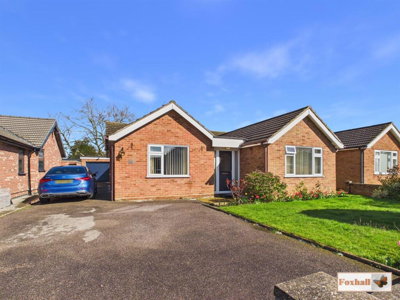
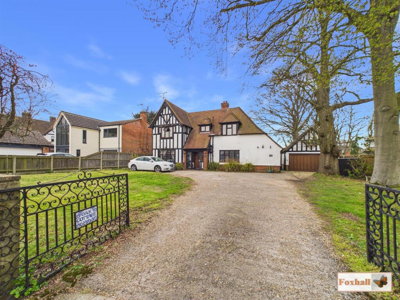
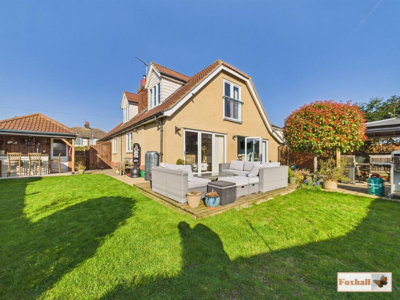
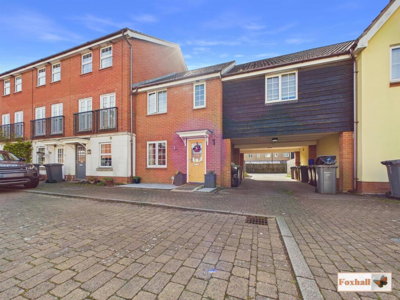
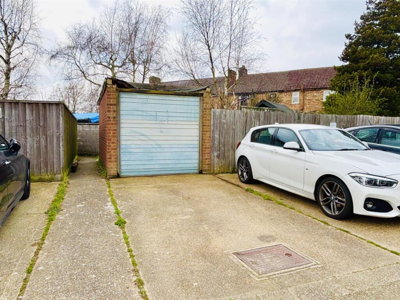
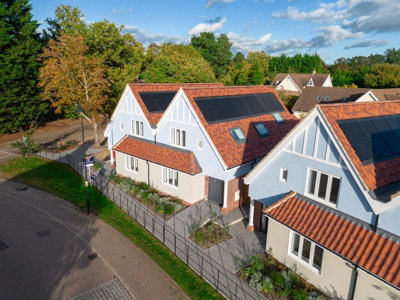
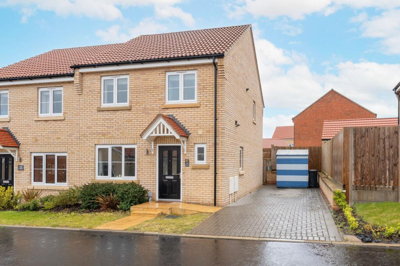
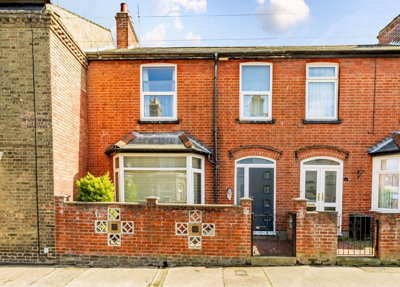
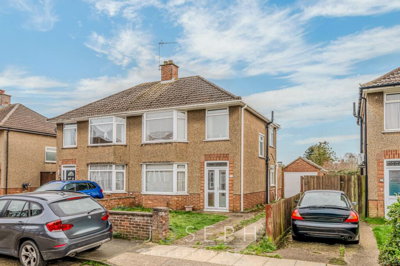
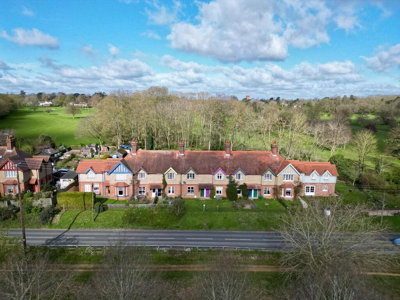
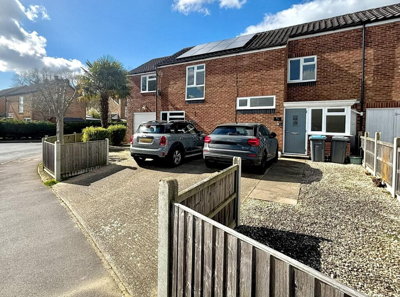
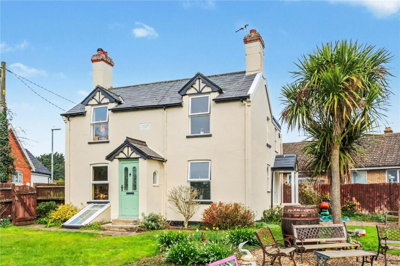
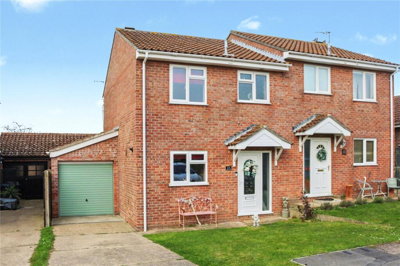
Browse 4,730 homes for sale in East Suffolk from local estate agents.
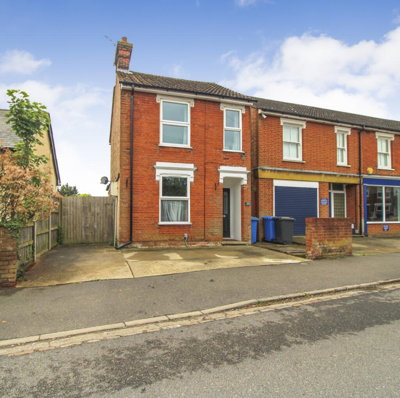
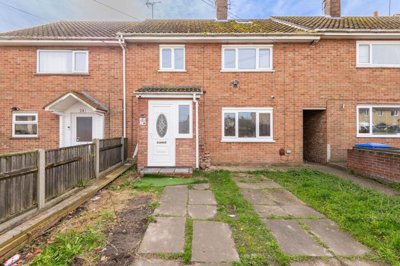
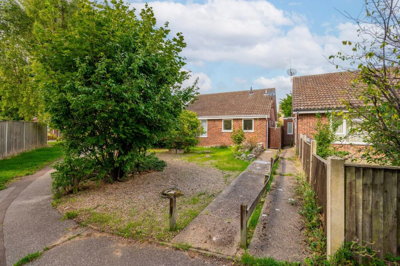
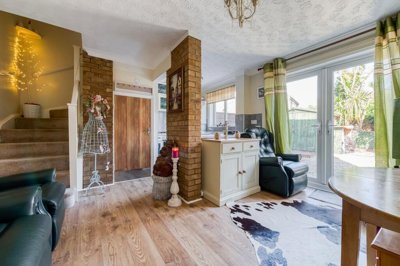
The East Suffolk property market offers detached, semi-detached, and terraced houses spanning various price ranges and neighbourhoods. Each listing includes detailed property information, photographs, and direct contact with the marketing agent.
The East Suffolk property market presents a balanced landscape of opportunity for buyers at various stages of their property journey. Detached properties command the highest average prices at £412,000, reflecting the strong demand for family homes with gardens and generous living space in this semi-rural district. Semi-detached houses average £271,000 and have shown the strongest price growth at 2.5% annually, driven by families seeking more space following the pandemic shift toward remote working.
Terraced properties in East Suffolk average £210,000, offering an attractive entry point for first-time buyers looking to access the property market in this desirable coastal region. Flats and maisonettes average £145,000, though this segment has experienced a slight correction of 1.7% over the past year as more buyers prioritise larger living spaces. Across the wider Suffolk county, transaction volumes dropped 14.1% year-on-year, yet East Suffolk has demonstrated greater market resilience with only an 18% decline, suggesting sustained demand from buyers who recognise the area's long-term value.
New build activity in East Suffolk remains modest compared to larger regional centres, which helps preserve the character of existing settlements and protects property values in established neighbourhoods. Developments such as those around Saxmundham and the outskirts of Woodbridge typically release limited phases of homes, often attracting strong interest from buyers seeking modern energy efficiency without sacrificing proximity to the district's charming town centres.

Life in East Suffolk revolves around the stunning natural environment that defines this corner of England. The district encompasses over 60 miles of coastline along the Suffolk Heritage Coast, including the popular seaside towns of Aldeburgh, Southwold, and Walberswick, where colourful beach huts line the shore and fresh seafood features prominently in local life. Inland, the area opens into rolling farmland, ancient woodlands, and the picturesque Deben and Orwell estuaries, providing endless opportunities for walking, birdwatching, and watersports.
The market towns serving East Suffolk residents offer excellent amenities without the congestion of larger cities. Woodbridge provides boutique shopping, artisan cafes, and a thriving weekly market beside the River Deben, while Felixstowe offers traditional seaside attractions alongside its major port. Saxmundham has emerged as a convenient hub with its weekly market, selection of independent shops, and regular rail connections, while Halesworth attracts visitors to its Victorian shopping street and the excellent transport museum.
Community life thrives through numerous village halls, local festivals celebrating the harvest, music, and arts, and a strong tradition of volunteer-run pubs and shops. The area attracts creative professionals, academics from the University of Suffolk, and families seeking a balanced lifestyle with access to both coastal recreation and urban conveniences. The annual Aldeburgh Festival, Aldeburgh Carnival, and Southwold Arts Festival draw visitors from across the region, contributing to a vibrant cultural calendar that enhances the quality of life for residents.

Education provision across East Suffolk serves families with children at every stage of their academic journey. Primary education is well-served through numerous village primary schools and larger primary schools in the market towns, many of which benefit from supportive communities and good relationships with parents. For secondary education, students typically attend schools in their nearest town, with Farlingaye High School in Woodbridge and Kesgrave High School serving surrounding villages as particularly popular choices among families.
East Suffolk hosts several primary schools that have achieved Ofsted ratings of Good or Outstanding, including schools in Saxmundham, Framlingham, and Aldeburgh. These schools serve their local communities well and benefit from the strong parental involvement typical of smaller communities. For families considering private education, there are preparatory schools available in Bury St Edmunds and the surrounding area, though many children thrive in the well-regarded state schools that dominate the local education landscape. Sixth form provision varies across the district, with students often travelling to schools in Ipswich or Norwich for a broader range of A-level subjects.
The catchment area system in East Suffolk means property location significantly influences educational options, and buyers with school-age children should verify current admission boundaries before committing to a purchase. Framlingham College, a well-established independent school, draws students from across the region, while several primary schools in villages like Wickham Market and Rendlesham serve their local communities with good reputations among parents. Transport arrangements for secondary school students typically involve school buses serving villages beyond convenient walking distance from town schools.
Transport connectivity from East Suffolk has improved significantly in recent years, making the district increasingly attractive to commuters who previously felt too isolated from major employment centres. The East Suffolk line provides regular rail services connecting Ipswich to Lowestoft, with stops at Woodbridge, Saxmundham, and Halesworth serving communities along the route. Journey times to Ipswich range from approximately 30 to 50 minutes depending on departure point, opening up access to the county town for work and leisure.
Road transport relies primarily on the A12, which runs through the heart of East Suffolk connecting the district to Ipswich in the south and Great Yarmouth in the north. The A14 provides efficient access to Cambridge and the midlands from the western parts of the district. For air travel, Norwich International Airport offers domestic and European flights within approximately 45 minutes of most East Suffolk towns. Bus services connect smaller villages to market towns, though car ownership remains important for residents in more rural communities. The Port of Felixstowe, one of the largest container ports in the UK, brings employment and economic activity to the southern part of the district.
Broadband connectivity varies across East Suffolk, with urban areas and larger villages enjoying superfast services while more remote properties may experience slower connections. The rollout of fibre broadband continues across the district, though buyers in isolated rural locations should verify current speeds and future upgrade plans with providers. Many residents now work remotely using mobile broadband solutions, though the suitability depends on signal strength in specific locations. Properties near main road corridors typically enjoy better connectivity than those in valley locations or distant hamlets.
Properties in East Suffolk span a wide range of construction periods and styles, from medieval thatched cottages to contemporary new builds, each presenting distinct considerations for buyers. Coastal properties require particular attention to potential flood risk, especially in low-lying areas near the estuaries and within reach of the sea. A thorough survey will identify any signs of damp, subsidence, or structural movement that may be exacerbated by the local geology and high water table common in parts of East Anglia.
Many properties in East Suffolk are listed buildings or located within conservation areas, particularly in towns like Aldeburgh, Southwold, and Woodbridge where architectural heritage is strongly protected. Buyers should understand that planning restrictions may limit permitted development rights, affecting future extension or renovation options. Leasehold properties, more common in modern developments and flats, require careful scrutiny of service charges, ground rent terms, and remaining lease length. Properties reliant on private drainage systems such as septic tanks should be verified to ensure compliance with current regulations.
The geological conditions in parts of East Suffolk, particularly areas with clay soils, can affect foundations and drainage. Our inspectors frequently identify subsidence concerns in properties with trees close to buildings, a common feature in established gardens throughout the district. Properties near the coast may show signs of salt weathering on external walls, while those in flood-prone locations require careful assessment of any historical water damage and current flood mitigation measures.
Explore the different towns and villages within East Suffolk to find the location that best matches your lifestyle needs. Consider commute times, school catchments, and proximity to the coast when narrowing your search. Each area offers distinct character, from the artistic heritage of Aldeburgh to the family-friendly suburbs around Kesgrave.
Speak to a mortgage broker to understand your borrowing capacity and obtain an agreement in principle. This strengthens your position when making offers and demonstrates you are a serious buyer to estate agents. Several local brokers specialise in East Suffolk properties and understand the specific lending considerations for period properties and rural homes.
Contact estate agents listing properties in East Suffolk to arrange viewings. Take notes on property condition, potential renovation work, and any concerns that might need investigation through surveys. We recommend viewing properties at different times of day and in various weather conditions to assess aspects like natural light, drainage, and road noise.
Once you have an offer accepted, book a RICS Level 2 survey to assess the property condition thoroughly. This is particularly important for period properties in East Suffolk where older construction methods may require specialist knowledge. Our inspectors are familiar with common defects found in local properties, from thatch deterioration to damp in solid-walled construction.
Choose a solicitor experienced in Suffolk property transactions to handle the legal work. They will conduct searches, review contracts, and manage the transfer of ownership through to completion. Local solicitors understand specific issues affecting East Suffolk properties, including conservation area requirements and flood risk assessments.
Your solicitor will coordinate the final steps, including exchange of contracts and completion day when you receive the keys to your new East Suffolk home. We recommend arranging building insurance before completion and scheduling a thorough move-in inspection of your new property.
Understanding the full cost of buying a property in East Suffolk helps buyers budget accurately and avoid surprises during the transaction process. For most buyers purchasing properties at or below the East Suffolk average price of £284,000, Stamp Duty Land Tax liability will be minimal or non-existent, as the standard nil-rate threshold covers purchases up to £250,000. This threshold applies to buyers who do not qualify as first-time buyers, making East Suffolk an attractive option for those upsizing from lower-value areas.
Beyond stamp duty, buyers should budget for solicitor fees typically ranging from £500 to £1,500 depending on complexity and property value. Survey costs start from approximately £350 for a RICS Level 2 homebuyer report, with more comprehensive Level 3 structural surveys available for older or non-standard properties. Mortgage arrangement fees vary by lender but often range from £500 to £2,000, though many lenders offer fee-free deals. Searches conducted by your solicitor, including local authority, drainage, and environmental searches, typically cost £250 to £400. Removal quotes for moving day services should also be obtained, with costs varying based on distance and volume of belongings.
First-time buyers purchasing in East Suffolk benefit from additional SDLT relief, paying no stamp duty on the first £425,000 with 5% applied between £425,001 and £625,000. Given the average property price of £284,000, the vast majority of first-time buyers in East Suffolk would pay no stamp duty whatsoever. Our team can recommend conveyancing solicitors familiar with East Suffolk transactions who can provide transparent quotes covering all anticipated costs.
The average house price in East Suffolk was £284,000 as of December 2025, according to the most recent ONS data. This represents a 1.2% increase from the previous year. Property prices vary significantly by type, with detached homes averaging £412,000, semi-detached properties at £271,000, terraced houses at £210,000, and flats at £145,000. The market has shown resilience compared to the wider Suffolk region, with East Suffolk experiencing smaller declines in transaction volumes than surrounding areas.
Council tax bands in East Suffolk are set by East Suffolk Council, with most properties falling into bands A through D. Band A properties are the least expensive, typically small flats or starter homes, while band D covers average family homes. Larger detached properties in sought-after locations often fall into bands E or F. Prospective buyers should check the specific band for any property through the East Suffolk Council website, as council tax contributes to local services including waste collection, road maintenance, and community facilities.
East Suffolk offers good educational options across all levels, with several primary schools achieving Ofsted Good or Outstanding ratings. Farlingaye High School in Woodbridge and Kesgrave High School are popular choices for secondary education. For primary education, schools in Saxmundham, Framlingham, and Aldeburgh serve their local communities well. Parents should verify current Ofsted ratings and catchment areas, as these can change and may influence property values significantly in specific postcodes.
East Suffolk has reasonable transport connections for a rural district, with the East Suffolk railway line providing regular services between Lowestoft and Ipswich. Key stations include Woodbridge, Saxmundham, and Halesworth, offering journey times of 30-50 minutes to Ipswich. Bus services connect villages to market towns, though a car is beneficial for residents in more isolated communities. The A12 road provides the main artery for road transport, connecting to the A14 for access to Cambridge and the Midlands.
East Suffolk presents compelling investment opportunities given its relative affordability compared to coastal areas in neighbouring Essex and Kent. The area attracts renters seeking coastal living without premium city prices, making it suitable for buy-to-let investments targeting young professionals, families, and retirees. Capital growth has been steady at 1.2% annually, outpacing some neighbouring regions. Properties near the coast and good schools command premiums, while those in inland villages offer lower entry points with potential for appreciation as remote working continues to reshape where people choose to live.
Stamp Duty Land Tax rates from April 2025 apply the following thresholds for residential purchases: zero rate on the first £250,000 of purchase price, 5% on the portion from £250,001 to £925,000, 10% on the portion from £925,001 to £1.5 million, and 12% on any amount exceeding £1.5 million. First-time buyers benefit from increased relief, paying no stamp duty on the first £425,000 with 5% applied between £425,001 and £625,000. Given the East Suffolk average price of £284,000, most buyers would pay no stamp duty at all, or only a minimal amount on properties above the threshold.
Flood risk varies significantly across East Suffolk, with coastal areas and properties near the Deben and Orwell estuaries facing higher risk levels. Our surveyors pay particular attention to low-lying properties in areas such as parts of Woodbridge, Felixstowe, and villages along the coast where tidal flooding remains a concern. Properties in designated flood zones may require additional insurance and should be thoroughly assessed for any signs of previous water damage or damp penetration. You can check specific flood risk for any property through the government flood risk checker before proceeding with a purchase.
Period properties in East Suffolk often feature traditional construction methods such as solid walls, thatched roofs, and original timber framing that require specialist knowledge to assess properly. Our inspectors frequently identify issues with damp in solid-walled properties, particularly those without modern damp-proof courses, and deterioration in historic timber elements. Properties in conservation areas like those in Aldeburgh's Crag Path, Southwold's High Street, or Woodbridge's Thoroughfare face planning restrictions on alterations. A thorough RICS Level 3 survey is advisable for any period property, as our team understands the specific defects common to historic East Anglian construction.
Properties for Sale In London

Properties for Sale In Plymouth

Properties for Sale In Liverpool

Properties for Sale In Glasgow

Properties for Sale In Sheffield

Properties for Sale In Edinburgh

Properties for Sale In Coventry

Properties for Sale In Bradford

Properties for Sale In Manchester

Properties for Sale In Birmingham

Properties for Sale In Bristol

Properties for Sale In Oxford

Properties for Sale In Leicester

Properties for Sale In Newcastle

Properties for Sale In Leeds

Properties for Sale In Southampton

Properties for Sale In Cardiff

Properties for Sale In Nottingham

Properties for Sale In Norwich

Properties for Sale In Brighton

Properties for Sale In Derby

Properties for Sale In Portsmouth

Properties for Sale In Northampton

Properties for Sale In Milton Keynes

Properties for Sale In Bournemouth

Properties for Sale In Bolton

Properties for Sale In Swansea

Properties for Sale In Swindon

Properties for Sale In Peterborough

Properties for Sale In Wolverhampton

Enter your details to see if this property is within your budget.
Loans, cards, car finance
Estimated property budget
Borrowing + deposit
You could borrow between
Typical borrowing
Monthly repayment
Est. at 4.5%
Loan-to-value
This is an estimate only. Your actual budget may vary depending on interest rates, credit history, and personal circumstances. For an accurate affordability assessment, speak to one of our free mortgage advisors.
This calculator provides estimates for illustrative purposes only and does not constitute financial advice. Your home may be repossessed if you do not keep up repayments on your mortgage. Estimates based on 4.5% interest rate, repayment mortgage. Actual rates depend on your circumstances.
Homemove is a trading name of HM Haus Group Ltd (Company No. 13873779, registered in England & Wales). Homemove Mortgages Ltd (Company No. 15947693) is an Appointed Representative of TMG Direct Limited, trading as TMG Mortgage Network, which is authorised and regulated by the Financial Conduct Authority (FRN 786245). Homemove Mortgages Ltd is entered on the FCA Register as an Appointed Representative (FRN 1022429). You can check registrations at NewRegister or by calling 0800 111 6768.

We use cookies to show you personalised content and improve your experience of our website. Find out more in our Privacy policy and Cookie policy.