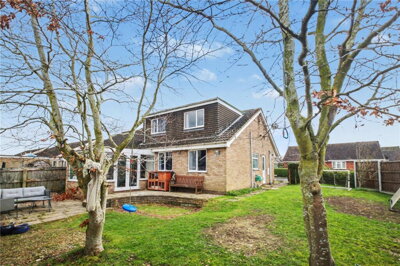
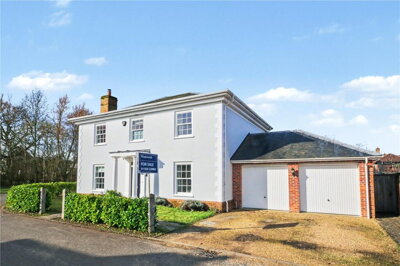
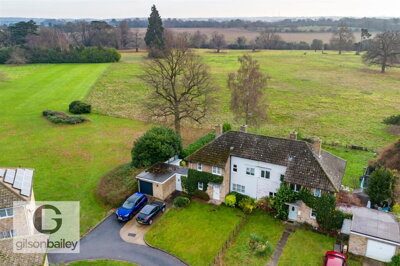
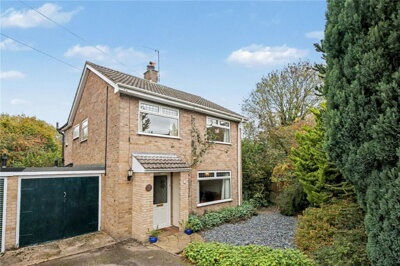
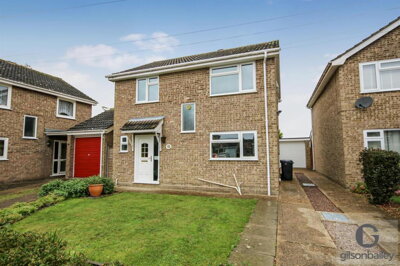
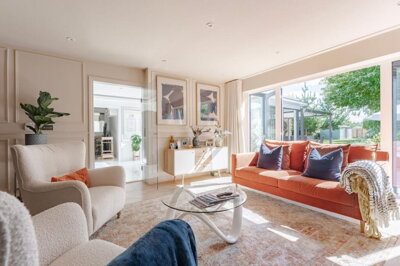
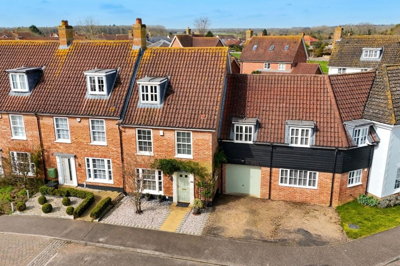
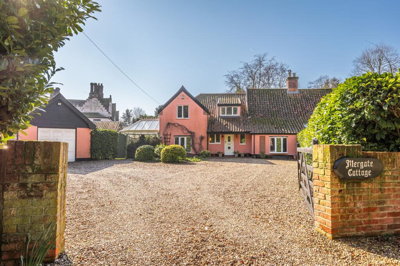
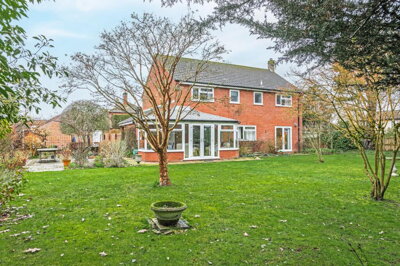
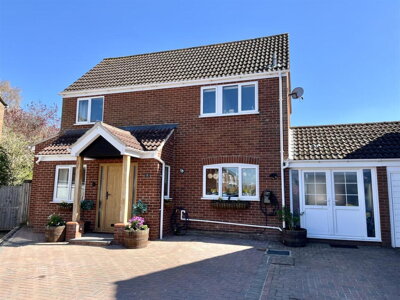
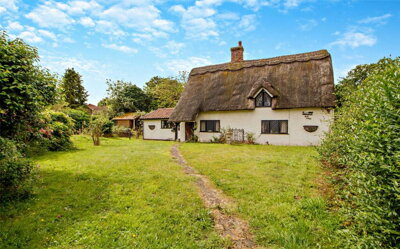
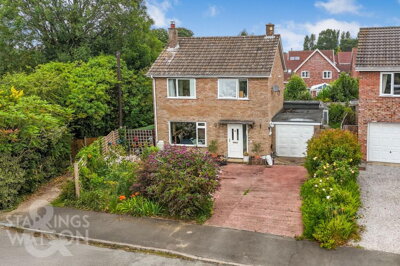
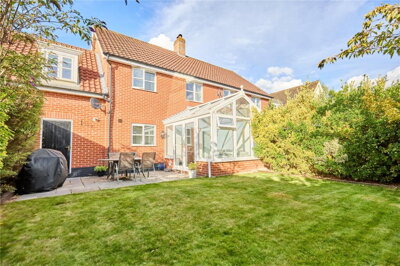
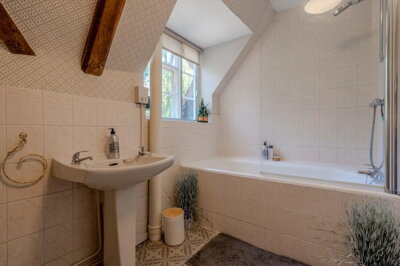
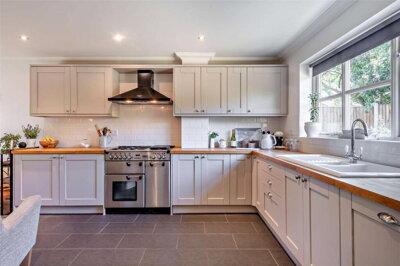
Browse 16 homes for sale in East Carleton from local estate agents.
The larger property sector typically features multiple bathrooms, substantial reception space, and private gardens or off-street parking. Four bedroom houses in East Carleton span detached, semi-detached, and occasionally terraced configurations, with styles ranging from period properties to modern executive homes.
The East Carleton property market presents a compelling opportunity for buyers seeking quality rural homes in South Norfolk. The overall average house price stands at £540,250 according to recent Rightmove data, with Zoopla reporting a similar average sold price of £565,000 over the past twelve months. Property values have demonstrated strong growth trajectories, with Land Registry data showing a remarkable 71% increase over the past twelve months, though this figure reflects the limited transaction volume in this small village where just four sales were recorded in 2025. The market experienced a slight correction from the 2022 peak of £558,000, with current prices sitting approximately 3% below that high watermark, creating potential entry points for new buyers entering this exclusive village market.
Detached properties command a significant premium in East Carleton, with the average price reaching £731,500 for this property type. The dominance of detached homes reflects the rural nature of the village, where larger plots and generous gardens are standard features rather than luxuries. Semi-detached properties offer more accessible entry points at approximately £349,000 on average, though these homes represent just half of all sales recorded in 2025. No terraced properties or flats have changed hands in recent sales data, indicating that the village's housing stock consists almost entirely of detached and semi-detached family homes with substantial gardens and outdoor space. This supply characteristic makes East Carleton particularly attractive to buyers prioritising space and privacy.
The village benefits from a diverse housing stock spanning several centuries of architectural development. Historic properties include the remarkable 16th-century Walnut Tree Cottage on Rectory Road, a Grade II listed detached Norfolk cottage featuring traditional exposed beams and original pamment floors that speak to the craftsmanship of earlier builders. More recent additions to the village include properties built in the 1970s and even new-build homes completed as recently as 2016, demonstrating that East Carleton has remained a desirable location for residential development across different eras.

Life in East Carleton offers residents a peaceful retreat within one of Norfolk's most attractive rural settings. The village sits in the Wensum valley area of South Norfolk, surrounded by rolling farmland and countryside that has remained largely unchanged for generations. The community atmosphere is strong, with local traditions and events providing regular opportunities for residents to come together. The village church, St Mary's, serves as both a historic landmark and a focal point for community gatherings, while the surrounding countryside provides endless opportunities for walking, cycling, and enjoying the natural beauty of East Anglia.
The traditional building materials of Norfolk are much in evidence throughout East Carleton, reflecting the county's distinctive architectural heritage. Flint, timber, red brick, chalk clunch, and carstone have all been used in local construction over the centuries, creating buildings that harmonise with the landscape rather than standing apart from it. The 16th-century properties feature timber frames with traditional infill techniques, while 19th-century additions to the village brought brick construction that remains prevalent in many homes today. This architectural consistency gives the village its cohesive character, where modern additions must respect the established vernacular to fit naturally into the streetscene.
Listed building status affects several properties in East Carleton, including Walnut Tree Cottage and St Mary's Church, and may apply to other historic homes throughout the village. Grade II listed buildings are protected for their architectural and historical significance, meaning alterations, extensions, or even significant repairs require Listed Building Consent from South Norfolk Council. These requirements can add complexity and cost to renovation projects and may restrict certain uses of the property. Specialist surveyors with experience in historic buildings can provide detailed assessments of condition and restoration requirements if you are considering a listed property purchase.
While East Carleton itself is a small village, residents benefit from proximity to larger settlements that provide additional amenities. The nearby town of Wymondham offers essential shopping facilities, cafes, and traditional pubs, while Norwich city centre lies within reasonable driving distance for those requiring comprehensive retail, cultural, and employment opportunities. The surrounding South Norfolk countryside is rich with other attractive villages, each offering their own pubs, restaurants, and community facilities that together create a network of interconnected rural communities.

Families considering a move to East Carleton will find a selection of educational options available within the surrounding South Norfolk area. Primary education is provided through village schools in nearby communities, with the nearest schools typically serving a cluster of rural villages across a wider catchment area. The intimate scale of these primary schools often provides excellent pupil-to-teacher ratios, allowing children to receive individual attention and develop confidence in their early years of education. Parents should research specific catchment areas and admissions policies for schools serving East Carleton, as these can influence property choices within and around the village.
Secondary education options in South Norfolk include both comprehensive schools and grammar schools, with selection arrangements varying depending on the specific school and admissions criteria. Schools in the surrounding towns such as Wymondham and Attleborough serve as major secondary schools for students from East Carleton and neighbouring villages. These institutions typically offer a broad curriculum, extracurricular activities, and strong community connections that help students from rural backgrounds transition successfully into further education or employment. For families with sixth-form requirements, larger schools in the area provide A-level programmes, while Norwich offers additional specialist options including independent schooling.
Beyond school-age education, South Norfolk provides access to further education colleges and training providers for older students and adults. Norwich, as the regional centre, offers comprehensive higher education options through the University of East Anglia and Norwich University of the Arts, both of which attract students from across the UK and internationally. For working adults, vocational training and professional development opportunities are available through colleges in surrounding towns, ensuring that residents need not travel to London or other major cities for career advancement.
Transport connections from East Carleton provide residents with practical options for commuting and accessing amenities across Norfolk and beyond. The village sits within the NR14 postcode area, with the nearest railway stations located in surrounding towns providing connections to Norwich, Cambridge, and the wider rail network. The East Anglian railway network offers regular services to London Liverpool Street, with journey times to the capital typically ranging from around two to two and a half hours depending on the specific route and service. For commuters working in Norwich, the city is accessible via road connections that pass through attractive countryside.
Road travel from East Carleton is well-served by the network of country lanes and A-roads that connect South Norfolk villages to each other and to major routes. The A11 provides direct access to Norwich and extends northwards towards the Norfolk coast, while connections to the A14 and broader motorway network open up routes to Cambridge, Birmingham, and the Midlands beyond. For those who need to travel to London, Stansted Airport offers international flights and direct rail connections from Norwich, while Cambridge Airport provides additional regional flight options.
Local bus services connect East Carleton to surrounding villages and market towns, providing essential transport options for those without private vehicles. These services typically operate on a reduced timetable compared to urban routes, reflecting the lower population density of rural Norfolk, but they nonetheless provide a lifeline for residents who cannot drive or prefer not to rely on private cars. Community transport schemes operated by local volunteers also serve the area, offering door-to-door transport for medical appointments and essential shopping trips for elderly or mobility-impaired residents. Cycling is popular in the flat Norfolk countryside, with quiet country lanes providing scenic routes for recreational riders and commuters alike.
Before arranging viewings in East Carleton, spend time understanding the local property market, recent sales data, and the character of different streets and property types. Our platform provides comprehensive listing data and local market insights to inform your search. Consider renting nearby first if you are unfamiliar with the area, to experience daily life before committing to a purchase.
Speak to mortgage brokers about your financing options before viewing properties. A mortgage agreement in principle strengthens your position when making offers and demonstrates to sellers that you are a serious, financially prepared buyer. With detached properties averaging over £730,000 in East Carleton, understanding your borrowing capacity early helps narrow your search to realistic options.
Visit multiple properties across different price ranges and property types to build a clear picture of what East Carleton homes offer. Pay close attention to the condition of older properties, noting features like original windows, roof conditions, and potential maintenance requirements. A RICS Level 2 Survey is essential before purchasing any property over 50 years old.
Instruct a conveyancing solicitor with experience in rural Norfolk properties to handle the legal aspects of your purchase. They will conduct searches, handle contracts, and coordinate with your mortgage provider to ensure a smooth transaction. Local knowledge of Norfolk property law can be valuable for listed buildings or properties with unusual features.
Commission a RICS Level 2 Survey to assess the condition of the property before finalising your purchase. Given the age of many properties in East Carleton, including 16th-century cottages and 1970s homes, professional surveys can identify issues that might affect your decision or negotiating position. The typical cost for a Level 2 Survey in Norfolk is around £500.
Once all surveys, searches, and legal checks are satisfactory, your solicitor will arrange the exchange of contracts and set a completion date. On completion day, the remaining funds are transferred and you receive the keys to your new East Carleton home. Introduce yourself to neighbours and begin building your life in this welcoming South Norfolk village.
Purchasing property in East Carleton requires careful attention to several area-specific factors that distinguish this rural Norfolk village from urban property markets. The age of many properties means that traditional construction methods and materials are prevalent throughout the village, with timber frames, exposed beams, and traditional Norfolk building techniques evident in historic homes. When viewing period properties, examine the condition of structural elements carefully, looking for signs of movement, damp penetration, or timber decay that could indicate expensive future maintenance requirements. The presence of pamment floors and original features adds character but may require specialist restoration knowledge to maintain properly.
Flood risk should be considered when purchasing any property in Norfolk, though specific flood risk data for East Carleton itself was not identified in available research. The underlying clay geology of southeast England can create shrink-swell risks during periods of drought or heavy rainfall, potentially affecting foundations and structural integrity over time. Commissioning a thorough building survey before purchase provides professional assessment of these risks and any evidence of past movement or structural issues. Properties built on made ground or near water features warrant particularly careful investigation, and your surveyor should assess drainage systems and ground conditions as part of any valuation or survey.
If you are considering purchasing a listed property, factor in the additional responsibilities and potential costs of maintaining a historically significant home before making an offer. Grade II listed buildings are protected for their architectural and historical significance, meaning that alterations, extensions, or even significant repairs require Listed Building Consent from South Norfolk Council. These requirements can add complexity and cost to renovation projects and may restrict certain uses of the property.
The average house price in East Carleton stands at £540,250 according to Rightmove data over the past year, with Zoopla reporting a similar figure of £565,000 for properties sold in the last twelve months. Detached properties command an average of £731,500, while semi-detached homes average approximately £349,000. The market has shown strong growth with prices rising 15% compared to the previous year, though values remain approximately 3% below the 2022 peak of £558,000.
Properties in East Carleton fall under South Norfolk Council for council tax purposes. The specific band depends on the property valuation, with homes in this rural village typically ranging across bands C through F. Band C properties start from around £1,600 annually, while higher-valued detached family homes often fall into bands E or F. Prospective buyers should check individual property listings or the Valuation Office Agency website for specific band information.
East Carleton is served by primary schools in nearby villages and towns across South Norfolk, with catchment areas determining which school your child would attend. The nearest primary schools typically serve clusters of rural communities and offer excellent pupil-to-teacher ratios. Secondary education is available at schools in Wymondham and Attleborough, with selection depending on preferences and entrance criteria. Norwich provides additional options including grammar schools and independent education for families seeking specialist provision.
East Carleton has limited public transport options typical of a small rural village, with local bus services connecting to surrounding towns and villages on reduced timetables. The nearest railway stations are located in nearby towns providing connections to Norwich and the wider rail network, with services to London Liverpool Street taking approximately two to two and a half hours. For daily commuting to Norwich, car travel is typically necessary, though the scenic countryside routes make this journey pleasant rather than burdensome for most residents.
East Carleton offers several attractive features for property investors, including strong historical price growth with a 71% increase over recent years and a consistent supply of quality detached homes. The village's location within South Norfolk provides good connectivity to Norwich while offering genuine rural living that continues to attract buyers seeking village lifestyles. However, the limited transaction volume and small population mean that rental demand may be concentrated rather than widespread. Those considering investment should research rental yields in the surrounding area and speak to local estate agents about tenant demand.
Stamp duty rates for 2024-25 apply zero percent duty on the first £250,000 of residential property purchases, five percent on amounts between £250,001 and £925,000, ten percent on amounts from £925,001 to £1.5 million, and twelve percent on any portion above £1.5 million. First-time buyers benefit from relief on the first £425,000, with five percent applying between £425,001 and £625,000. Most properties in East Carleton, with average prices around £540,000, would attract stamp duty for non-first-time buyers of approximately £14,500 under current rates.
From £350
A detailed inspection of the property condition, essential for older homes and listed buildings common in East Carleton.
From £600
A comprehensive building survey recommended for historic properties, including 16th-century homes found throughout the village.
From £499
Professional property solicitors to handle the legal aspects of your East Carleton purchase, including local searches.
From £80
Energy Performance Certificate required for all property sales in East Carleton.
Understanding the full costs of purchasing property in East Carleton is essential for budgeting effectively and avoiding unexpected expenses during your transaction. Beyond the property purchase price, buyers must account for stamp duty land tax, solicitor fees, survey costs, and various other expenses that together can add several thousand pounds to the total investment. With detached properties in East Carleton averaging over £730,000, the additional costs can be substantial and should be factored into your financial planning from the outset of your property search.
Stamp duty rates for 2024-25 set the zero percent threshold at £250,000, meaning first £250,000 of any purchase incurs no duty. For the typical East Carleton property priced around £540,250, a standard buyer would pay five percent on the portion between £250,001 and £540,250, resulting in stamp duty of approximately £14,500. First-time buyers benefit from a higher starting threshold of £425,000, reducing their stamp duty liability to around £5,750 on a property at the village average. Properties priced above £925,000 enter the ten percent bracket for amounts above that threshold.
Solicitor conveyancing fees for property transactions in South Norfolk typically range from £500 to £1,500 depending on the complexity of the transaction and whether the property is freehold or leasehold. Additional costs include Land Registry fees for registering the transfer, local authority searches with South Norfolk Council, and potentially drainage and environmental searches that provide information about the property and surrounding land. A RICS Level 2 Survey typically costs between £400 and £700 for properties in the East Carleton price range, providing professional assessment of condition that can identify issues before you commit to purchase. Mortgage arrangement fees, valuation fees, and broker charges should also be budgeted for, particularly for larger loans where percentage-based fees can reach several thousand pounds.
Properties for Sale In London

Properties for Sale In Plymouth

Properties for Sale In Liverpool

Properties for Sale In Glasgow

Properties for Sale In Sheffield

Properties for Sale In Edinburgh

Properties for Sale In Coventry

Properties for Sale In Bradford

Properties for Sale In Manchester

Properties for Sale In Birmingham

Properties for Sale In Bristol

Properties for Sale In Oxford

Properties for Sale In Leicester

Properties for Sale In Newcastle

Properties for Sale In Leeds

Properties for Sale In Southampton

Properties for Sale In Cardiff

Properties for Sale In Nottingham

Properties for Sale In Norwich

Properties for Sale In Brighton

Properties for Sale In Derby

Properties for Sale In Portsmouth

Properties for Sale In Northampton

Properties for Sale In Milton Keynes

Properties for Sale In Bournemouth

Properties for Sale In Bolton

Properties for Sale In Swansea

Properties for Sale In Swindon

Properties for Sale In Peterborough

Properties for Sale In Wolverhampton

Enter your details to see if this property is within your budget.
Loans, cards, car finance
Estimated property budget
Borrowing + deposit
You could borrow between
Typical borrowing
Monthly repayment
Est. at 4.5%
Loan-to-value
This is an estimate only. Your actual budget may vary depending on interest rates, credit history, and personal circumstances. For an accurate affordability assessment, speak to one of our free mortgage advisors.
This calculator provides estimates for illustrative purposes only and does not constitute financial advice. Your home may be repossessed if you do not keep up repayments on your mortgage. Estimates based on 4.5% interest rate, repayment mortgage. Actual rates depend on your circumstances.
Homemove is a trading name of HM Haus Group Ltd (Company No. 13873779, registered in England & Wales). Homemove Mortgages Ltd (Company No. 15947693) is an Appointed Representative of TMG Direct Limited, trading as TMG Mortgage Network, which is authorised and regulated by the Financial Conduct Authority (FRN 786245). Homemove Mortgages Ltd is entered on the FCA Register as an Appointed Representative (FRN 1022429). You can check registrations at NewRegister or by calling 0800 111 6768.

We use cookies to show you personalised content and improve your experience of our website. Find out more in our Privacy policy and Cookie policy.