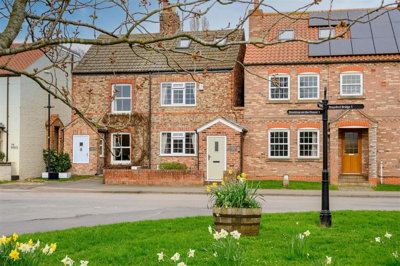
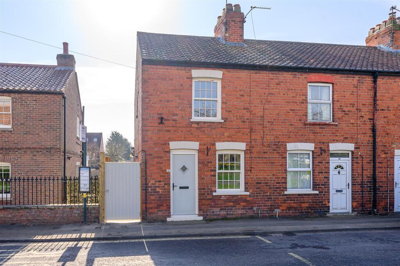
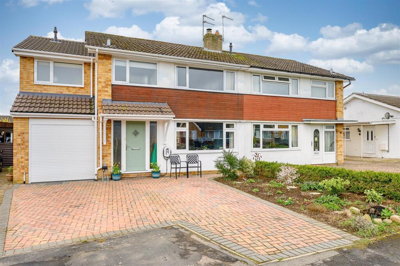
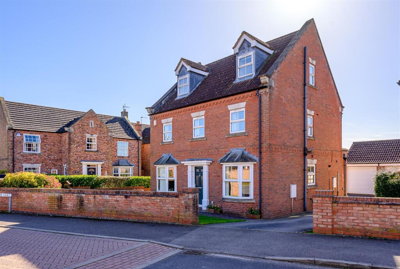
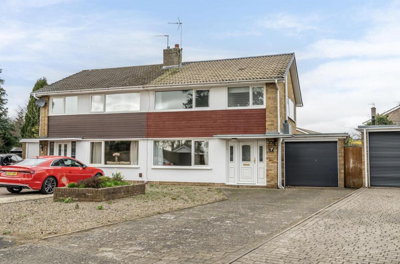
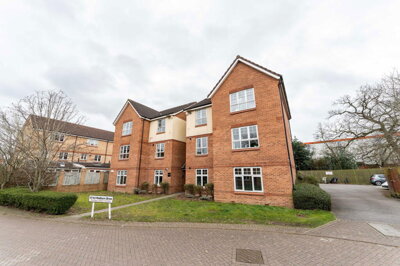
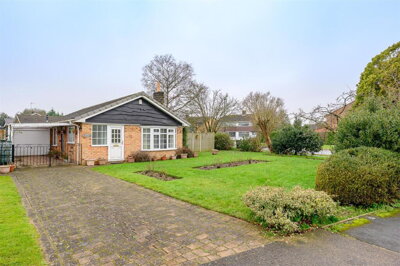
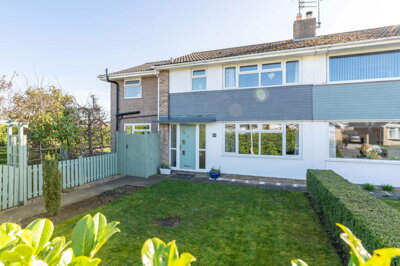
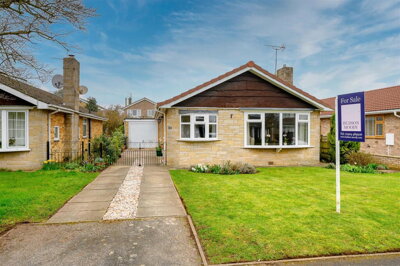
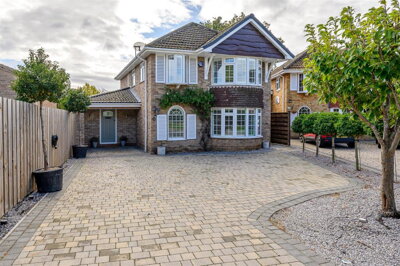
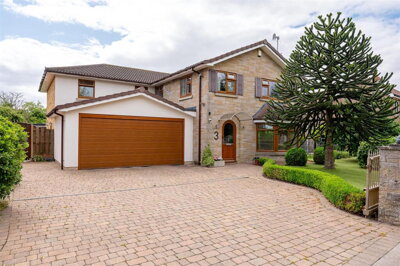
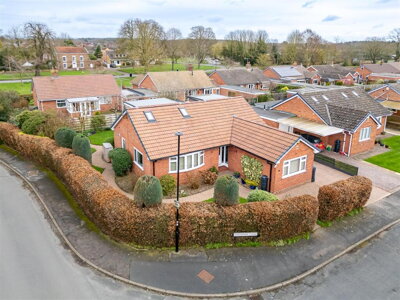
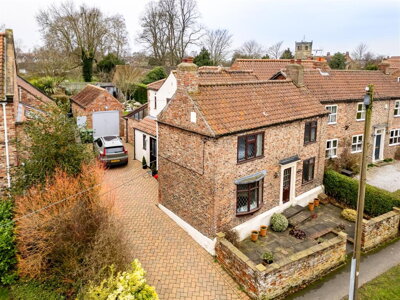
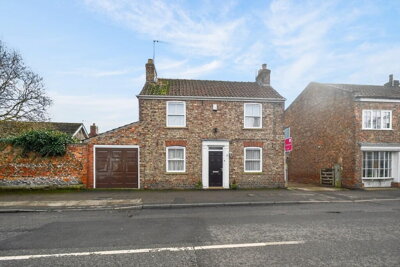
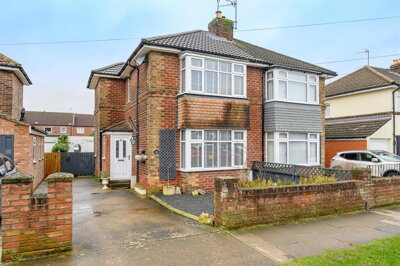
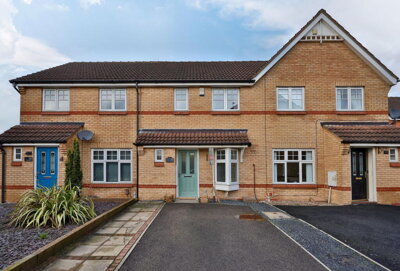
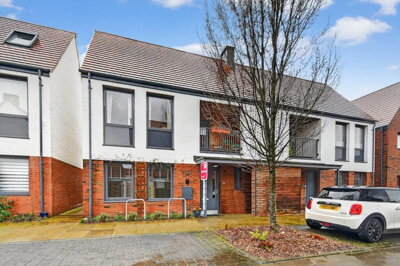
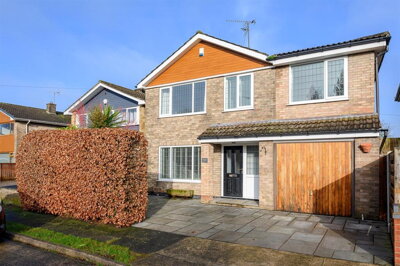
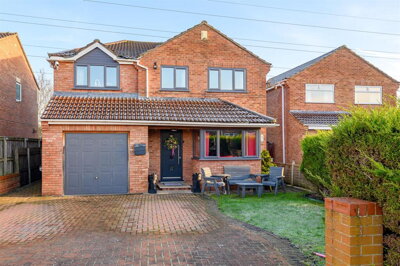
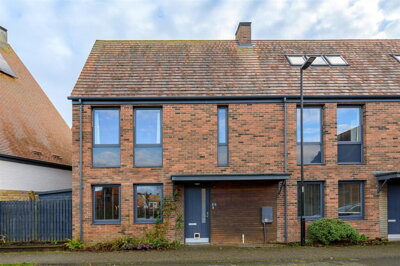
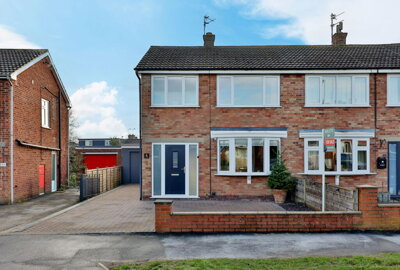
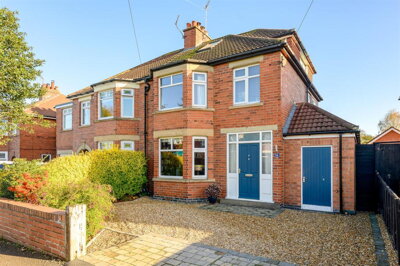
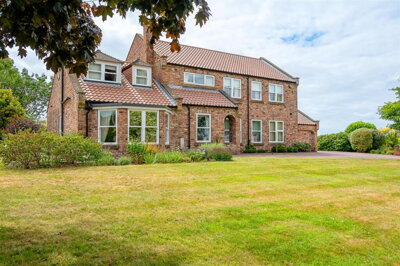
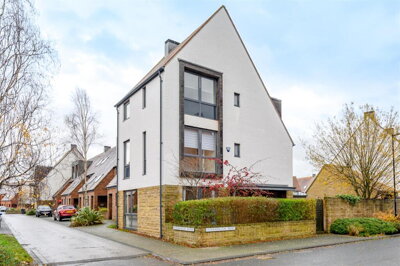
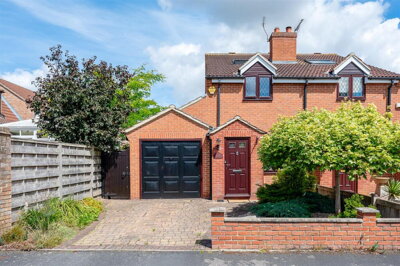
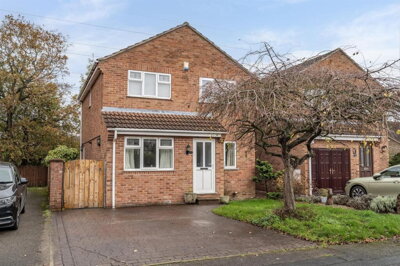
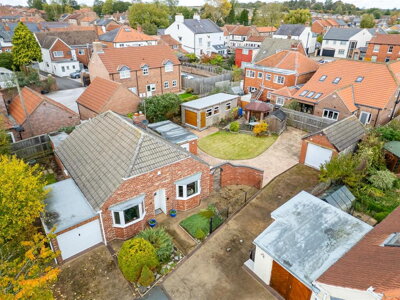
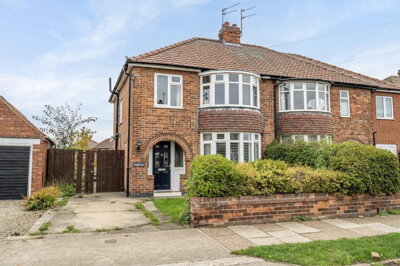
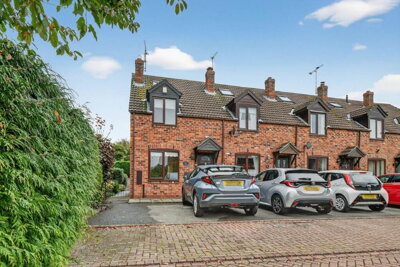
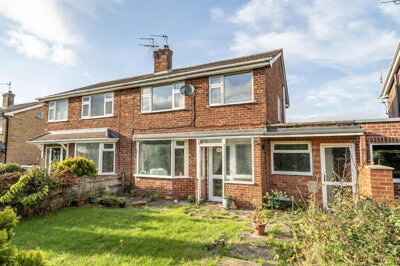
Browse 113 homes for sale in Dunnington, York from local estate agents.
£438k
16
1
79
Source: home.co.uk
Source: home.co.uk
Detached
5 listings
Avg £589,000
Detached Bungalow
5 listings
Avg £383,000
Semi-Detached
2 listings
Avg £450,000
Barn Conversion
1 listings
Avg £475,000
End of Terrace
1 listings
Avg £265,000
Semi-Detached Bungalow
1 listings
Avg £300,000
Terraced
1 listings
Avg £275,000
Source: home.co.uk
Source: home.co.uk
The Dunnington property market presents a healthy mix of housing types to suit various budgets and preferences. Detached properties command the highest average prices at £443,705, reflecting the premium attached to larger family homes with generous gardens in this desirable village location. Semi-detached properties average £294,375, offering excellent value for families seeking spacious accommodation without the higher price tag of detached homes. Terraced properties average £254,125, providing an accessible entry point to village life for first-time buyers and those seeking character homes at more modest prices. This price hierarchy demonstrates the continued premium for space and privacy in Dunnington's residential market.
Recent market activity shows robust demand with approximately 97 property sales recorded in the YO19 5 postcode area over the past 24 months. The market has demonstrated impressive year-on-year growth, with house prices rising 10% compared to the previous year. Some sources indicate even stronger growth, with sold prices increasing 18.3% over the last 12 months. Despite this growth, prices remain approximately 3% below the 2023 peak of £410,948, suggesting opportunities for buyers who act decisively in a competitive market where desirable properties can attract multiple offers.
New build activity in Dunnington is set to expand the housing stock significantly. Eastfield Park, a development by David Wilson Homes on Eastfield Lane, received planning approval from City of York Council in May 2025 for 44 homes, including 31 market properties and 13 affordable homes. This development will offer a mix of 1, 2, 3, and 4-bedroom homes across detached, semi-detached, and terraced styles. Meanwhile, Maydene on Hull Road has received outline planning consent for a pair of 3-bedroom semi-detached dwellings, with the plot marketed at £300,000. For buyers seeking brand new homes, these upcoming developments represent opportunities to purchase with modern construction standards and energy efficiency.
For buyers exploring the wider YO19 postcode area, nearby developments include Castra Park in Huntington offering 2, 3 and 4-bedroom homes from £283,000 to £637,000, and Bramble Wood in Wheldrake featuring 3 and 4-bedroom properties from £341,000 to £630,000. These neighbouring developments provide additional options for buyers whose search extends beyond Dunnington's village boundary while remaining within the same postal area and enjoying similar connectivity to York.

Dunnington embodies the quintessential English village experience while benefiting from proximity to a major city. The village centre features a Conservation Area spanning nearly 12 hectares, encompassing the historic core along York Street, Church Street, Common Road, and Water Lane. This protected status preserves the village's distinctive character, with many 18th and early 19th-century brick buildings creating an attractive streetscape that has earned Dunnington its reputation as one of the most picturesque villages near York. The architecture showcases traditional Yorkshire building styles, including creamy orange bricks, pantile roofs, and stone details, with some properties featuring original thatched elements visible in their elevated coping details.
The local economy has evolved from its agricultural heritage, historically noted for chicory cultivation that employed around 400 workers in the 19th century. Today, the parish maintains its focus on farming alongside local retail and service provision. The village supports a good range of everyday amenities including a newsagent, post office, pharmacy, and several independent shops along the main thoroughfares. A sports club provides recreational facilities, while the library and various pubs and eateries serve as community gathering points. The doctors' surgery and dental practice ensure healthcare needs are met locally, reducing the need for residents to travel to York for essential services.
The village community actively maintains its heritage, with 18 Grade II listed buildings and the Grade II* listed Church of St. Nicholas (constructed from limestone, sandstone, and millstone grit with Welsh slate roofs) representing the architectural legacy of this historic settlement. Several additional buildings have been nominated for inclusion on the Local List, reflecting ongoing efforts to recognise and protect structures that contribute positively to village character. The presence of a local reclamation yard offering reclaimed York hand clamps, bricks, roofing materials, and oak beams demonstrates the community's commitment to authentic restoration and renovation work.
Education provision in Dunnington centres on Dunnington Church of England Primary School, which serves the local community from Reception through to Year 6. The school maintains strong ties to the Church of England educational tradition, fostering both academic achievement and spiritual development within a caring village environment. For secondary education, residents have access to several well-regarded schools in the wider York area, with good bus connections enabling students to travel comfortably to York-based secondary schools. Families moving to Dunnington should research current catchment areas and admission arrangements, as these can influence school placement decisions.
Beyond statutory education, Dunnington benefits from proximity to York's exceptional range of educational institutions. The city hosts several outstanding secondary schools and grammar schools, attracting students from across the region. For further and higher education, York College offers a comprehensive range of vocational and academic courses, while the University of York maintains a prestigious reputation for research and teaching across multiple disciplines. The presence of these institutions within easy reach enhances Dunnington's appeal to families at all stages of their educational journey, from those with young children to those planning for university years ahead.
Early years provision in the village complements the primary school, with nurseries and pre-schools providing care and education for children from approximately two years old. These settings often have strong community links and can provide excellent foundations for children's development before starting school. Parents seeking specific school performance data should consult Ofsted reports and latest examination results, which provide detailed insights into academic standards and overall school quality across the local area.
Dunnington enjoys excellent connectivity to York city centre, with the journey taking approximately 15-20 minutes by car via the A1079 Hull Road or the A166 eastbound route. Regular bus services operate between Dunnington and York city centre, providing a convenient option for commuters and those without access to private vehicles. The X46 and local service buses connect residents to York's shopping districts, railway stations, and employment hubs, making car ownership optional rather than essential for daily travel. This accessibility has contributed significantly to Dunnington's popularity as a residential location for York-based workers.
For those commuting further afield, York railway station provides excellent national connectivity with frequent services to major cities. London can be reached in approximately two hours on direct LNER services, while Leeds, Newcastle, Edinburgh, and Birmingham are all accessible via cross-country connections. York station is one of the busiest in the north of England, offering comprehensive rail links that transform Dunnington into a viable base for professionals working in multiple northern cities. The strategic position of York between London and Edinburgh further enhances the location's connectivity credentials.
Road infrastructure serves Dunnington well, with the A64 providing primary access to Leeds and the wider motorway network via the A1(M) to the east. The village sits outside York's congestion zone, meaning residents can generally avoid city centre traffic when travelling to and from work. Cycling infrastructure continues to improve in the area, with quiet country lanes offering pleasant routes for recreational cycling and commuting alike. For air travel, Leeds Bradford Airport is approximately 45 minutes by car, while Manchester Airport can be reached in around 90 minutes for international travel options.
Contact a mortgage broker to obtain an agreement in principle before starting your property search. This demonstrates your financial credibility to estate agents and sellers, giving you a competitive edge in Dunnington's active property market where desirable homes can attract multiple offers quickly.
Explore Dunnington's various neighbourhoods, from the historic Conservation Area around York Street and Church Street to the modern estates developed since the 1960s. Consider factors including proximity to schools, transport links, and local amenities that align with your lifestyle priorities and daily requirements.
Sign up with local estate agents who operate in Dunnington and the wider York area. Agents often have access to new listings before they appear on major portals and can provide valuable insights into property values, market trends, and vendor expectations specific to the village.
Visit properties that meet your criteria, taking time to assess the property's condition, its setting, and the neighbourhood atmosphere. For older properties, which comprise a significant portion of Dunnington's housing stock, arrange a RICS Level 2 Survey to identify any structural issues, damp problems, or required maintenance before committing to purchase.
Once your offer is accepted, instruct a conveyancing solicitor to handle the legal aspects of your purchase. They will conduct searches, handle contracts, and coordinate with the Land Registry to ensure a smooth transfer of ownership. For properties in Dunnington's Conservation Area or listed buildings, additional searches regarding planning restrictions may be required.
After all searches are satisfactory and financing is confirmed, your solicitor will exchange contracts and agree a completion date with the seller. On completion day, the remaining funds are transferred, and you receive the keys to your new Dunnington home. Arrange buildings insurance effective from this date to protect your investment.
Dunnington's location in the Vale of York brings specific considerations for property buyers to understand before purchasing. The area's superficial geology includes alluvial deposits, peat, and laminated clays that are susceptible to shrink-swell behaviour. During extended dry periods, clay soils can shrink significantly, potentially causing subsidence issues that manifest as cracks in walls and structural movement. Properties with mature trees nearby face increased risk, as tree roots draw moisture from the soil, exacerbating shrink-swell effects. A thorough structural survey is particularly advisable for older properties in Dunnington to assess foundation conditions and identify any existing movement.
The village's Conservation Area status brings additional planning considerations that buyers should understand. Properties within the designated area are subject to restrictions on external alterations, extensions, and certain types of development that might be permitted elsewhere. Planning permission may be required for works that would normally be permitted development, including some types of windows, doors, fencing, and outbuildings. If you are considering renovating or extending a period property in the Conservation Area, familiarise yourself with these requirements and factor potential planning constraints into your purchasing decision and renovation budget.
For buyers considering listed buildings, additional specialist knowledge is essential. Dunnington's 18 Grade II listed properties and the Grade II* Church of St. Nicholas represent significant heritage assets that require careful stewardship. Listed Building Consent is required for virtually any alteration that would affect the building's character, internally or externally. This includes changes to windows, doors, roofing materials, and internal features. Specialist surveys from professionals experienced with historic buildings are recommended for listed properties, as standard surveys may not adequately address the particular considerations involved in heritage properties.
Drainage and surface water management deserve particular attention given local geology and weather patterns. The Vale of York's superficial deposits and the local climate can create drainage challenges, particularly for properties with older drainage systems. During periods of intense rainfall, surface water flooding can occur even in areas distant from rivers, as local drainage systems become overwhelmed. Prospective buyers should request information about any known drainage issues, check the Environment Agency's flood risk maps, and consider having a drains survey conducted as part of their property assessment.
Dunnington's housing stock spans multiple eras of construction, from 18th-century brick cottages in the Conservation Area to modern estates built from the late 1960s onwards. This variety means buyers should be alert to defect types that vary according to property age and construction method. In older properties along York Street, Church Street, and Common Road, dampness represents one of the most common issues our inspectors encounter. Penetrating damp through aging brickwork, rising damp in solid-walled homes built before modern damp-proof courses, and condensation-related problems all feature regularly in period properties that may lack the weatherproofing of more recent construction.
Roof condition demands careful assessment across all property ages in Dunnington. Missing or cracked tiles, deteriorating ridge mortar, failed flashings, and inadequate ventilation in roof spaces commonly appear during property surveys. For period properties with original pantile roofs, the age of coverings becomes particularly relevant, as these traditional materials have finite lifespans. Flat roof sections on extensions or garages often require attention within 10-15 years of installation, so establish the age and condition of any flat roofing before committing to purchase. Structural movement, including diagonal or stepped cracks in walls, warrants professional assessment given the local shrink-swell clay risk that affects foundation performance throughout the Vale of York.
Timber decay poses particular risk in Dunnington's older properties where wooden elements have endured for generations. Wet rot and dry rot can develop where persistent dampness meets timber, often in roof voids, under floors, or behind walls where ventilation proves inadequate. Woodworm activity may be present in structural timbers or furniture, requiring treatment or replacement depending on severity. For homes with original joinery, doors, and windows, assess whether elements have warped or deteriorated beyond practical repair. Electrical and plumbing systems in pre-1960s properties frequently require updating to meet current safety standards, with older rubber or fabric-covered wiring and galvanized steel pipework representing common areas requiring investment following purchase.
The average house price in Dunnington stands at approximately £398,517 based on recent market data. Detached properties average £443,705, semi-detached homes average £294,375, and terraced properties average £254,125. House prices have risen 10% over the past year, with some sources reporting increases of up to 18.3% for sold properties. Prices are currently approximately 3% below the 2023 peak of £410,948, suggesting relative value in the current market.
Properties in Dunnington fall under City of York Council's jurisdiction for council tax purposes. The council operates eight valuation bands from Band A (the lowest values) to Band H (the highest). Most residential properties in the village, including both period cottages and modern family homes, will fall within Bands A through D, with larger detached properties and premium locations potentially attracting higher bands. Exact council tax charges should be confirmed with City of York Council as rates are reviewed annually.
Dunnington Church of England Primary School serves the village's youngest residents from Reception through to Year 6, maintaining strong community ties and Church of England educational values. For secondary education, residents access York's comprehensive school network, including several well-regarded secondary schools and grammar schools accessible via school bus services. York's exceptional educational provision extends to further and higher education through York College and the University of York, both easily reachable from Dunnington for older students.
Dunnington benefits from regular bus services connecting the village to York city centre, with journey times of approximately 20-30 minutes. York railway station provides excellent national rail connections, with direct services to London taking around two hours and frequent connections to Leeds, Newcastle, Edinburgh, and other major cities. The village's position outside York's congestion zone generally allows straightforward road access, while Leeds Bradford Airport is accessible within approximately 45 minutes by car for air travel.
Dunnington has demonstrated strong property price growth, with annual increases of 10-18% reflecting sustained demand for village properties near York. The village benefits from its desirable character, good local amenities, excellent transport links, and proximity to York's employment opportunities and educational institutions. New developments like Eastfield Park, with 44 approved homes, indicate continued investment in the area. Properties in the Conservation Area and listed buildings may offer particular appeal, though buyers should understand the additional responsibilities and restrictions involved with heritage properties.
For standard purchases, stamp duty applies at 0% on the first £250,000 of property value, 5% on £250,001 to £925,000, 10% on £925,001 to £1.5 million, and 12% on any value exceeding £1.5 million. First-time buyers benefit from relief on the first £425,000 (0% rate), with 5% applying between £425,001 and £625,000. Given Dunnington's average price of approximately £398,517, most properties fall within the lowest tax bands, though premium properties may incur higher stamp duty charges. Always verify current thresholds with HMRC or your solicitor as rates can change with government budgets.
Older properties in Dunnington, particularly those in the Conservation Area dating from the 18th and 19th centuries, require careful assessment before purchase. Look for signs of damp (both penetrating and rising), roof condition including tile integrity and mortar quality, and any evidence of structural movement or cracks in walls. Given the local clay geology, check for subsidence indicators and assess proximity to trees that might affect foundations. Older wiring and plumbing systems may require updating to meet current standards. A comprehensive RICS Level 2 Survey is strongly recommended for period properties.
While Dunnington is not located directly on a flood plain, the village's position in the Vale of York means surface water flooding can occur during periods of intense rainfall when local drainage systems become overwhelmed. The City of York Council manages local flood risks including surface water and ditches through its Local Flood Risk Management Strategy. Prospective buyers should check the Environment Agency's flood risk maps for specific properties and consider requesting information about any known historical flooding issues. Properties with adequate drainage and those situated on slightly elevated ground within the village generally present lower surface water flood risk.
Understanding the full costs of purchasing property in Dunnington is essential for budgeting effectively. Stamp Duty Land Tax (SDLT) applies to all residential purchases above £250,000 at standard rates. For a property at Dunnington's average price of approximately £398,517, a first-time buyer would pay no stamp duty on the first £425,000 under current first-time buyer relief, meaning most buyers in this category would owe nothing in SDLT. Standard purchasers would pay nothing on the first £250,000 and 5% on the remaining £148,517, totalling £7,426. These calculations demonstrate Dunnington's affordability advantage compared to many comparable village locations near major cities.
Beyond stamp duty, buyers should budget for solicitor conveyancing fees, typically ranging from £500 to £1,500 depending on complexity and whether the property is freehold or leasehold. Local searches with City of York Council typically cost £250-£350, while environmental and drainage searches add approximately £100-£150. A RICS Level 2 HomeBuyer Report, strongly recommended for Dunnington's older properties, costs from £400 depending on property size and complexity, with four-bedroom homes averaging around £495. Bank transfer fees and Land Registry registration fees add further modest costs to the transaction.
Moving costs including removals, storage if required, and any immediate post-purchase renovations should also feature in your budget. Properties in Dunnington's Conservation Area may require planning permission for works that would normally constitute permitted development, and listed building consent may be needed for alterations to heritage properties, potentially adding both time and cost to any renovation plans. Buildings insurance must be in place from the date of completion, and life and contents insurance should also be considered. By planning comprehensively for these costs, buyers can approach their Dunnington purchase with confidence and avoid financial surprises during the transaction process.
Properties for Sale In London

Properties for Sale In Plymouth

Properties for Sale In Liverpool

Properties for Sale In Glasgow

Properties for Sale In Sheffield

Properties for Sale In Edinburgh

Properties for Sale In Coventry

Properties for Sale In Bradford

Properties for Sale In Manchester

Properties for Sale In Birmingham

Properties for Sale In Bristol

Properties for Sale In Oxford

Properties for Sale In Leicester

Properties for Sale In Newcastle

Properties for Sale In Leeds

Properties for Sale In Southampton

Properties for Sale In Cardiff

Properties for Sale In Nottingham

Properties for Sale In Norwich

Properties for Sale In Brighton

Properties for Sale In Derby

Properties for Sale In Portsmouth

Properties for Sale In Northampton

Properties for Sale In Milton Keynes

Properties for Sale In Bournemouth

Properties for Sale In Bolton

Properties for Sale In Swansea

Properties for Sale In Swindon

Properties for Sale In Peterborough

Properties for Sale In Wolverhampton

Enter your details to see if this property is within your budget.
Loans, cards, car finance
Estimated property budget
Borrowing + deposit
You could borrow between
Typical borrowing
Monthly repayment
Est. at 4.5%
Loan-to-value
This is an estimate only. Your actual budget may vary depending on interest rates, credit history, and personal circumstances. For an accurate affordability assessment, speak to one of our free mortgage advisors.
This calculator provides estimates for illustrative purposes only and does not constitute financial advice. Your home may be repossessed if you do not keep up repayments on your mortgage. Estimates based on 4.5% interest rate, repayment mortgage. Actual rates depend on your circumstances.
Homemove is a trading name of HM Haus Group Ltd (Company No. 13873779, registered in England & Wales). Homemove Mortgages Ltd (Company No. 15947693) is an Appointed Representative of TMG Direct Limited, trading as TMG Mortgage Network, which is authorised and regulated by the Financial Conduct Authority (FRN 786245). Homemove Mortgages Ltd is entered on the FCA Register as an Appointed Representative (FRN 1022429). You can check registrations at NewRegister or by calling 0800 111 6768.

We use cookies to show you personalised content and improve your experience of our website. Find out more in our Privacy policy and Cookie policy.