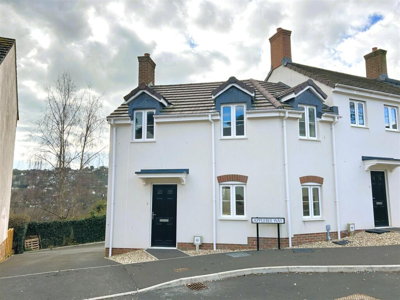
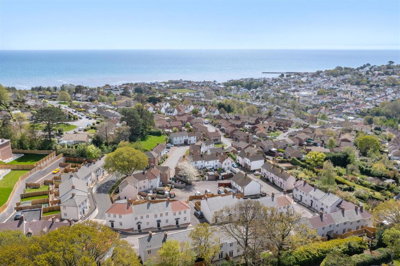
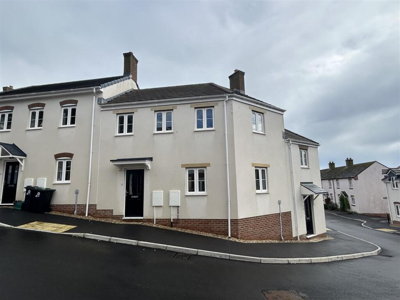
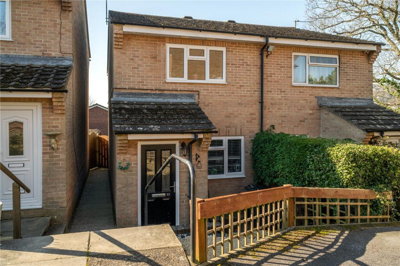
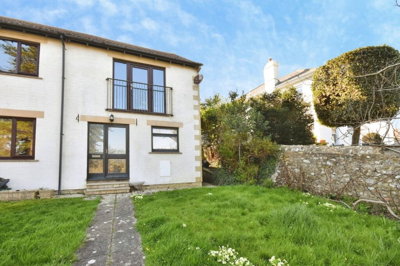
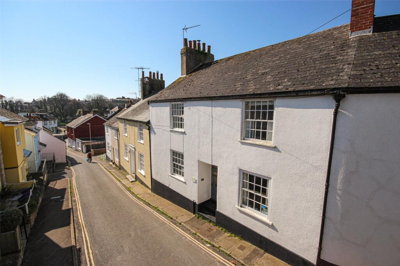
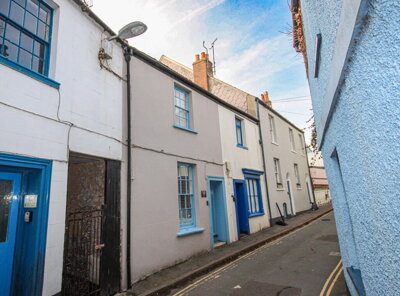
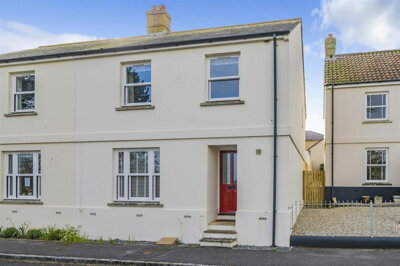
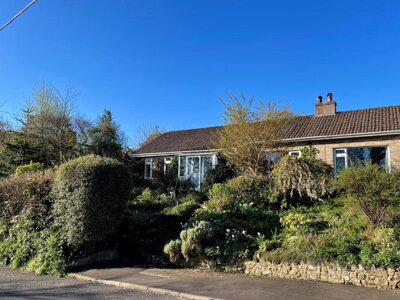
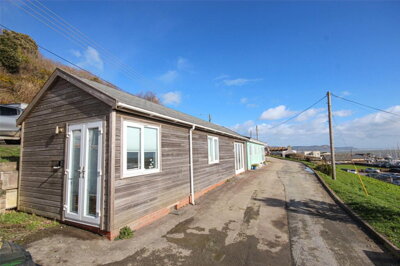
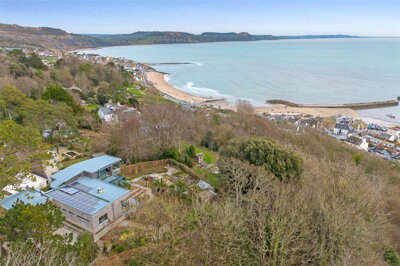
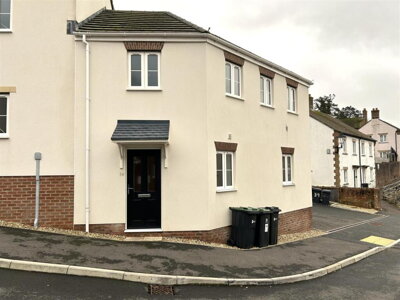
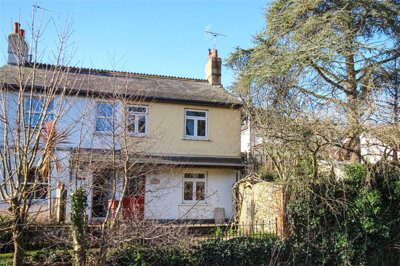
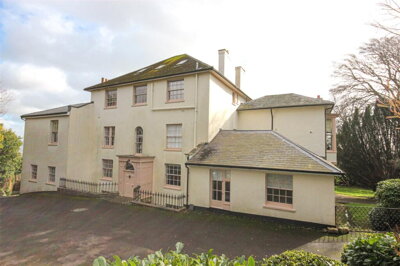
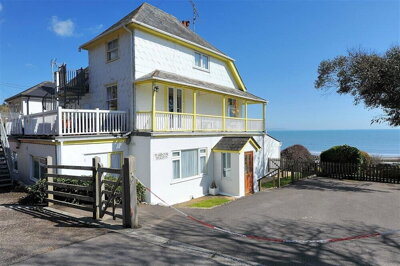
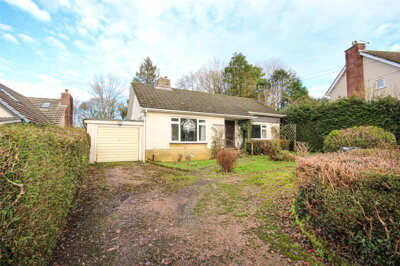
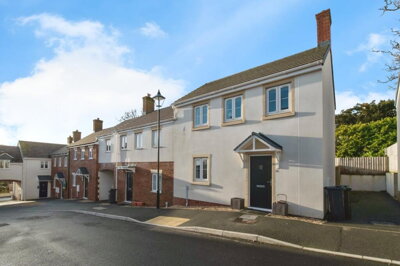
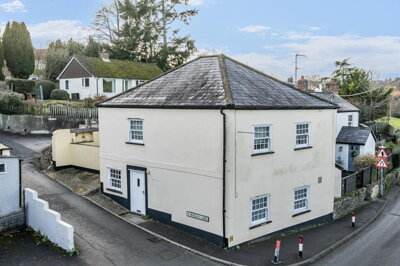
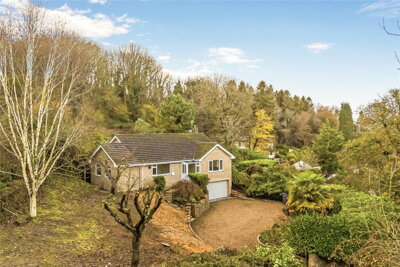
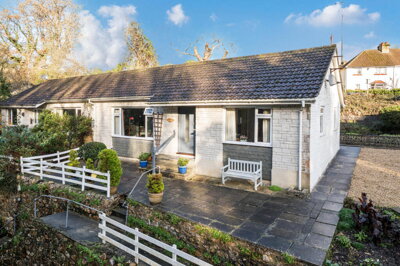
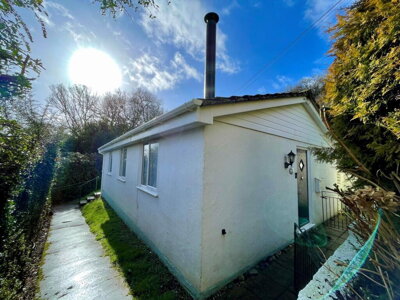
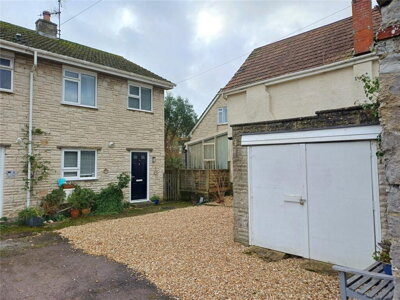
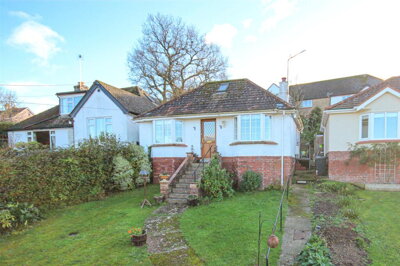
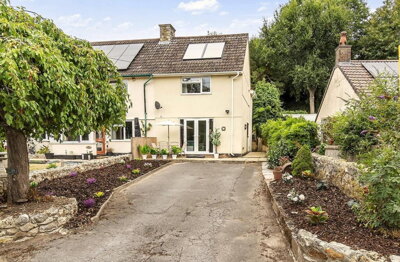
Browse 41 homes for sale in DT7 from local estate agents.
The 2 bed house market features detached, semi-detached, and terraced properties with two separate bedrooms plus living spaces. Properties in DT7 range from Victorian and Edwardian period homes to modern new builds, with pricing varying across different neighbourhoods.
£275k
15
5
128
Source: home.co.uk
Showing 15 results for 2 Bedroom Houses for sale in DT7. 5 new listings added this week. The median asking price is £275,000.
Source: home.co.uk
Terraced
9 listings
Avg £316,111
Detached
3 listings
Avg £433,333
Semi-Detached
3 listings
Avg £320,000
Source: home.co.uk
Source: home.co.uk
£508,362
Average House Price
£669,304
Detached Properties
£407,643
Semi-Detached Properties
£431,472
Terraced Properties
£329,133
Flats and Apartments
Our platform showcases properties across DT7 from established local estate agents, providing buyers with comprehensive access to the current housing stock. Detached properties command the highest prices in the area, with Zoopla reporting average values of £669,304 for standalone houses, reflecting the premium nature of these homes with their sea views and generous gardens. Semi-detached homes offer more accessible entry points to the Lyme Regis property market at around £407,643, while terraced properties average £431,472, representing the town's historic core with its charming period cottages and townhouses lining the narrow streets leading down to the harbour.
Flats in DT7 start from approximately £329,133, making them the most affordable route onto the property ladder in this sought-after coastal location. The market has shown relative stability over the past year, with Home.co.uk recording 3 property sales in October 2025 and historical data from Rightmove indicating prices are similar to the 2023 peak of £535,892, having dipped just 2% from the previous year. Monmouth Park represents a notable new-build opportunity within the postcode, offering a range of two to five-bedroom properties that appeal to families seeking modern construction without sacrificing the town's character. House prices in specific DT7 areas have experienced more fluctuation, with DT7 3 recording a 9.2% decline according to Housemetric data as of February 2026, suggesting that micro-market conditions vary considerably within the broader postcode.
Lyme Regis itself is built upon a steep hillside that has been actively eroding over time, creating a unique geological setting that influences property construction and values throughout the town. The local topography means that properties higher up the slopes may benefit from panoramic views but often require specialist construction techniques, with many homes built using traditional materials like Blue Lias limestone, Portland Stone, and locally sourced cob. This geological complexity contributes to the diverse character of the housing stock, from humble fishermen's cottages to substantial Georgian townhouses overlooking the historic Cobb harbour wall.
The town's economy relies heavily on tourism as part of the Jurassic Coast, which attracts visitors year-round and supports a vibrant local community of independent shops, cafes, and restaurants. Beyond hospitality, the accommodation and food sector employs many local residents, alongside traditional fishing operations with 14 registered vessels in the harbour. Lyme Regis Industrial Estate provides employment in more traditional sectors, while the town's growing reputation as a remote working destination has attracted professionals seeking the quality of life that coastal living offers. This economic mix shapes housing demand, with properties appealing to retirees, families, and those working flexibly from home.

Life in DT7 revolves around the sea, with the harbour and beaches forming the focal point for residents and visitors throughout the year. The town centre retains its historic character, with narrow streets and alleyways revealing unexpected views across Lyme Bay to the cliffs of the Jurassic Coast. Independent retailers line the main shopping areas, offering everything from fresh seafood to artisanal gifts, while the town's restaurants and cafes draw on local produce to create menus that celebrate Dorset's culinary heritage. The sense of community remains strong despite the seasonal influx of tourists, with local events, markets, and festivals providing entertainment throughout the year.
The natural landscape surrounding DT7 offers exceptional opportunities for outdoor recreation, with the South West Coast Path passing through Lyme Regis on its journey along one of Britain's most dramatic coastlines. Walking, fossil hunting, and beach activities draw families to the area, while the clear waters of Lyme Bay support sailing, kayaking, and angling pursuits. The town also serves as a base for exploring inland Dorset, with the rolling hills of the Blackmore Vale accessible by car and the markets of Axminster and Bridport providing additional cultural and shopping destinations. The blend of coastal living, natural beauty, and practical amenities makes Lyme Regis one of Dorset's most desirable places to call home.
The community spirit in Lyme Regis manifests through numerous local initiatives and groups that bring residents together across all ages and backgrounds. From the annual carnival week to the fossil festival celebrating the town's geological heritage, there are regular opportunities for social engagement that many newcomers find surprisingly welcoming. The town also maintains essential services including a health centre, primary school, and variety of shops that serve daily needs without requiring travel to larger centres, making it viable as a full-time residence rather than merely a holiday destination.

Understanding the local geology proves essential for anyone buying property in DT7, as the underlying ground conditions significantly influence construction methods, maintenance requirements, and potential structural risks. Lyme Regis sits on a geological formation known as a syncline, with Blue Lias limestone at the base, overlaid by the Shales with Beef and Black Ven formations, then topped with Greensand and chalk. This layered structure of stone, clay, and sand creates inherent instability, particularly where clay layers meet permeable sandstone and sandy soil, making the cliffs prone to landslides and ground movement that can affect properties throughout the town.
The building materials used in Lyme Regis reflect this local geology and long history of construction. Blue Lias stone has been quarried locally for centuries and features extensively in older properties throughout the town, while Portland Stone imported for the rebuilding of The Cobb after 1820 also appears in other seafront structures. Many older cottages in the historic core use rendered cob, a traditional mix of earth, straw, and manure that offers excellent thermal mass but requires careful maintenance using breathable lime-based products rather than modern cement renders that can trap moisture and cause deterioration. Chertstone, formed from siliceous nodules from the Upper Greensand, appears in rubble stone walls particularly in areas further from the seafront.
Clay-rich soils underlying much of Lyme Regis create specific challenges through shrink-swell behaviour, where the clay absorbs moisture during wet periods and contracts during dry spells, causing ground movement that can affect property foundations. The British Geological Survey's GeoSure data identifies areas of potential ground movement in the region, and our inspectors routinely check for signs of this type of movement including cracking patterns, sticking doors and windows, and uneven floors. Properties on steeper plots or those with nearby trees and vegetation that extract moisture from the soil face elevated shrink-swell risks that buyers should investigate thoroughly before committing to a purchase.
Families considering a move to DT7 will find a range of educational options within reasonable reach, from primary schools serving the immediate Lyme Regis community to secondary schools in nearby towns. The local education landscape in Dorset reflects the county's mix of rural and coastal communities, with maintained schools and academies providing choices for parents at every stage of their children's education. Understanding catchment areas and admission arrangements becomes particularly important in this part of Dorset, where smaller school rolls and geographic isolation can create specific enrollment patterns that differ from urban markets.
Primary education in Lyme Regis is served by local village schools that have historically achieved good outcomes, with small class sizes often cited as advantages of the area's educational provision. For secondary education, students typically travel to schools in surrounding towns, with transport arrangements and journey times forming an important consideration for working families. The county's selective education system means that grammar schools in nearby locations may attract academically strong students from across the DT7 area, with parents encouraged to research individual school performance data and admission criteria when planning their property search around educational needs.
The relatively small scale of education in the DT7 area brings both advantages and considerations for families. Small class sizes allow for more individual attention from teachers, and community schools often benefit from strong parental involvement that supports pupil achievement. However, the range of specialist subjects and extracurricular activities available may be more limited than in larger urban schools, and families with children having specific needs or talents should verify that appropriate provision exists locally. Transport to secondary schools in Axminster, Bridport, or beyond requires careful planning, with school bus services operating but journey times potentially lengthy depending on the specific school and home location within DT7.
The DT7 postcode occupies a relatively isolated position on the Dorset coast, which shapes both the character of the area and practical considerations for daily commuting. Lyme Regis sits at the end of minor road connections, with the A35 providing the main route inland toward Honiton and the M5 motorway beyond. This coastal location means that access to major employment centres requires either a significant commute by car or acceptance of longer rail journeys, factors that influence the profile of buyers attracted to the area and often correlate with self-employment, remote working, or retirement.
Rail connections from the nearest stations offer access to mainline services, though journey times to London and other major cities reflect the rural nature of the railway network in West Dorset. Axminster station, approximately 13 miles inland, provides the closest rail access with services connecting to Exeter St David's, Bristol Temple Meads, and London Waterloo via Salisbury. These journey times, typically around two and a half hours to London, make regular commuting impractical for most workers but manageable for those with flexible arrangements or who travel less frequently.
Bus services provide essential connectivity for those without cars, linking Lyme Regis with surrounding towns and villages, though frequencies may be limited compared to urban routes. For residents working in Exeter, Taunton, or other regional centres, the practicalities of commuting from DT7 require careful consideration during the property search, with journey times and parking availability at stations forming important factors in location decisions. Many residents accept that car ownership is effectively essential for daily life in DT7, though the compact nature of the town itself means that most everyday destinations can be reached on foot or by bicycle.
Properties in DT7 present unique considerations that buyers should carefully evaluate before committing to a purchase, particularly given the town's distinctive geological setting and heritage status. Lyme Regis sits on a steep hillside with underlying Blue Lias limestone and clay layers, making the area inherently prone to ground movement and landslides that can affect property structures over time. Signs of structural movement, cracking, or previous repair work should be investigated thoroughly by a qualified surveyor, and buyers should consider requesting geological surveys for properties on challenging plots.
The extensive Conservation Area covering Lyme Regis and the presence of over two hundred listed buildings means that many properties in DT7 carry planning restrictions that affect what owners can do with their homes. Exterior alterations, extensions, and even internal changes may require Listed Building Consent or planning permission from West Dorset District Council, adding complexity and cost to any renovation projects. The Cobb itself, the town's iconic harbour wall, holds Grade I listed status, and other significant structures including St Michael's Parish Church in Church Street add to the heritage landscape that buyers should understand before purchasing period properties in the town.
Coastal flooding and storm damage represent genuine risks for properties in Lyme Regis, particularly those close to the harbour and The Cobb, which has suffered severe damage from storm surges in the past including the catastrophic event of 1824. Properties on Monmouth Beach and lower-lying areas carry elevated flood risk that should be assessed using Environment Agency maps and discussed with current owners about any history of flooding. Buildings insurance costs may reflect these risks, and mortgage lenders will require flood risk assessments as part of their lending criteria for coastal properties.
The building materials used in local properties reflect Lyme Regis's geology and history, with many older homes constructed from local Blue Lias stone, rendered cob, and Portland Stone imported for seafront structures. These materials require specific maintenance approaches that differ from modern construction, with lime mortar and breathable materials preferred over cement-based products that can trap moisture and cause deterioration. Understanding the maintenance requirements and repair costs associated with traditional construction methods helps buyers budget accurately for ongoing ownership costs beyond the purchase price. Properties built with non-standard construction techniques, including cob walls and traditional timber-framed structures, often require specialist insurance coverage that can cost more than standard policies.
Explore listings across DT7 on Homemove to understand current pricing, property types available, and how homes in specific areas like Lyme Regis town centre compare with those in surrounding villages. Consider engaging with local estate agents who have specialist knowledge of the Jurassic Coast property market.
Once you have identified properties of interest, arrange viewings through our platform and simultaneously apply for a mortgage agreement in principle from a lender. This demonstrates your seriousness as a buyer and helps you understand your budget before committing to specific properties.
When you find your ideal home, submit an offer through the selling agent and, once accepted, instruct a conveyancing solicitor immediately. Given the unique geology and prevalence of listed buildings in DT7, choosing a solicitor with experience of Dorset property transactions is advisable.
Your mortgage lender will require a valuation, but we strongly recommend booking a RICS Level 2 Survey given the age of many properties in Lyme Regis and the local risks from coastal erosion and unstable ground. The survey will check for structural issues, damp, and other defects common in period properties constructed from traditional materials.
Once surveys and searches are satisfactory, your solicitor will exchange contracts and agree a completion date. On completion day, the remaining funds are transferred and you receive the keys to your new home in DT7.
Average house prices in DT7 currently stand at around £508,362 according to Zoopla data, with Rightmove recording a slightly higher average of £534,625. Detached properties command the highest prices at approximately £669,304, while flats offer more accessible entry at around £329,133. The market has remained relatively stable over the past year, with prices similar to the 2023 peak of £535,892, though some micro-areas within DT7 have experienced more significant fluctuations including DT7 3 which recorded a 9.2% decline according to Housemetric data.
Properties in DT7 fall under Dorset Council following local government reorganisation, with council tax bands ranging from A to H depending on the property's assessed value. Banding information is available through the Valuation Office Agency, and buyers can check specific bands using online property databases or by requesting this information during the conveyancing process. Given the range of property types in Lyme Regis from modest flats to substantial Georgian townhouses, council tax costs vary considerably across the postcode.
Primary education in the DT7 area is served by local village schools serving the Lyme Regis community, with small class sizes often cited as advantages of the area's educational provision. For secondary education, students typically travel to schools in surrounding towns, and the county's selective system means grammar schools in nearby locations such as Axe Valley Community School in Axminster may attract academically strong students from across the DT7 area. Parents should research individual school performance data, Ofsted ratings, and admission criteria directly through official channels when planning a family move to DT7.
DT7 occupies a relatively isolated position on the Dorset coast, with Axminster station approximately 13 miles inland providing the nearest rail access and journey times to London Waterloo of around two and a half hours. Bus services link Lyme Regis with surrounding towns and villages, though frequencies are more limited than urban routes, typically operating hourly or less frequently on many routes. The A35 provides the main road connection inland toward Honiton and the M5 motorway, making car ownership practical for most residents, though many everyday destinations in the compact town centre can be reached comfortably on foot.
Lyme Regis benefits from strong tourism demand as part of the Jurassic Coast World Heritage Site, supporting a holiday let market that attracts investors seeking rental income from the town's visitors throughout the year. The limited supply of properties in this coastal location, combined with steady demand from buyers seeking the quality of life that Lyme Regis offers, can support capital growth over longer timeframes. However, the unique geological risks, heritage restrictions on listed buildings and properties in the Conservation Area, and seasonal nature of tourism income should be carefully evaluated against individual investment objectives before committing to a purchase.
For standard residential purchases, stamp duty rates from April 2025 start at 0% on the first £250,000 of property value, rising to 5% on amounts between £250,001 and £925,000, 10% up to £1.5 million, and 12% above that threshold. First-time buyers benefit from increased thresholds, paying 0% up to £425,000 and 5% between £425,001 and £625,000. Given the average property price in DT7 exceeds £500,000, most buyers will pay some stamp duty, and those purchasing higher-value detached properties averaging £669,304 should budget for rates in the 5% bracket on amounts above £250,000.
The unique geology of Lyme Regis, built on an actively eroding hillside with clay layers prone to shrink-swell movement, creates structural risks that buyers should understand before purchasing. Properties within the extensive Conservation Area and the many listed buildings require special permissions for alterations, adding complexity and cost to any renovation plans. Coastal flooding risk affects lower-lying areas near the harbour and The Cobb, which suffered catastrophic damage in the 1824 storm surge, and buildings insurance costs may be higher than inland properties. A thorough RICS Level 2 Survey is essential for any property in DT7 to identify these potential issues before commitment, with surveys typically costing between £350 and £600 depending on property size and complexity.
From 4.5% APRC
Compare mortgage deals from leading lenders
From £499
Solicitors experienced in DT7 property transactions
From £350
Essential for period properties and coastal homes
From £60
Energy performance certificate for DT7 properties
Budgeting for stamp duty and associated purchase costs forms a crucial part of any property transaction in DT7, and understanding these expenses before making an offer helps buyers avoid financial surprises during the conveyancing process. The current SDLT thresholds for standard residential purchases in England mean that a property valued at the DT7 average of around £508,000 would attract no duty on the first £250,000, then 5% on the remaining £258,000, totalling approximately £12,900 in stamp duty. First-time buyers purchasing at this price point would pay around £4,150, benefiting from the increased threshold that removes duty on the first £425,000 of value.
Beyond stamp duty, buyers should budget for solicitor fees that typically start from £499 for conveyancing, though complexity increases costs significantly, particularly for listed buildings where additional research and consents may be required. Survey costs vary by property type and value, with RICS Level 2 Surveys starting from around £350 for smaller properties but rising to £500 or more for substantial family homes typical of the DT7 market. Properties valued over £500,000 average survey costs of approximately £586 according to industry data, while larger homes with four or five bedrooms can cost £495 to £559 or more depending on complexity.
Mortgage arrangement fees, valuation charges, and land registry fees add further costs that can total several thousand pounds, meaning buyers should ensure they have funds beyond the deposit to cover these expenses comfortably. Search fees for the local area, drainage and water enquiries, and environmental searches addressing the geological conditions and flood risk in Lyme Regis form part of the standard conveyancing package. Given the prevalence of older properties and the coastal location, additional surveys such as a specific flood risk assessment or structural engineer's report may be advisable for properties in higher-risk areas, adding to the overall budget that buyers should plan for when calculating the true cost of purchasing in DT7.
Properties for Sale In London

Properties for Sale In Plymouth

Properties for Sale In Liverpool

Properties for Sale In Glasgow

Properties for Sale In Sheffield

Properties for Sale In Edinburgh

Properties for Sale In Coventry

Properties for Sale In Bradford

Properties for Sale In Manchester

Properties for Sale In Birmingham

Properties for Sale In Bristol

Properties for Sale In Oxford

Properties for Sale In Leicester

Properties for Sale In Newcastle

Properties for Sale In Leeds

Properties for Sale In Southampton

Properties for Sale In Cardiff

Properties for Sale In Nottingham

Properties for Sale In Norwich

Properties for Sale In Brighton

Properties for Sale In Derby

Properties for Sale In Portsmouth

Properties for Sale In Northampton

Properties for Sale In Milton Keynes

Properties for Sale In Bournemouth

Properties for Sale In Bolton

Properties for Sale In Swansea

Properties for Sale In Swindon

Properties for Sale In Peterborough

Properties for Sale In Wolverhampton

Enter your details to see if this property is within your budget.
Loans, cards, car finance
Estimated property budget
Borrowing + deposit
You could borrow between
Typical borrowing
Monthly repayment
Est. at 4.5%
Loan-to-value
This is an estimate only. Your actual budget may vary depending on interest rates, credit history, and personal circumstances. For an accurate affordability assessment, speak to one of our free mortgage advisors.
This calculator provides estimates for illustrative purposes only and does not constitute financial advice. Your home may be repossessed if you do not keep up repayments on your mortgage. Estimates based on 4.5% interest rate, repayment mortgage. Actual rates depend on your circumstances.
Homemove is a trading name of HM Haus Group Ltd (Company No. 13873779, registered in England & Wales). Homemove Mortgages Ltd (Company No. 15947693) is an Appointed Representative of TMG Direct Limited, trading as TMG Mortgage Network, which is authorised and regulated by the Financial Conduct Authority (FRN 786245). Homemove Mortgages Ltd is entered on the FCA Register as an Appointed Representative (FRN 1022429). You can check registrations at NewRegister or by calling 0800 111 6768.

We use cookies to show you personalised content and improve your experience of our website. Find out more in our Privacy policy and Cookie policy.