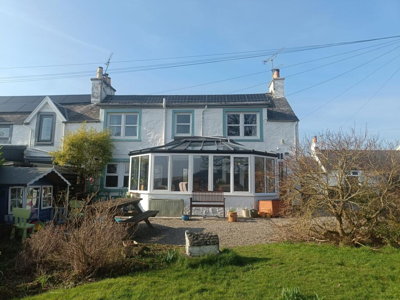
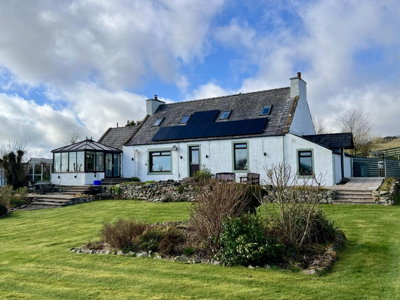
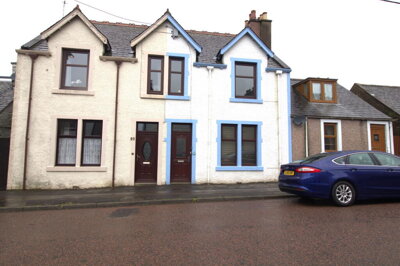
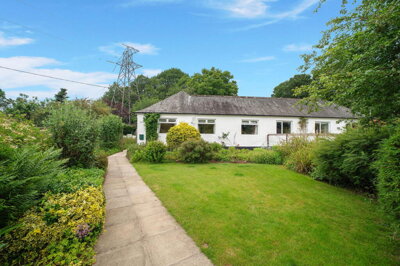
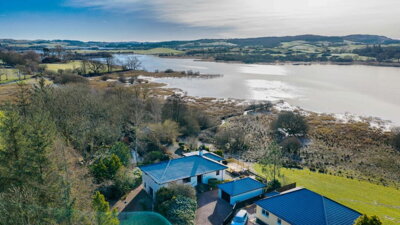
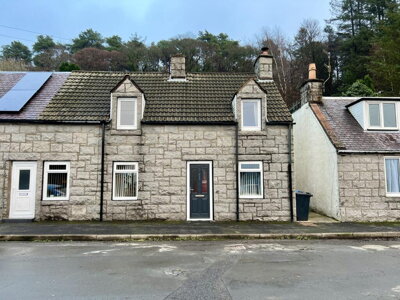
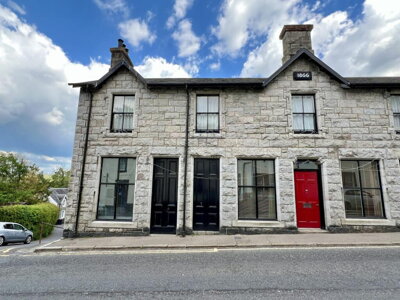
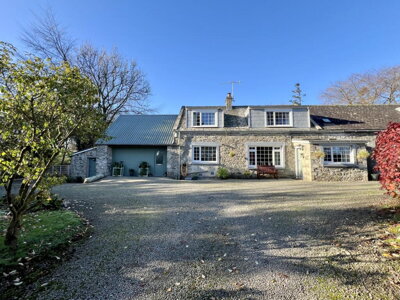
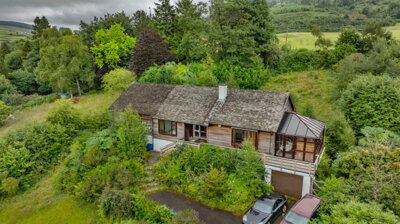
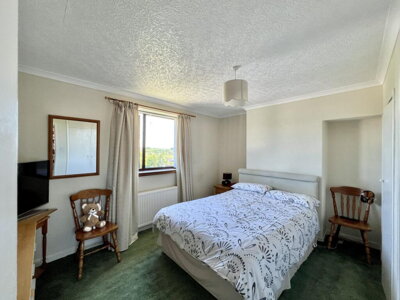
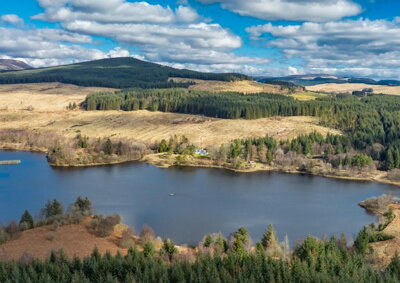
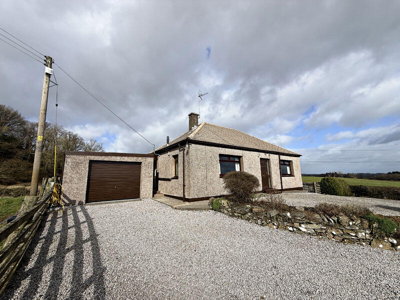
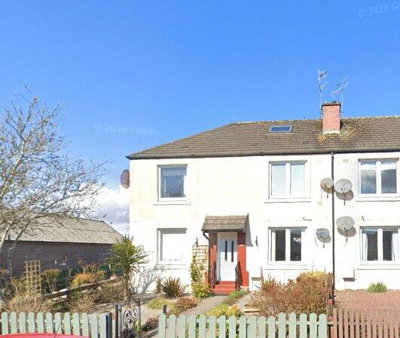
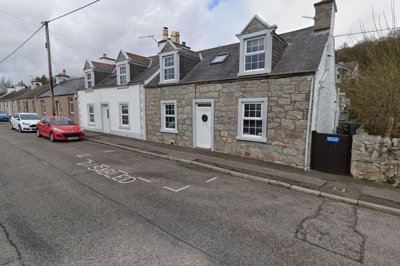
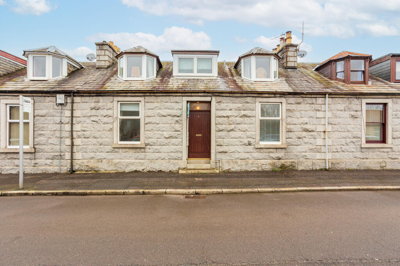
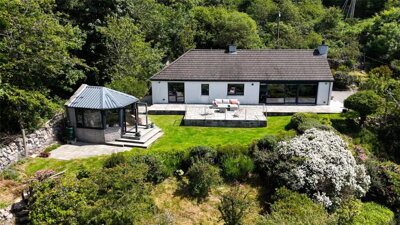
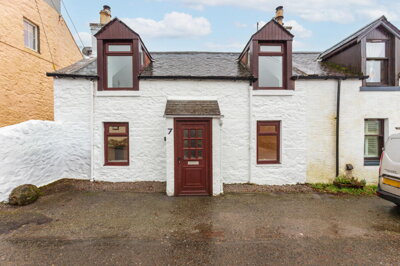
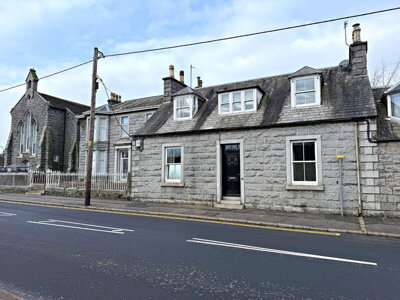
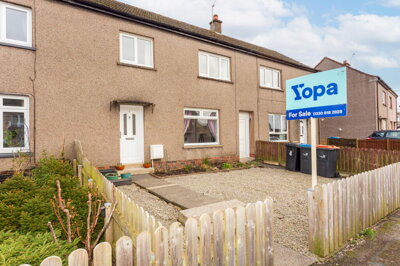
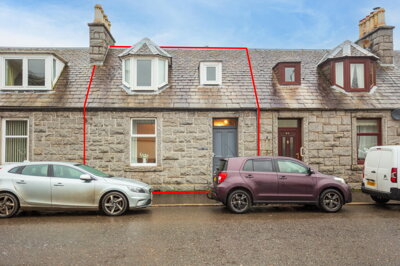
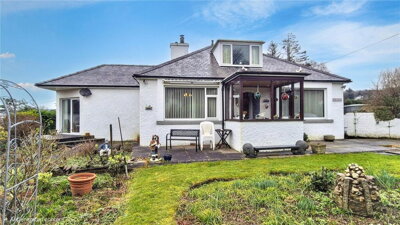
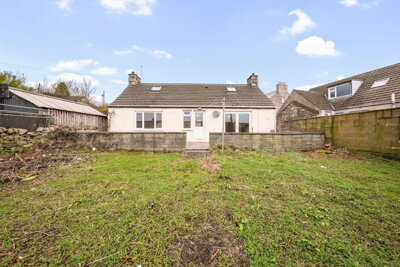
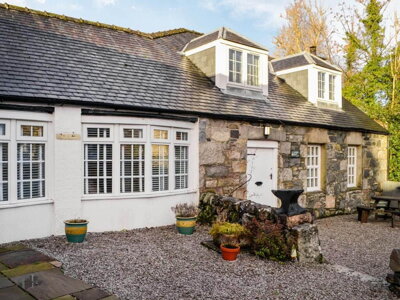
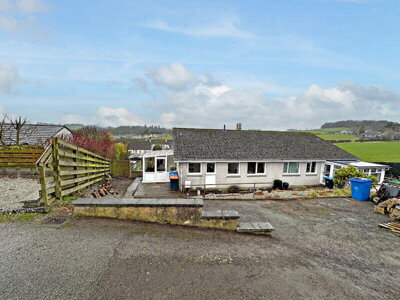
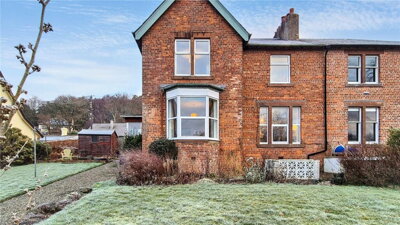
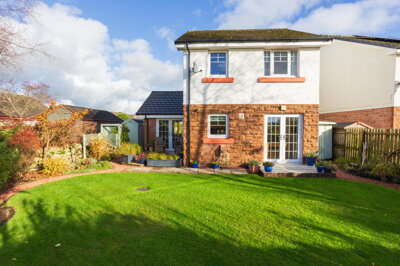
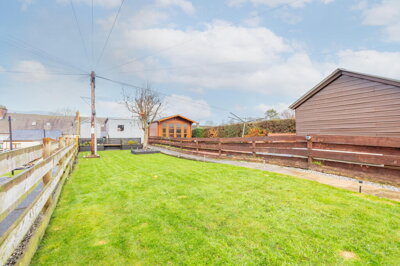
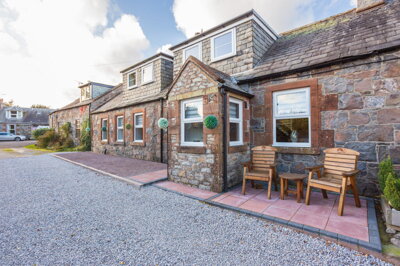
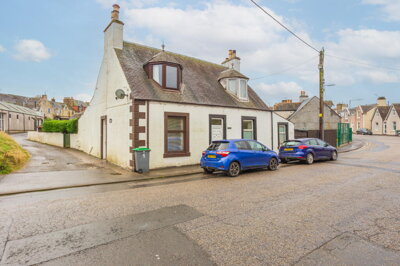
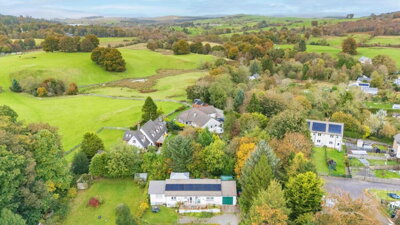
Browse 39 homes for sale in DG7 from local estate agents.
Three bedroom properties represent a significant portion of the DG7 housing market, offering space for families with multiple reception rooms and gardens in many cases. Browse detached, semi-detached, and terraced options ranging from period character homes to contemporary developments.
£240k
6
2
152
Source: home.co.uk
Showing 6 results for 3 Bedroom Houses for sale in DG7. 2 new listings added this week. The median asking price is £240,000.
Source: home.co.uk
Detached
2 listings
Avg £390,000
Semi-Detached
2 listings
Avg £255,000
Terraced
2 listings
Avg £165,000
Source: home.co.uk
Source: home.co.uk
The DG7 property market has shown steady performance over the past year, with overall property prices rising approximately 3% compared to the previous 12 months. While still sitting around 5% below the 2022 peak of £243,439, the market demonstrates resilience and continued buyer interest in the Castle Douglas area. Our listings include properties across all main categories, from starter homes to substantial family residences. Recent sales data indicates strong activity in the detached property sector, reflecting buyer demand for family homes with gardens and space.
Property prices in DG7 vary significantly by type. Detached homes command the highest values, averaging around £314,902 according to recent market data. Semi-detached properties provide excellent value at approximately £189,115, while terraced homes start from around £150,122. Flats in the DG7 area typically sell for £123,847, making them an affordable entry point for first-time buyers or those seeking a low-maintenance property. The market benefits from a good selection of older stone-built properties that offer character and solid construction using local materials like sandstone and granite.
New build activity in DG7 remains limited, with most available properties being existing homes rather than newly constructed developments. Dumfries and Galloway Council's planning portal would provide details on any active developments in the area. Many properties available do show recent renovations, offering buyers the character of older homes with modern comforts. This blend of traditional and updated properties gives the DG7 market a distinctive character where period features often combine with contemporary fixtures.
The housing stock in DG7 reflects the area's long history, with a significant proportion of properties dating from the Victorian and Edwardian periods. These older homes were typically constructed using local materials including red sandstone quarried from nearby sources and granite from the nearby hills. When evaluating properties, understanding the construction era and materials helps assess maintenance requirements and potential renovation opportunities.

The DG7 area sits within the scenic Stewartry of Kirkcudbright, one of Scotland's most picturesque regions. Castle Douglas serves as the main service centre for the surrounding area, offering a range of amenities including independent retailers, cafes, restaurants, and a weekly farmers market. The town has a population of around 4,000 and retains a traditional market town character with its Victorian and Edwardian architecture built predominantly from local sandstone. The nearby Carlingwark Loch provides a beautiful natural setting for walks and water activities, while the town itself has good sports facilities including tennis courts and a swimming pool.
Dumfries and Galloway as a region has a population of approximately 145,700 according to 2022 estimates, having experienced a modest decline of 3.4% over the preceding decade. The local economy is diverse, with health industries representing the largest employment sector at 17.9%, followed by agriculture, forestry, and fishing at 13.4%. Retail, construction, and professional services also provide significant employment opportunities. The median monthly pay for employees in the area is around £2,115, which is approximately 9.7% below the Scottish national median, reflecting the rural nature of the economy and lower cost of living.
The wider DG7 area encompasses several attractive towns and villages beyond Castle Douglas. Kirkcudbright to the south has a strong artistic heritage and hosts regular art exhibitions in its galleries. Thornhill offers a smaller village atmosphere with Georgian architecture and access to the A76 connecting to Dumfries and Ayrshire. The area is bounded to the south by the Solway Firth, with beautiful coastal walks and the opportunity to spot wildlife including seals and seabirds. The Galloway Forest Park lies to the north, offering 300 square miles of woodland, lochs, and hills for outdoor enthusiasts.
Businesses in Dumfries and Galloway showed increased confidence in the local economy by late 2025, with nearly half planning for growth. The area's quality of life continues to attract buyers from urban centres seeking more space and a better work-life balance. Remote working opportunities have made rural living increasingly practical for many buyers considering the DG7 area.

Education provision in DG7 serves families well with a range of primary and secondary schools. Castle Douglas Primary School provides education for children in the town itself, while several smaller primary schools in surrounding villages serve their local communities. Primary schools in the area typically follow the Scottish Curriculum for Excellence framework, providing a broad general education through to the end of P7. The small class sizes common in rural schools can offer children excellent individual attention and support during their early education years.
Secondary education is available at Castle Douglas High School, which serves as the main secondary school for the DG7 postcode area. The school offers education from S1 through to S6, preparing pupils for National 4 and 5 qualifications as well as Highers and Advanced Highers for those pursuing further education. For families in the Thornhill area, Wallace Hall Academy provides an alternative secondary option with a strong reputation for academic achievement. Kirkcudbright Academy serves secondary pupils from the Kirkcudbright area, extending the range of schooling options within DG7.
Young people aged 16 and over seeking further education can access courses at Dumfries College, which offers a range of vocational and academic qualifications. The college provides pathways into higher education as well as industry-specific training for sectors including health, business, and computing. For those aspiring to university study, Dumfries is also home to a University of Glasgow campus offering degree programmes in various subjects. The smaller scale of educational institutions in DG7 means students often benefit from closer relationships with teachers and more individualised learning support compared to larger urban schools.
Transport connections from DG7 rely primarily on road infrastructure, with the A75 trunk road running through Castle Douglas connecting the area east to Dumfries and west to Stranraer. This primary route forms the main artery for both local journeys and longer-distance travel. The A713 provides an alternative route south towards Kirkcudbright and the coast, while the A76 connects DG7 to Thornhill and onwards to Ayrshire. The road network is generally well-maintained, though visitors should be prepared for the mix of A-roads and single-carriageway B-roads typical of rural Scotland.
Rail connections from DG7 require travel to Dumfries station, which offers regular services to major destinations. Journey times from Dumfries to Edinburgh take approximately 1 hour 50 minutes, while Glasgow services run around 2 hours 40 minutes. The nearest mainline station provides access to Scotland's central belt and beyond, though the journey involves a drive of around 30-40 minutes from Castle Douglas. Bus services operated by Stagecoach and other providers connect Castle Douglas with Dumfries and local villages, though frequencies are more limited than in urban areas and may require planning for those accustomed to city public transport.
For air travel, Glasgow Prestwick Airport is accessible within approximately 90 minutes by car, offering flights to various UK and European destinations. Glasgow International Airport and Edinburgh Airport are also reachable within around 2 hours for those requiring a broader range of flight options. The Port of Cairryan and Stranraer provide ferry connections to Northern Ireland, making DG7 relatively well-placed for those requiring access to Irish Sea crossings. Many residents of DG7 find that working remotely or maintaining flexible arrangements makes rural living practical, as daily commuting to major cities is not feasible from this location.
Start by exploring listings on Homemove to understand what properties are available and at what prices. DG7 offers diverse options from terraced cottages to detached family homes, with prices ranging from around £124,000 for flats to over £300,000 for detached properties. Understanding the local market will help you set realistic expectations and identify good value when it arises. Take time to understand the different areas within DG7, from Castle Douglas town centre to the surrounding villages, as each offers distinct character and varying price points.
Before arranging viewings, approach a lender to obtain an Agreement in Principle for your mortgage. This confirms how much you can borrow and demonstrates to sellers that you are a serious buyer. With average prices around £232,000 in DG7, most buyers will require a mortgage rather than cash purchase. Contact Homemove's mortgage partners to compare rates and find the best deal for your circumstances. For properties in rural areas like DG7, some lenders may require additional information about the property's construction and access arrangements.
Once you have identified properties of interest, contact the listing agents to arrange viewings. Take time to examine the property condition, check for signs of damp or structural issues, and consider the neighbourhood and local amenities. Given the age of many properties in DG7, viewings are an important opportunity to assess whether a property has been well-maintained or may require future investment. Pay particular attention to the condition of stone walls, roof coverings, and any signs of damp which are common in older properties.
Before proceeding with a purchase, we strongly recommend booking a RICS Level 2 Homebuyer Report. This survey checks the condition of the property and identifies any defects that may need attention. For older properties common in DG7, surveys often reveal issues with roofing, damp proofing, or electrical systems that may not be visible during a standard viewing. A survey typically costs between £400 and £600 depending on property size and value.
Once your offer is accepted, you will need to instruct a solicitor to handle the legal aspects of your purchase. Your solicitor will conduct searches with Dumfries and Galloway Council, handle the Land and Buildings Transaction Tax (LBTT) calculation, and manage the transfer of ownership. Homemove can connect you with conveyancing specialists familiar with the DG7 area who understand local property issues including flood risk areas and listed buildings.
After all searches are satisfactory and mortgage finance is confirmed, your solicitor will arrange for contracts to be signed and the transaction to be finalised. On completion day, you will receive the keys to your new home in DG7. The process typically takes 6-8 weeks from accepted offer to completion, though this can vary depending on chain circumstances and complexity. Factor in additional time if the property is a listed building or located in a conservation area where extra permissions may be required.
Properties in DG7 often have significant history, with many homes built using traditional construction methods and local materials. Sandstone and granite construction is common in the area, particularly in Castle Douglas and surrounding towns. These materials are generally durable but may require different maintenance approaches compared to modern brick or timber-frame properties. Understanding the construction materials used in a property will help you plan for any future repairs or improvements and assess maintenance costs realistically. The local geology means that sandstone properties may show weathering patterns specific to the regional climate, and this should be considered when assessing overall condition.
Flood risk is a consideration for some properties in DG7, particularly those near watercourses or in low-lying areas. Dumfries and Galloway falls within the Solway Plan District for Flood Risk Management, and certain areas have been identified as Potentially Vulnerable Areas. The 2013 Castle Douglas Flood Study confirmed that the Blackpark Pumps system is effective in managing upstream water levels, and passive water control on the Gelston Burn and the A75 helps stabilise Carlingwark Loch's peak level. Before purchasing, check SEPA flood hazard maps for the specific location and consider whether flood resilience measures have been implemented. Properties near Carlingwark Loch or other water features warrant particular investigation of their flood history and any existing drainage systems.
Conservation areas and listed buildings require careful consideration before purchase. Dumfries and Galloway has 36 designated conservation areas and over 3,400 listed buildings, many concentrated in the historic towns like Kirkcudbright and Castle Douglas. If you are considering a listed property, be aware that any external alterations require Listed Building Consent in addition to standard planning permission. This can restrict what renovations are possible and add time and cost to any improvement projects. A specialist building survey for listed properties may be advisable given their unique construction and heritage status.
Common defects in older DG7 properties include dampness, structural movement, and outdated electrical systems. Rising damp through failed damp-proof courses affects many period properties, while penetrating damp from roof or wall defects can cause significant damage if left untreated. Electrical wiring in older homes may date from eras when safety standards were less stringent, and a qualified electrician should inspect the fuse board, wiring age, and potential need for re-wiring before purchase. Our inspectors frequently identify these issues during surveys of traditional Scottish stone properties.
The average house price in DG7 is approximately £231,988 according to Rightmove data, with Zoopla reporting a similar figure of around £230,736. Property prices vary significantly by type, with detached homes averaging £314,902, semi-detached properties around £189,115, terraced homes at £150,122, and flats at approximately £123,847. Over the past year, prices have risen by around 3% compared to the previous 12 months, though they remain approximately 5% below the 2022 peak of £243,439. This relatively stable market makes DG7 an attractive option for buyers seeking value in south-west Scotland.
Properties in DG7 fall under Dumfries and Galloway Council and are assigned council tax bands from A through to H. Most standard family homes in the Castle Douglas area fall within bands A to C, with higher value properties and larger homes potentially in higher bands. You can check the specific band for any property through the Scottish Assessors Association website or your solicitor will obtain this information during the conveyancing process. Council tax payments fund local services including education, roads, and social care, and these costs should be factored into your monthly budget when considering a property purchase in DG7.
DG7 offers good educational options for families including primary schools such as Castle Douglas Primary School and several village primaries serving surrounding communities. Secondary education is available at Castle Douglas High School and Wallace Hall Academy in Thornhill for families in that area. The area's small class sizes can provide excellent individual support for children. Dumfries College offers further education opportunities, while the University of Glasgow campus in Dumfries provides higher education options locally without the need to travel to Scotland's major cities.
DG7 is primarily connected by road, with the A75 trunk road running through Castle Douglas providing access to Dumfries and Stranraer. Rail connections require travel to Dumfries station, offering services to Edinburgh (approximately 1 hour 50 minutes) and Glasgow (around 2 hours 40 minutes). Bus services operated by Stagecoach connect Castle Douglas with Dumfries and local villages, though frequencies are more limited than in urban areas. Most residents rely on private vehicles for daily transport, and this should be factored into any decision to relocate to the area, particularly if you currently depend on public transport for commuting.
DG7 offers potential for property investment, particularly given its relatively affordable entry prices compared to many other UK regions. The area attracts buyers seeking rural lifestyles, and properties with land or unique character features can command premium prices. Rental demand exists from local workers, though the pool of potential tenants may be smaller than in urban areas. The limited new build activity in DG7 means existing properties retain value, and the area's natural beauty and quality of life continue to attract buyers from other regions seeking to relocate. Dumfries and Galloway's local economy showed increased business confidence in late 2025, suggesting continued interest in the property market.
As DG7 is in Scotland, buyers pay Land and Buildings Transaction Tax (LBTT) rather than UK Stamp Duty. The LBTT thresholds differ from England, with no tax payable on purchases up to £145,000. For properties between £145,001 and £250,000, the rate is 2%, rising to 5% on the portion between £250,001 and £325,000. On a typical DG7 property priced around £232,000, LBTT would be approximately £1,740. First-time buyers in Scotland receive LBTT relief on properties up to £175,000, which can significantly reduce upfront costs for eligible purchasers in the Castle Douglas area.
Flood risk varies across DG7 depending on location and proximity to watercourses. The Castle Douglas area has been studied extensively, with the 2013 flood study confirming that flood management infrastructure including the Blackpark Pumps helps protect the town centre from water rising from the River Dee catchment. SEPA flood hazard maps show areas with varying flood probability, and properties near Carlingwark Loch, the Gelston Burn, or other watercourses should be investigated carefully. Your solicitor can obtain a property-specific flood risk assessment during conveyancing, and we recommend checking SEPA maps before committing to any purchase in DG7.
Traditional properties in DG7 were built using local materials including Permian and Triassic red sandstone alongside granite from nearby hills like Screel Hill. These materials are characteristic of the Stewartry of Kirkcudbright region and contribute to the distinctive appearance of towns like Castle Douglas and Kirkcudbright. Victorian and Edwardian properties typically feature solid wall construction rather than cavity walls, which affects insulation performance and can influence heating costs. Older properties may show signs of weathering specific to the local sandstone, and a survey can assess whether maintenance is required to prevent water ingress through the permeable stone.
Understanding the full costs of buying property in DG7 is essential for budgeting effectively. Scotland operates the Land and Buildings Transaction Tax (LBTT) system rather than the Stamp Duty Land Tax used in England. For purchases up to £145,000, no LBTT is payable. Between £145,001 and £250,000, the rate is 2% on the portion within this bracket. For a typical DG7 property priced at the average of around £232,000, this would result in LBTT of approximately £1,740. First-time buyers in Scotland receive relief on purchases up to £175,000, which can substantially reduce costs for eligible buyers entering the property market.
On higher value properties, LBTT increases progressively. For a detached home priced around £315,000, LBTT would be calculated as 2% on the portion between £145,000 and £250,000 (£2,100), plus 5% on the portion between £250,001 and £325,000 (£3,250), totalling £5,350. Properties above £325,000 continue to incur higher rates. Your solicitor will calculate the exact amount due and submit the return to Revenue Scotland on your behalf as part of the conveyancing process.
Beyond the purchase price and LBTT, buyers should budget for several additional costs. Solicitors fees for conveyancing typically range from £800 to £1,500 depending on complexity and whether the property is freehold or leasehold. A RICS Level 2 survey costs around £400 to £600 depending on property size and value, with older or larger properties potentially attracting higher fees. Local searches with Dumfries and Galloway Council cost approximately £250 to £300 and include drainage and environmental searches. Mortgage arrangement fees vary by lender but can range from zero to £2,000 or more, though many lenders now offer fee-free deals. Removal costs depend on distance but typically range from £500 to £2,000, while buildings insurance should be arranged from the point of exchange. Total buying costs typically add 3% to 5% to the purchase price, though some fees are negotiable and costs vary between providers.
Properties for Sale In London

Properties for Sale In Plymouth

Properties for Sale In Liverpool

Properties for Sale In Glasgow

Properties for Sale In Sheffield

Properties for Sale In Edinburgh

Properties for Sale In Coventry

Properties for Sale In Bradford

Properties for Sale In Manchester

Properties for Sale In Birmingham

Properties for Sale In Bristol

Properties for Sale In Oxford

Properties for Sale In Leicester

Properties for Sale In Newcastle

Properties for Sale In Leeds

Properties for Sale In Southampton

Properties for Sale In Cardiff

Properties for Sale In Nottingham

Properties for Sale In Norwich

Properties for Sale In Brighton

Properties for Sale In Derby

Properties for Sale In Portsmouth

Properties for Sale In Northampton

Properties for Sale In Milton Keynes

Properties for Sale In Bournemouth

Properties for Sale In Bolton

Properties for Sale In Swansea

Properties for Sale In Swindon

Properties for Sale In Peterborough

Properties for Sale In Wolverhampton

Enter your details to see if this property is within your budget.
Loans, cards, car finance
Estimated property budget
Borrowing + deposit
You could borrow between
Typical borrowing
Monthly repayment
Est. at 4.5%
Loan-to-value
This is an estimate only. Your actual budget may vary depending on interest rates, credit history, and personal circumstances. For an accurate affordability assessment, speak to one of our free mortgage advisors.
This calculator provides estimates for illustrative purposes only and does not constitute financial advice. Your home may be repossessed if you do not keep up repayments on your mortgage. Estimates based on 4.5% interest rate, repayment mortgage. Actual rates depend on your circumstances.
Homemove is a trading name of HM Haus Group Ltd (Company No. 13873779, registered in England & Wales). Homemove Mortgages Ltd (Company No. 15947693) is an Appointed Representative of TMG Direct Limited, trading as TMG Mortgage Network, which is authorised and regulated by the Financial Conduct Authority (FRN 786245). Homemove Mortgages Ltd is entered on the FCA Register as an Appointed Representative (FRN 1022429). You can check registrations at NewRegister or by calling 0800 111 6768.

We use cookies to show you personalised content and improve your experience of our website. Find out more in our Privacy policy and Cookie policy.