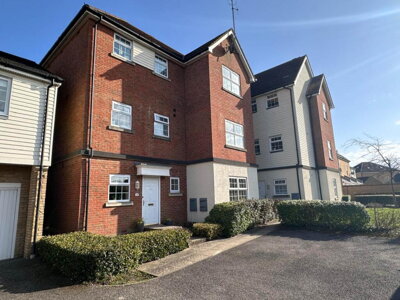
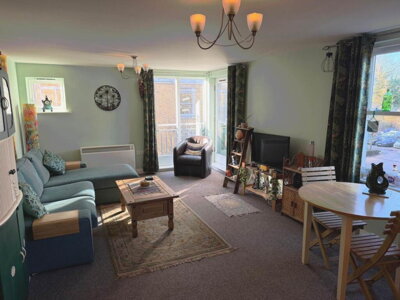
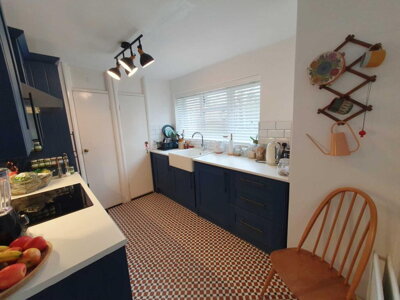
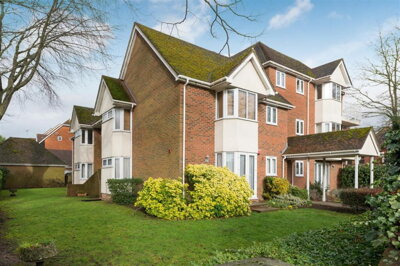
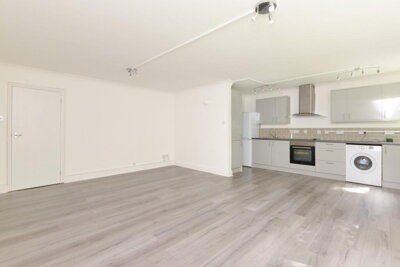
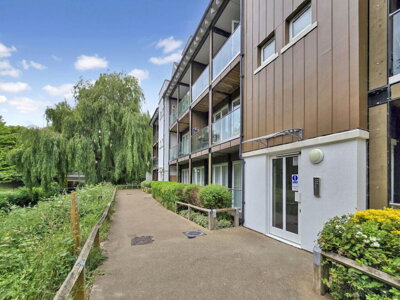
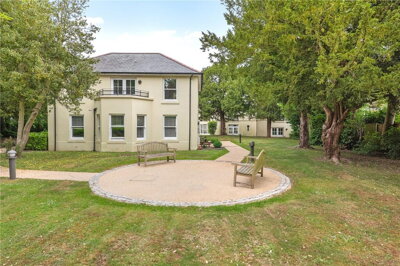
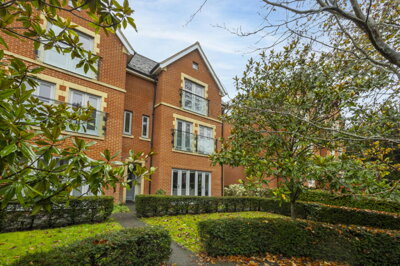
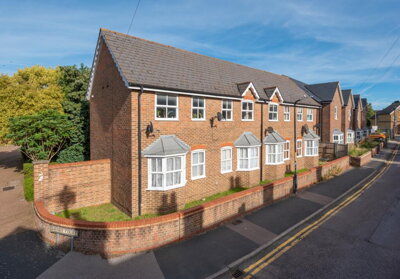
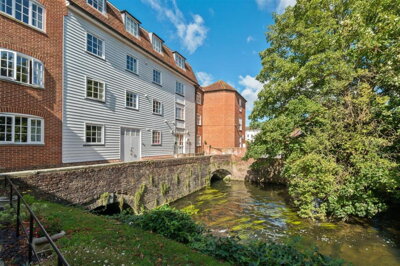
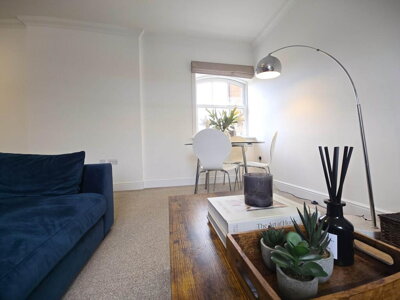
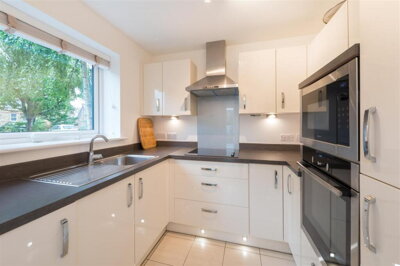
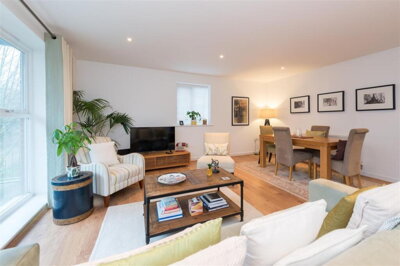
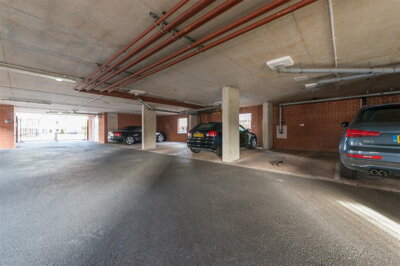
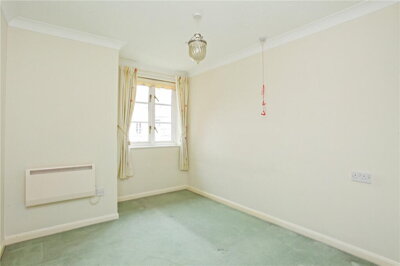
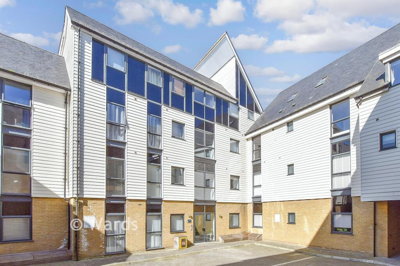
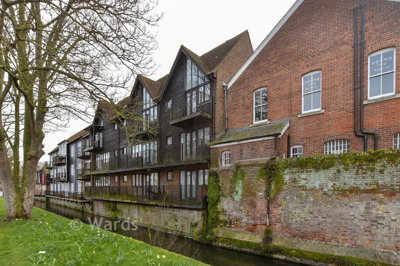
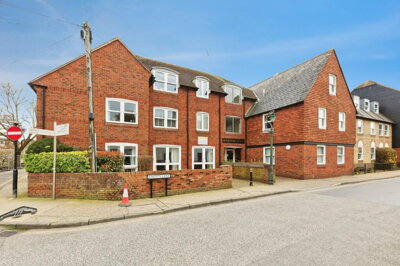
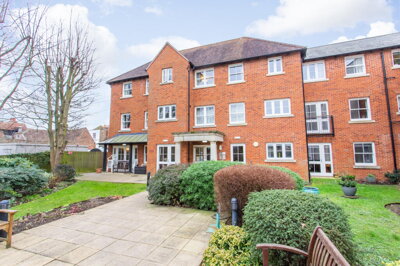
Browse 151 homes for sale in CT1 from local estate agents.
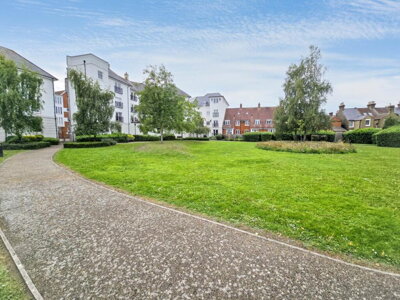
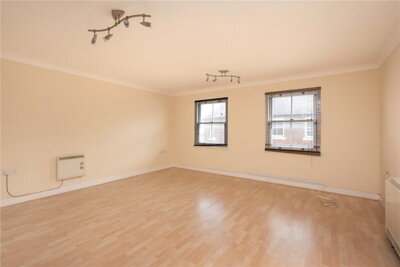
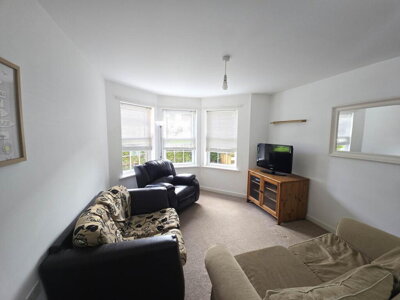
The 2 bed flat sector typically includes two separate bedrooms, dedicated living areas, and bathroom facilities. Properties in CT1 span purpose-built blocks, converted period houses, and modern apartment complexes on various floors.
£200k
46
1
130
Source: home.co.uk
Showing 46 results for 2 Bedroom Flats for sale in CT1. 1 new listing added this week. The median asking price is £200,000.
Source: home.co.uk
Flat
46 listings
Avg £214,190
Source: home.co.uk
Source: home.co.uk
The CT1 property market presents a balanced picture for buyers seeking value in Kent's premier historic city. Detached properties command the highest prices, averaging around £538,000, offering generous space and privacy for families seeking larger homes in Canterbury's suburbs. Semi-detached houses average approximately £377,000, representing strong value for buyers needing extra bedrooms and garden space without the premium attached to detached homes. These properties often feature the classic Kent brick construction common throughout the region, with many dating from the interwar period when Canterbury expanded significantly to accommodate its growing population.
Terraced properties dominate sales activity in CT1, with average prices hovering around £300,000 to £310,000 depending on the source. These characterful homes line the streets surrounding Canterbury city centre, offering excellent proximity to shops, restaurants, and cultural attractions. Many terraced properties in CT1 feature period details such as original fireplaces, high ceilings, and stripped wooden floors that appeal to buyers seeking character in their new home. Flats remain the most affordable entry point into the CT1 market, averaging approximately £201,000 to £205,000, making them particularly attractive to first-time buyers and investors targeting the strong rental demand from students and young professionals working in the city.
New build developments continue to reshape the CT1 landscape, with sites like Saxon Fields on Thanington Road offering four and five-bedroom homes priced from £548,995 to £704,995. Redrow's Larchwood development on Cockering Road brings premium four and five-bedroom family homes to the area, while Taylor Wimpey's The Gilldale scheme offers more accessible two-bedroom options from £255,000 to £287,500. These developments combine modern construction standards with Canterbury's characteristic design influences, providing buyers who prefer new homes with viable options throughout the CT1 postcode. Market activity in the broader Canterbury area saw approximately 6,400 property sales between January and October 2025, though this represents a 14.5% decrease compared to the previous year as the market adjusts to changing economic conditions.

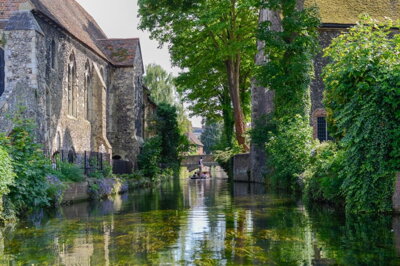
Life in CT1 revolves around the unique blend of ancient heritage and contemporary living that makes Canterbury distinctive among English cities. The city centre retains its medieval character with cobbled streets, timber-framed buildings, and the towering presence of Canterbury Cathedral, a UNESCO World Heritage Site that has drawn pilgrims and visitors for over a thousand years. Beyond the historic core, residential neighbourhoods like St. Stephens, Hales Place, and Thanington offer quieter suburban environments while maintaining easy access to central amenities. The River Stour winds through the city, providing scenic walking routes and peaceful spots for relaxation away from the busier tourist areas.
Canterbury's economy benefits from remarkable diversity, anchored by three universities that collectively employ thousands of academic and administrative staff while attracting thousands more students who support the local economy throughout the academic year. Kent and Canterbury Hospital serves as a major NHS employer, providing healthcare jobs for local residents. The tourism sector remains significant, with millions of annual visitors supporting employment across hotels, restaurants, and retail establishments throughout the city centre. Growing sectors in technology, creative industries, and professional services provide career opportunities for graduates and experienced professionals alike, ensuring Canterbury maintains a robust employment base that supports the housing market across all price ranges.
The demographic composition of CT1 reflects its dual identity as both a historic residential city and a university town. The Canterbury district contains over 73,500 people of working age, creating a population mix that includes families, young professionals, students, and retirees. This diversity shapes local demand for housing, from one-bedroom apartments suitable for young professionals to larger family homes near good schools. The presence of the universities contributes to a cultural calendar that includes festivals, exhibitions, and performances throughout the year, ensuring residents enjoy access to arts and entertainment typically found in much larger cities. Community facilities include modern leisure centres, libraries, and extensive parks that serve residents across all ages and interests.

Education provision in CT1 serves families at every stage of their children's development, from nursery through to higher education. Primary schools in the Canterbury area include St. Johns Catholic Primary School, Wincheap Primary School, and Pilgrims' Hatch Primary School, each serving their local communities with good reputations for pupil progress and welfare. Many CT1 primary schools benefit from supportive parent communities and active PTAs that enhance facilities beyond basic curriculum requirements. The Victorian and Edwardian buildings housing several primary schools in the city centre often feature period character that creates inspiring learning environments for younger children.
Secondary education in the CT1 area includes Canterbury High School, a popular non-selective school with strong academic results and extensive extracurricular programmes. St. Anselms Catholic School serves families seeking faith-based education at secondary level. Several grammar schools in the wider Canterbury area, including The Canterbury Academy and Barton Court Grammar School, provide selective pathways for academically able students who pass the Kent selection test. Parents moving to CT1 should research catchment areas carefully, as grammar school admissions depend on residence within designated travel zones. Secondary schools in Canterbury generally perform well in public examinations, with strong provision for arts, sports, and vocational subjects alongside traditional academic curricula.
Higher education defines Canterbury's educational landscape, with the University of Kent on a sprawling campus at Canterbury and Canterbury Christ Church University offering city-centre programmes in subjects ranging from humanities to healthcare. The University for the Creative Arts attracts students pursuing careers in design, media, and the arts. These institutions not only provide excellent educational pathways for local students but also generate significant economic activity through research funding, student spending, and international student recruitment. Families with older children may find university proximity a factor in their property search, particularly if supporting students through their studies or anticipating graduate return visits.

Canterbury's transport connections make CT1 an attractive base for commuters working in London or other Kent destinations. Canterbury West station provides regular Highspeed services to London St Pancras International, completing the journey in approximately 55 minutes. Canterbury East station offers additional services to London Victoria via the Chatham Main Line, with journey times around 85 minutes. This dual-station access puts Central London within comfortable daily commuting range for workers willing to accept the travel time, opening CT1 properties to a broader buyer pool seeking better value than comparable London areas.
Road connections from CT1 include straightforward access to the A2, which connects Canterbury to Dover and the Channel Ports in one direction and to the M2 motorway and Greater London in the other. The M2 provides faster motorway travel to Rochester and the Medway towns, while the A299 Thanet Way offers a direct route to the coastal towns of Whitstable and Herne Bay. For residents who need to travel to Canterbury's outlying business parks or industrial areas, car ownership remains advantageous despite adequate bus services operated by Stagecoach and other providers serving the city and surrounding villages.
Local bus services connect CT1 neighbourhoods with the city centre and major amenities including the William Harvey Hospital on the outskirts of the city. Cyclists benefit from dedicated routes along the River Stour and connecting paths to surrounding villages, though the historic city centre's narrow streets can present challenges for less confident riders. Canterbury lacks a direct tram or light rail connection, making bus services the primary alternative to car travel within the urban area. Parking in the city centre can be congested during peak tourist seasons, a factor that buyers should consider when evaluating properties near central amenities versus those in quieter suburban locations.

Obtain a mortgage agreement in principle from a lender before beginning your property search. This demonstrates your financial credibility to sellers and estate agents while helping you understand exactly what price range you can realistically afford within the CT1 market. Factor in additional costs including solicitor fees, stamp duty, and survey costs when calculating your total budget, as these can add several thousand pounds to your overall expenditure.
Visit different areas within the CT1 postcode to find the neighbourhood that best matches your lifestyle needs. Consider proximity to schools if you have children, transport connections for commuting, and the character of local amenities available in each area. Each neighbourhood within CT1 offers distinct advantages, from the period properties and river walks available near St. Stephens to the newer developments and family amenities found around Thanington and Wincheap.
Use Homemove to browse all available properties in CT1, setting up alerts for new listings that match your criteria. Book viewings promptly for properties that interest you, as desirable homes in popular CT1 areas can receive multiple offers quickly. Take notes and photographs during viewings to help compare properties later, and consider revisiting promising homes at different times of day to assess noise levels, light, and neighbour activity.
Once you find your ideal property, submit an offer through the estate agent handling the sale. Be prepared to negotiate on price and terms, particularly for properties that have been on the market for several weeks. In the CT1 market, sellers often appreciate offers that include flexible completion dates, so consider what timing works best for your circumstances when crafting your offer.
Instruct a RICS Level 2 Survey to assess the property condition before completing your purchase. Given Canterbury's historic housing stock, this survey is particularly valuable for identifying issues such as damp, roof condition, or structural concerns common in older properties. Our inspectors have extensive experience examining period properties throughout CT1, including Victorian terraces on streets like St. Martins Close and Edwardian semis in areas like Hales Place.
Appoint a conveyancing solicitor to handle the legal aspects of your purchase, including searches, contracts, and registration with the Land Registry. Your solicitor will coordinate with the seller's legal team throughout the transaction. For leasehold properties, which are common in CT1 city centre, your solicitor should carefully review lease terms including ground rent clauses and service charge obligations.
Once all legal checks are satisfactory and financing is confirmed, you will exchange contracts and pay your deposit. Completion typically follows within days or weeks, at which point you receive the keys to your new CT1 home. Our team can recommend local removal firms and tradespeople if you need assistance settling into your new property.
Properties in CT1 span a wide range of construction periods, from medieval timber-framed buildings in the city centre to brand new homes in recent developments on the outskirts. This variety means buyers should carefully assess construction type and condition when evaluating properties. Older properties in Canterbury, including the many Victorian and Edwardian terraced houses found throughout residential streets, may require more maintenance than modern equivalents. Look for signs of damp, particularly in ground floor rooms and basements, and check the condition of roofs on period properties where lead flashings and historic tiling may have deteriorated over decades.
Flood risk warrants careful consideration for properties in certain CT1 locations. Canterbury sits on the River Stour, and riverside properties may face elevated flood risk during periods of heavy rainfall. Surface water flooding can also affect low-lying areas of the city, particularly where drainage infrastructure struggles during exceptional weather events. Your survey should identify any flood risk indicators, and you should verify whether the property falls within Environment Agency flood warning zones before proceeding with your purchase. Buildings insurance costs may be higher for properties with elevated flood risk, a factor to include in your overall affordability calculations.
Conservation areas and listed buildings require special attention from buyers in CT1. Canterbury's UNESCO World Heritage Site status means extensive restrictions apply to alterations, extensions, and even external paintwork on properties within designated areas. Listed buildings carry additional obligations regarding maintenance and renovation, requiring Listed Building Consent for most works that would otherwise be permitted development. These restrictions protect the city's unique character but can significantly affect your plans for any property renovation or extension. Factor in the potential costs and time required for obtaining necessary consents when evaluating older properties in CT1's historic core.
For buyers considering leasehold flats, which form a significant portion of the CT1 market, understanding the terms of your lease is essential. Ground rent clauses, service charge levels, and the remaining lease term all affect both your immediate costs and the property's long-term value. Flats in Canterbury city centre may have shorter leases or higher service charges than comparable properties in other areas, particularly where buildings require ongoing maintenance of historic fabric. Your solicitor should report fully on lease terms before you commit to your purchase.

Understanding the full costs of purchasing property in CT1 helps you budget accurately and avoid surprises during the transaction process. Beyond the property purchase price, buyers should account for Stamp Duty Land Tax, solicitor fees, survey costs, and moving expenses. For a typical CT1 terraced property at £300,000, a standard buyer would pay £2,500 in stamp duty under current thresholds. First-time buyers purchasing properties up to £425,000 qualify for complete relief, making Canterbury an accessible market for those entering the property ladder for the first time.
RICS Level 2 Survey costs for properties in CT1 typically range from £400 to £600 depending on property size and value, with larger homes commanding higher fees. Given the significant proportion of older properties in CT1's housing stock, this survey investment is particularly valuable for identifying defects such as subsidence risk from local clay soils, roof condition issues on period properties, or damp affecting historic building fabric. For more complex properties including listed buildings or properties showing signs of structural movement, a RICS Level 3 Building Survey at higher cost provides more comprehensive assessment.
Conveyancing fees for CT1 transactions typically start from around £500 to £1,500 for standard freehold purchases, with leasehold transactions and more complex situations requiring additional work. Solicitors handle local authority searches specific to Canterbury City Council, drainage and water searches, Land Registry checks, and contract preparation. Additional costs may include Land Registry registration fees of approximately £150 to £300, and bank transfer charges. Your solicitor should provide a detailed quote at the outset covering all anticipated costs, allowing you to budget accurately for your CT1 purchase.

Average sold prices in CT1 have ranged between £324,000 and £337,000 over the past year depending on the data source consulted. Detached properties command the highest prices at approximately £538,000, while semi-detached homes average around £377,000. Terraced properties, which form the majority of sales in CT1, typically sell for approximately £300,000 to £310,000. Flats remain the most affordable option, averaging approximately £201,000 to £205,000. Market conditions have remained relatively stable with prices showing modest variations of around 1-2% year-on-year in the broader Canterbury area.
Council tax bands in CT1 vary significantly depending on property type and location. Flats and smaller terraced houses typically fall into bands A through C, while larger family homes may be banded D through F. Band G and H properties exist in more desirable areas, particularly near the city centre and in conservation zones where period properties command premium values. Canterbury City Council manages council tax collection, and current rates for 2024-25 can be verified through the council's official website or your solicitor during the conveyancing process.
CT1 offers strong educational provision at all levels, with primary schools including St. Johns Catholic Primary and Wincheap Primary receiving positive Ofsted assessments. Canterbury High School provides comprehensive secondary education with good academic results, while grammar schools in the wider area serve academically able students through the Kent selection process. The University of Kent and Canterbury Christ Church University provide higher education opportunities, making CT1 attractive to families planning for the long term. Always verify current Ofsted ratings and admission policies, as school performance and catchment boundaries can change over time.
CT1 benefits from excellent rail connections via Canterbury West and Canterbury East stations. Highspeed services from Canterbury West reach London St Pancras in approximately 55 minutes, while Canterbury East provides services to London Victoria in around 85 minutes. Bus services operated by Stagecoach connect CT1 neighbourhoods with the city centre and surrounding areas, including routes to William Harvey Hospital and nearby villages. For international travel, Dover Priory and Folkestone Central provide ferry and Eurotunnel connections to mainland Europe within easy driving distance.
CT1 offers several factors that make it attractive for property investment. The strong student rental market supported by three universities creates consistent demand for flats and Houses in Multiple Occupation. The historic city centre, UNESCO World Heritage status, and proximity to London ensure ongoing demand from both renters and buyers. Canterbury's expanding technology and creative sectors attract young professionals seeking quality rental accommodation. However, investors should note that flat prices showed a 3.6% decline in the year to December 2025, and overall transaction volumes have fallen by 14.5% as the market adjusts. Capital growth prospects remain positive given Canterbury's enduring appeal, but rental yields should be calculated carefully against current purchase prices and anticipated void periods.
Stamp Duty Land Tax for England applies uniformly across the UK including CT1 Canterbury. Standard rates charge 0% on the first £250,000 of purchase price, 5% on the portion from £250,001 to £925,000, 10% on the portion from £925,001 to £1,500,000, and 12% on any amount exceeding £1,500,000. First-time buyers benefit from relief on the first £425,000, with 5% charged on the portion from £425,001 to £625,000. For a typical CT1 terraced property at £300,000, a standard buyer would pay £2,500 in stamp duty, while a first-time buyer would pay nothing under current thresholds.
From 4.5%
Compare mortgage rates and find the best deal for your CT1 purchase
From £499
Expert legal services for your CT1 property purchase
From £350
Professional survey for your CT1 property
From £80
Energy performance certificate for CT1 properties
Properties for Sale In London

Properties for Sale In Plymouth

Properties for Sale In Liverpool

Properties for Sale In Glasgow

Properties for Sale In Sheffield

Properties for Sale In Edinburgh

Properties for Sale In Coventry

Properties for Sale In Bradford

Properties for Sale In Manchester

Properties for Sale In Birmingham

Properties for Sale In Bristol

Properties for Sale In Oxford

Properties for Sale In Leicester

Properties for Sale In Newcastle

Properties for Sale In Leeds

Properties for Sale In Southampton

Properties for Sale In Cardiff

Properties for Sale In Nottingham

Properties for Sale In Norwich

Properties for Sale In Brighton

Properties for Sale In Derby

Properties for Sale In Portsmouth

Properties for Sale In Northampton

Properties for Sale In Milton Keynes

Properties for Sale In Bournemouth

Properties for Sale In Bolton

Properties for Sale In Swansea

Properties for Sale In Swindon

Properties for Sale In Peterborough

Properties for Sale In Wolverhampton

Enter your details to see if this property is within your budget.
Loans, cards, car finance
Estimated property budget
Borrowing + deposit
You could borrow between
Typical borrowing
Monthly repayment
Est. at 4.5%
Loan-to-value
This is an estimate only. Your actual budget may vary depending on interest rates, credit history, and personal circumstances. For an accurate affordability assessment, speak to one of our free mortgage advisors.
This calculator provides estimates for illustrative purposes only and does not constitute financial advice. Your home may be repossessed if you do not keep up repayments on your mortgage. Estimates based on 4.5% interest rate, repayment mortgage. Actual rates depend on your circumstances.
Homemove is a trading name of HM Haus Group Ltd (Company No. 13873779, registered in England & Wales). Homemove Mortgages Ltd (Company No. 15947693) is an Appointed Representative of TMG Direct Limited, trading as TMG Mortgage Network, which is authorised and regulated by the Financial Conduct Authority (FRN 786245). Homemove Mortgages Ltd is entered on the FCA Register as an Appointed Representative (FRN 1022429). You can check registrations at NewRegister or by calling 0800 111 6768.

We use cookies to show you personalised content and improve your experience of our website. Find out more in our Privacy policy and Cookie policy.