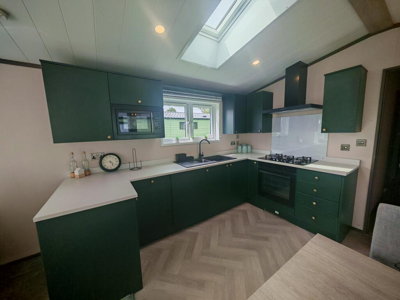
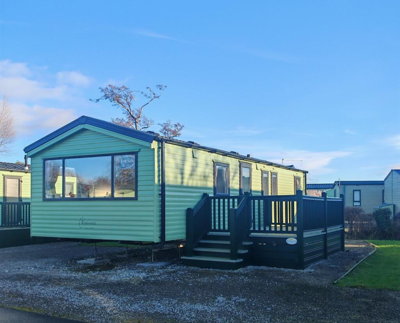
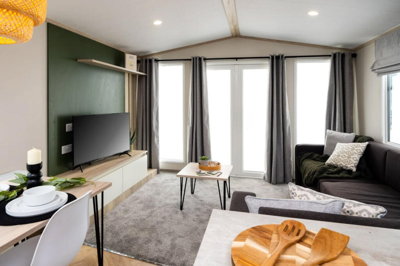
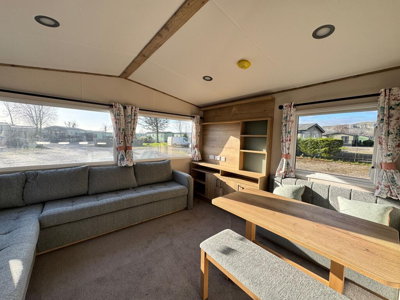
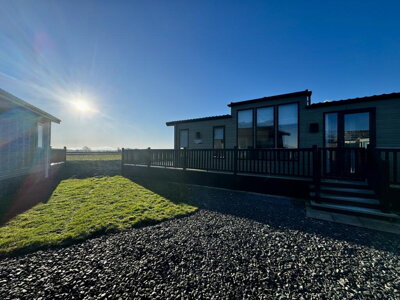
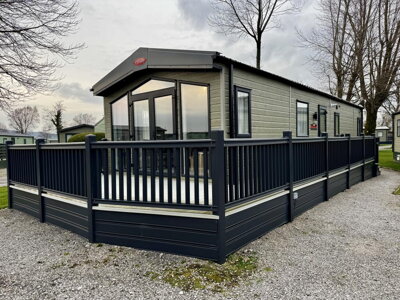
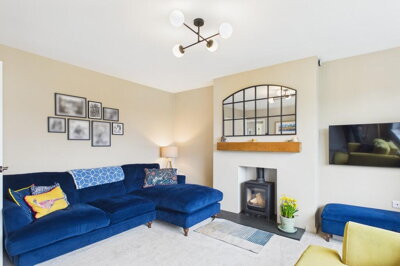
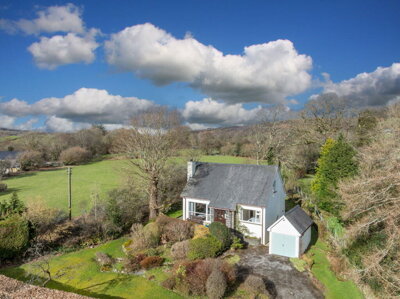
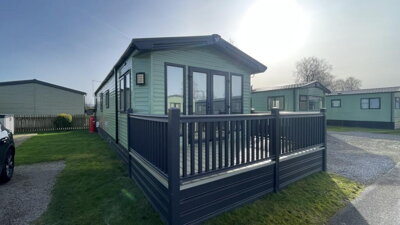
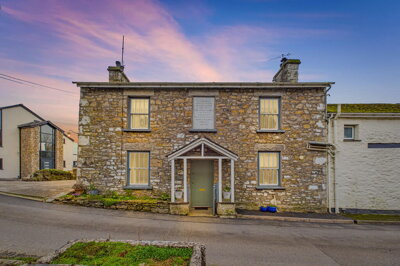
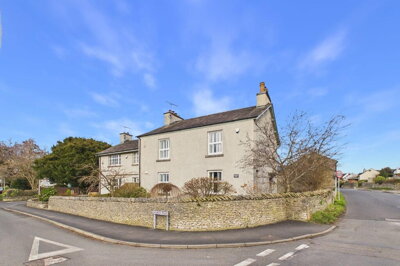
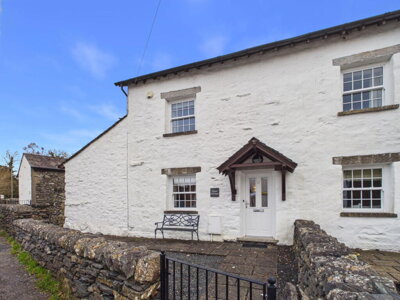
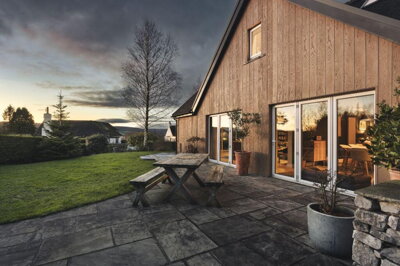
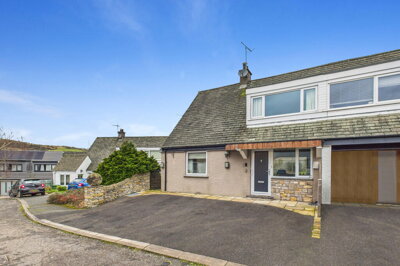
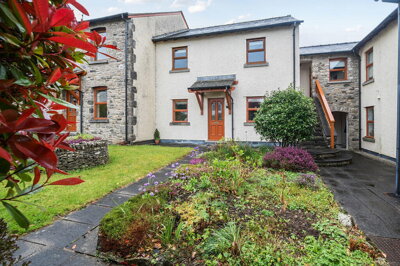
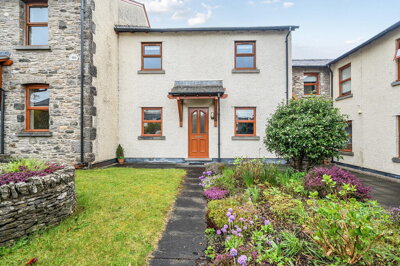
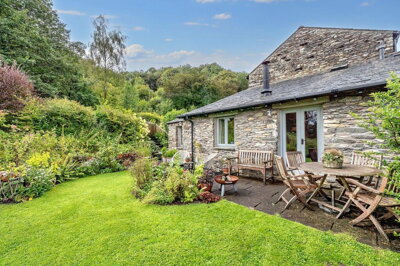
Browse 62 homes for sale in Crosthwaite and Lyth from local estate agents.
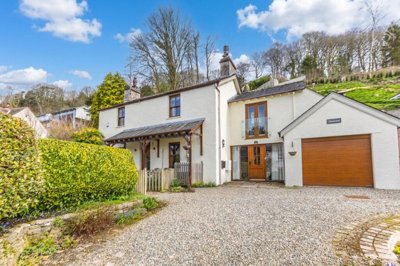
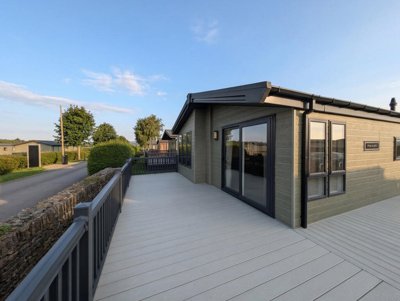
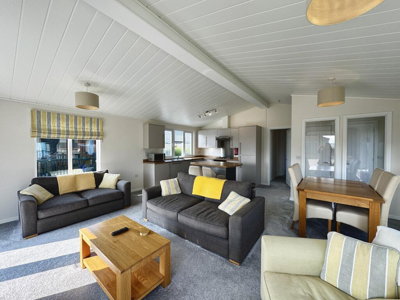
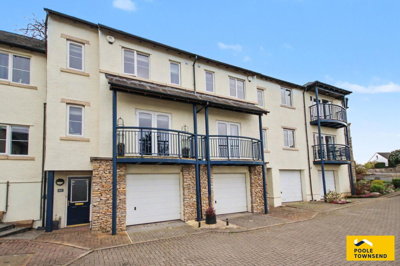
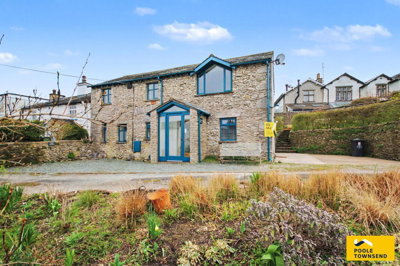
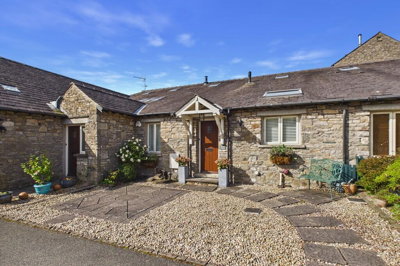
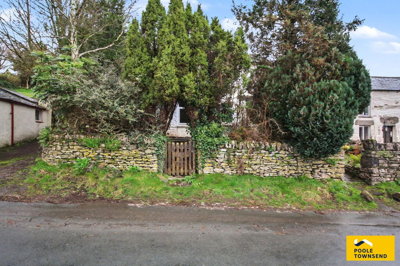
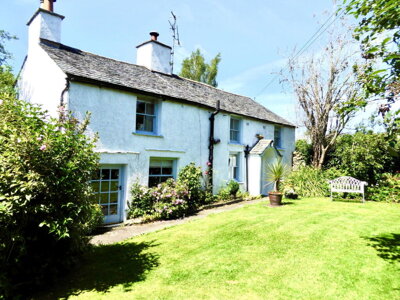
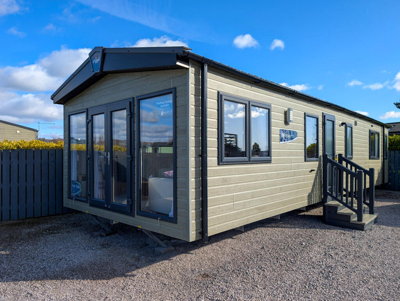
The housing stock in Crosthwaite and Lyth shows a strong preference for owner-occupation, with 79% of households owning their homes according to the 2011 Census. Our current listings feature detached farmhouses, traditional stone cottages, converted barns, and occasional modern developments, with Rightmove showing properties priced up to £3,000,000 in the wider Crosthwaite area. The village has experienced steady growth between 2016 and 2020, with 22 new dwellings completed as part of planning permissions granted for 40 new homes, representing an expansion of approximately 40% focused primarily on the village centre.
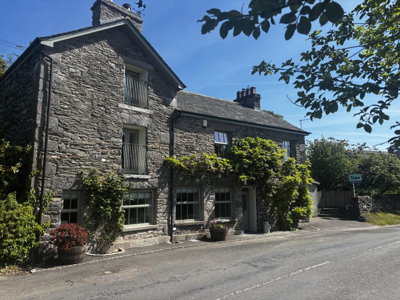
Recent sales data shows particular strength in the detached property sector, where traditional Westmorland farmhouses with their characteristic limestone walls and slate roofs command premium prices. A notable flat sale in Crosthwaite achieved £325,000 in 2025, marking a 63.3% increase compared to 2023 figures, demonstrating the growing appeal of smaller properties in this desirable location. The market draws buyers from across the UK attracted by the combination of natural beauty, excellent walking access, and the relative affordability compared to the more tourist-heavy parts of the Lake District.
The Crosthwaite and Lyth property market reflects the broader dynamics of the Lake District fringe, where strong demand from commuters, retirees, and those seeking rural lifestyles meets a relatively limited supply of homes. Between 2016 and 2020, planning permissions were granted for 40 new dwellings in the parish, with 23 requiring new buildings rather than reuse of existing structures. This development has predominantly focused on larger 3 and 4-bedroom family homes, attracting some younger families to the area while maintaining the character of the traditional housing stock.

Life in Crosthwaite and Lyth centres around the rhythms of the Cumbrian countryside, where agriculture remains important despite the challenges facing the sector. The parish contains 18 active farms and 11 agricultural-related businesses, down from historical highs but still providing the backbone of the local economy. The community spirit here is tangible, with residents gathering at the local pub for evening meals, attending events at the parish hall, and participating in the practical work of maintaining the beautiful landscape that makes this area so special. The Landowners of Crosthwaite and Lyth charity actively manages parts of Whitbarrow Scar, ensuring the limestone pavement and ancient woodlands remain protected for future generations.
The Lyth Valley itself is a landscape of gentle beauty, sitting largely on a flood plain where mosses grow on wet ground and extensive peat beds have developed over centuries. The River Gilpin flows through the parish before joining the River Pool in the valley and eventually meeting the River Kent at Sampool. Helsington Pool also snakes across the Lyth Valley floor, and local residents know that roads can disappear under floodwater during periods of heavy rainfall. This proximity to water shapes daily life in the valley, with the rivers flanked by earth embankments constructed to mitigate flood risk from Morecambe Bay. The valley floor is only a few feet above sea level, and residents have learned to live with occasional flooding, with the Environment Agency maintaining pumping stations to manage water levels during periods of heavy rainfall.
The demographics of Crosthwaite and Lyth reflect an aging population, with the 2011 Census identifying that the majority of residents fell within the 65+ and 45-59 age categories. The parish population grew from 562 in 2001 to 618 in 2011, showing modest growth that has continued with recent housing development. A 2020 Housing Needs Assessment found that 21% of households have annual incomes under £20,000, highlighting economic diversity within the community alongside the influx of more affluent buyers. The village retains approximately 9% second homes, a figure the Lake District National Park considers approaching the threshold where communities become unsustainable, making permanent family occupation particularly valuable to the village's long-term vitality.

Families considering a move to Crosthwaite and Lyth will find a selection of educational options within easy reach, primarily in the nearby market town of Kendal. The village itself falls within the catchment area for Crosthwaite Primary School, a small village school that provides intimate class sizes and strong community ties typical of rural Cumbrian education. For secondary education, pupils typically travel to Kendal's grammar schools or comprehensive schools, which serve the wider South Lakeland area and maintain good reputations for academic achievement and extracurricular activities.
The nearest secondary schools include the Ofsted-rated Good schools in Kendal, with transportation provided via school bus services that operate from the village. Parents should note that catchment areas for both primary and secondary schools can be competitive in popular rural areas, so early enquiry about school placements is advisable when planning a family move. The Crosthwaite and Lyth Neighbourhood Development Plan Design Code provides guidance on development standards that affect school planning in the area. For those seeking private education, several independent schools in the wider Cumbria area provide boarding and day options, with some families choosing to combine rural living with academic provision in nearby towns.
Further and higher education options are available in Kendal itself, with colleges offering vocational courses, and the wider university cities of Lancaster and Carlisle accessible for older students. The presence of further education facilities in Kendal means that families do not need to relocate to larger cities for vocational training, while university students can commute weekly or term-time from the family home, reducing the financial burden of higher education.
Transport connections from Crosthwaite and Lyth reflect its rural character, with the car remaining the primary means of transport for most residents. The village sits approximately 4 miles from Kendal, the southern gateway to the Lake District, where mainline railway stations provide connections to the West Coast Main Line. Kendal station offers regular trains to Manchester, with journey times of around 2 hours, while the scenic Settle to Carlisle line passes through the region, opening up rail connections to Leeds and the Eden Valley. For those working in the capital, the journey to London Euston typically involves a change at Oxenholme or Manchester.
The A591 provides the main road artery connecting Crosthwaite to the regional road network, linking north to the Lake District heartland and south to the M6 motorway at junction 36. The M6 provides straightforward access to the motorway network, with Manchester accessible in approximately 1.5 hours and Liverpool in around 2 hours under normal driving conditions. Bus services operate in the area, though frequency is limited, making car ownership essential for most residents. The nearest international airport is Manchester, approximately 90 minutes away by car, while Leeds Bradford Airport offers an alternative for domestic and European flights.
Obtain a mortgage agreement in principle before beginning your property search. This strengthens your position when making offers and helps you understand your true budget. Given the area's median price of around £499,000, most buyers will need a substantial mortgage, so consulting with a local mortgage broker familiar with Cumbrian property values is advisable.
Spend time exploring Crosthwaite and Lyth at different times of day and week to understand the community rhythm. Visit the village centre, chat with locals, and assess the practical aspects of daily life including travel times to schools, shops, and your workplace. Consider the flood risk associated with the Lyth Valley and how this might affect specific properties you are considering.
Use Homemove to browse all available properties in Crosthwaite and Lyth and set up instant alerts for new listings. Given the limited supply and high demand for rural Cumbrian homes, being among the first to view new properties is advantageous. Attend open viewings with your agent and be prepared to move quickly on properties that meet your criteria.
Once you find your ideal home, work with your estate agent to craft a competitive offer. In a market where desirable rural properties attract multiple interest, presenting strong finances and a genuine connection to the area can make the difference. Your solicitor should review the contract before you commit.
Commission a RICS Level 2 Survey before completing your purchase. Given the age of many properties in Crosthwaite and Lyth, with farmhouses dating to the 18th century, a thorough survey is essential to identify any structural issues, damp, or timber defects before you commit to the purchase.
Your solicitor will handle the conveyancing process, including local searches, title checks, and stamp duty calculations. On completion day, the keys are handed over and you become the proud owner of a home in this beautiful Cumbrian parish.
Purchasing a property in Crosthwaite and Lyth requires careful attention to several area-specific factors that differ from urban property buying. The first consideration is flood risk, given that the village sits within the Lyth Valley flood plain along the River Gilpin. Before committing to any property, examine its flood history, elevation relative to the river, and the condition of any flood defence infrastructure. The significant flooding event of December 2015, caused by saturated soils, heavy rainfall, and high tides restricting discharge into Morecambe Bay, serves as a reminder that properties in low-lying areas can face water ingress.
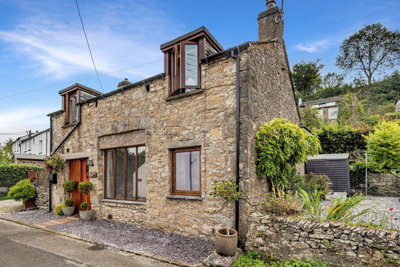
The age and construction of properties demands thorough investigation before purchase. Traditional Westmorland farmhouses and barns constructed from local limestone and covered with slate roofs are a significant feature of the local housing stock, and many date from the 18th or 19th century. Whitbarrow limestone has been used extensively as building stone in the area, with properties featuring characteristic grey-blue limestone walls. These traditional materials require specific maintenance knowledge - limestone is a relatively soft stone that can weather and erode over time, while the mortar between stones may need repointing. Some older agricultural buildings may also feature roughcast rendering or even corrugated asbestos roofing, which requires specialist assessment and potential removal costs.
Damp represents a particular concern for properties in the Lyth Valley, given the low-lying nature of the valley floor and the age of traditional construction. Stone buildings without modern damp-proof courses can suffer from rising damp, while penetrating damp may affect walls exposed to prevailing winds and rainfall. The peat soils and high water table in parts of the valley can exacerbate these issues, making a thorough damp survey essential for ground-floor rooms and basements in older properties. Outdated electrical systems, which are common in period properties, should be factored into renovation budgets as rewiring a stone farmhouse is a significant undertaking.
The presence of listed buildings and the conservation character of the area requires careful attention to planning regulations. Crosthwaite and Lyth contains several Grade II listed buildings including Crosthwaite House and Mireside Farm, and any works to these properties require listed building consent from Westmorland and Furness Council. The Whitbarrow Scar area is designated as both a Site of Special Scientific Interest and a Special Area of Conservation, which can affect development potential and planning permissions in certain areas. The Crosthwaite and Lyth Neighbourhood Development Plan Design Code provides additional guidance on development standards within the parish. Always investigate these designations before committing to a purchase, particularly if you plan any extensions or alterations.
The median property price in Crosthwaite and Lyth was £499,134 according to 2020 data, making it one of the more expensive rural parishes in the Westmorland area. Detached farmhouses and traditional stone properties command the highest prices, with listings in the wider area reaching up to £3,000,000 for substantial country homes. Flat prices have shown significant growth, with a recent sale achieving £325,000 in 2025, representing a 63.3% increase over 2023. Buyers should expect to pay a premium for properties with views, land, or direct access to Whitbarrow Scar.
Properties in Crosthwaite and Lyth fall under Westmorland and Furness Council, with most traditional stone properties likely falling into bands D through G. The specific band depends on the property's valuation and characteristics, with modern developments and smaller cottages typically in bands C or D, while larger period farmhouses and converted barns often occupy higher bands due to their size and perceived value. Prospective buyers should obtain the council tax band from the Land Registry or local authority records before budgeting for running costs.
Crosthwaite Primary School serves the village directly, offering small class sizes and strong community links typical of rural primary education. Secondary school pupils typically attend schools in Kendal, including the selective grammar schools and comprehensive options, all accessible via school bus services. The schools in Kendal maintain good Ofsted ratings and serve families from the wider South Lakeland area, though catchment boundaries can shift as new housing developments are completed. For private education, several options exist within driving distance in Cumbria, including boarding schools that offer flexible arrangements for families who wish to maintain their rural lifestyle while securing academic provision.
Public transport options in Crosthwaite and Lyth are limited, reflecting its rural character. Bus services operate in the area but with reduced frequency compared to urban areas, making car ownership essential for most residents. The nearest railway station is in Kendal, approximately 4 miles away, offering connections to Manchester and the West Coast Main Line via Oxenholme. The A591 provides the main road link to the regional network, with the M6 motorway accessible at junction 36 near Kendal. For international travel, Manchester Airport is approximately 90 minutes away by car, while Leeds Bradford Airport offers an alternative for domestic and certain European flights.
Crosthwaite and Lyth offers potential for property investment, though buyers should be aware of the market dynamics. The area attracts strong demand from buyers seeking rural lifestyles, with proximity to the Lake District National Park and excellent walking country on Whitbarrow and Scout Scar. The main considerations are the flood risk in the Lyth Valley, the presence of 9% second homes which can affect rental demand, and planning restrictions related to conservation areas and listed buildings. Properties with traditional character and modern conveniences tend to hold their value well in this sought-after location, supported by consistent demand that exceeds supply in this desirable Cumbrian parish.
Stamp duty on a £499,134 property for a non-first-time buyer would be calculated at 5% on the portion between £250,001 and £925,000, resulting in approximately £12,457 in SDLT. First-time buyers benefit from relief on properties up to £625,000, paying 0% on the first £425,000 and 5% on the remainder, reducing the SDLT to approximately £3,707 on the same property. These calculations assume standard SDLT thresholds for 2024-25, but buyers should verify current rates with their solicitor as thresholds can change with fiscal events.
The primary risk factor in the Lyth Valley is flooding, given the low-lying nature of the valley floor, the proximity to the River Gilpin and Morecambe Bay, and the historical flood event of December 2015. The Environment Agency maintains earth embankments and pumping stations to manage flood risk, but properties in low-lying areas remain vulnerable during extreme weather events. Other risks include the age of traditional properties requiring maintenance investment, potential planning restrictions due to conservation designations on Whitbarrow Scar and listed building status, and the limited availability of local services requiring travel to Kendal for many daily needs. A thorough RICS Level 2 Survey is essential before purchasing any property in the area to identify any existing or potential structural issues.
From 4.5%
Compare mortgage deals from leading lenders
From £499
Specialist solicitors for your property purchase
From £350
Professional property survey for homes in Crosthwaite and Lyth
From £80
Energy performance certificate for your new home
Buying a property in Crosthwaite and Lyth involves several costs beyond the purchase price that buyers should factor into their budget from the outset. The primary cost is Stamp Duty Land Tax, which for a property at the current median price of £499,134 would amount to £12,457 for someone who does not qualify as a first-time buyer. This calculation applies the standard 5% rate to the portion of the purchase price between £250,001 and £925,000. First-time buyers benefit from the increased thresholds, paying 0% on the first £425,000 and 5% on the remainder up to £625,000, resulting in SDLT of approximately £3,707 on the same property.
Additional buying costs include solicitor fees for conveyancing, which typically start from around £499 for a standard transaction but may be higher for leasehold properties, listed buildings, or complex titles. Given the number of period properties with historical titles in Crosthwaite and Lyth, searches may reveal issues requiring additional legal work, and buyers should budget for potential complications. Survey costs are essential given the age of many properties in the area, with a RICS Level 2 Survey starting from £350 and a more comprehensive Level 3 Survey from £600 for larger or older properties. The traditional stone construction found throughout the parish requires surveyor expertise in assessing limestone walls, slate roofs, and traditional building techniques.
An Energy Performance Certificate is required before marketing and costs from £80, though larger properties may incur higher fees. Other costs include mortgage arrangement fees, search fees covering local authority and environmental searches, Land Registry charges, and bank transfer fees, which together can add another £500-1,000 to the total cost of purchasing your Cumbrian home. For period properties, budget for potential specialist surveys including structural engineering assessments for listed buildings and timber or asbestos surveys given the age of many traditional buildings in the parish.
Properties for Sale In London

Properties for Sale In Plymouth

Properties for Sale In Liverpool

Properties for Sale In Glasgow

Properties for Sale In Sheffield

Properties for Sale In Edinburgh

Properties for Sale In Coventry

Properties for Sale In Bradford

Properties for Sale In Manchester

Properties for Sale In Birmingham

Properties for Sale In Bristol

Properties for Sale In Oxford

Properties for Sale In Leicester

Properties for Sale In Newcastle

Properties for Sale In Leeds

Properties for Sale In Southampton

Properties for Sale In Cardiff

Properties for Sale In Nottingham

Properties for Sale In Norwich

Properties for Sale In Brighton

Properties for Sale In Derby

Properties for Sale In Portsmouth

Properties for Sale In Northampton

Properties for Sale In Milton Keynes

Properties for Sale In Bournemouth

Properties for Sale In Bolton

Properties for Sale In Swansea

Properties for Sale In Swindon

Properties for Sale In Peterborough

Properties for Sale In Wolverhampton

Enter your details to see if this property is within your budget.
Loans, cards, car finance
Estimated property budget
Borrowing + deposit
You could borrow between
Typical borrowing
Monthly repayment
Est. at 4.5%
Loan-to-value
This is an estimate only. Your actual budget may vary depending on interest rates, credit history, and personal circumstances. For an accurate affordability assessment, speak to one of our free mortgage advisors.
This calculator provides estimates for illustrative purposes only and does not constitute financial advice. Your home may be repossessed if you do not keep up repayments on your mortgage. Estimates based on 4.5% interest rate, repayment mortgage. Actual rates depend on your circumstances.
Homemove is a trading name of HM Haus Group Ltd (Company No. 13873779, registered in England & Wales). Homemove Mortgages Ltd (Company No. 15947693) is an Appointed Representative of TMG Direct Limited, trading as TMG Mortgage Network, which is authorised and regulated by the Financial Conduct Authority (FRN 786245). Homemove Mortgages Ltd is entered on the FCA Register as an Appointed Representative (FRN 1022429). You can check registrations at NewRegister or by calling 0800 111 6768.

We use cookies to show you personalised content and improve your experience of our website. Find out more in our Privacy policy and Cookie policy.