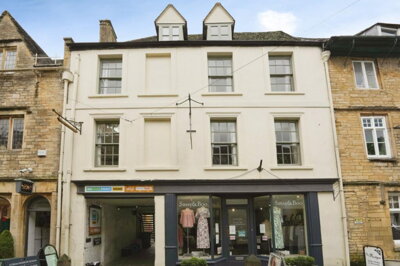
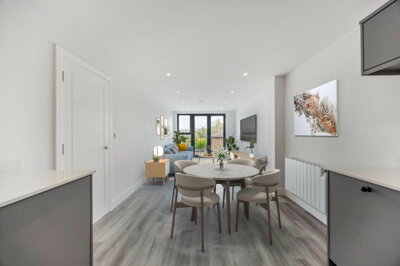
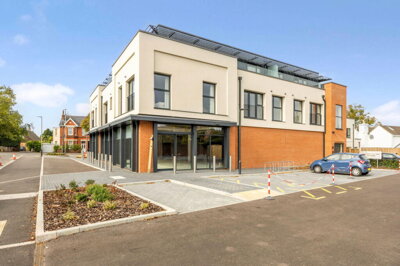
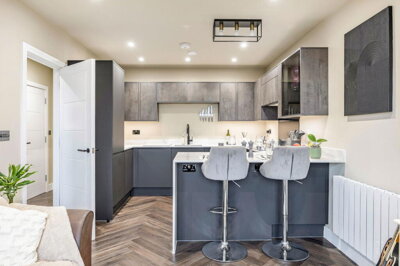
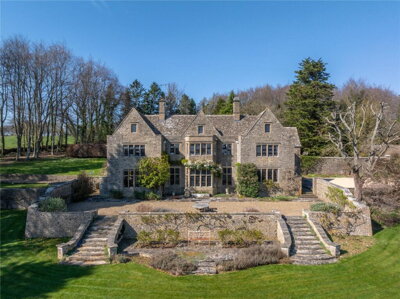
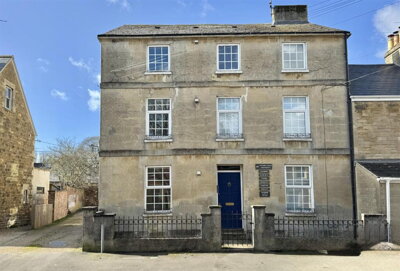
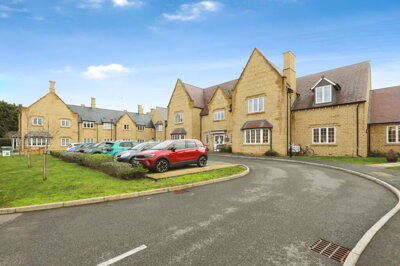
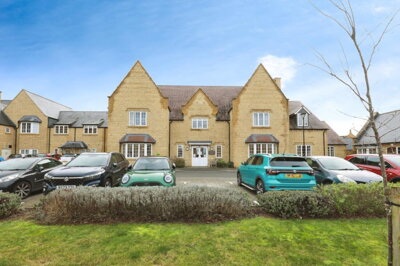
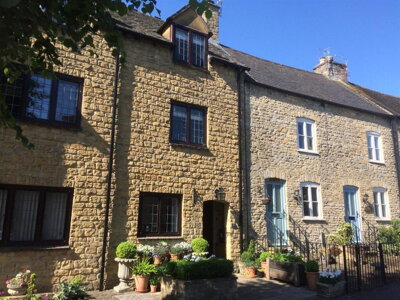
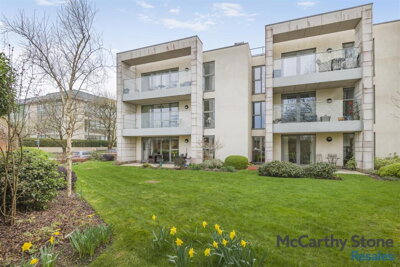
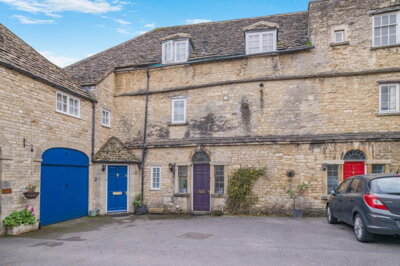
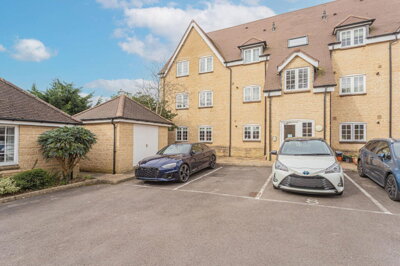
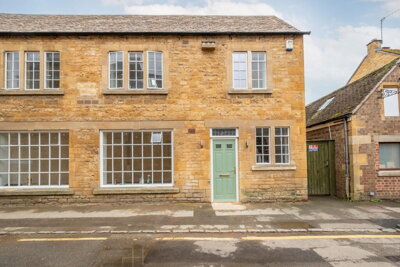
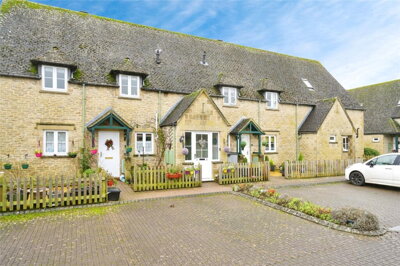
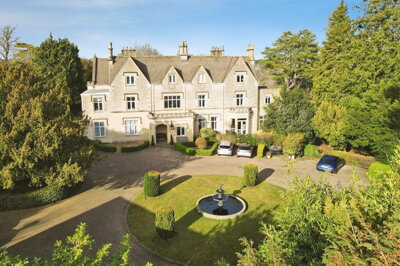
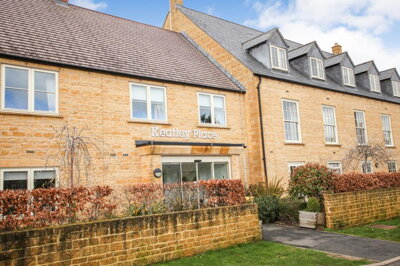
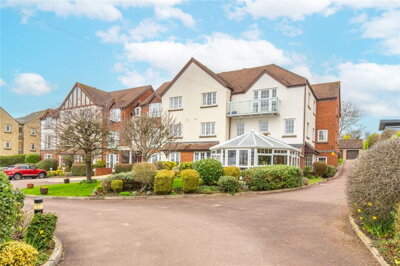
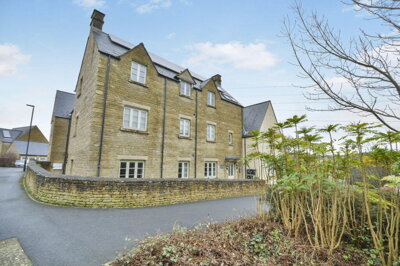
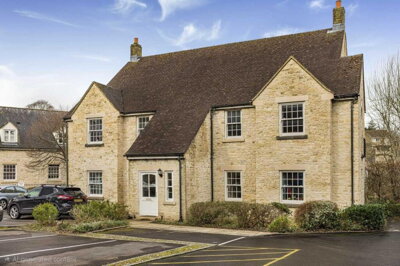
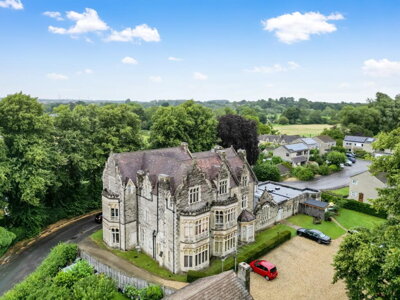
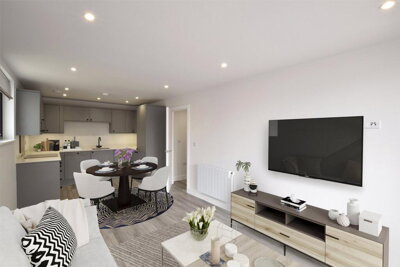
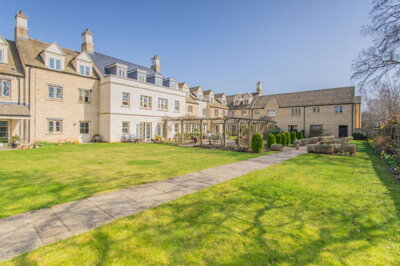
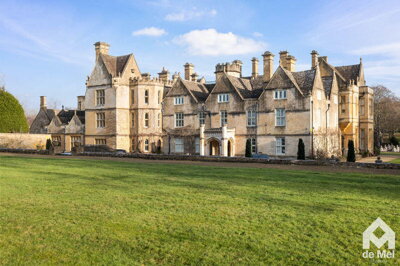
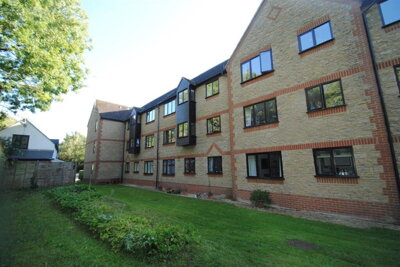
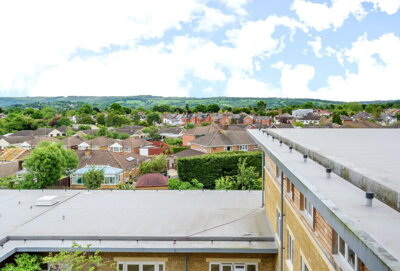
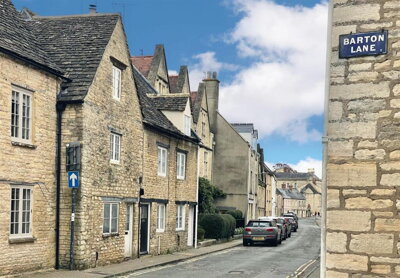
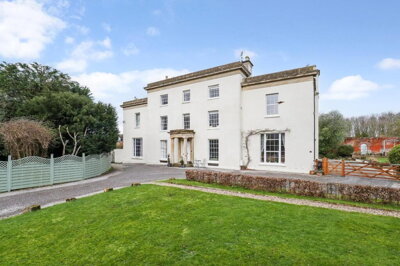
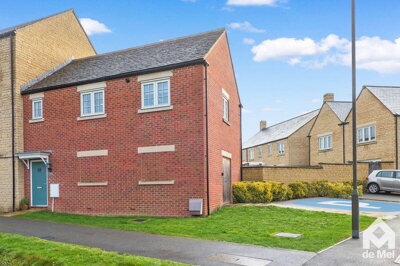
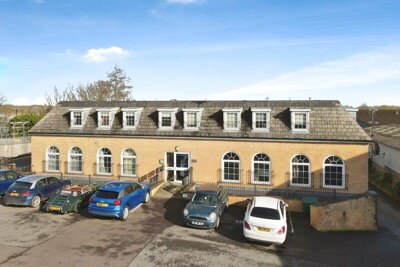
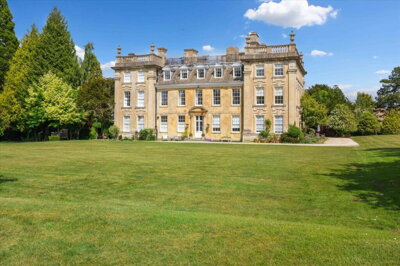
Browse 216 homes for sale in Cotswold, Gloucestershire from local estate agents.
Studio apartments feature open-plan living spaces without separate bedrooms, incorporating sleeping, living, kitchen, and bathroom facilities. The Cotswold studio market includes properties in modern apartment complexes, converted Victorian and Georgian buildings, and purpose-built developments.
£200k
39
0
143
Source: home.co.uk
Showing 39 results for Studio Flats for sale in Cotswold, Gloucestershire. The median asking price is £200,000.
Source: home.co.uk
Flat
39 listings
Avg £286,569
Source: home.co.uk
Source: home.co.uk
The Stilton property market offers a diverse range of housing options to suit different budgets and lifestyles. Detached properties command the highest prices, with the average currently sitting at £380,708, reflecting the premium placed on space and privacy in this desirable village location. Semi-detached homes provide excellent value at an average of £254,233, making them particularly attractive to families seeking a balance between affordability and accommodation size. Terraced properties, averaging around £209,000, represent the most accessible entry point into the Stilton market. The mix of property types means that whether you are looking for a compact starter home or a spacious family residence, you should find suitable options within the village.
Recent market activity shows some variation in price trends depending on the data source. Rightmove reports that sold prices in Stilton were 4% down on the previous year and 6% down from the 2023 peak of £319,060. However, OnTheMarket indicates a more positive trend with prices rising 1.7% over the last 12 months as of January 2026. Over the last decade, 856 properties have sold in the broader area of Stilton, Folksworth and Washingley, demonstrating consistent activity in this corner of Cambridgeshire. The market saw 24 sales of second-hand properties in the past 12 months, representing 58% of the long-term average activity level.
Several new build developments are shaping the future of the Stilton property landscape. The Stilton Gate development by Bellway Homes, located off North Street, completed construction in October 2025 with 2, 3, and 4-bedroom homes priced from £254,950 to £439,950. Only a handful of new homes remained available at that time. Additional planning applications, including proposals for 70 affordable homes by Cross Keys Homes on land west of High Street (outline plans approved February 2026) and up to 90 residential units on land rear of 16 to 58 North Street, suggest continued growth for the village. For buyers considering new build properties, the remaining homes at Stilton Gate represent a rare opportunity to purchase a brand-new property in the village, complete with modern construction standards and builder warranties.

Stilton is a village with deep historical roots that date back to the Domesday Book of 1086, when it recorded just ten households. Today, the village has grown to a population of approximately 2,474 residents, yet it has retained its essential character as a thriving Cambridgeshire community. The village grew significantly along the Great North Road, serving as an important coaching inn stop during the coaching era. This heritage is still visible today in the form of historic inns and period properties that line the village streets, many of which are now protected as listed buildings. The evolution from a medieval settlement to a modern commuter village makes Stilton an interesting place to live for those who appreciate both history and convenience.
The village centre features a notable concentration of architecturally significant buildings that reflect its prosperous past. The Parish Church of St Mary, dating from the 13th century, stands as a landmark of the village and is listed at Grade II*. The Bell Inn and The Stilton Cheese Inn, both also Grade II* listed, speak to the village's importance as a rest stop for travellers. Numerous other properties on High Street, North Street, and Fen Lane carry Grade II listing, indicating the special architectural character that has been preserved throughout the village. The presence of these listed buildings suggests that Stilton contains designated Conservation Areas, which protect not only individual structures but also the broader street scene and open spaces that contribute to the village's distinctive character.
Cambridgeshire geology plays a role in understanding properties in Stilton. The underlying geology includes Quaternary deposits of peat, silts, clays, and marls associated with the nearby fenland. Clay-rich soils are susceptible to shrink-swell behaviour, which can cause movement in properties, particularly older buildings with shallow foundations. Prospective buyers should factor this into their property surveys and factor in the cost of a RICS Level 2 Survey to identify any potential structural issues before completing a purchase. While a specific shrink-swell risk rating for Stilton is not publicly available, the presence of clay in the regional geology means that properties in the village should be carefully assessed for any signs of subsidence or structural movement.
Local businesses thrive in Stilton, contributing to the village's reputation as a vibrant community rather than merely a dormitory settlement. The proximity to Peterborough provides access to a wider range of amenities, retail centres, and employment opportunities, while Cambridge's knowledge economy and research institutions are within commuting distance for those working in sectors such as life sciences, AI, and technology. Stilton residents benefit from the best of both worlds - the community atmosphere and lower property prices of village life, combined with easy access to the employment and lifestyle opportunities offered by two of the UK's most dynamic cities. The logistics sector in Peterborough also provides significant employment, while Cambridge's growing technology and research industries attract workers who appreciate the more affordable housing options available in villages like Stilton.
Families considering a move to Stilton will find a selection of educational options available within the village and the surrounding Huntingdonshire area. Stilton Church of England Primary School serves the local community, providing early years and Key Stage 1 education. The school occupies a central position in the village and benefits from strong community ties. For secondary education, students typically travel to schools in nearby towns, with several options within reasonable commuting distance by school bus or car. Parents should research specific catchment areas and admission policies when considering schools, as these can significantly impact which schools children will be eligible to attend. The transport arrangements for secondary school students typically involve bus services that connect Stilton with schools in Peterborough and Huntingdon.
Cambridgeshire maintains a strong network of schools, with the county performing well in national education rankings. The nearby market towns of Peterborough and Huntingdon offer a wider choice of secondary schools, including grammar schools and academy options. Parents should research specific catchment areas and admission policies when considering schools, as these can significantly impact which schools children will be eligible to attend. Several secondary schools in the surrounding area have developed strong reputations for academic achievement and extracurricular activities. School performance data, including GCSE results and Progress 8 scores, is publicly available through government websites and can help parents make informed decisions about which schools best suit their children's needs.
For families prioritising educational outcomes, the broader Cambridgeshire area provides access to some highly regarded schools. Sixth form and further education options are available at colleges in Peterborough and Cambridge, with the University of Cambridge and Anglia Ruskin University offering higher education opportunities. The strong academic tradition in the county makes Stilton an attractive base for families with educational aspirations for their children. Cambridge's world-renowned universities and research institutions also create a culture of educational achievement that permeates the surrounding area. Families moving to Stilton often cite the quality of education available in Cambridgeshire as a key factor in their decision, alongside the village's convenient transport links and relative affordability compared to Cambridge itself.
Stilton benefits from excellent transport connections that make commuting to major employment centres practical and straightforward. The village sits close to the A1(M) motorway, providing direct access to London and the north. The East Coast Main Line railway runs through nearby Peterborough, offering regular services to London King's Cross with journey times of approximately 50 minutes. This makes Stilton particularly attractive to commuters who need access to the capital while preferring village living. The A1(M) junction near Stilton provides easy access for those who prefer to drive, with straightforward connections to the wider motorway network.
Local bus services connect Stilton with surrounding villages and the nearby town of Peterborough, where further public transport options become available. Stagecoach and other local operators run services that link Stilton with the railway station and town centre in Peterborough. For those working in Cambridge, the journey by car takes approximately 45 minutes via the A141 and A14 roads. Cambridge's growing importance as an economic hub, particularly in sectors such as life sciences, technology, and research, makes this connection valuable for professionals in these industries. The A14 road improvement works in recent years have improved journey times between Stilton and Cambridge, making the commute more manageable for those who need to travel regularly.
For cyclists, the Cambridgeshire countryside offers scenic routes, though the flat terrain around the fens can present challenges in terms of wind exposure. The village has reasonable parking provision, which is a significant advantage over larger urban areas. Parking at the railway station in nearby towns provides flexibility for those who prefer to combine driving and rail travel for longer journeys. Many residents choose to drive to Peterborough station and take the train from there, benefiting from the direct London services while avoiding the costs and complications of city centre parking. The village's position between major employment centres means that residents have genuine flexibility in their commuting choices, whether they prefer the train, driving, or a combination of both.

Buyers considering properties in Stilton should be aware of several area-specific factors that can affect their purchase decision and future enjoyment of the property. Flood risk is a particular consideration for this Cambridgeshire village. Stilton has a history of surface water flooding, with the Parish Council having raised concerns about inadequate drainage affecting areas such as Caldecote Road and land south and west of Church Street. Even properties in Flood Zone 1 (away from rivers and the sea) can be at risk from surface water flooding during heavy rainfall. The village's location near the fenland means that drainage can be a challenge, particularly during periods of heavy rain. Prospective buyers should check the Environment Agency flood risk maps and consider requesting a drainage survey as part of their property due diligence.
The presence of clay-rich soils in the regional geology suggests a potential for shrink-swell subsidence, particularly for older properties with shallow foundations. Properties in Stilton that were built before 1919 may exhibit signs of structural movement over time. A thorough RICS Level 2 Survey will identify any existing cracks, subsidence, or other structural concerns that might require remediation or affect the property's value. Common signs of subsidence include diagonal cracks (typically wider at the top), doors and windows that stick, and uneven floors. If subsidence is identified, a structural engineer's report may be required to assess the severity and recommend appropriate remedial works.
Many properties in Stilton fall within or near Conservation Areas due to the village's high concentration of listed buildings. This brings planning restrictions that can affect what modifications owners can make to properties. Buyers should check with Huntingdonshire District Council regarding any Article 4 Directions or other planning constraints that might limit future alterations or extensions. Living in a Conservation Area means that certain works (such as replacing windows, adding extensions, or carrying out significant landscaping) may require planning permission even if they would normally be permitted development. The additional costs and time involved in obtaining planning permission should be factored into any purchase decision involving a listed or conservation property.
For those purchasing flats or leasehold properties, understanding the terms of the lease is essential. Ground rent clauses, service charges, and the remaining lease term can all significantly impact the long-term cost of ownership and the property's resale value. Freehold houses are generally preferred in this village setting, where space and privacy often come at a premium for detached and semi-detached homes. However, the new developments in Stilton (such as the affordable housing element of Stilton Gate) may include leasehold properties, particularly flats. Buyers should ensure they understand the implications of leasehold ownership and consider whether the terms are fair and reasonable.
Start by exploring current listings in Stilton and understanding price trends. The average property price is around £300,300, with detached homes averaging £380,708 and terraced properties around £209,000. Consider working with a local estate agent who knows the village intimately. Online property portals provide a good starting point, but a local agent can offer insights into properties that are coming to market and off-market opportunities.
Before viewing properties, obtain a mortgage agreement in principle from a lender. This strengthens your position when making an offer and demonstrates to sellers that you have financing secured. Compare rates from multiple lenders to find the best deal for your circumstances. Mortgage brokers can be particularly helpful in navigating the various products available and finding a deal that suits your financial situation.
Visit a range of properties in different price brackets to understand what is available. Stilton offers a mix of period properties along the historic High Street and newer homes on recent developments. Pay attention to flood risk areas, particularly near Caldecote Road and south and west of Church Street. Take notes and photographs during viewings to help you compare properties later. Consider visiting properties at different times of day to assess factors such as noise, lighting, and neighbour activity.
Once your offer is accepted, arrange a property survey. Given the mix of older and newer properties in Stilton, a RICS Level 2 Survey (costing approximately £400-600 depending on property size) is essential to identify any structural issues, dampness, or timber defects before completion. For older properties or those showing signs of movement, a more detailed RICS Level 3 Building Survey may be appropriate. The survey cost represents a small fraction of the property price but can save significant money by identifying issues before you commit to the purchase.
Choose a conveyancing solicitor to handle the legal aspects of your purchase. They will conduct searches, review the contract, and manage the transfer of funds. Budget around £500-1,500 for conveyancing costs on a typical Stilton property. Searches will include drainage and water authority checks, local authority searches, and environmental searches that may reveal issues such as flooding or contamination.
Your solicitor will coordinate with the seller's legal team to exchange contracts, at which point your deposit becomes non-refundable. Completion typically follows within 2-4 weeks, after which you will receive the keys to your new home in Stilton. On the day of completion, ensure you have arrangements in place for utilities, insurance, and removal companies. The whole process from offer acceptance to completion typically takes 8-12 weeks, though this can vary depending on chain length and complexity.
The average house price in Stilton is approximately £300,300 according to recent data. Detached properties average £380,708, semi-detached homes are around £254,233, and terraced properties average £209,000. Price trends show some variation, with Rightmove reporting a 4% decline year-on-year while OnTheMarket indicates a 1.7% rise over the last 12 months. The 2023 peak was £319,060, so current prices are still slightly below that level. Buyers should note that prices can vary significantly depending on property condition, location within the village, and proximity to amenities such as the school and village centre.
Properties in Stilton fall under Huntingdonshire District Council. Council tax bands range from A to H based on property value, with most residential properties in the village typically falling within bands B through E. Exact bands depend on the specific property valuation, and buyers should check with the local authority or on the government council tax website for individual properties. For a typical Stilton property valued at around £300,300, you would typically expect a band in the C or D range, though this can vary. Council tax payments fund local services and are paid monthly or annually to Huntingdonshire District Council.
Stilton Church of England Primary School serves the village for early years and Key Stage 1 education. For secondary education, students typically attend schools in nearby towns including Huntingdon and Peterborough. Cambridgeshire has a strong selection of Ofsted-rated Good and Outstanding schools, with specific catchment areas determining eligibility for individual families. Parents should research school performance data, including GCSE results and Progress 8 scores, and consider transport arrangements when choosing where to live. School bus services operate from Stilton to several secondary schools in the surrounding area, though journey times and routes vary.
Stilton has reasonable public transport connections, with bus services linking the village to Peterborough and surrounding communities. The railway station in Peterborough provides access to the East Coast Main Line, with services to London King's Cross taking approximately 50 minutes. The village is also well positioned for road travel, being close to the A1(M) motorway. Bus services are operated by Stagecoach and connect Stilton with Peterborough city centre, where further public transport options are available. For cyclists, the Cambridgeshire countryside offers scenic routes, though the exposed fenland terrain can be challenging in windy conditions.
Stilton offers potential for property investment due to its proximity to major economic hubs including Cambridge and Peterborough, strong transport connections, and ongoing new development activity. The village benefits from the broader Cambridgeshire knowledge economy while maintaining more affordable property prices compared to Cambridge itself. The Bellway Stilton Gate development and other planning applications indicate continued growth in the area. Rental demand in the village is likely driven by commuters working in London, Cambridge, or Peterborough who prefer the lifestyle benefits of village living. However, as with any property investment, buyers should carefully consider rental yields, void periods, and potential changes in the local market.
Stamp Duty Land Tax (SDLT) applies to all property purchases in England. For properties up to £250,000, there is no SDLT. Between £250,001 and £925,000, the rate is 5%. From £925,001 to £1.5 million, it rises to 10%, and above £1.5 million, it is 12%. First-time buyers pay 0% up to £425,000 and 5% between £425,001 and £625,000. For a typical Stilton property averaging £300,300, a first-time buyer would pay no SDLT at all, while a subsequent buyer would pay 5% on the £50,300 portion above £250,000, which amounts to £2,515.
Yes, Stilton has a history of surface water flooding, particularly affecting areas such as Caldecote Road and land south and west of Church Street. The village's inadequate drainage system means that even properties in Flood Zone 1 can be at risk during periods of heavy rainfall. The Parish Council has previously raised concerns about flooding with local authorities. Prospective buyers should check the Environment Agency flood risk maps and consider requesting a drainage survey. Buildings insurance may be more expensive in areas with a history of flooding, and some insurers may decline to cover certain properties. Factor these potential additional costs into your budget when considering a property in a flood-risk area.
Several new developments are either recently completed or in the planning stages. The Bellway Homes Stilton Gate development (off North Street, PE7 3RR) completed in October 2025 with 54 private and 36 affordable homes. Cross Keys Homes has outline planning approval for 16 affordable homes on High Street (approved February 2026), and proposals for up to 90 homes on land rear of 16 to 58 North Street are pending consideration. An application for seven homes on the former garage site at 24 High Street was submitted in October 2024. The continued development activity suggests growing demand for housing in the village and may support property values in the longer term.
Given Stilton's mix of older period properties and newer homes, different types of defects are common in different properties. Older properties (those built before 1919) may exhibit dampness issues (rising damp, penetrating damp through ageing brickwork), structural movement related to the clay soils, and outdated electrics such as knob-and-tube wiring or aluminium circuits. Timber defects including dry rot, wet rot, and woodworm can affect properties with poor ventilation. Newer properties on developments like Stilton Gate are less likely to have these issues but may have snagging items that require attention. A thorough RICS Level 2 Survey will identify any defects relevant to the specific property you are considering.
Stilton benefits from improving digital connectivity, though speeds can vary depending on the specific location and property. Most properties should have access to superfast broadband (speeds of 30Mbps or more), though some rural areas on the outskirts of the village may have more limited options. Mobile coverage is generally good for most networks in the village centre, though coverage may be patchier in some rural areas. Buyers should check specific coverage at the property address before purchasing, particularly if they work from home or have high bandwidth requirements. Full fibre broadband is being rolled out in some parts of Cambridgeshire and may become available in Stilton in the coming years.
Understanding the types of properties available in Stilton can help buyers narrow their search and identify properties that suit their needs. The village features a mix of traditional period properties and modern homes from various eras of development. Traditional brick and masonry construction is common among older properties, reflecting the building methods historically used in Cambridgeshire. Many properties along the historic High Street and North Street date from the 18th and 19th centuries and feature characteristic red brick or render finishes. These period properties often have original features such as fireplaces, exposed beams, and sash windows, though they may require updating to meet modern standards of insulation and energy efficiency.
The newer housing stock in Stilton includes homes from various developments built over the past few decades. The recently completed Stilton Gate development by Bellway Homes off North Street represents the latest addition to the village's housing stock, with 2, 3, and 4-bedroom homes built to modern construction standards. Modern homes typically feature cavity wall insulation, UPVC windows, and gas central heating, making them more energy-efficient than many older properties. However, modern construction methods can sometimes introduce different issues, such as defects in timber frame elements or problems with building membrane installations. A RICS Level 2 Survey can identify any defects regardless of the property's age or construction type.
Properties in Stilton that were built before 1929 typically have solid walls rather than cavity walls. Solid wall construction presents challenges for insulation, as adding insulation to solid walls requires specialist treatment and can be expensive. Many older properties in Stilton may therefore have higher energy costs than newer homes. Buyers should consider the potential costs of upgrading insulation and windows when budgeting for an older property. The presence of listed buildings or location within a Conservation Area may also restrict the types of alterations that can be made to improve energy efficiency, such as installing double glazing or external wall insulation.
Cambridgeshire's geology, with its clay-rich soils and proximity to the fenland, can affect properties in various ways. Clay soils are susceptible to shrink-swell behaviour, meaning they contract during dry periods and expand when wet. This can cause movement in building foundations, particularly for older properties with shallow foundations. Properties in Stilton should be inspected for signs of subsidence, which can manifest as cracks in walls (typically diagonal or step-like), doors and windows that stick, or uneven floors. While minor settlement is common in older properties, significant structural movement should be investigated by a structural engineer. Our inspectors are experienced in identifying these issues and can advise on appropriate next steps.
From 3.85%
Finding the right mortgage is crucial for your property purchase. Compare rates and find the best deal for your circumstances.
From £499
Professional legal services to handle the transfer of ownership. Your solicitor will conduct searches and manage the transaction.
From £400
A professional survey to identify any defects or issues with the property before you commit to the purchase.
From £80
Energy Performance Certificate to understand the property's energy efficiency and running costs.
Understanding the full cost of purchasing a property in Stilton is essential for budgeting effectively. The Stamp Duty Land Tax (SDLT) rates for England in 2024-25 are structured as follows: there is no SDLT on the first £250,000 of any residential property purchase. For the portion between £250,001 and £925,000, buyers pay 5%. Between £925,001 and £1.5 million, the rate increases to 10%, and any value above £1.5 million is taxed at 12%. For a typical Stilton property valued at £300,300, a buyer who is not a first-time buyer would pay SDLT of 5% on the £50,300 portion above £250,000, which equals £2,515.
First-time buyers benefit from increased thresholds under the First-Time Buyer Relief scheme. This relief applies to properties up to £625,000, with 0% SDLT on the first £425,000 and 5% on the amount between £425,001 and £625,000. No SDLT relief is available for first-time buyers purchasing properties above £625,000. For a typical Stilton property averaging £300,300, a first-time buyer would pay no SDLT at all, making significant savings compared to buyers who have previously owned property. The First-Time Buyer Relief is claimed automatically through the SDLT return, but buyers must ensure they meet the eligibility criteria, which include being a first-time buyer and planning to use the property as your main residence.
Beyond SDLT, buyers should budget for additional costs including conveyancing fees (typically £500-1,500 depending on property value and complexity), survey costs (a RICS Level 2 Survey costs approximately £400-600 for a standard property in the Stilton area, with larger or non-standard properties costing more), mortgage arrangement fees (often 0-1% of the loan amount), and removal costs. Land Registry fees for registering ownership transfer also apply. A mortgage agreement in principle should be arranged before viewing properties, as this strengthens your position when making an offer and helps you understand your true budget. Additional costs to consider include building insurance (which must be in place from exchange of contracts), search fees, and potentially higher lending standard costs if you are borrowing a high proportion of the property value.

Properties for Sale In London

Properties for Sale In Plymouth

Properties for Sale In Liverpool

Properties for Sale In Glasgow

Properties for Sale In Sheffield

Properties for Sale In Edinburgh

Properties for Sale In Coventry

Properties for Sale In Bradford

Properties for Sale In Manchester

Properties for Sale In Birmingham

Properties for Sale In Bristol

Properties for Sale In Oxford

Properties for Sale In Leicester

Properties for Sale In Newcastle

Properties for Sale In Leeds

Properties for Sale In Southampton

Properties for Sale In Cardiff

Properties for Sale In Nottingham

Properties for Sale In Norwich

Properties for Sale In Brighton

Properties for Sale In Derby

Properties for Sale In Portsmouth

Properties for Sale In Northampton

Properties for Sale In Milton Keynes

Properties for Sale In Bournemouth

Properties for Sale In Bolton

Properties for Sale In Swansea

Properties for Sale In Swindon

Properties for Sale In Peterborough

Properties for Sale In Wolverhampton

Enter your details to see if this property is within your budget.
Loans, cards, car finance
Estimated property budget
Borrowing + deposit
You could borrow between
Typical borrowing
Monthly repayment
Est. at 4.5%
Loan-to-value
This is an estimate only. Your actual budget may vary depending on interest rates, credit history, and personal circumstances. For an accurate affordability assessment, speak to one of our free mortgage advisors.
This calculator provides estimates for illustrative purposes only and does not constitute financial advice. Your home may be repossessed if you do not keep up repayments on your mortgage. Estimates based on 4.5% interest rate, repayment mortgage. Actual rates depend on your circumstances.
Homemove is a trading name of HM Haus Group Ltd (Company No. 13873779, registered in England & Wales). Homemove Mortgages Ltd (Company No. 15947693) is an Appointed Representative of TMG Direct Limited, trading as TMG Mortgage Network, which is authorised and regulated by the Financial Conduct Authority (FRN 786245). Homemove Mortgages Ltd is entered on the FCA Register as an Appointed Representative (FRN 1022429). You can check registrations at NewRegister or by calling 0800 111 6768.

We use cookies to show you personalised content and improve your experience of our website. Find out more in our Privacy policy and Cookie policy.