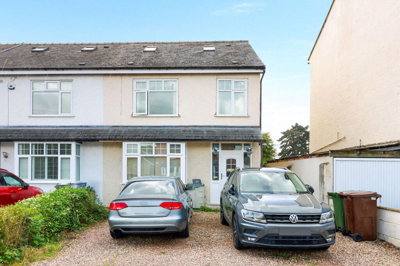
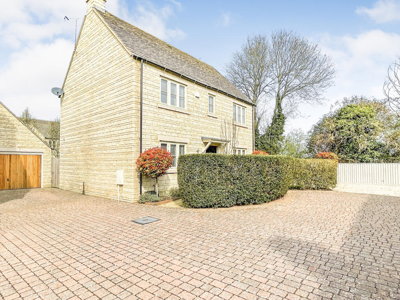
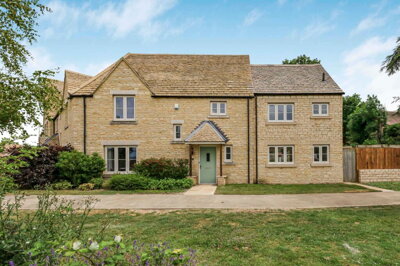
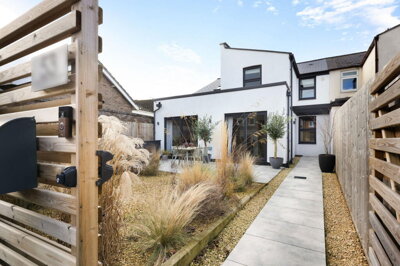
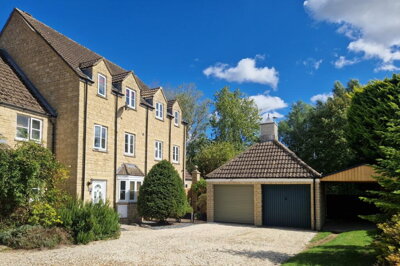
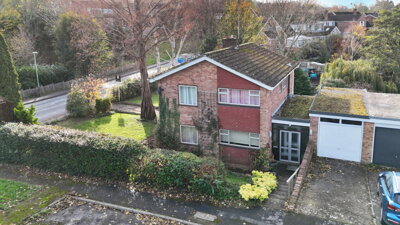
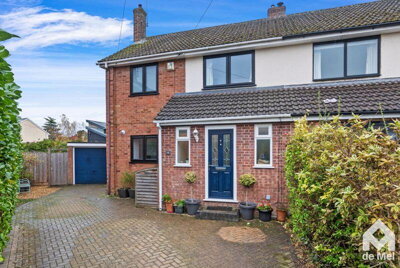
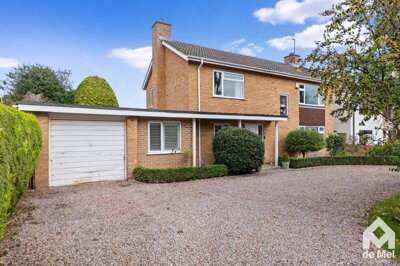
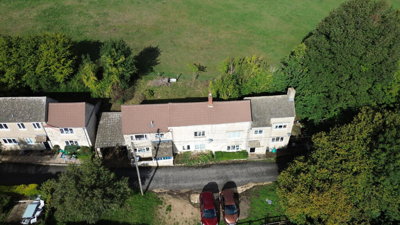
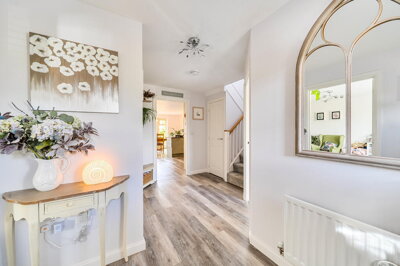
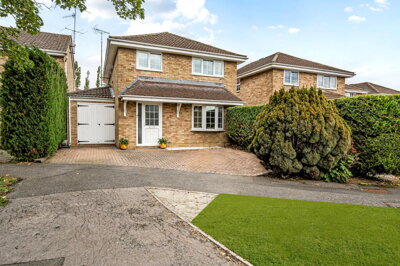
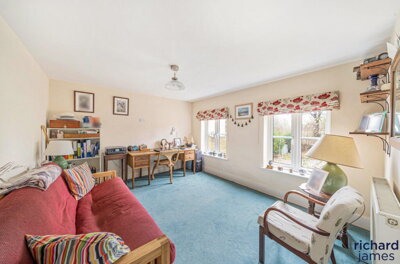
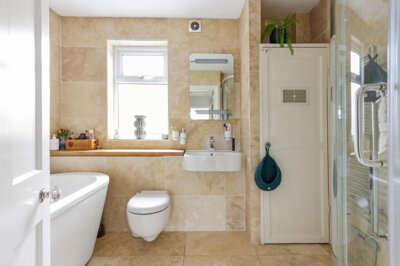
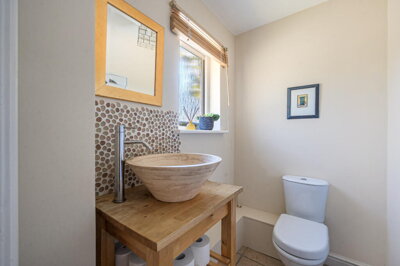
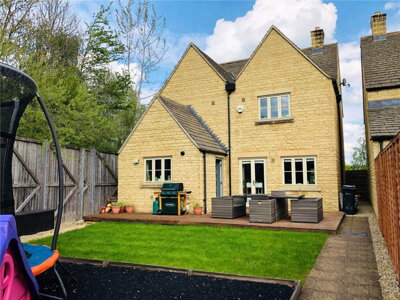
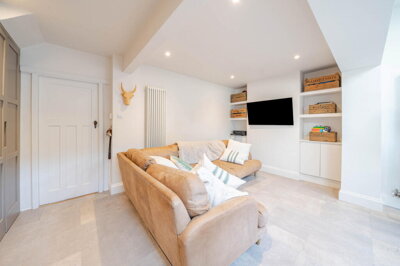
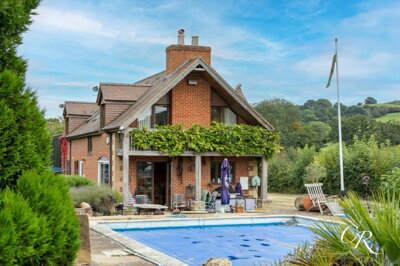
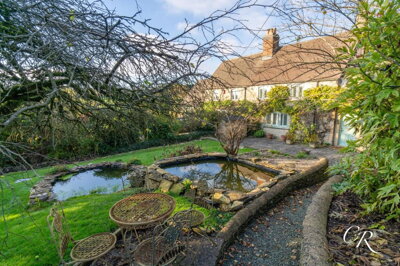
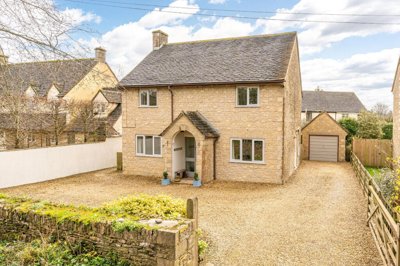
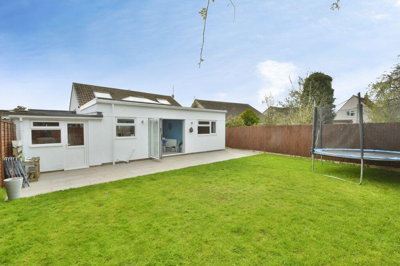
Browse 437 homes for sale in Cotswold, Gloucestershire from local estate agents.
The larger property sector typically features multiple bathrooms, substantial reception space, and private gardens or off-street parking. Four bedroom houses in Cotswold span detached, semi-detached, and occasionally terraced configurations, with styles ranging from period properties to modern executive homes.
£700k
163
15
97
Source: home.co.uk
Showing 163 results for 4 Bedroom Houses for sale in Cotswold, Gloucestershire. 15 new listings added this week. The median asking price is £700,000.
Source: home.co.uk
Detached
121 listings
Avg £837,523
Semi-Detached
31 listings
Avg £668,677
Terraced
11 listings
Avg £588,909
Source: home.co.uk
Source: home.co.uk
The Cotswold property market reflects the unique character of this Area of Outstanding Natural Beauty, with property types ranging from modest terraced cottages to substantial detached country houses. Detached properties command an average price of £657,000, representing the premium segment of the market, while semi-detached homes average around £398,000 and terraced properties sit at £341,000. Flats and maisonettes, though less common in this predominantly rural area, offer more accessible entry points at approximately £210,000.
Recent market data shows that the Cotswold area has experienced a 6.8% decline in average house prices compared to December 2024, following a broader national trend. Rightmove reports a 6% year-on-year decrease and a 5% reduction from the 2023 peak, suggesting a cooling market after several years of strong growth. OnTheMarket recorded an average sold price of £543,000 as of February 2026, while Zoopla indicated an average of £457,200 with a modest 1.1% increase over the previous year, highlighting some variation between data sources.
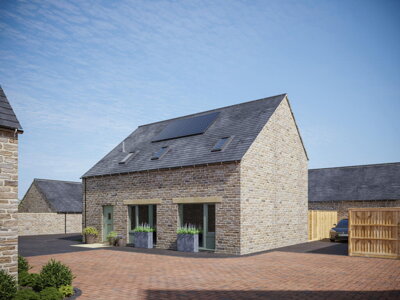
Transaction volumes remain healthy in the Cotswolds, with approximately 1,625 properties changing hands each year over the past decade, totalling around 16,246 sales. New build developments are relatively scarce in the district, though projects such as The Limes in Tetbury, offering zero-carbon homes from Newland Homes Ltd, provide options for buyers seeking modern construction within the Cotswold stone aesthetic. The limited supply of new properties means that period homes and traditional stone construction continue to dominate the available stock.
Property price corrections have been more pronounced for detached homes, which saw an 8.1% decrease compared to 5.6% for terraced properties, indicating that higher-value segments have experienced greater market adjustment. This pattern suggests opportunities for buyers who have been priced out of the market in previous years, as the gap between asking and achieved prices has narrowed in many sectors. Sellers who purchased during the 2022-2023 peak may find their properties valued below purchase price, creating motivated vendors in some segments of the market.

Life in Cotswold offers an exceptional quality of life that draws visitors and residents alike from across the UK and beyond. The district encompasses numerous picturesque villages with honey-coloured stone cottages, medieval Guildhalls, and charming period properties that line narrow lanes flanked by dry-stone walls. The landscape is characterised by rolling hills, ancient woodlands, and the gentle valleys of rivers such as the River Coln, creating a backdrop that has inspired artists, writers, and romantics for centuries.
The local economy benefits significantly from tourism, with visitors drawn to the area's historic sites, gardens, and traditional pubs that serve as community hubs. The presence of the Royal Agricultural University in Cirencester, the largest town in the Cotswolds, adds an academic dimension to the area and supports a range of professional and service sector employment. Weekend residents and holidaymakers contribute to the local economy, particularly in villages with holiday cottage accommodation and boutique shopping.
The demographic profile of Cotswold attracts diverse residents, from young families seeking good schools and outdoor lifestyle opportunities to retirees drawn by the peaceful villages and strong community spirit. Property types reflect this mix, with traditional Cotswold village homes ranging from compact cottages to substantial period residences. The prevalence of historic architecture, including many listed buildings and properties within conservation areas, means that residents become custodians of heritage while enjoying modern comforts in settings of considerable beauty.
Villages throughout the Cotswolds each possess distinct character, from the honeypot locations like Bourton-on-the-Water and Broadway that attract day-trippers to quieter parishes where community life centres on the local church, pub, and village hall. Popular villages such as Chipping Campden, Stow-on-the-Wold, and Broadway offer a range of amenities including independent shops, galleries, and restaurants while maintaining their historic core. Properties in these villages command premiums compared to less well-known locations, but buyers often find the additional cost justified by the lifestyle benefits and investment resilience these popular villages provide.
Education provision in Cotswold serves families well, with a network of primary and secondary schools across the district's towns and villages. The area's popularity with families ensures that school quality is a significant factor in property decisions, and many parents prioritise proximity to good schools when selecting their new home. Primary schools in villages often serve small catchment areas, fostering close community connections while secondary schools in market towns like Cirencester, Stroud, and Cheltenham provide broader educational opportunities.
For those considering further and higher education, the presence of the Royal Agricultural University in Cirencester offers degree-level programmes in agriculture, business, and land-based subjects. The university also contributes to the cultural and economic life of the area, bringing academic events and young people to the town throughout the year. Sixth form provision in the district includes options at secondary schools with sixth forms as well as dedicated sixth form colleges in nearby towns.
Parents researching schools will find that Ofsted ratings vary across the district, with some schools achieving Outstanding ratings while others require consideration of alternative options. The rural nature of many villages means that school transport arrangements are an important consideration for families, particularly those without private vehicles. Planning a move to Cotswold with school-aged children benefits from early research into catchment areas and admission criteria for both primary and secondary phases.
Independent schooling options in the wider area include establishments in Cheltenham, Stroud, and surrounding towns, providing choices for families seeking alternatives to the state system. Schools like The Cotswold School in Bourton-on-the-Water and Kings School in Gloucester represent options across the educational spectrum. School admission policies in Cotswold follow Gloucestershire County Council guidelines, with catchment areas based on geographic proximity and sibling connections influencing offers at oversubscribed schools.
Transport connectivity in Cotswold balances the rural character of the area with practical access to major cities and employment centres. While the district is predominantly rural, mainline railway stations in nearby towns provide connections to key destinations, with journey times to London Paddington achievable from stations within reasonable driving distance. The M5 motorway corridor to the west of the district provides access to Birmingham and the wider motorway network, while the A417 and A429 trunk roads connect towns within the Cotswolds themselves.
Commuting from Cotswold is viable for those working in London, Bristol, or other major cities, with many residents embracing a hybrid working model that reduces the frequency of commuting. The journey to London Paddington from Kemble or Moreton-in-Marsh stations takes approximately 90 minutes, making day commuting possible for those with flexible working arrangements. Local bus services connect villages to market towns, though private vehicle ownership remains important for many residents given the limited evening and weekend services in some areas.
For cyclists and walkers, the Cotswold Way National Trail and the extensive network of footpaths and bridleways provide exceptional recreational opportunities, with many residents incorporating daily walks into their lifestyle. The undulating countryside presents both challenges and rewards for cyclists, while the rolling landscape offers dramatic views across the Area of Outstanding Natural Beauty. Parking in popular villages during peak seasons can be challenging, particularly during summer weekends when day visitors flock to destinations like Bourton-on-the-Water and Broadway.
Major international airports are accessible for business and leisure travel, with Bristol Airport approximately 90 minutes drive from the southern Cotswold towns and Birmingham Airport reachable within similar timeframes via the M5 corridor. Heathrow Airport is approximately two hours drive from the northern Cotswold villages, making it accessible though requiring planning for international travel. These connections support the commuter lifestyle for those working in London or internationally while enjoying the countryside setting.
Start by exploring our current listings to understand what is available within your budget. The Cotswold market offers diverse property types from modest cottages to country estates, so defining your priorities helps narrow your search effectively. Consider visiting villages at different times of year to understand seasonal traffic patterns and community atmosphere.
Before arranging viewings, obtain a mortgage agreement in principle from a lender. This strengthens your position when making offers and demonstrates to sellers that you are a serious buyer with financing in place. Given the higher property values in Cotswold, with detached homes averaging £657,000, ensure your mortgage budget aligns with market realities.
Visit properties that match your criteria, paying attention to the condition of traditional stone construction, the age of any extensions or renovations, and the proximity to local amenities and transport links. Take notes and photographs to compare properties later. For listed buildings, check what permissions exist and what maintenance is outstanding.
Given the prevalence of older properties in Cotswold, a Level 2 Survey is advisable to identify any structural issues, damp problems, or defects in traditional construction. Our inspectors are experienced with local building methods and can assess the condition of Cotswold stone walls, lime mortar pointing, and timber roof structures that characterise period properties in the area. This homebuyer report provides valuable negotiating leverage and identifies issues requiring attention after purchase.
Choose a solicitor experienced in Cotswold property transactions to handle the legal work. They will conduct searches, review the title, and manage the transfer of ownership through to completion. Searches in Cotswold District should include planning history, conservation area status, and any Environment Agency flood risk information relevant to properties in river valleys.
Once all searches are satisfactory and finances are confirmed, you will exchange contracts and pay your deposit. Completion typically follows within weeks, when you will receive the keys to your new Cotswold home. Budget for Stamp Duty based on your purchase price, with rates starting at 0% for the first £250,000.
Properties in Cotswold require careful inspection given the prevalence of traditional stone construction and historic building methods. The characteristic honey-coloured Oolitic limestone used throughout the area creates properties of considerable beauty, but these buildings often have solid walls, lime mortar pointing, and timber roof structures that require different maintenance approaches compared to modern construction. Buyers should look for signs of damp, particularly in older properties where rising damp can be an issue if original ventilation has been compromised by renovations.
The Cotswolds is an Area of Outstanding Natural Beauty, and many properties sit within conservation areas or are listed buildings subject to planning controls. Grade II listed properties require Listed Building Consent for alterations, and restrictions apply to exterior appearance and extensions even for unlisted homes in conservation areas. These designations preserve the character that makes the area special but mean that renovation projects may face additional requirements and costs compared to properties in non-protected areas.
Flood risk should be assessed when considering properties in river valleys, with areas along the River Coln and other watercourses requiring particular attention. Surface water flooding is a consideration across the region, and the Environment Agency's flood risk checker provides specific information for individual properties. Properties on higher ground away from watercourses generally present lower flood risk, though drainage and water management should form part of any property inspection.
Structural concerns in Cotswold properties typically relate to traditional construction methods rather than modern defects like subsidence, which is less likely given the limestone bedrock. However, properties built on made ground or with shallow foundations may show signs of movement over time. Our surveyors pay particular attention to roof structures, where timber decay and slipped tiles are common findings, as well as the condition of lime mortar pointing that protects stone walls from weather penetration. Electrical and plumbing systems in period properties often require updating to meet current standards, and buyers should budget for these potential works when assessing overall purchase costs.
The average house price in Cotswold was £416,000 as of December 2025, according to Property Market Intel data. Other sources show variation, with Rightmove reporting £436,275 over the past year and OnTheMarket recording an average sold price of £543,000 as of February 2026. Property types range significantly in price, with detached homes averaging £657,000, semi-detached properties at £398,000, terraced homes at £341,000, and flats at approximately £210,000. The 6.8% annual decrease has brought prices closer to 2022 levels in some segments of the market.
Council tax bands in Cotswold are set by Cotswold District Council, with bands ranging from A to H depending on property value. Most traditional stone cottages and smaller period properties fall into bands A to D, while substantial country houses and modern executive homes may be in higher bands. Prospective buyers should check specific properties on the Valuation Office Agency website to confirm the applicable band before purchasing. Average Band D council tax for Cotswold District residents is among the lower rates in Gloucestershire.
Cotswold District offers good primary school options, with many village schools serving small catchment areas including schools in Chipping Campden, Bourton-on-the-Water, and Stow-on-the-Wold. Secondary education is available at schools in market towns including Cirencester, Stroud, and the surrounding area, with The Cotswold School in Bourton-on-the-Water and Cirencester College providing options across Key Stages. The Royal Agricultural University in Cirencester provides higher education opportunities within the district. Parents should research individual school Ofsted ratings and admission arrangements, as catchment areas vary and some schools are oversubscribed.
Cotswold has limited public transport compared to urban areas, with bus services connecting villages to market towns but frequency varying considerably across the week. Mainline railway stations at Kemble (serving Cirencester) and Moreton-in-Marsh provide rail connections to London Paddington, Oxford, and Worcester, with journey times of around 90 minutes to London. The M5 motorway passes to the west of the district, providing road access to Birmingham, Bristol, and the wider national motorway network. Many residents rely on private vehicles for daily transport, though hybrid working arrangements have reduced commuting frequency for many households.
Cotswold property has historically performed well as an investment, driven by consistent demand from buyers seeking the quintessential English countryside lifestyle. The Area of Outstanding Natural Beauty designation limits new development, helping maintain property values by restricting supply. Rental demand exists from tourists, weekend visitors, and professionals working in the area, particularly in villages like Bourton-on-the-Water and Broadway where holiday lets can generate significant income. However, recent price corrections of around 6-8% should be considered, and long-term investment performance will depend on broader economic conditions and any future changes to planning policy or holiday let regulations.
Stamp Duty Land Tax rates from April 2025 are 0% on the first £250,000 of residential property, 5% on £250,001 to £925,000, 10% on £925,001 to £1.5 million, and 12% on amounts above £1.5 million. First-time buyers receive relief on the first £425,000, with 5% payable between £425,001 and £625,000. Given the Cotswold average price of £416,000, many properties fall below the standard SDLT threshold, meaning first-time buyers at average price points would pay no stamp duty. Higher-value properties, particularly the detached homes averaging £657,000, will incur substantial costs of approximately £20,350.
Traditional Cotswold stone properties commonly present issues including damp (rising, penetrating, and condensation-related), roof defects such as slipped tiles or leadwork problems, and timber deterioration including rot and woodworm in roof structures and floor joists. Lime mortar in older pointing may need repointing using traditional materials to maintain breathability, and stone erosion can occur over time particularly on exposed elevations. Properties may have outdated electrical systems and plumbing that require updating to meet current standards. The solid-wall construction typical of period properties means different insulation and ventilation considerations compared to cavity-wall properties. A RICS Level 2 Survey is strongly recommended for any period property purchase to identify these issues before completion and provide cost estimates for any necessary remediation work.
Understanding the full costs of purchasing property in Cotswold helps you budget accurately and avoid surprises at completion. The Stamp Duty Land Tax (SDLT) thresholds for residential properties purchased from April 2025 start at 0% for the first £250,000 of the purchase price. Given that the average property price in Cotswold is £416,000, many buyers will only need to pay SDLT on the portion above £250,000, which at the 5% rate adds approximately £8,300 to the purchase cost.
First-time buyers benefit from more generous SDLT relief, with 0% payable on the first £425,000 and 5% on amounts between £425,001 and £625,000. This relief is available for properties up to £625,000, meaning first-time buyers purchasing at or below this threshold pay no SDLT on most of their purchase. Properties above £625,000 do not qualify for first-time buyer relief. For buyers purchasing premium Cotswold country houses at £925,000 or above, SDLT at 10% becomes payable on the amount exceeding £925,000.
Beyond SDLT, buyers should budget for solicitor conveyancing fees typically ranging from £500 to £1,500 depending on complexity. Local searches in Cotswold District, including drainage and water searches, environmental searches, and planning records, generally cost between £200 and £400. A RICS Level 2 Survey for a traditional stone property costs from approximately £350 to £800 depending on property size. Mortgage arrangement fees, valuation fees, and Land Registry fees add further costs, and buyers should ensure they have funds available for these expenses alongside their deposit.
Additional costs to factor include building insurance from the point of exchange, removal expenses, and potentialDecorator and renovation costs if purchasing a period property requiring updating. Properties requiring Listed Building Consent for works will incur additional professional fees and potentially longer timescales for obtaining permissions. Surveyors frequently find issues in traditional Cotswold properties that require remediation, so maintaining a contingency budget of 5-10% of purchase price for unexpected works is prudent for period property purchases.
Properties for Sale In London

Properties for Sale In Plymouth

Properties for Sale In Liverpool

Properties for Sale In Glasgow

Properties for Sale In Sheffield

Properties for Sale In Edinburgh

Properties for Sale In Coventry

Properties for Sale In Bradford

Properties for Sale In Manchester

Properties for Sale In Birmingham

Properties for Sale In Bristol

Properties for Sale In Oxford

Properties for Sale In Leicester

Properties for Sale In Newcastle

Properties for Sale In Leeds

Properties for Sale In Southampton

Properties for Sale In Cardiff

Properties for Sale In Nottingham

Properties for Sale In Norwich

Properties for Sale In Brighton

Properties for Sale In Derby

Properties for Sale In Portsmouth

Properties for Sale In Northampton

Properties for Sale In Milton Keynes

Properties for Sale In Bournemouth

Properties for Sale In Bolton

Properties for Sale In Swansea

Properties for Sale In Swindon

Properties for Sale In Peterborough

Properties for Sale In Wolverhampton

Enter your details to see if this property is within your budget.
Loans, cards, car finance
Estimated property budget
Borrowing + deposit
You could borrow between
Typical borrowing
Monthly repayment
Est. at 4.5%
Loan-to-value
This is an estimate only. Your actual budget may vary depending on interest rates, credit history, and personal circumstances. For an accurate affordability assessment, speak to one of our free mortgage advisors.
This calculator provides estimates for illustrative purposes only and does not constitute financial advice. Your home may be repossessed if you do not keep up repayments on your mortgage. Estimates based on 4.5% interest rate, repayment mortgage. Actual rates depend on your circumstances.
Homemove is a trading name of HM Haus Group Ltd (Company No. 13873779, registered in England & Wales). Homemove Mortgages Ltd (Company No. 15947693) is an Appointed Representative of TMG Direct Limited, trading as TMG Mortgage Network, which is authorised and regulated by the Financial Conduct Authority (FRN 786245). Homemove Mortgages Ltd is entered on the FCA Register as an Appointed Representative (FRN 1022429). You can check registrations at NewRegister or by calling 0800 111 6768.

We use cookies to show you personalised content and improve your experience of our website. Find out more in our Privacy policy and Cookie policy.