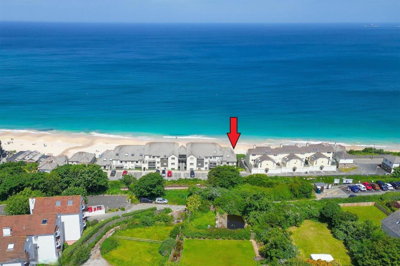
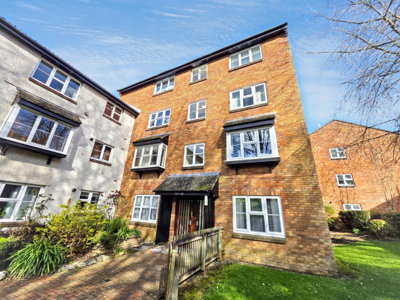
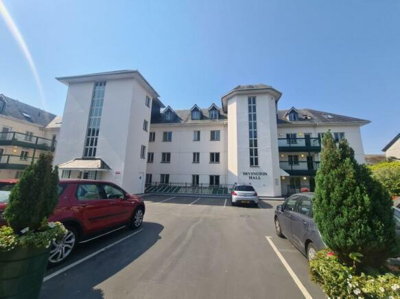
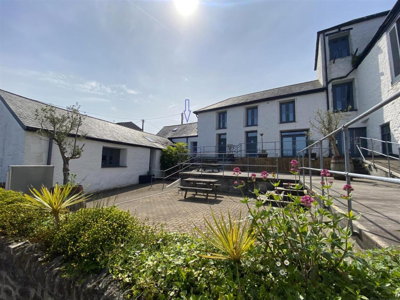
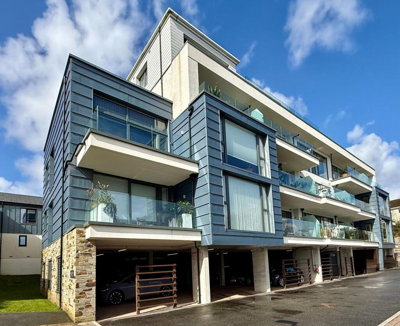
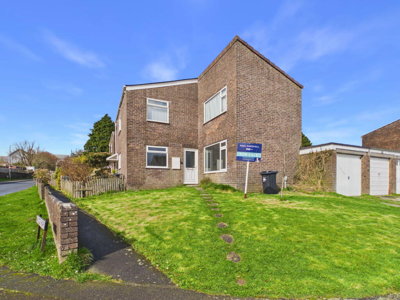
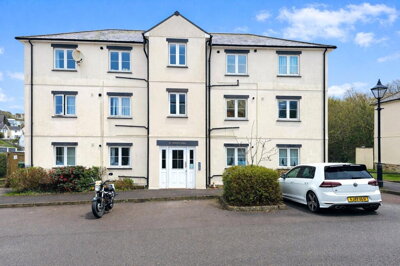
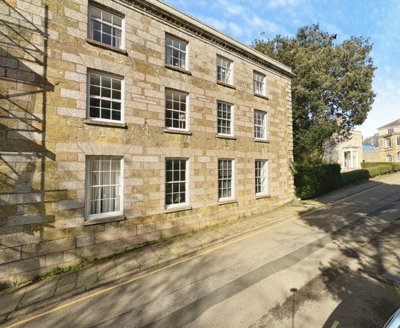
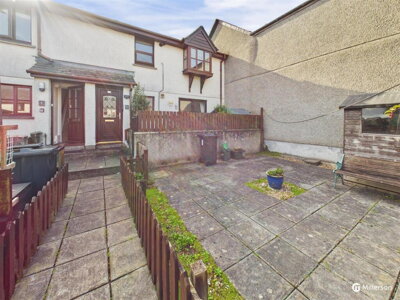
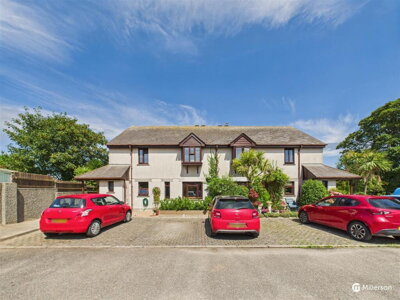
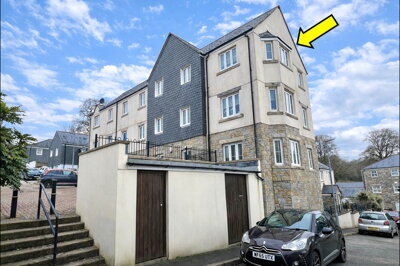
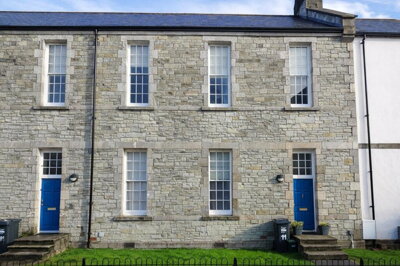
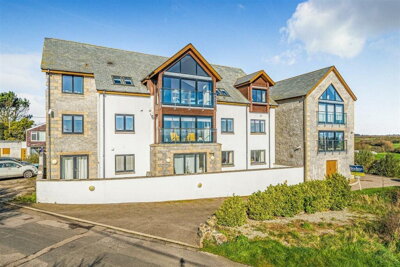
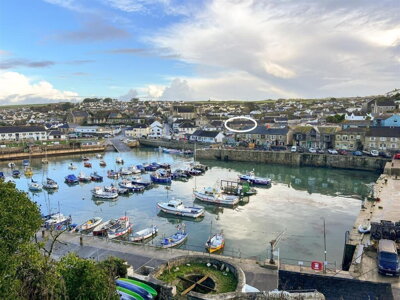
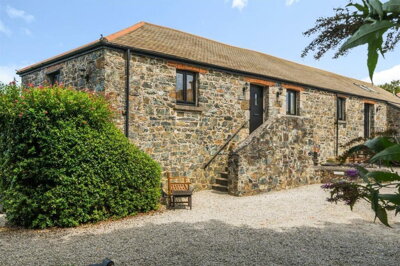
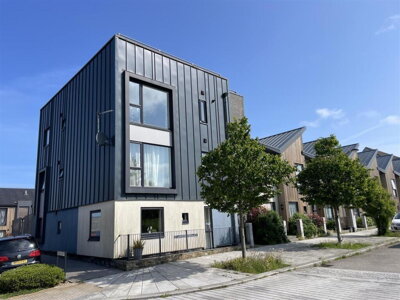
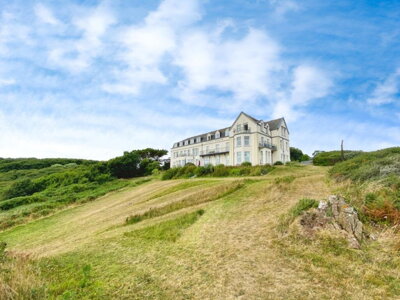
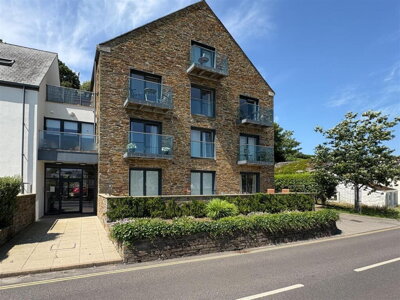
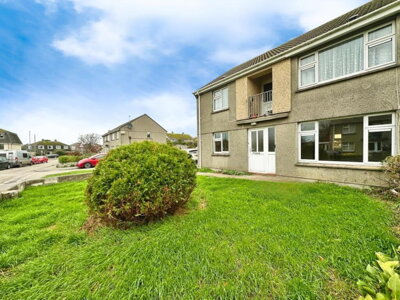
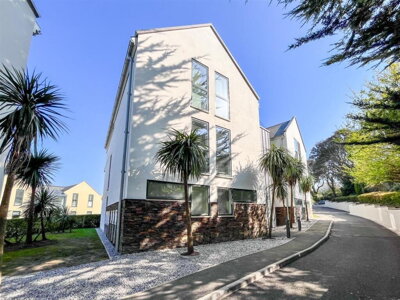
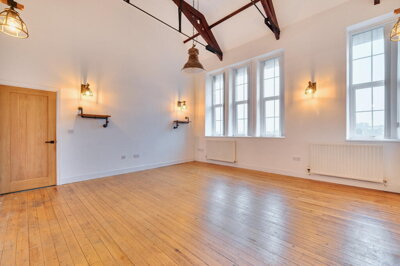
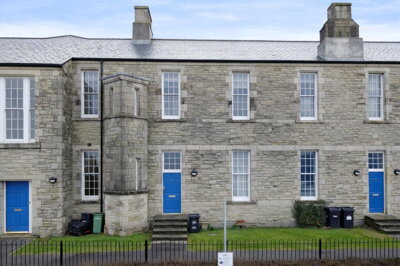
Browse 734 homes for sale in Cornwall, England from local estate agents.
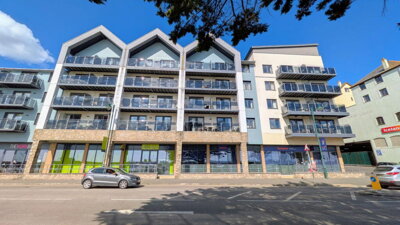
The 2 bed flat sector typically includes two separate bedrooms, dedicated living areas, and bathroom facilities. Properties in Cornwall span purpose-built blocks, converted period houses, and modern apartment complexes on various floors.
£220k
213
14
146
Source: home.co.uk
Showing 213 results for 2 Bedroom Flats for sale in Cornwall, England. 14 new listings added this week. The median asking price is £220,000.
Source: home.co.uk
Flat
213 listings
Avg £257,043
Source: home.co.uk
Source: home.co.uk
Our records show 7,000 property sales in Cornwall over the past year, though transaction volumes have fallen by around 14% compared to the previous period. This decline in activity reflects broader national market conditions following the pandemic boom years, but demand remains solid from buyers drawn to Cornwall's unique lifestyle proposition. The average property price of approximately £335,000 positions the county competitively against comparable coastal and rural locations in the South West, while still commanding a premium for the most desirable sea-view and waterside properties. The split between property types shows detached homes dominating sales volumes, particularly in rural and coastal areas, though terraced properties form a larger proportion of transactions in West Cornwall towns like Camborne and Redruth.
New build activity remains modest across Cornwall, with just 179 newly built properties sold in the past twelve months, representing 2.6% of total sales. The average new build price of £355,000 reflects demand for modern construction and energy efficiency, with most sales concentrated in the £250,000 to £400,000 range. Postcode area PL12 6, which covers Torpoint and the Rame Peninsula, recorded the highest new build activity with 42 sales, suggesting developer interest in this accessible location with its ferry connections to Plymouth. For buyers seeking brand new accommodation, options include contemporary developments along the A30 corridor between Truro and Camborne, as well as smaller infill schemes in towns like Liskeard and Bodmin.
Looking ahead, the Cornwall housing market benefits from several structural factors that support long-term demand. The continuing trend towards remote and hybrid working has made Cornwall an attractive option for professionals who can base themselves anywhere in the UK, particularly those drawn to the quality of life, natural environment, and cultural amenities on offer. The county's renewable energy sector, including offshore wind projects in the Celtic Sea, is creating new skilled employment opportunities, while the established tourism and creative industries continue to provide jobs across the income spectrum. These factors help explain why Cornwall has historically maintained its value relative to many other regions, even during periods of national market uncertainty.
Life in Cornwall unfolds at a different pace, shaped by the dramatic coastline, rolling moorland, and picture-postcard fishing villages that define the county's character. The housing stock reflects this diversity, from grand Georgian townhouses in Truro and Victorian terraces in Camborne to traditional granite cottages scattered across inland parishes and contemporary developments overlooking the sea in Newquay and Penzance. The county's geological foundation of granite intrusions and Devonian slate creates a distinctive visual landscape, and many older properties showcase these materials in their construction, often rendered or painted in the local tradition. Understanding the character of different areas is essential, as communities vary enormously between the bustling university town of Falmouth, the artistic enclave of St Ives, and the working port of Par or Newlyn.
The economy extends well beyond the famous tourism sector, though visitor numbers do shape the character of coastal communities significantly. The creative industries have established strong roots, particularly around Falmouth and Truro, where design studios, digital agencies, and artistic collectives contribute to a vibrant cultural scene. Agriculture and fishing remain important in rural and coastal areas, with Cornish produce including pasties, ice cream, seafood, and cider gaining national recognition. The renewable energy sector, including offshore wind projects, is creating new skilled employment across the county. Major institutional employers including Cornwall Council, the NHS, and the universities provide career stability for residents, and the growing trend towards remote working has enabled many professionals to base themselves in Cornwall while maintaining UK-wide or international connections.
Cornwall's communities range from small fishing villages like Port Isaac and Cadgwith to the county town of Truro with its cathedral city facilities. Newquay serves as the largest town and a major tourist centre with excellent surfing beaches and a thriving year-round community. St Ives remains famous for its artistic heritage and Tate gallery, while Penzance provides a gateway to the Lands End peninsula. For families, the choice of location often balances access to schools, commute times to work, and the availability of amenities, with prices varying accordingly from more affordable inland towns to premium coastal hotspots.

Education provision across Cornwall reflects the county's mix of urban centres and rural communities, with options ranging from small village primary schools to larger secondary institutions serving wider catchment areas. Families relocating to Cornwall should research individual school performance through official Ofsted reports, as standards can vary considerably between institutions. The county operates a mixture of community schools and academy converters, with several schools achieving outstanding ratings in recent inspections. Primary education is well distributed across the county, though rural communities may face longer journeys for secondary school pupils, making school catchment areas an important factor in property selection when choosing where to buy.
Truro and Falmouth catchment areas tend to be most sought after by families due to the concentration of good primary and secondary schools in these urban centres. The Truro School area is particularly competitive, with properties within the catchment command premiums over comparable homes outside it. Primary schools in towns like Truro, Falmouth, Penryn, and Newquay often perform well in national assessments, while secondary options include schools with strong academic records across the GCSE and A-level spectrum. For those considering private education, there are independent schools in the county including Truro School itself and others offering extended hours and weekend boarding facilities.
Beyond school age, Cornwall offers further and higher education opportunities that continue to expand. Falmouth University is a significant creative institution, offering degrees in art, design, digital media, and business, attracting students nationally and internationally to the south coast. The University of Exeter's Penryn Campus, shared with Falmouth, provides courses in business, sustainability, and environmental sciences. Truro College serves as a major further education provider, offering A-levels, vocational qualifications, and apprenticeships. These institutions not only serve local students but also contribute to the demographic mix and cultural vitality of the county, with graduates increasingly choosing to remain in Cornwall rather than relocating to larger cities.
Cornwall's position at the western tip of Britain creates natural transport challenges, but the county is better connected than many realise. The A30 trunk road runs the length of the county from the Devon border near Launceston to Land's End, providing the arterial route for car travel and serving as a lifeline for communities across the interior. The A39 Atlantic Highway traces the north coast through Bude, Wadebridge, and Camelford, offering scenic but sometimes slower routes. Journey times by car to Plymouth typically take around an hour from the eastern edge of the county, while Exeter is approximately two hours away. Bristol can be reached in around three and a half hours, and London in approximately four to five hours depending on traffic conditions.
The main railway line from London Paddington terminates at Penzance, with regular services calling at Truro, St Erth, St Ives, Camborne, Redruth, and Liskeard. Journey times to London range from around four and a half hours from Truro to approximately five and a half hours from Penzance, making day trips to the capital feasible for those with flexible schedules or the ability to work on trains. The St Ives Bay Line provides a branch connection from St Erth to the harbour town, while the Maritime Terminal at Penzance serves ferry services to Knighton in Wales during the summer season. Local public transport options have improved in recent years through enhanced bus routes and community transport schemes, though frequencies outside the main towns can be limited.
For commuters to Plymouth or Exeter in Devon, the Tamar Valley offers relatively straightforward road access via the Tamar Bridge and the newer Torpoint Bypass. These crossings can experience congestion at peak times, particularly during holiday periods when traffic volumes increase significantly. Ferry services from Plymouth to Torpoint and the Woodlands Ferry provide alternatives for those living in the east of the county. Many Cornwall residents accept that car ownership remains essential for convenient access to amenities, services, and employment outside the main towns, and this should be factored into any relocation decision. Newquay Airport offers flights to London Stansted and other regional destinations, though full international connectivity remains limited compared to major UK hubs.
Property buyers in Cornwall should understand the specific construction challenges presented by the county's diverse housing stock. Traditional granite and slate buildings, while often robust in their structural integrity, frequently suffer from penetrating damp due to the exposure to Atlantic weather systems. Lime mortar pointing on older properties can deteriorate over time, allowing water ingress that leads to damp walls and potential timber decay in roof structures. Our inspectors regularly find that properties built before 1919 with solid walls lack modern damp-proof courses, making rising damp a common issue in Cornish cottages and farmhouses. Understanding the condition of mortar, render, and roofing materials is essential when evaluating any traditional property.
The county's mining heritage presents specific risks that buyers should investigate carefully, particularly in areas around Camborne, Redruth, and St Just on the Penwith peninsula. Former tin mining activity has left a legacy of old shafts, adits, and underground workings that can cause ground movement and subsidence. Properties in these areas may show signs of structural movement including cracking to walls or uneven floors, and a thorough survey should assess foundation conditions carefully. Clay deposits in river valleys including those of the Fowey, Tamar, and Fal can cause shrink-swell movement affecting foundations during periods of drought or heavy rainfall, requiring particular attention to drainage and ground conditions.
Coastal properties face additional challenges from salt-laden winds, marine atmospheric conditions, and the risk of coastal erosion in exposed locations. Timber decay including both wet rot and dry rot can affect structural and finish timbers throughout the county, particularly in properties where ventilation is poor or maintenance has been neglected. Lead flashing on roofs can deteriorate over time, causing leaks, while slate tiles on older properties may become brittle or slip, especially after severe weather. Our surveyors also commonly identify outdated electrical installations and plumbing systems in older properties that do not meet current standards and will require updating. Asbestos may be present in properties built before the year 2000, particularly in areas such as garage roofs, boiler cupboards, and pipe lagging.
Cornwall is designated as a high radon gas risk area by Public Health England, and this naturally occurring radioactive gas can accumulate in buildings, particularly those with basements or limited ventilation. Properties should be tested for radon levels before purchase, especially older homes without modern ventilation systems or those with poor air circulation. The Cornwall radon risk map shows elevated levels across many parts of the county, with certain areas near granite outcrops presenting higher concentrations. Mitigation measures such as positive ventilation systems or radon sumps can reduce levels to safe limits, but awareness of this risk should form part of any property purchase decision in Cornwall.
Flood risk deserves careful attention, particularly for homes near rivers such as the Tamar, Fowey, Camel, or Fal, or in coastal locations including parts of Looe, Polperro, Fowey, Truro, and Wadebridge. The Environment Agency flood maps provide detailed information on flood risk zones across Cornwall, and we recommend reviewing these carefully before making an offer on any property. Surface water flooding can also occur in urban areas during heavy rainfall, and the increasing frequency of extreme weather events means that historical flood records should be considered alongside future risk projections. Insurance costs can be significantly higher for properties with notable flood exposure, and this ongoing cost should factor into your budgeting.
For listed buildings or homes within conservation areas, planning restrictions may limit permitted alterations, and specialist surveys may be required to assess the implications of purchase. Cornwall has numerous conservation areas protecting the special architectural character of historic towns and villages, including significant concentrations in Truro, Falmouth, Penzance, and many coastal villages. Properties subject to listed building status require consent for virtually any alteration, and buyers should understand these constraints before committing to purchase. Specialist heritage surveys can assess the condition of traditional materials and identify maintenance requirements that may not be apparent to the untrained eye.
Construction quality varies widely across Cornwall's diverse housing stock. When evaluating properties, consider the maintenance history, the age of key systems including heating, electrical, and plumbing, and the potential costs of bringing the home up to current standards. Energy efficiency is increasingly important, and older properties with solid walls or minimal insulation will have higher heating costs than modern equivalents. A thorough RICS Level 2 Survey will identify defects and help you budget for any necessary repairs, providing the confidence to proceed with your purchase or negotiate an appropriate price adjustment based on the property's actual condition.

Before viewing properties, obtain a mortgage agreement in principle from a lender. This confirms your borrowing capacity and strengthens your position when making offers on Cornish properties, particularly in competitive coastal locations where multiple bids are common. Having your financing arranged before you start viewing demonstrates to sellers that you are a serious buyer able to move quickly through the transaction process.
Cornwall's communities vary enormously in character, amenities, and price. Spend time exploring different towns and villages to understand local transport connections, school catchments, and the character of each area. Consider both your immediate needs and long-term plans, whether that means proximity to the coast for surfing and sailing, access to good schools for family life, or affordable prices in up-and-coming towns like Camborne or St Austell.
Once you have narrowed your search, arrange viewings through Homemove or directly with estate agents. Take time to examine properties thoroughly, noting the construction materials, maintenance condition, and any signs of potential issues common to older Cornish properties such as damp, slate roof deterioration, or mining-related subsidence. Viewing properties across different weather conditions can reveal issues with drainage, wind penetration, or light levels that a single visit might miss.
Before committing to purchase, especially for older properties over 50 years old, commission a RICS Level 2 Survey to assess condition and identify defects. Given Cornwall's prevalence of granite, slate, and older construction combined with environmental risks including radon gas and potential mining subsidence, professional surveys are essential for informed decision-making. The survey report will identify any urgent repairs needed and provide detailed information on the property's condition to support your negotiation.
Choose a conveyancing solicitor with experience of Cornwall transactions. They will handle searches, contracts, and registration, including local searches covering flood risk, radon gas, and any mining legacy in areas like Camborne-Redruth or St Just. Conveyancing costs typically range from £500 to £1,500 depending on complexity, and using a solicitor familiar with Cornish property issues can help avoid delays and complications that sometimes affect transactions in this unique market.
Your solicitor will exchange contracts once all searches are satisfactory and financing is confirmed. Completion typically follows within weeks, after which you will receive keys to your new Cornish home. Allow time for your solicitor to report on the title deeds and any covenants affecting the property, as historic rights of way, manorial rights, or planning conditions may affect your use of the property in ways that require understanding before you move in.
Average house prices in Cornwall currently stand at approximately £335,000 according to recent market data, though this varies significantly by property type and location. Detached properties average around £422,000, semi-detached homes approximately £280,000, terraced properties about £230,000, and flats and maisonettes around £147,000. Prices have declined by approximately 4% over the past twelve months, offering opportunities for buyers in a market that saw peaks of over £357,000 in 2022. Coastal properties in popular areas like St Ives, Falmouth, and the Lizard Peninsula command significant premiums over comparable homes in inland towns.
Council tax in Cornwall is set by Cornwall Council, and bands range from A to H depending on property value as assessed by the Valuation Office Agency. Most residential properties in Cornwall fall within bands A through D, though larger detached homes in sought-after coastal locations may be assessed in higher bands. You can check the specific band for any property through the Cornwall Council website or the Valuation Office Agency database before making your purchase, as council tax forms a significant part of ongoing property costs.
Cornwall has several highly-regarded schools, though rankings change annually and performance varies between institutions. Research individual school performance through Ofsted reports rather than relying on general reputation, as some smaller rural schools may offer excellent education despite limited visibility in national league tables. Primary schools in towns like Truro, Falmouth, Penryn, and Newquay often perform well, while secondary options include schools with strong academic records. For further education, Falmouth University, Truro College, and the University of Exeter Penryn Campus provide excellent higher and vocational education opportunities.
Cornwall is served by the main railway line from London Paddington to Penzance, with major stations at Truro, Camborne, Redruth, St Erth, St Ives, and Penzance providing regular connections to the capital. The A30 trunk road provides the primary road route across the county, though journey times to destinations outside Cornwall should factor in potential delays during peak holiday periods. Local bus services operate throughout, though frequencies outside main towns can be limited, and many residents consider car ownership essential for convenient access to services and employment across the county's dispersed geography.
Cornwall's property market benefits from strong underlying demand driven by tourism, second home appeal, and an expanding remote working population. Prices have corrected from 2022 peaks, potentially creating value for long-term buyers seeking to establish themselves in this desirable location. However, the market has unique characteristics including significant holiday let and second home activity that can affect availability and local resident housing need. Rental yields can be attractive in tourist areas, though regulatory changes affecting holiday lets may impact returns, and the seasonal nature of much tourism employment affects tenant stability in some areas.
For standard purchases, stamp duty thresholds are 0% on the first £250,000, 5% on £250,001 to £925,000, 10% on £925,001 to £1.5 million, and 12% above £1.5 million. First-time buyers benefit from relief on the first £425,000, with 5% on £425,001 to £625,000. Given Cornwall's average price of around £335,000, most buyers would pay stamp duty only on the amount above £250,000, making first-time buyer relief particularly valuable for those purchasing at typical price points. A first-time buyer purchasing at the average price would pay no stamp duty at all.
Key risks include flood exposure in coastal and riverside locations, potential subsidence in former mining areas around Camborne, Redruth, and St Just, radon gas presence across much of the county, and the condition of older properties built from traditional materials including granite and slate. Conservation areas and listed buildings may restrict alterations, and the prevalence of older construction means properties may require maintenance investment for damp proofing, roof repairs, or system updates. A thorough survey before purchase is essential, and our RICS Level 2 Survey provides detailed information on property condition and any specific risks.
Approximately 6,591 to 7,000 property sales take place in Cornwall annually, though transaction volumes have declined by around 14% compared to previous years in line with national trends following the peak activity during the pandemic period. The market saw higher volumes during the 2020-2022 property boom, but current activity reflects more normalised conditions as mortgage rates have risen and buyer confidence has moderated. New build sales represent only about 2.6% of total transactions, indicating that most buyers purchase existing properties where the housing stock is older and more varied than in many other parts of the country.
Secure your Cornwall property with competitive mortgage rates
From 3.8%
Expert solicitors handling your Cornwall property purchase
From £499
Essential condition report for Cornish properties
From £350
Energy performance certificate for your property
From £60
Understanding the full costs of purchasing property in Cornwall helps you budget accurately and avoid surprises. Beyond the purchase price, buyers should budget for stamp duty land tax, solicitor fees typically ranging from £500 to £1,500 for conveyancing depending on complexity, survey costs of £350 to over £1,000 depending on property size and survey type, and lender arrangement fees if applicable. Removal costs, insurance from completion date, and potential repairs or renovations should also factor into your financial planning. First-time buyers may qualify for relief that significantly reduces stamp duty costs on properties up to £425,000, making Cornwall particularly accessible for those entering the property market.
The stamp duty structure for 2024-25 applies 0% tax on the first £250,000 of residential purchases, 5% on the portion from £250,001 to £925,000, 10% on £925,001 to £1.5 million, and 12% on amounts exceeding £1.5 million. For first-time buyers, the nil-rate threshold increases to £425,000, with 5% applying between £425,001 and £625,000. Given Cornwall's average property price of approximately £335,000, a first-time buyer purchasing at the average price would pay no stamp duty at all, while a buyer purchasing a £400,000 property would pay nothing if they qualify for first-time buyer relief. These savings can be significant and should be factored into your budget planning.
When calculating your total purchase costs, remember to include search fees charged by your solicitor for local authority, drainage, and environmental searches specific to Cornwall. These searches typically cover flood risk, radon gas levels, contaminated land, and mining records that are particularly important given the county's history. Mortgage valuation fees may also be required by your lender, though these are often bundled into overall arrangement costs. Budgeting for a contingency fund equivalent to at least 10% of the purchase price for unexpected repairs or issues discovered after moving in is prudent, especially for older properties where maintenance requirements may not be immediately apparent during viewings.
Beginning your property search in Cornwall requires a clear understanding of what you are looking for and where you want to live. Whether your priority is a affordable starter home in an improving town like Camborne or St Austell, a family house with good school access near Truro or Falmouth, or a premium coastal property overlooking the sea in St Ives or the Lizard Peninsula, defining your criteria early will help you focus your search effectively. Cornwall's varied property market means that compromises are often necessary between location, property type, condition, and price.
Working with local estate agents who know the Cornwall market intimately can provide access to properties before they appear on major portals, particularly in quieter market conditions. Our platform aggregates listings from across the county, allowing you to compare properties, track price changes, and set up alerts for new listings matching your criteria. Whether you are relocating from elsewhere in the UK or already living in Cornwall and looking to move within the county, our tools can help you navigate the market efficiently and find your ideal property at a fair price.

Properties for Sale In London

Properties for Sale In Plymouth

Properties for Sale In Liverpool

Properties for Sale In Glasgow

Properties for Sale In Sheffield

Properties for Sale In Edinburgh

Properties for Sale In Coventry

Properties for Sale In Bradford

Properties for Sale In Manchester

Properties for Sale In Birmingham

Properties for Sale In Bristol

Properties for Sale In Oxford

Properties for Sale In Leicester

Properties for Sale In Newcastle

Properties for Sale In Leeds

Properties for Sale In Southampton

Properties for Sale In Cardiff

Properties for Sale In Nottingham

Properties for Sale In Norwich

Properties for Sale In Brighton

Properties for Sale In Derby

Properties for Sale In Portsmouth

Properties for Sale In Northampton

Properties for Sale In Milton Keynes

Properties for Sale In Bournemouth

Properties for Sale In Bolton

Properties for Sale In Swansea

Properties for Sale In Swindon

Properties for Sale In Peterborough

Properties for Sale In Wolverhampton

Enter your details to see if this property is within your budget.
Loans, cards, car finance
Estimated property budget
Borrowing + deposit
You could borrow between
Typical borrowing
Monthly repayment
Est. at 4.5%
Loan-to-value
This is an estimate only. Your actual budget may vary depending on interest rates, credit history, and personal circumstances. For an accurate affordability assessment, speak to one of our free mortgage advisors.
This calculator provides estimates for illustrative purposes only and does not constitute financial advice. Your home may be repossessed if you do not keep up repayments on your mortgage. Estimates based on 4.5% interest rate, repayment mortgage. Actual rates depend on your circumstances.
Homemove is a trading name of HM Haus Group Ltd (Company No. 13873779, registered in England & Wales). Homemove Mortgages Ltd (Company No. 15947693) is an Appointed Representative of TMG Direct Limited, trading as TMG Mortgage Network, which is authorised and regulated by the Financial Conduct Authority (FRN 786245). Homemove Mortgages Ltd is entered on the FCA Register as an Appointed Representative (FRN 1022429). You can check registrations at NewRegister or by calling 0800 111 6768.

We use cookies to show you personalised content and improve your experience of our website. Find out more in our Privacy policy and Cookie policy.