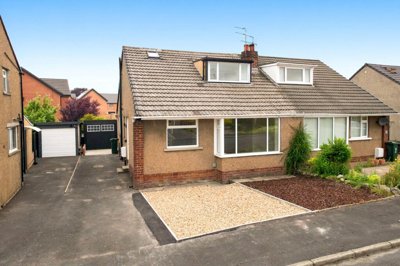
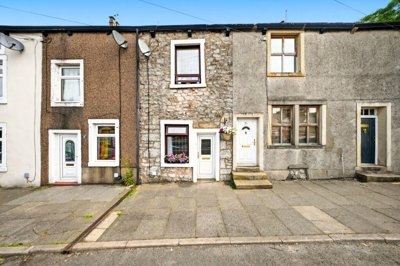
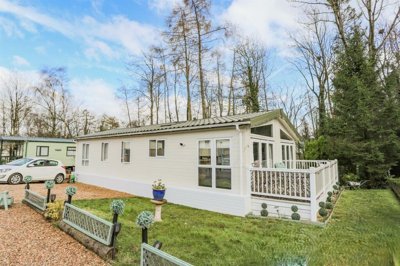
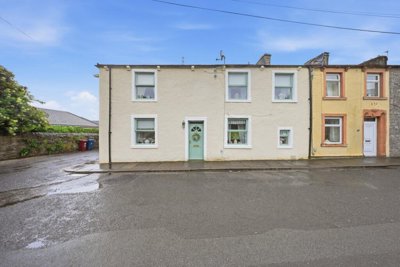
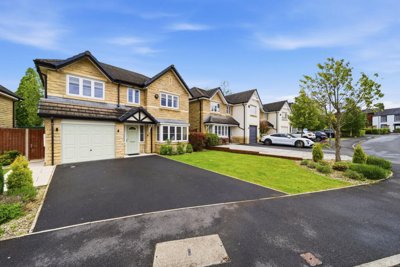
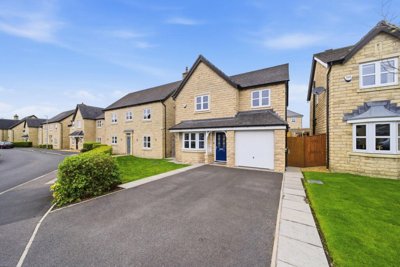
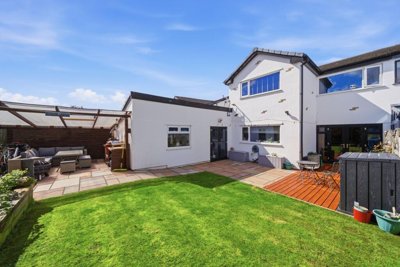
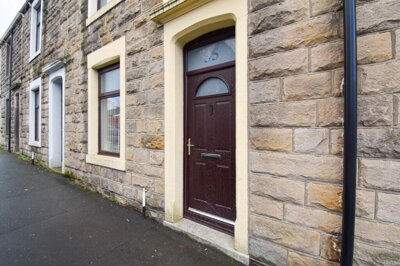
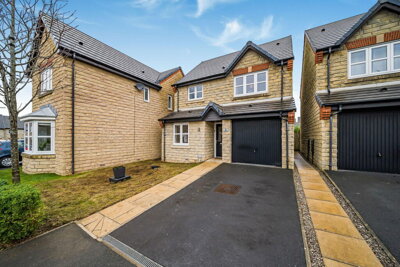
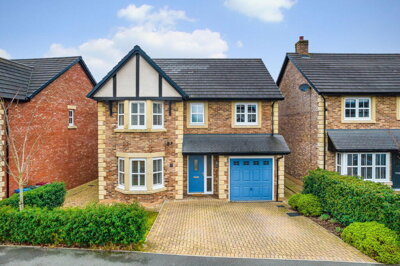
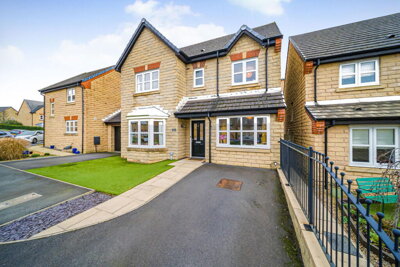
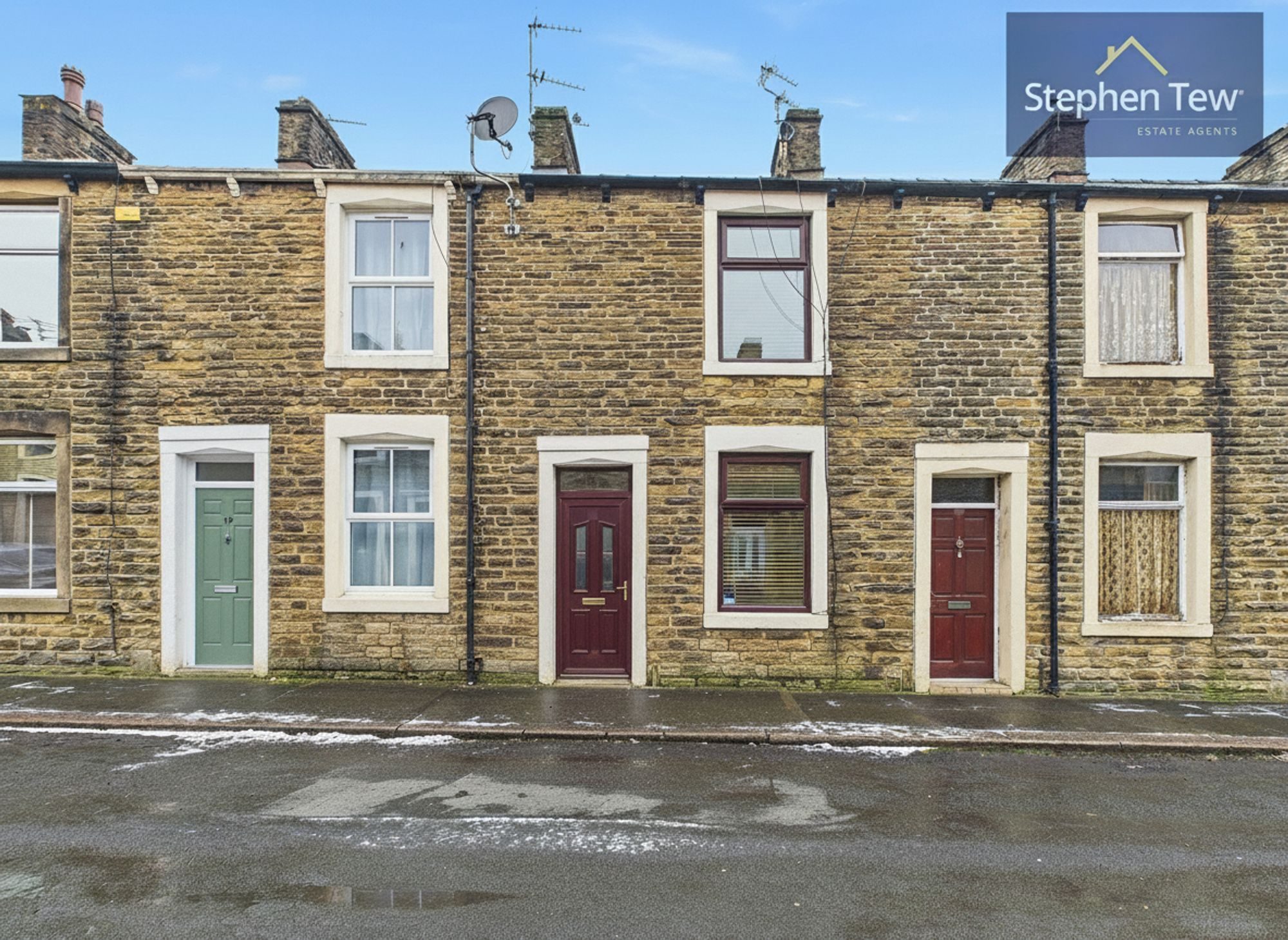
Browse 231 homes for sale in Clitheroe, Ribble Valley from local estate agents.
£210k
69
12
67
Source: home.co.uk
Source: home.co.uk
Terraced
18 listings
Avg £194,072
Semi-Detached
14 listings
Avg £234,996
Detached
12 listings
Avg £421,983
Apartment
9 listings
Avg £145,544
Cottage
4 listings
Avg £162,738
Bungalow
2 listings
Avg £161,483
End of Terrace
2 listings
Avg £199,975
Semi-Detached Bungalow
2 listings
Avg £287,475
Character Property
1 listings
Avg £595,000
Detached Bungalow
1 listings
Avg £350,000
Source: home.co.uk
Source: home.co.uk
The Clitheroe property market has demonstrated consistent resilience and growth, with house prices increasing by 2.30% over the past twelve months according to the latest home.co.uk listings data. This steady upward trajectory reflects the enduring appeal of Ribble Valley living and the limited supply of quality homes relative to strong demand from buyers seeking the perfect balance between rural charm and urban convenience. Our platform lists properties across all price points, from flats starting at around £120,500 to impressive detached family homes commanding prices above £400,000, ensuring there is something for every buyer in this desirable market town. The town saw 249 property sales in the past year, providing a solid indicator of market activity levels and the ease with which properties can be bought and sold.
The housing stock in Clitheroe is remarkably diverse, with the ONS Census 2021 data revealing a balanced mix that includes 28.5% detached properties, 30.1% semi-detached homes, 29.8% terraced properties, and 11.6% flats and apartments. This variety means buyers can choose between the character and charm of traditional stone-built cottages in conservation areas, the generous proportions of post-war semi-detached family homes, or the modern comfort of recently constructed properties in new developments. Semi-detached homes currently average £222,036, while terraced properties offer excellent value at around £178,247, making them particularly attractive to first-time buyers and growing families looking to establish themselves in this sought-after location. The breakdown of recent price trends shows terraced properties leading growth at 2.90%, followed by semi-detached at 2.60%, detached at 1.80%, while flats saw a slight decrease of 0.40%, highlighting the continued preference for houses over apartments in this market.
For buyers interested in new build properties, Clitheroe currently has three active developments offering modern homes with contemporary designs and energy-efficient specifications. Ribble Meadows by Taylor Wimpey features 3 and 4 bedroom homes priced from £269,995 to £389,995, while Barratt Homes at Standen Gate offers similar 3 and 4 bedroom properties ranging from £269,995 to £379,995. For those seeking larger family homes, David Wilson Homes at Waddington Gate presents an impressive selection of 4 and 5 bedroom properties priced from £389,995 to £539,995. All three developments are located within the BB7 postal area, offering prospective buyers the opportunity to purchase a brand-new home with the benefit of a warranty and the latest building regulations compliance. New build properties can offer lower maintenance costs in the early years and improved energy efficiency, though buyers should still consider commissioning a snagging survey to identify any construction defects before the warranty period expires.

Life in Clitheroe revolves around a thriving town centre that combines historic character with a vibrant atmosphere, supported by an impressive array of independent shops, cafes, and restaurants. The town has long been recognised as a shopper's paradise for Lancashire, with Castle Street, King Street, and Market Street hosting an eclectic mix of boutique stores, artisan food shops, and traditional butchers that draw visitors from across the region. The weekly Thursday market in the castle grounds has been a feature of town life for centuries, while the annual Clitheroe Food Festival transforms the streets into a celebration of local produce and culinary excellence that showcases the best of Ribble Valley's food and drink offerings. The local economy benefits significantly from tourism generated by these attractions, supporting employment in hospitality, retail, and related sectors throughout the year.
The economic landscape of Clitheroe is shaped by several key sectors that provide employment opportunities for residents. Tourism plays a vital role, with visitors drawn to the castle, independent shops, and proximity to the Forest of Bowland AONB, supporting hospitality and retail businesses throughout the town. Agriculture remains significant in the surrounding Ribble Valley, while light manufacturing and engineering operations provide industrial employment within the area. Public services including healthcare, education, and local government also feature prominently in the local job market. Many residents choose to commute to larger employment centres in Blackburn, Preston, and Manchester, taking advantage of the excellent transport connections while enjoying the quality of life that Clitheroe offers. This commuter character has influenced housing demand patterns, with properties suitable for home working becoming increasingly valuable as employers offer greater flexibility.
The cultural heritage of Clitheroe is tangible throughout the town, nowhere more so than around the iconic Clitheroe Castle, one of the oldest buildings in Lancashire, which stands proudly above the town and offers panoramic views across the surrounding countryside. The extensive conservation area encompasses much of the historic town centre, protecting the distinctive limestone buildings and cobbled streets that give Clitheroe its unique character. Properties within this area include numerous listed buildings, from the Grade I listed castle itself to the Grade II* St Mary Magdalene Church and dozens of residential and commercial buildings that contribute to the town's architectural richness. Living in a conservation area does mean accepting certain planning restrictions designed to preserve the character of the neighbourhood, but many buyers find this an acceptable trade-off for living in such a distinctive and well-preserved environment.
The surrounding Ribble Valley offers exceptional opportunities for outdoor recreation, with the Forest of Bowland AONB providing 800 square kilometres of unspoiled moorland, woodland, and farmland right on the doorstep of Clitheroe residents. The area is popular with walkers, cyclists, and nature enthusiasts, with well-marked trails including the Ribble Way, which follows the river from its source in the Yorkshire Dales to the sea at Lytham St Annes. For those who prefer more leisurely pursuits, the nearby Sterneberr and Arndale Centre provide good shopping options, while the Ribblesdale Pool offers swimming and fitness facilities. The combination of natural beauty, recreational opportunities, and community spirit makes Clitheroe an attractive location for buyers seeking a better balance between professional commitments and quality of life.

Education provision in Clitheroe is one of the key factors that makes the town such a popular choice for families, with a strong selection of primary and secondary schools serving the local community. Ribblesdale Primary and Nursery School is a well-established primary school in the town centre, while St Mary Magdalene Catholic Primary School provides faith-based education for younger children. The area also benefits from several other primary schools in surrounding villages, providing families with options depending on their location and preferences. Primary schools in Clitheroe and the surrounding Ribble Valley generally perform well in national assessments, with Key Stage 2 results showing pupils making good progress across reading, writing, and mathematics. Parents should verify current Ofsted ratings and performance data, as these can change over time and may influence the long-term value of properties in specific catchment areas.
At secondary level, Ribblesdale Valley Community High School serves as the main secondary school for the town, offering comprehensive education for students aged 11 to 16. St Augustine's Catholic High School provides an alternative for families seeking a faith-based secondary education, with both schools offering a broad curriculum and a range of extracurricular activities. For post-16 education, the nearby Clitheroe Royal Grammar School is a selective school with a national reputation for academic excellence, accepting students from across the wider region. The grammar school also offers sixth form provision for students completing their secondary education, with a track record of sending graduates to top universities across the country. Parents researching the best schools in Clitheroe should always verify current Ofsted ratings and admission arrangements, as these can change and catchment areas can vary significantly between schools.
For families with younger children, the area offers numerous nurseries and preschools, including both private settings and those attached to primary schools. The presence of these educational facilities contributes significantly to Clitheroe's appeal as a family-friendly town, with good early years provision making it easier for parents to balance childcare and work commitments. When buying property in Clitheroe, parents should research school catchment areas carefully, as property prices in the catchment zones for popular schools often command a premium reflecting the value placed on access to good education. The strong educational track record of local schools helps maintain the long-term appeal and property values across the town, making school catchment areas an important consideration for families planning their property purchase. Schools can also influence the demographics of an area, with good school catchments attracting families who tend to stay long-term, contributing to stable communities.

Clitheroe offers practical transport connections that balance its rural character with accessibility to major employment centres, making it an attractive option for commuters who want to enjoy countryside living without sacrificing career opportunities. The town is served by Clitheroe railway station, which sits on the Ribble Valley Line connecting Blackburn and Manchester. The train journey to Manchester Victoria takes approximately one hour, with direct services making this a viable option for daily commuters working in the city. For travel to London, passengers typically change at Blackburn to connect with the East Coast Main Line, with journey times to London Euston averaging around two and a half hours from this connection point. The rail service frequency has improved in recent years, making Clitheroe increasingly attractive to those who work in Manchester but prefer rural living.
Road transport is equally important for Clitheroe residents, with the town benefiting from good connections to the motorway network despite its rural setting. The M6 motorway is accessible within a short drive to the west, providing direct routes to Preston, Liverpool, and the motorway network extending across the country. The A59 trunk road runs through the town, connecting Clitheroe to Preston in the west and Skipton and the Yorkshire Dales in the north. For those working in Blackburn or Burnley, the commute by car typically takes 20-30 minutes, while Leeds is approximately an hour's drive away. Local bus services operated by Lancashire County Council and private operators provide connections to surrounding villages and towns, while the Stagecoach bus network offers some useful cross-county routes for those without cars.
Local transport within Clitheroe itself is manageable on foot or by bicycle, with the compact town centre making most everyday amenities accessible without a car. The town has invested in improved pedestrian routes and cycle lanes in recent years, reflecting a commitment to sustainable transport options. Parking in the town centre is generally good, with several public car parks available for shoppers and visitors, making it practical for those who prefer to combine car use with walking for local trips. For commuters who travel occasionally rather than daily, the combination of rail connections and motorway access provides flexibility to choose the most appropriate transport mode for each journey, whether that involves driving to a rail station or catching a direct coach service to Manchester. This flexibility supports the diverse transport needs of residents, from daily commuters to occasional travellers.

Before you start searching for properties, obtain a mortgage agreement in principle from a lender or mortgage broker. This document confirms how much you can borrow based on your financial circumstances and demonstrates to sellers that you are a serious buyer with funding already arranged. Having an agreement in principle can strengthen your position when making offers, particularly in competitive situations where multiple buyers may be interested in the same property. Your lender will conduct a preliminary assessment of your income, outgoings, and credit history to determine your borrowing capacity.
Use Homemove to explore properties across Clitheroe and the surrounding Ribble Valley. Research different neighbourhoods, school catchments, and average prices for properties that match your requirements, whether you are looking for a terraced home near the town centre or a detached property in a quieter village. Take time to understand the local market dynamics, including price trends for different property types, the average time properties take to sell in different areas, and any upcoming developments that might affect property values. Understanding these factors will help you make informed decisions and negotiate effectively.
Once you have identified properties of interest, contact the listing estate agents to arrange viewings. Take the time to visit properties at different times of day and consider factors such as noise levels, natural light, and the condition of the surrounding neighbourhood before making an offer. During viewings, look beyond the cosmetic presentation to assess the underlying condition of the property, checking for signs of damp, structural movement, or deferred maintenance. Ask the seller or agent about the length of time the property has been on the market and any previous offers received, as this information can help inform your negotiation strategy.
For properties over 50 years old, which make up a significant portion of Clitheroe's housing stock, we strongly recommend booking a RICS Level 2 Survey before proceeding to purchase. Survey costs in Clitheroe typically range from £450-700 for a standard 3-bedroom semi-detached property and £600-900+ for larger detached homes, with the report identifying any structural issues, damp problems, or roof defects that might affect your purchase. Given that approximately 70-75% of properties in Clitheroe are over 50 years old, with many built using traditional limestone construction and lime mortar, a professional survey is particularly valuable for identifying defects specific to these construction methods. Properties in conservation areas or listed buildings may benefit from a more comprehensive RICS Level 3 Building Survey.
Once your offer is accepted, instruct a conveyancing solicitor to handle the legal aspects of your purchase. Your solicitor will conduct searches, review the contract, and manage the exchange and completion process on your behalf, including dealing with any issues specific to conservation areas or listed buildings in Clitheroe. Searches typically include local authority checks, environmental searches to identify flood risk and contamination, and drainage and water searches. For properties in flood risk areas near the River Ribble or its tributaries, your solicitor should ensure appropriate insurance is available before you commit to the purchase.
After satisfactory searches and survey results, your solicitor will arrange for contracts to be exchanged, at which point the transaction becomes legally binding. Completion typically follows within 2-4 weeks, at which point you will receive the keys to your new Clitheroe home and can begin moving in and making the property your own. On completion day, ensure you have buildings insurance in place from the time you become the legal owner, and arrange for meter readings to be taken for gas, electricity, and water. Your solicitor will handle the transfer of funds and registration of your ownership with the Land Registry.
Properties in Clitheroe present several local considerations that buyers should understand before committing to a purchase, particularly given the diverse age and construction of the local housing stock. The geology of the area is dominated by Carboniferous Limestone, which provides a generally stable foundation for buildings, but superficial deposits of glacial till and alluvium in some areas can create more variable ground conditions. Where clay deposits are present, there is potential for some shrink-swell movement affecting foundations, so a careful survey of any property showing signs of cracking or movement is essential. Our platform enables you to check property-specific information including flood risk and ground conditions as part of your research. The property age distribution in Clitheroe shows approximately 25-30% pre-1919 properties, 15-20% built between 1919-1945, 25-30% post-war properties from 1945-1980, and 20-25% built after 1980, meaning buyers encounter properties across all construction eras.
The predominant building materials used in Clitheroe reflect the local geology and building traditions, with many older properties constructed using local limestone in solid wall construction with lime mortar. This traditional construction is common in the conservation area and contributes to the distinctive character of the town, but requires different maintenance approaches compared to modern cavity wall construction. Natural slate roofing is very common across the older housing stock, reflecting the region's historical access to slate quarries, and these roofs will eventually require renewal even with good maintenance. From the late 19th century onwards, brick became increasingly common, often used in cavity wall construction for improved thermal performance and weather resistance. Understanding the construction materials and methods used in a property helps buyers anticipate maintenance requirements and assess the condition of key building elements during surveys.
Flood risk is a consideration for some properties in Clitheroe, particularly those located close to the River Ribble and its associated floodplains or near tributaries such as the River Calder. Surface water flooding can also occur in low-lying areas during periods of heavy rainfall, so buyers should review Environment Agency flood risk data before purchasing and ensure appropriate insurance is available. The good news is that the majority of Clitheroe's residential areas are not located in flood risk zones, and lenders will typically require a satisfactory flood risk assessment as part of their mortgage offer where applicable. Historic limestone quarrying in the area means some localised ground stability considerations may apply in certain locations, though these are generally well documented and should be identified in property searches. A thorough survey can also identify any previous flood damage or water ingress that might affect the condition of a property.
Given that approximately 70-75% of properties in Clitheroe are estimated to be over 50 years old, buyers should be particularly vigilant about common defects in older properties. These include damp issues arising from failed or absent damp-proof courses, deterioration of traditional lime mortar pointing, and slate roof defects such as slipped or delaminated tiles. Many older properties in the conservation area also have solid walls without cavity insulation, which can result in higher heating costs and a less comfortable living environment. Timber defects including wet rot, dry rot, and woodworm infestations can occur in properties with damp issues or where timber elements have been exposed to moisture. Outdated electrical wiring and plumbing systems are common in older properties, often requiring upgrading to meet current safety standards. When purchasing a listed building or a property in the conservation area, additional considerations apply including planning restrictions on alterations, requirements for specialist materials when carrying out repairs, and the potential need for a more comprehensive RICS Level 3 Building Survey rather than a standard Level 2 report.

The current average house price in Clitheroe is £267,314 according to the latest home.co.uk listings data, with detached properties averaging £408,340, semi-detached homes at £222,036, terraced properties at £178,247, and flats at around £120,500. Prices have increased by 2.30% over the past twelve months, with terraced properties showing the strongest growth at 2.90%, followed by semi-detached at 2.60% and detached at 1.80%. The town saw 249 property sales in the past year, providing a solid indicator of market activity levels and the ease with which properties can be bought and sold in this popular Ribble Valley market town.
Properties in Clitheroe fall under Ribblesdale Valley Council's jurisdiction, with council tax bands ranging from A through to H depending on the property's assessed value. Most standard 3-bedroom semi-detached properties in Clitheroe typically fall into band C or D, with the exact amount depending on the current year's council tax charges. Prospective buyers can check specific bandings on the Valuation Office Agency website using the property address, or ask the seller to confirm the band before making an offer. Properties in higher bands will naturally incur higher annual council tax charges, which should be factored into the overall cost of ownership.
Clitheroe offers excellent educational provision, with Ribblesdale Primary and Nursery School and St Mary Magdalene Catholic Primary School providing strong options for younger children in the town centre area. At secondary level, Ribblesdale Valley Community High School serves the main catchment, while St Augustine's Catholic High School offers faith-based education for families preferring a Catholic secondary school. The selective Clitheroe Royal Grammar School has an excellent academic reputation and accepts students from across the wider region based on their entrance examination performance. Parents should always verify current Ofsted ratings and admission policies, as these are subject to change and catchment areas can vary significantly between schools.
Clitheroe railway station sits on the Ribble Valley Line with direct services to Blackburn and Manchester Victoria, with the journey to Manchester taking approximately one hour. Bus services operated by Lancashire County Council connect the town to surrounding villages and towns, while the M6 motorway is easily accessible for car travel to Preston, Liverpool, and beyond. For commuters working in Blackburn or Preston, road journey times are typically 20-30 minutes, making Clitheroe practical for regular commuting while enjoying rural living. The combination of rail connections and motorway access provides flexibility for those who work in Manchester but prefer the quality of life offered by Ribble Valley living.
Clitheroe has historically shown stable property price growth, with a 2.30% increase over the past twelve months demonstrating continued demand for homes in this popular Ribble Valley market town. The combination of limited new housing supply, excellent schools, beautiful surroundings, and good transport connections supports long-term demand from both families and commuters. The presence of major employers in nearby Preston and Manchester, combined with the area's appeal to commuters and retirees alike, suggests that Clitheroe property can make a sound investment for the right buyer. However, all property investments carry risk and past performance does not guarantee future returns, so buyers should make their purchase decision based on personal circumstances rather than purely investment considerations.
For standard property purchases, you pay no stamp duty on the first £250,000, then 5% on the amount between £250,001 and £925,000, 10% up to £1.5 million, and 12% on any value above that. First-time buyers benefit from more generous relief, paying no stamp duty on properties up to £425,000 and 5% on the portion between £425,001 and £625,000. For a typical Clitheroe property at the current average price of £267,314, a standard buyer would pay approximately £866 in Stamp Duty Land Tax. An additional 3% surcharge applies for second homes and buy-to-let properties. You should always verify current thresholds with HMRC or your solicitor, as stamp duty rules can change with each budget.
With approximately 70-75% of properties in Clitheroe estimated to be over 50 years old, a RICS Level 2 Survey is particularly valuable for identifying defects common to the local housing stock. Our inspectors frequently find damp issues in older stone-built properties, deteriorated lime mortar pointing, and slate roof defects including slipped or delaminated tiles. Properties in the conservation area may have solid walls without cavity insulation, resulting in higher heating costs, and older electrical and plumbing systems often require upgrading to meet current standards. Survey costs in Clitheroe typically range from £450-700 for a standard 3-bedroom semi-detached property and £600-900+ for larger detached homes, representing a worthwhile investment compared to the potential cost of unidentified defects.
While the majority of Clitheroe's residential areas are not located in flood risk zones, properties close to the River Ribble or its tributaries such as the River Calder should be carefully assessed for flood risk. Surface water flooding can occur in low-lying areas during periods of heavy rainfall, so buyers should review Environment Agency flood risk data before purchasing. Properties in flood risk areas may face higher insurance premiums or limited insurer choices, and your solicitor should confirm appropriate insurance is available before you commit to the purchase. Lenders typically require a satisfactory flood risk assessment as part of their mortgage offer where applicable.
From £450
A detailed inspection of the property condition, ideal for most homes in Clitheroe's diverse housing stock
From £600
A comprehensive building survey recommended for older properties, listed buildings, and unusual construction
From £80
Energy Performance Certificate required for all property sales
From 4.5%
Find competitive mortgage rates for your Clitheroe purchase
From £499
Expert legal services for your property purchase
Understanding the full costs of buying a property in Clitheroe is essential for budgeting effectively and avoiding surprises during the transaction process. The Stamp Duty Land Tax (SDLT) represents one of the largest upfront costs, with the standard threshold currently set at £250,000, meaning buyers pay nothing on the first quarter of a million pounds. Above this threshold, the rate increases to 5% on the portion between £250,001 and £925,000, then 10% up to £1.5 million and 12% on any value above that. For a typical Clitheroe property at the current average price of £267,314, a standard buyer would pay SDLT of approximately £866 on the amount above £250,000, which represents the total stamp duty liability for an average-priced property.
First-time buyers benefit from more generous SDLT relief, with no tax payable on the first £425,000 of a property purchase. This means that first-time buyers purchasing a property up to this value in Clitheroe would pay no stamp duty at all, providing significant savings compared to previous thresholds and making homeownership more accessible in this popular market town. For properties priced between £425,001 and £625,000, first-time buyers pay 5% on the amount above £425,000, while those purchasing above £625,000 do not qualify for first-time buyer relief. It is important to note that buyers who have previously owned property anywhere in the world will not qualify for this relief regardless of whether they are purchasing their main residence, and the relief is only available to individuals rather than companies or trusts.
Beyond SDLT, buyers should budget for several additional costs including solicitor fees for conveyancing, which typically range from £500 to £1,500 depending on the complexity of the transaction and whether the property is leasehold or freehold. Survey costs should also be factored in, with a RICS Level 2 Survey costing between £450-900 depending on the size and complexity of the property, with larger detached homes in Clitheroe typically at the higher end of this range. An Energy Performance Certificate (EPC) is a legal requirement for sellers, and while this is usually organised by the vendor, buyers sometimes choose to commission their own assessment to understand the energy efficiency of the property before committing to a purchase.
Removal costs, mortgage arrangement fees, and buildings insurance from the point of completion should also be included in your moving budget to ensure a smooth transition to your new Clitheroe home. Mortgage arrangement fees typically range from £0 to £2,000 depending on the lender and product chosen, while removal costs vary widely based on the volume of belongings and distance moved. Buildings insurance should be arranged from the point of completion as lenders require this before releasing funds, and contents insurance can be added based on your individual requirements. Setting aside a contingency fund of around 5% of the property price for unexpected costs is prudent, as even well-planned purchases can encounter unforeseen expenses such as repair works identified in surveys or legal issues discovered during conveyancing.

Properties for Sale In London

Properties for Sale In Plymouth

Properties for Sale In Liverpool

Properties for Sale In Glasgow

Properties for Sale In Sheffield

Properties for Sale In Edinburgh

Properties for Sale In Coventry

Properties for Sale In Bradford

Properties for Sale In Manchester

Properties for Sale In Birmingham

Properties for Sale In Bristol

Properties for Sale In Oxford

Properties for Sale In Leicester

Properties for Sale In Newcastle

Properties for Sale In Leeds

Properties for Sale In Southampton

Properties for Sale In Cardiff

Properties for Sale In Nottingham

Properties for Sale In Norwich

Properties for Sale In Brighton

Properties for Sale In Derby

Properties for Sale In Portsmouth

Properties for Sale In Northampton

Properties for Sale In Milton Keynes

Properties for Sale In Bournemouth

Properties for Sale In Bolton

Properties for Sale In Swansea

Properties for Sale In Swindon

Properties for Sale In Peterborough

Properties for Sale In Wolverhampton

Enter your details to see if this property is within your budget.
Loans, cards, car finance
Estimated property budget
Borrowing + deposit
You could borrow between
Typical borrowing
Monthly repayment
Est. at 4.5%
Loan-to-value
This is an estimate only. Your actual budget may vary depending on interest rates, credit history, and personal circumstances. For an accurate affordability assessment, speak to one of our free mortgage advisors.
This calculator provides estimates for illustrative purposes only and does not constitute financial advice. Your home may be repossessed if you do not keep up repayments on your mortgage. Estimates based on 4.5% interest rate, repayment mortgage. Actual rates depend on your circumstances.
Homemove is a trading name of HM Haus Group Ltd (Company No. 13873779, registered in England & Wales). Homemove Mortgages Ltd (Company No. 15947693) is an Appointed Representative of TMG Direct Limited, trading as TMG Mortgage Network, which is authorised and regulated by the Financial Conduct Authority (FRN 786245). Homemove Mortgages Ltd is entered on the FCA Register as an Appointed Representative (FRN 1022429). You can check registrations at NewRegister or by calling 0800 111 6768.