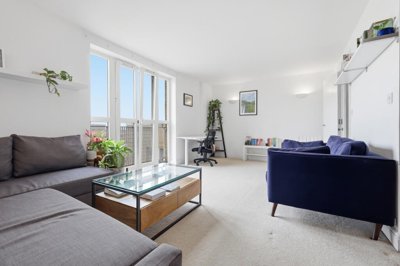
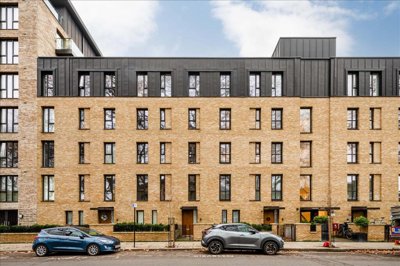
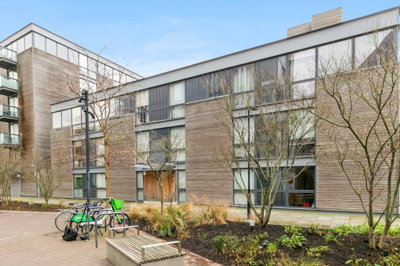
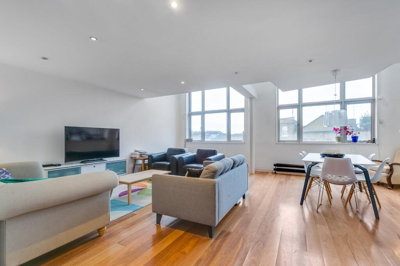
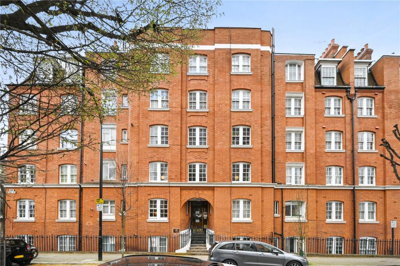
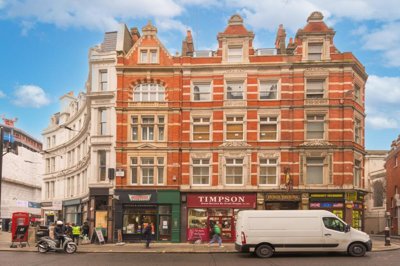
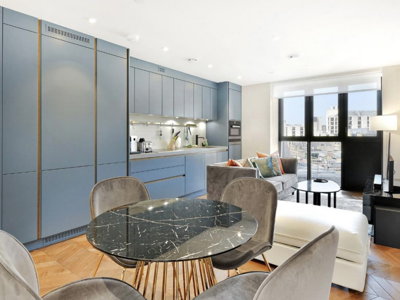
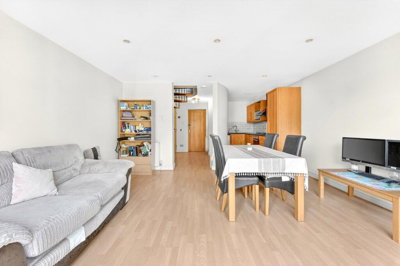
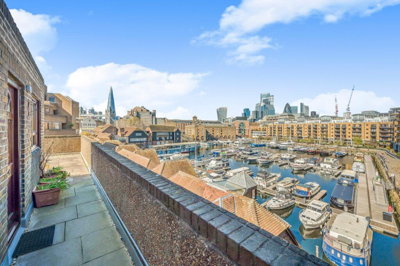
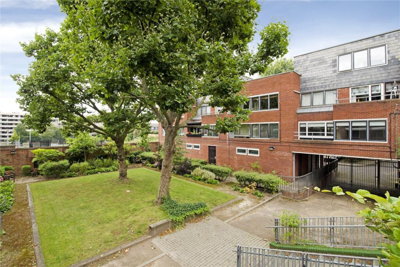
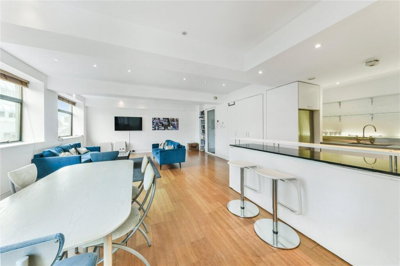
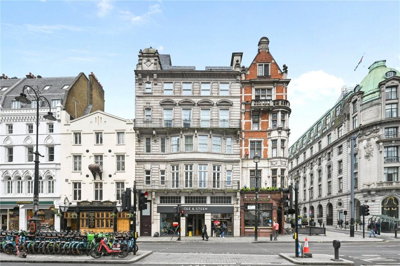
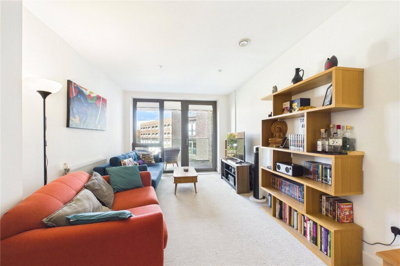
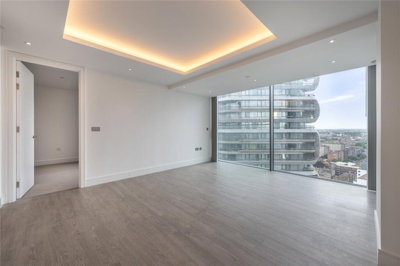
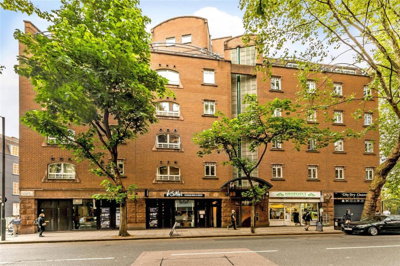
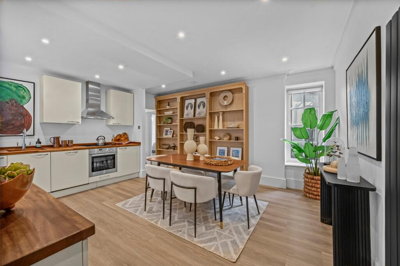
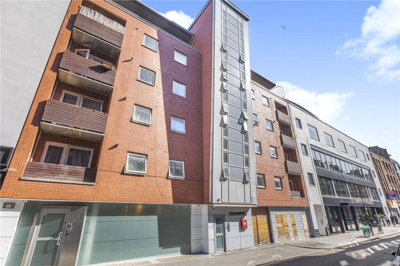
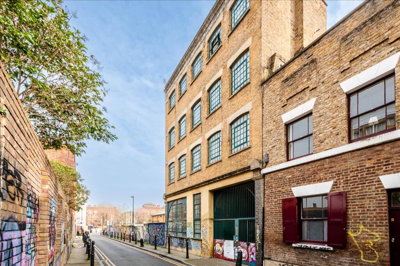
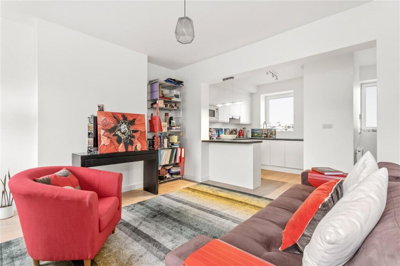
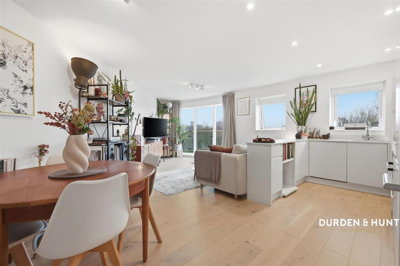
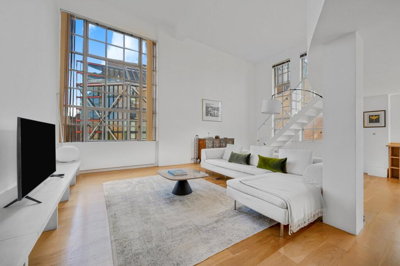
Browse 4,116 homes for sale in City of London from local estate agents.
The City of London property market presents a compelling opportunity for buyers in 2024. The overall average house price stands at £854,192, representing a significant 14% decrease from the previous year and a 34% reduction from the 2018 peak of £1,296,039. This price correction has opened doors for buyers who previously found the City beyond their reach. Property values across EC1, EC2, EC3, and EC4 postcodes vary considerably, with Houndsditch commanding the highest average price of £1,856,300 while EC4 offers more accessible entry at around £567,777.
Flats and apartments dominate the housing stock in the City of London, reflecting the area's predominantly commercial character and the architectural legacy of post-war development. The Barbican Estate represents one of the most significant residential developments in the area, featuring distinctive Brutalist architecture built after World War II using concrete construction. Modern developments such as One Crown Place at 54 Wilson Street (EC2A 2ER) offer contemporary living spaces within the financial district. The City of London Corporation has also been actively developing new housing, including the York Way Estate project which will deliver 91 net-zero carbon homes for social rent by summer 2026.
Surface refurbishment is currently underway at the Barbican Estate Podium, with replacement of the waterproofing membrane and remedial works to drainage infrastructure. The second phase of public realm transformation received planning and listed building consent on June 27, 2023. The Sydenham Hill Estate redevelopment is also providing additional new homes for social rent, with residents anticipated to move into new homes in early 2026. These projects demonstrate the City of London Corporation's ongoing commitment to expanding and maintaining residential provision within the Square Mile.
The residential property types available in the City of London reflect centuries of architectural development. The Barbican Estate's distinctive towers and podium structures represent one of the most significant examples of post-war modernist architecture in London. These concrete-framed buildings feature innovative design that has since become Grade II listed, offering generous living spaces within a self-contained complex complete with lakes, gardens, and arts facilities. The Brutalist aesthetic of the Barbican remains controversial but has attracted a dedicated following of residents who appreciate its bold architectural statement.
Georgian and Victorian properties in the City are predominantly constructed from London Stock Brick, characterised by its distinctive yellowish-brown colour, and often feature Portland Stone detailing. These period properties can be found in pockets around Fenchurch Street, Cheapside, and the streets between St Paul's and the Thames. Portland Stone, a creamy limestone quarried on Portland in Dorset, became the material of choice after the Great Fire of 1666 and was used extensively for prestigious buildings including the Bank of England and numerous churches.
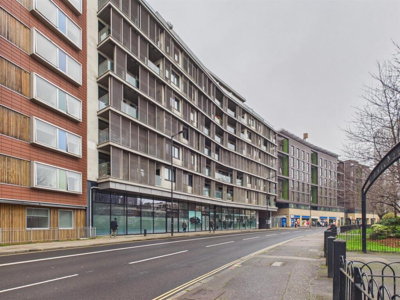
Contemporary residential development has brought glass and steel construction to the City skyline. One Crown Place at 54 Wilson Street (EC2A 2ER) exemplifies this approach, offering modern apartments within a mixed-use development in the heart of the financial district. Pinks Mews on Holborn (EC1N) provides additional contemporary options in this sought-after area. These newer developments typically offer higher specifications, improved energy efficiency, and modern amenities compared to older stock, though at premium price points that reflect their quality and location.
Life in the City of London offers an experience unlike any other London borough. Despite being the heart of the UK's financial services industry with a daytime population exceeding 500,000 workers, the resident population is surprisingly small, creating a neighbourhood atmosphere that changes dramatically between weekdays and weekends. The architecture tells the story of nearly 2,000 years of history, from Roman remains beneath the Guildhall to the gleaming glass towers of contemporary banking headquarters. Portland Stone and London Stock Brick define the traditional buildings, while modern skyscrapers showcase the latest in glass and steel construction.
The cultural amenities available to residents are exceptional. The Barbican Centre stands as one of Europe's largest arts venues, offering world-class concerts, theatre productions, art exhibitions, and cinema screenings. The historic Guildhall hosts civic events and houses the City of London Corporation's governance. Residents can explore the medieval streets around Cheapside, discover hidden gardens tucked behind grand buildings, or walk along the Thames Path with views of the Tower of London. The City's seven garden squares, maintained by the City of London Corporation, provide precious green oases for those living within the Square Mile.

Education provision in the City of London reflects its unique status as both a residential community and commercial hub. The City of London School for Girls and the City of London School are prestigious independent institutions with centuries of educational excellence. For state education, the City falls within various London borough boundaries, meaning residents access schools in surrounding areas including Hackney, Islington, and Westminster depending on their specific location. The City of London Academy, Shoreditch Park offers state secondary education within the City's educational framework, providing opportunities for local families seeking quality schooling.
Further and higher education opportunities are abundant given the City's central location. City, University of London is located just outside the boundary but serves many City residents, offering programmes in business, law, health, and the creative arts. The Guildhall School of Music and Drama, situated within the City itself, provides world-renowned conservatoire-level training. For families with younger children, the City of London maintains several primary schools including the City of London Primary Academy, Islington. The proximity to universities across London means students have exceptional choices for higher education without lengthy commutes.
The City of London boasts unparalleled transport connections within London and beyond. The area is served by no fewer than eight Underground stations across the Circle, Hammersmith and City, Metropolitan, Central, Northern, and District lines. Key stations include Bank (offering connections to the DLR and National Rail services), Liverpool Street, St. Paul's, and Barbican. The recently opened Elizabeth line provides swift connections to locations including Canary Wharf, Heathrow Airport, and Reading, with journey times to Canary Wharf as short as 7 minutes from Liverpool Street.
Commuters to major destinations benefit from excellent National Rail services. Liverpool Street station provides direct services to East Anglia including Stansted Airport (47 minutes), while Fenchurch Street serves destinations across Essex and East London. Road connections include easy access to the A1, A10, and City of London boundary roads that connect to the broader motorway network. For cyclists, the City has invested heavily in cycle infrastructure including the North-South Cycle Superhighway. The Santander Cycles docking stations are conveniently located throughout the area for residents wishing to use bike share schemes.
Flood risk is a genuine concern when purchasing property in the City of London, with the area facing threats from multiple sources. Tidal flooding from the River Thames is the primary concern, though the Thames Barrier provides significant protection against storm surges. Surface water accumulation during heavy rainfall represents an increasingly important risk, particularly as climate change brings more intense weather events. The City is also susceptible to sewer surcharges and rising groundwater, creating a complex flood risk profile that varies significantly across different locations.
Surface water flooding hotspots have been identified around Blackfriars, Holborn Viaduct, New Bridge Street, and Farringdon Street. These areas can experience rapid flooding during heavy rainfall as drainage systems become overwhelmed. Groundwater flooding and flooding from burst water mains also present a risk across the City, particularly in low-lying areas near the Thames Embankment. Our team always recommends that buyers commission a thorough flood risk search and property survey before completing any purchase in the City of London.
Climate change projections suggest that flood risk may increase over time due to sea level rise and more intense rainfall patterns. While the Thames Barrier provides excellent protection against tidal flooding, surface water risk is not mitigated by traditional flood defences and may increase as extreme weather events become more frequent. Properties near the Thames Embankment benefit from raised ground levels and flood walls, but buyers should understand that surface water flooding can affect any area during particularly heavy rainfall events.
The prevalence of listed buildings in the City of London means many properties come with significant planning restrictions and conservation considerations. Over 600 buildings within the City have listed status, ranging from Grade I landmarks of exceptional interest to Grade II structures of special importance. Heritage designations protect buildings from unsympathetic alterations and ensure that significant architectural features are preserved for future generations. If purchasing a listed property, budget for potentially higher maintenance costs and specialist requirements for any alterations or improvements you wish to carry out.
Conservation areas within the City require planning permission for certain external changes to properties and boundaries. The historic streetscape character is protected through these designations, which affect permitted development rights and acceptable materials for repairs. Properties within the Barbican Estate have specific guidelines relating to the estate's architectural heritage, which is itself Grade II listed. These guidelines govern everything from window replacements to balcony additions, ensuring the estate's distinctive character is maintained.
Our team strongly recommends that buyers verify permitted development rights with the City of London Corporation's planning department before committing to purchase. Survey costs for heritage properties may be higher than standard properties due to the specialist knowledge required, typically adding £150-400 to the cost of a Level 2 survey. The additional complexity of listed building transactions often requires experienced solicitors who understand the unique considerations involved in purchasing heritage properties.
Before viewing properties, obtain a mortgage agreement in principle from a lender. This demonstrates your purchasing capacity to estate agents and sellers, giving you a competitive edge in the City of London market where properties can move quickly. Our team can connect you with competitive mortgage products starting from 3.89% for City of London properties.
The City of London comprises multiple distinct neighbourhoods from the historic streets around St Paul's to the modern financial district near Bank. Each postcode area (EC1-EC4) offers different character, amenities, and price points. Consider your commute, lifestyle needs, and long-term goals when narrowing your search. Houndsditch commands premium prices while EC4 offers more accessible entry points.
Use Homemove to browse all available properties in the City of London and schedule viewings with local estate agents. Pay attention to the building's age, construction materials, and any planned developments nearby. The Barbican area properties may require different considerations than modern apartments in EC2. Our listings include new builds such as One Crown Place at 54 Wilson Street (EC2A 2ER) and Pinks Mews on Holborn (EC1N).
Given the age of much of the City's housing stock and the presence of over 600 listed buildings, a thorough survey is essential. A Level 2 Home Survey (typically £400-800 in London) will identify defects including potential subsidence from clay soils, roof condition issues, and any heritage considerations. Our survey partners understand the specific requirements of City of London properties.
Your solicitor will handle all legal aspects of the purchase including searches on flood risk (relevant given the Thames proximity), conservation area restrictions, and any Title registrations. They will liaise with the Land Registry and manage the transfer of funds on completion. Conveyancing costs typically range from £500-2,000 for properties in this area.
Purchasing property in the City of London requires careful consideration of several area-specific factors beyond the usual concerns. The prevalence of concrete construction in developments like the Barbican Estate means that buyers should understand the maintenance implications of this building type. Concrete structures require different maintenance regimes compared to traditional brick construction, and service charges may include contributions to long-term maintenance reserves for major works such as the current Barbican Podium refurbishment.
The geological conditions beneath the City of London create potential for subsidence issues in older properties. London clay soils are prone to shrink-swell movement during dry and wet periods respectively, which can cause foundations to shift over time. Our inspectors pay particular attention to signs of structural movement in properties across the EC1-EC4 postcodes, where Victorian and Edwardian buildings sit on these challenging ground conditions. Look for cracks wider than 3mm, uneven floors, or sticking doors and windows.
Service charges and ground rent represent significant ongoing costs for City of London apartment owners. Modern developments typically include 24-hour security, gym facilities, concierge services, and maintenance of communal areas, with charges varying considerably depending on the amenities provided. Our team recommends requesting service charge history for at least the last three years to identify any escalating costs or exceptional items. Ground rent clauses in leasehold properties should be reviewed carefully, particularly for older leases.
The current average house price in the City of London is £854,192 based on sales over the last year. This represents a significant correction, with prices down 14% compared to the previous year and 34% below the 2018 peak of £1,296,039. Within the City, prices vary considerably by location, with Houndsditch averaging £1,856,300 while EC4 offers more accessible entry at around £567,777. Flats dominate the market and typically command lower prices than houses, with London-wide flat averages around £521,811.
City of London properties fall under the City of London Corporation council tax system. The City operates a unique arrangement where it collects council tax but also provides services to the Square Mile and beyond. Tax bands range from A through to H, with most modern apartments falling in bands B to D while larger period properties and houses may be in higher bands. Prospective buyers should verify the specific band with the City of London Corporation's council tax department as bands affect both the annual charge and eligibility for certain exemptions.
The City of London offers several excellent educational options including the prestigious City of London School for Girls and City of London School, both with outstanding academic records. For state education, the City of London Academy, Shoreditch Park serves secondary pupils, while primary-aged children may attend the City of London Primary Academy, Islington or other schools in neighbouring boroughs depending on catchment areas. The proximity to City's universities and the Guildhall School of Music and Drama provides exceptional further and higher education opportunities for older students.
The City of London enjoys exceptional public transport connectivity with eight Underground stations serving the area. Major stations including Bank, Liverpool Street, St. Paul's, and Barbican provide access to multiple tube lines, National Rail services, and the Elizabeth line. Liverpool Street offers direct trains to Stansted Airport (47 minutes) and National Rail services connect to various destinations. Bus services are comprehensive throughout the area, and the Santander Cycles scheme provides 24-hour bike hire through docking stations across the City.
The City of London remains an attractive investment destination given its unique position as the UK's premier financial district. Property values have experienced a 14% correction over the past year, potentially creating buying opportunities for investors seeking long-term gains. The limited residential supply (with a small resident population relative to the daytime workforce) helps maintain demand for quality rental properties. The ongoing development activity, including the York Way Estate project delivering 91 net-zero carbon homes for social rent by summer 2026 and the Sydenham Hill Estate with 110 new homes, demonstrates continued investment in the area's infrastructure.
Stamp Duty Land Tax (SDLT) applies to all property purchases in England. For standard buyers, there is no SDLT on purchases up to £250,000, with 5% charged on the portion between £250,001 and £925,000. Properties priced between £925,001 and £1.5 million incur 10% on that portion, with 12% applied above £1.5 million. First-time buyers benefit from relief on the first £425,000 (paying 5% on the £425,001 to £625,000 portion only). Given City of London average prices around £854,192, most buyers would expect to pay SDLT on at least a portion of their purchase.
Flood risk in the City of London comes from multiple sources including tidal flooding from the River Thames (protected by the Thames Barrier), surface water flooding during heavy rainfall, sewer surcharges, and groundwater flooding. Surface water flooding hotspots have been identified around Blackfriars, Holborn Viaduct, New Bridge Street, and Farringdon Street. Properties near the Thames Embankment benefit from flood defences but surface water risk persists even in defended areas. A thorough property survey and flood risk search should be commissioned before purchase to understand the specific risk profile of any property you are considering.
The City of London contains over 600 listed buildings, making heritage considerations central to many property purchases in the area. These range from Grade I landmarks of exceptional interest to Grade II structures of special importance. Purchasing a listed property requires budget for potentially higher maintenance costs and specialist contractor requirements for any alterations. Conservation areas within the City require planning permission for certain external changes. Properties within the Barbican Estate have specific guidelines relating to the estate's architectural heritage, which is itself Grade II listed. We recommend verifying permitted development rights with the City of London Corporation's planning department before committing to purchase.
Service charges represent significant ongoing costs for City of London apartment owners and should be carefully reviewed before purchase. Modern developments typically include 24-hour security, gym facilities, concierge services, and maintenance of communal areas, with charges varying considerably depending on the amenities provided. Our team recommends requesting service charge history for at least the last three years to identify any escalating costs or exceptional items such as major maintenance projects. Ground rent clauses in leasehold properties should be reviewed carefully, particularly for older leases where terms may be less favourable. Survey costs for heritage properties may be higher due to specialist requirements, typically adding £150-400 to the cost of a Level 2 survey.
Understanding the full costs of purchasing property in the City of London is essential for budgeting effectively. Beyond the property price, buyers should budget for Stamp Duty Land Tax, solicitor fees (typically £500-2,000 for conveyancing), survey costs (RICS Level 2 surveys range from £400-800 in London), and Land Registry fees for registration. Additional costs may include mortgage arrangement fees, survey fees for heritage properties (potentially £150-400 more for listed buildings), and removal costs. The City of London's unique status means some searches may differ from standard residential purchases.
SDLT rates for 2024-25 are structured as follows: 0% on the first £250,000 of property value, 5% on the portion from £250,001 to £925,000, 10% on the portion from £925,001 to £1.5 million, and 12% on any amount exceeding £1.5 million. For a typical City of London property at the average price of £854,192, a standard buyer would pay approximately £30,209 in SDLT. First-time buyers purchasing properties up to £625,000 would pay significantly less. Mortgage arrangement fees typically range from £0 to £2,000 depending on the lender and product chosen.

Our platform brings together property listings from across the City of London, including traditional houses in historic streets and contemporary apartments in modern developments. Whether you are searching for a period property with original features near St Paul's or a sleek new apartment in the financial district, we can help you find your ideal City of London home. Browse our comprehensive listings and schedule viewings directly through our platform.
The City of London offers a unique proposition within London, combining historic character with modern convenience in the heart of the capital. With property prices having corrected significantly over the past year, now may be an opportune time to explore what the City has to offer. Our team is here to support your property search with comprehensive listings, useful guides, and connections to the professional services you will need.
Properties for Sale In London

Properties for Sale In Plymouth

Properties for Sale In Liverpool

Properties for Sale In Glasgow

Properties for Sale In Sheffield

Properties for Sale In Edinburgh

Properties for Sale In Coventry

Properties for Sale In Bradford

Properties for Sale In Manchester

Properties for Sale In Birmingham

Properties for Sale In Bristol

Properties for Sale In Oxford

Properties for Sale In Leicester

Properties for Sale In Newcastle

Properties for Sale In Leeds

Properties for Sale In Southampton

Properties for Sale In Cardiff

Properties for Sale In Nottingham

Properties for Sale In Norwich

Properties for Sale In Brighton

Properties for Sale In Derby

Properties for Sale In Portsmouth

Properties for Sale In Northampton

Properties for Sale In Milton Keynes

Properties for Sale In Bournemouth

Properties for Sale In Bolton

Properties for Sale In Swansea

Properties for Sale In Swindon

Properties for Sale In Peterborough

Properties for Sale In Wolverhampton

Enter your details to see if this property is within your budget.
Loans, cards, car finance
Estimated property budget
Borrowing + deposit
You could borrow between
Typical borrowing
Monthly repayment
Est. at 4.5%
Loan-to-value
This is an estimate only. Your actual budget may vary depending on interest rates, credit history, and personal circumstances. For an accurate affordability assessment, speak to one of our free mortgage advisors.
This calculator provides estimates for illustrative purposes only and does not constitute financial advice. Your home may be repossessed if you do not keep up repayments on your mortgage. Estimates based on 4.5% interest rate, repayment mortgage. Actual rates depend on your circumstances.
Homemove is a trading name of HM Haus Group Ltd (Company No. 13873779, registered in England & Wales). Homemove Mortgages Ltd (Company No. 15947693) is an Appointed Representative of TMG Direct Limited, trading as TMG Mortgage Network, which is authorised and regulated by the Financial Conduct Authority (FRN 786245). Homemove Mortgages Ltd is entered on the FCA Register as an Appointed Representative (FRN 1022429). You can check registrations at NewRegister or by calling 0800 111 6768.

We use cookies to show you personalised content and improve your experience of our website. Find out more in our Privacy policy and Cookie policy.