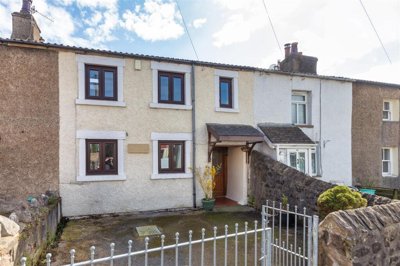
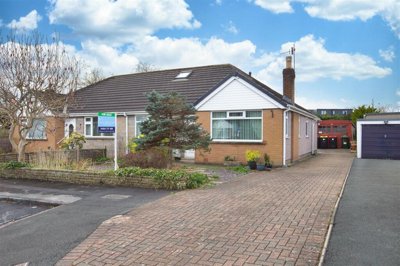
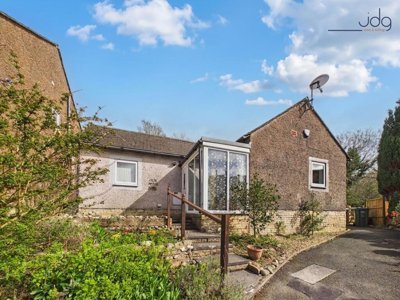
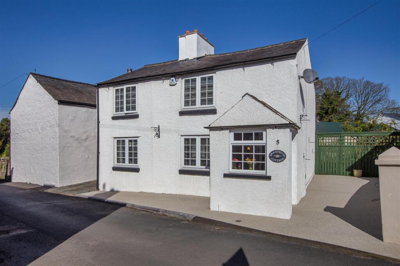
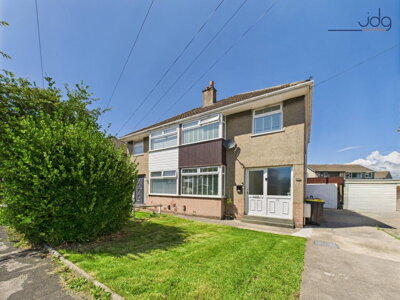
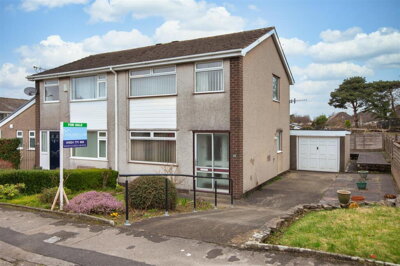
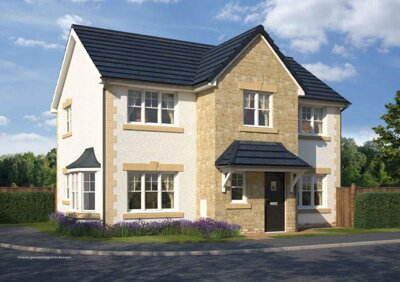
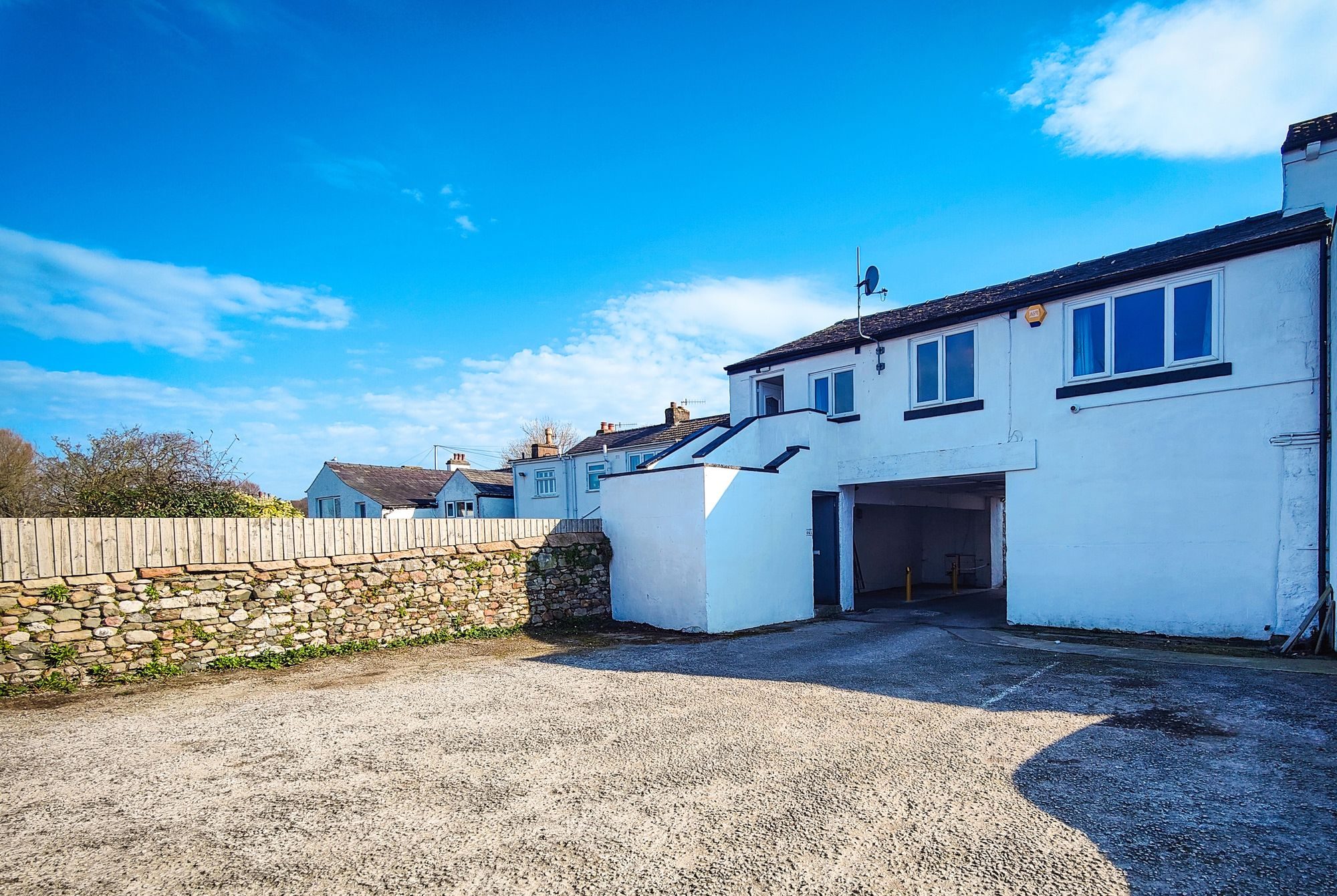
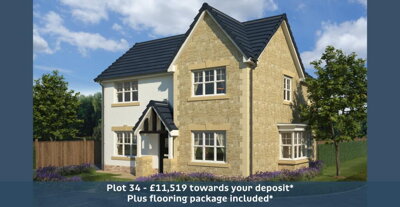
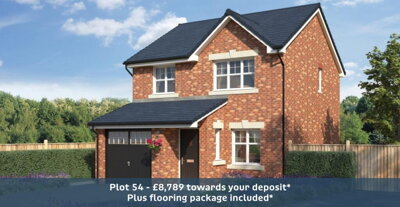
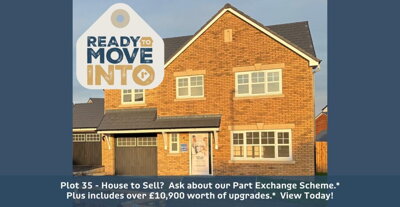
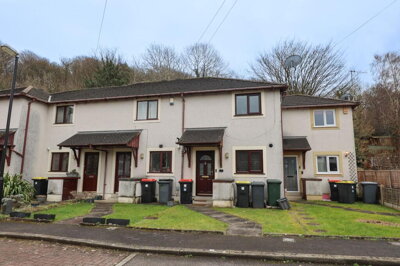
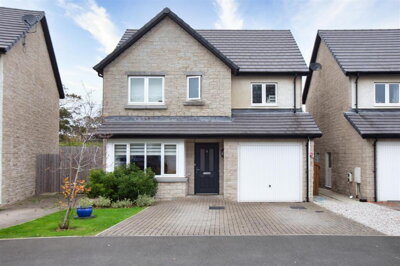
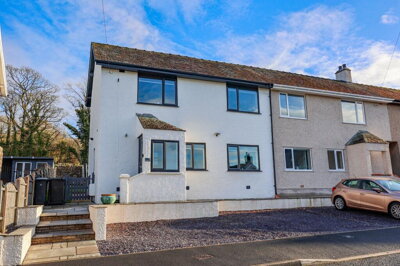
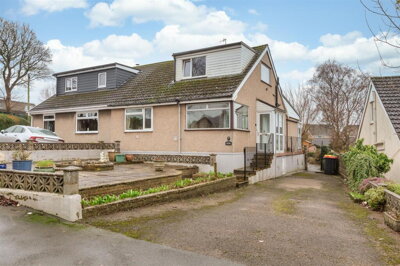
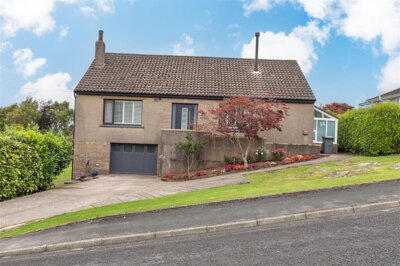
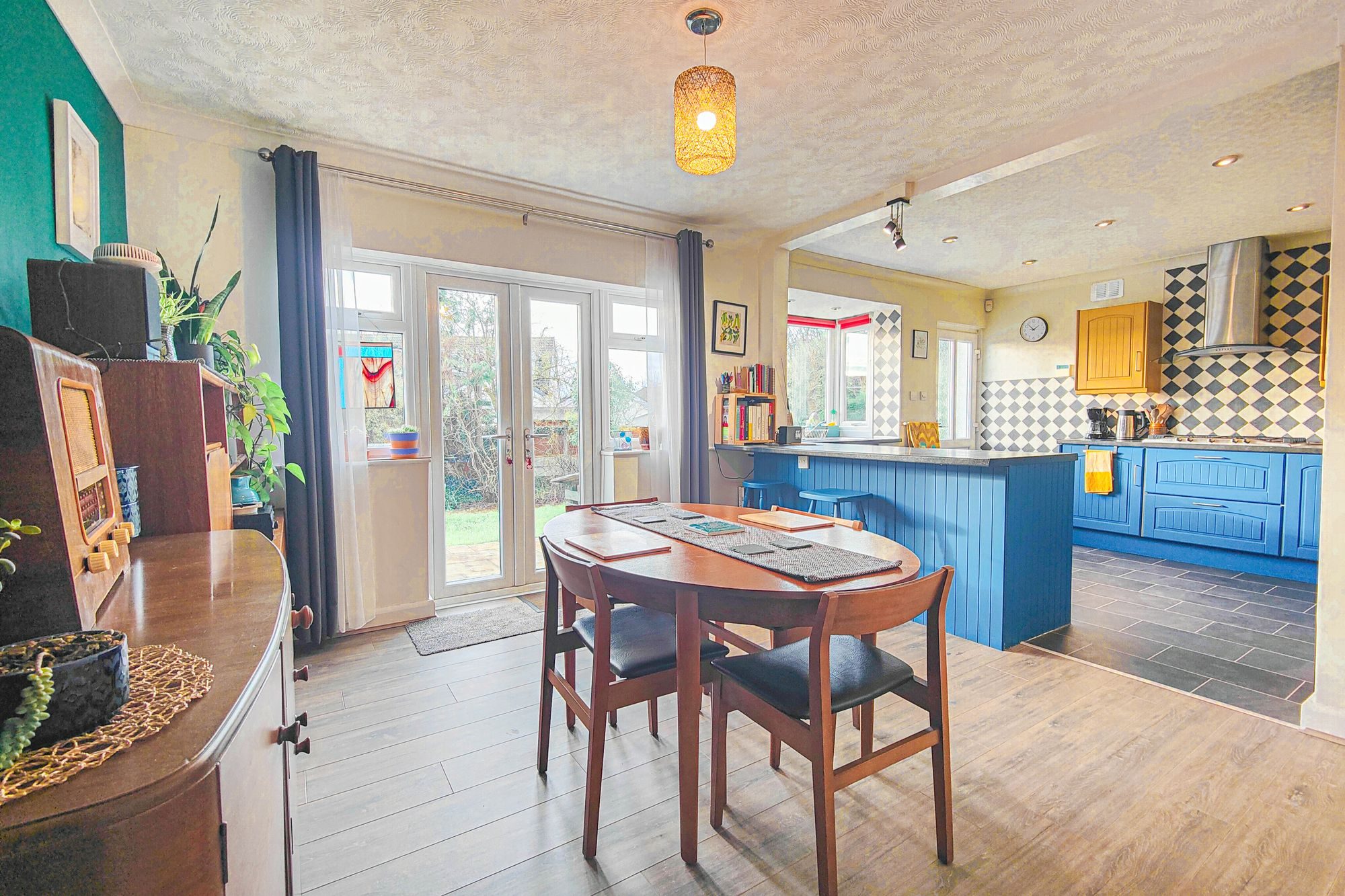
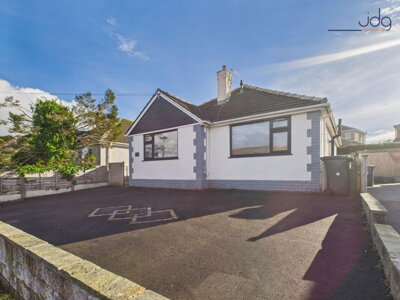
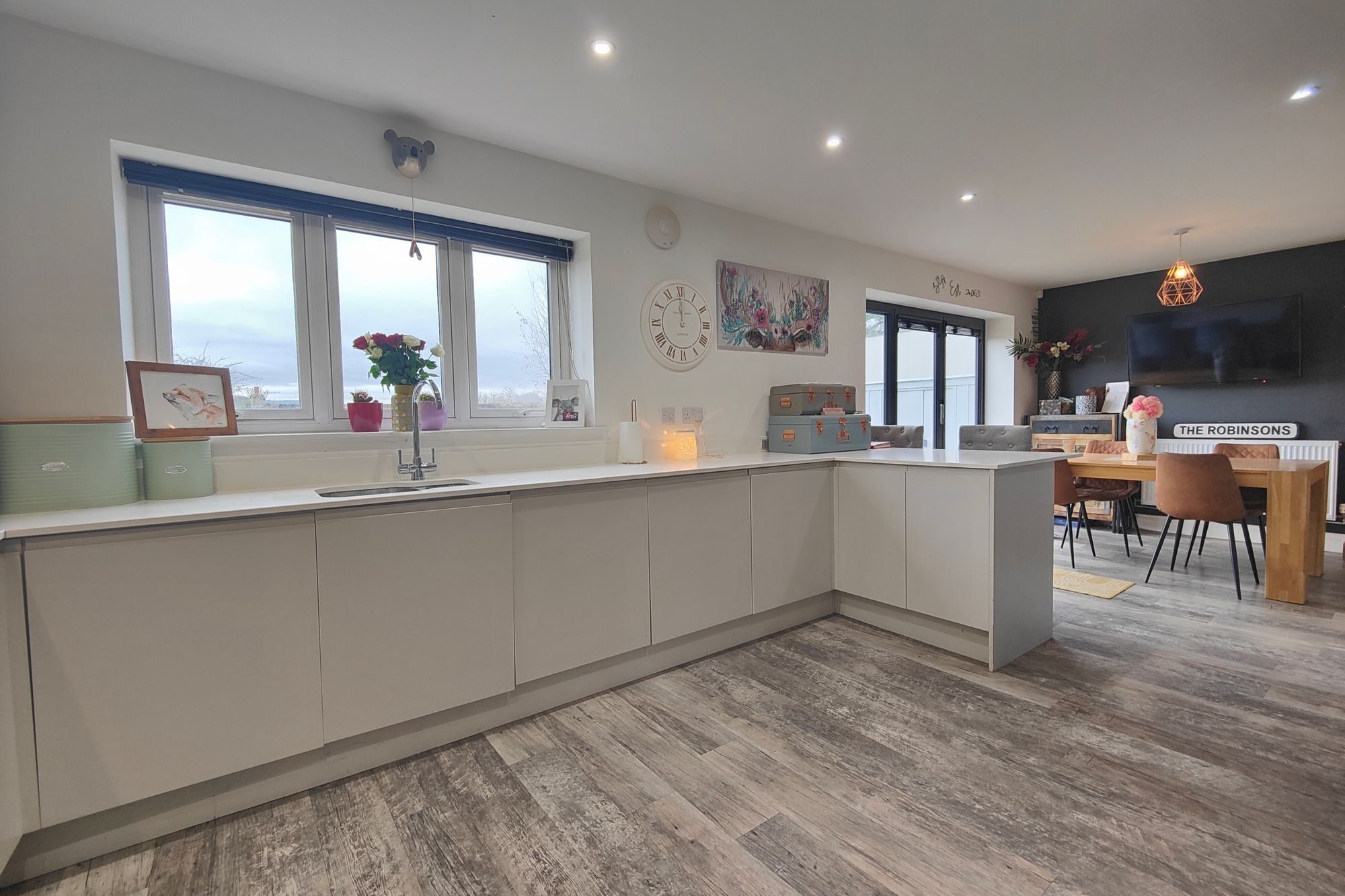
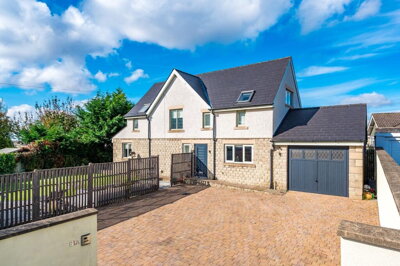
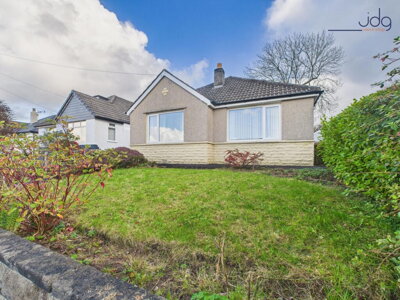
Browse 204 homes for sale in Carnforth, Lancaster from local estate agents.
£240k
47
2
144
Source: home.co.uk
Source: home.co.uk
Detached
12 listings
Avg £416,827
House
10 listings
Avg £277,500
Semi-Detached
6 listings
Avg £284,158
Terraced
5 listings
Avg £160,500
Bungalow
4 listings
Avg £261,750
End of Terrace
3 listings
Avg £123,317
Detached Bungalow
2 listings
Avg £287,500
Flat
2 listings
Avg £137,500
Apartment
1 listings
Avg £130,000
Mobile Home
1 listings
Avg £99,000
Source: home.co.uk
Source: home.co.uk
Carnforth's property market has demonstrated remarkable resilience and growth, with the average house price reaching £326,911 in the twelve months to May 2025. This represents a significant 9.5% increase over the past year and a substantial 23.0% rise over three years, with an annualised growth rate of 7.2% that outpaces many neighbouring areas. The median price per square foot stands at £216, offering excellent value compared to nearby Lancaster and the broader Lancashire region. These figures reflect a healthy market where properties are selling steadily, with 88 completed sales in the past year indicating consistent activity.
The housing stock in Carnforth reflects its industrial heritage and Victorian origins, with terraced properties forming the largest segment of the market at 943 units according to the 2011 Census. Semi-detached homes number 685, while detached properties account for 609 units, with a smaller proportion of 172 flats. This diversity means buyers can find everything from affordable Victorian terraces priced from £150,000 to substantial detached family homes approaching £500,000. The market also benefits from several new build developments, including Riverside Place offering three and four-bedroom homes from Rowland Homes, and The Brewer's development with 158 approved homes off Carnforth Brow.
New build activity continues to shape the local market, with the Scotland Road development bringing 213 homes to the area, featuring a mix of apartments, bungalows, and family houses. Forty percent of these properties are designated as affordable homes, split between rental and shared ownership schemes. This influx of new housing provides options for first-time buyers and those seeking modern energy-efficient homes while also expanding the overall property supply in the area. The regeneration focus on Carnforth as a market town and visitor destination suggests continued investment in local infrastructure and amenities.

Life in Carnforth revolves around its role as a traditional market town serving North Lancashire and South Cumbria, with a population of 5,855 residents across 2,455 households. The town centre retains much of its historic character, centred around a Conservation Area designated in 2011 that encompasses the traditional town core, peripheral housing areas, and significant railway infrastructure. Walking through the town, you will encounter a pleasing mix of architectural styles, from the local limestone and sandstone buildings that define the vernacular tradition to distinctive rough cast render finishes on older properties.
The local geology has shaped both the landscape and architecture of Carnforth, which sits at the junction of the coastal drumlin strip and the Arnside-Silverdale limestone area. The area was historically known for Potter clay, a blue clay used in local pottery production, and the surrounding countryside offers a varied terrain of rolling farmland, limestone pavements, and proximity to the estuary waters of Morecambe Bay just a mile away. The River Keer forms the northern boundary of the town, with its floodplain incorporated into planning for new developments as a coastal flood defence zone.
Community life in Carnforth thrives on its strong sense of identity and high home ownership rates exceeding 77%, significantly above both district and national averages. The town has been designated a Regeneration Priority Area under Lancaster's Core Strategy, with plans to develop large derelict sites, improve pedestrian connectivity, and establish Carnforth as a destination focused on its unique railway heritage. Local amenities include traditional pubs, independent shops, and weekly markets, while the surrounding countryside provides ample opportunities for walking, cycling, and outdoor pursuits. The nearby market town of Kirkby Lonsdale and the city of Lancaster are easily accessible for those seeking additional cultural and retail options.

Families considering a move to Carnforth will find a selection of primary and secondary educational options within and near the town. The local primary schools serve the immediate community, providing education for children from Reception through to Year 6, with the town centre position making many properties convenient for school runs. Secondary education is available at schools in the wider area, with various options accessible via the regular bus services that connect Carnforth to surrounding towns and Lancaster.
The broader Lancashire and Cumbrian education landscape offers additional choices for secondary aged children, with grammar schools in nearby areas for those who meet the selection criteria. Post-16 education is well served by colleges in Lancaster and Kendal, accessible via the excellent rail connections from Carnforth station. For families prioritising educational outcomes, researching specific school catchments and Ofsted ratings is essential, as these can significantly impact property values and demand in particular streets and neighbourhoods throughout the Carnforth area.
Early years childcare and nursery facilities are available within the town, supporting working parents with flexible care arrangements. The community atmosphere of Carnforth's schools reflects the broader character of the area, with smaller class sizes often possible than in larger urban centres. Parents are encouraged to visit schools directly and speak with local residents to gain authentic insights into the educational experience available to children in different parts of Carnforth and the surrounding villages.

Carnforth enjoys excellent transport connections that make it particularly attractive to commuters and those seeking easy access to larger cities. Carnforth railway station provides direct services to Lancaster in approximately 8 minutes, making it feasible for daily commuters to work in the university city. The station also offers connections to Leeds, Manchester, and the West Coast Main Line, linking residents to major employment centres across the North West and beyond. This connectivity has contributed significantly to the growing popularity of Carnforth as a place to live for those who work in larger urban areas but prefer a more affordable and characterful home environment.
Road connections are equally strong, with the A6 running through the town providing access to Lancaster to the south and Kirkby Lonsdale to the north. The M6 motorway is readily accessible, connecting Carnforth to Manchester, Liverpool, and the wider national motorway network. For those travelling to work in Lancaster, the journey takes around 15 minutes by car, while Leeds is approximately an hour away and Manchester can be reached in roughly 90 minutes depending on traffic conditions.
Local bus services operate throughout Carnforth and connect the town to surrounding villages and towns, providing essential transport for those without cars. The town also benefits from good cycling infrastructure, with the surrounding countryside offering scenic routes for recreational cycling and sustainable commuting where distances allow. Parking facilities in Carnforth town centre accommodate those who drive locally, while the train station provides commuter parking for rail users heading to larger employment centres. These transport options combine with the affordable property prices to make Carnforth an increasingly popular choice for commuters seeking value for money without sacrificing connectivity.

Explore different neighbourhoods within Carnforth, from the conservation area around North Road to newer developments near Scotland Road. Consider proximity to schools, transport links, and amenities that matter most to your household. With terraced properties, semi-detached houses, and new builds all available, understanding what each offers helps narrow your search effectively.
Before scheduling viewings, obtain a mortgage agreement in principle from a lender. This demonstrates your buying capacity to estate agents and sellers, strengthening your position in a competitive market where properties can sell quickly. Our mortgage partners can help you compare rates and find the best deal for your circumstances.
Contact local estate agents to arrange viewings of properties matching your criteria. Carnforth's property market moves steadily, with 88 sales completing in the past year. View multiple properties to compare condition, character, and value before making an offer. Pay attention to construction materials, potential maintenance issues, and any signs of damp or structural concerns in older Victorian properties.
Once your offer is accepted, arrange a RICS Level 2 Survey to assess the property condition thoroughly. Given Carnforth's predominantly older housing stock, including Victorian terraces and period properties, a professional survey can identify issues such as damp, roof problems, or timber defects before you commit to purchase.
Appoint a conveyancing solicitor to handle the legal aspects of your purchase, including searches, contracts, and land registry checks. Your solicitor will manage communications with the seller's legal team and ensure all documentation is in order for completion.
Once all legal work is finished and funds are transferred, contracts are exchanged and a completion date is set. On completion day, you receive the keys to your new Carnforth home. Celebrate with a walk along Market Street or a visit to the nearby countryside.
Properties in Carnforth present unique considerations shaped by the local geology, building traditions, and conservation status of the area. The presence of clay soils, historically evident through the Potter clay used for local pottery, indicates potential for shrink-swell subsidence issues, particularly in properties with large nearby trees. If you are considering an older home, a thorough structural survey is advisable to assess foundation condition and any signs of movement or cracking that might indicate subsidence risk.
Flood risk requires careful attention in Carnforth, particularly for properties near the River Keer or in areas covered by the Scotland Road development. Zone Three flood risk areas exist within the town, and any property in these zones should be assessed for flood resilience measures, previous flooding history, and the adequacy of any existing defences. Buildings Insurance costs may be higher in flood-prone areas, and this ongoing expense should factor into your budget calculations alongside the purchase price.
The Carnforth Conservation Area imposes planning restrictions on alterations, extensions, and external changes to preserve the historic character of the town centre. If you are buying a period property within the conservation area, you will need Listed Building Consent or planning permission for certain works that might be permitted on properties outside the designated zone. The town also features several Grade II listed buildings, including No. 10 North Road dating from 1688, where specialist surveys and conservation-compliant renovations may be required. Understanding these constraints helps avoid costly surprises after purchase.
Many Victorian terraces in Carnforth were originally built with solid floors, limited insulation, and older plumbing and electrical systems that may not meet modern standards. When viewing properties, check for signs of damp, assess the condition of the roof and chimneys, and enquire about the age and condition of services. Properties with original features such as fireplaces, exposed stonework, or timber floors may require investment to maintain properly. Newer properties and new build homes from developments like Riverside Place typically offer modern construction standards, higher energy efficiency, and warranty protection but may command premium prices.

The average house price in Carnforth was £326,911 in the twelve months to May 2025, based on Land Registry data. This represents strong growth of 9.5% over the past year and 23.0% over three years. The median price per square foot stands at £216, offering good value compared to nearby Lancaster and the Lake District. Prices vary significantly by property type, with terraced houses typically starting around £150,000, semi-detached homes in the £200,000-£300,000 range, and larger detached properties potentially exceeding £400,000.
Properties in Carnforth fall under Lancaster City Council jurisdiction. Council tax bands range from A to H based on property value, with most Victorian terraces and smaller homes falling into Bands A to C. The exact band for any specific property can be confirmed through Lancaster City Council's online valuation service. As a guide, Band A properties typically pay around £1,300-£1,400 per year, while Band D properties are approximately £1,800-£2,000 annually, though these figures should be verified for accuracy.
Carnforth has several primary schools serving the local community, with good reputations for nurturing academic achievement and pastoral care. Secondary education options include schools in the wider area, accessible via the local bus network. Parents are advised to check current Ofsted ratings and visit schools directly to assess suitability for their children. For secondary education, grammar schools in surrounding areas provide additional options for academically selective families. Further education colleges in Lancaster and Kendal offer excellent post-16 provision accessible by train.
Carnforth enjoys excellent public transport links, primarily through the railway station which provides direct services to Lancaster in approximately 8 minutes, Leeds in around 75 minutes, and Manchester in approximately 90 minutes. The station connects to the West Coast Main Line, offering national rail connections. Local bus services operate throughout the town and connect to surrounding villages and towns, providing essential services for residents without private vehicles. The A6 road and M6 motorway are easily accessible for car travel.
Carnforth presents a compelling investment case based on recent price trends and regeneration plans. The 9.5% annual price growth and 23% increase over three years demonstrate strong capital appreciation potential. High home ownership rates above 77% indicate stable demand, while the regeneration priority area status suggests continued investment in local infrastructure. New developments including hundreds of new homes will bring additional families to the area, supporting rental demand. Properties near the railway station and town centre typically offer the best combination of rental yields and capital growth potential.
Stamp duty rates for England apply to all Carnforth property purchases. Standard rates start at 0% on the first £250,000 of the purchase price, then 5% on the portion up to £925,000, 10% up to £1.5 million, and 12% above that threshold. First-time buyers benefit from increased thresholds, paying 0% on the first £425,000 and 5% on the portion up to £625,000. For example, a first-time buyer purchasing a typical Carnforth property at £200,000 would pay no stamp duty at all, while a £350,000 purchase would incur 0% on £325,000 and 5% on £25,000.
From 4.5%
Compare mortgage rates from multiple lenders and find the best deal for your situation
From £499
Expert solicitors to handle the legal work for your Carnforth property purchase
From £350
Professional homebuyer report identifying any issues with your potential new home
From £80
Energy performance certificate required for all property sales
Understanding the full costs of buying a property in Carnforth helps you budget accurately and avoid surprises during the transaction process. The purchase price represents the largest expense, but additional costs including stamp duty, solicitor fees, survey charges, and removal expenses can add several thousand pounds to your total outlay. For a typical Carnforth property priced at the current average of £326,911, these additional costs typically range from £5,000 to £8,000 depending on your circumstances and the services you choose.
Stamp duty land tax applies to all purchases in England, and for a standard buyer purchasing at the average Carnforth price, the calculation would be 0% on the first £250,000 plus 5% on the remaining £76,911, totalling approximately £3,846. First-time buyers purchasing properties up to £425,000 would pay no stamp duty on the first £425,000, resulting in £0 stamp duty for properties at or below this threshold. This first-time buyer relief can represent significant savings and makes Carnforth an attractive option for those taking their first steps onto the property ladder.
Solicitor conveyancing fees typically range from £500 to £1,500 depending on the complexity of the transaction and the firm you choose. Search fees, land registry charges, and bank transfer costs typically add another £200-£400. A RICS Level 2 Survey costs from £350 for smaller properties, rising with property size and value, but provides essential given the age of much of Carnforth's housing stock. Removal costs vary widely based on distance and volume of belongings, typically ranging from £500 to £2,000. Factor in mortgage arrangement fees if applicable, and consider the cost of any immediate repairs or furnishings needed for your new home.

Properties for Sale In London

Properties for Sale In Plymouth

Properties for Sale In Liverpool

Properties for Sale In Glasgow

Properties for Sale In Sheffield

Properties for Sale In Edinburgh

Properties for Sale In Coventry

Properties for Sale In Bradford

Properties for Sale In Manchester

Properties for Sale In Birmingham

Properties for Sale In Bristol

Properties for Sale In Oxford

Properties for Sale In Leicester

Properties for Sale In Newcastle

Properties for Sale In Leeds

Properties for Sale In Southampton

Properties for Sale In Cardiff

Properties for Sale In Nottingham

Properties for Sale In Norwich

Properties for Sale In Brighton

Properties for Sale In Derby

Properties for Sale In Portsmouth

Properties for Sale In Northampton

Properties for Sale In Milton Keynes

Properties for Sale In Bournemouth

Properties for Sale In Bolton

Properties for Sale In Swansea

Properties for Sale In Swindon

Properties for Sale In Peterborough

Properties for Sale In Wolverhampton

Enter your details to see if this property is within your budget.
Loans, cards, car finance
Estimated property budget
Borrowing + deposit
You could borrow between
Typical borrowing
Monthly repayment
Est. at 4.5%
Loan-to-value
This is an estimate only. Your actual budget may vary depending on interest rates, credit history, and personal circumstances. For an accurate affordability assessment, speak to one of our free mortgage advisors.
This calculator provides estimates for illustrative purposes only and does not constitute financial advice. Your home may be repossessed if you do not keep up repayments on your mortgage. Estimates based on 4.5% interest rate, repayment mortgage. Actual rates depend on your circumstances.
Homemove is a trading name of HM Haus Group Ltd (Company No. 13873779, registered in England & Wales). Homemove Mortgages Ltd (Company No. 15947693) is an Appointed Representative of TMG Direct Limited, trading as TMG Mortgage Network, which is authorised and regulated by the Financial Conduct Authority (FRN 786245). Homemove Mortgages Ltd is entered on the FCA Register as an Appointed Representative (FRN 1022429). You can check registrations at NewRegister or by calling 0800 111 6768.

We use cookies to show you personalised content and improve your experience of our website. Find out more in our Privacy policy and Cookie policy.