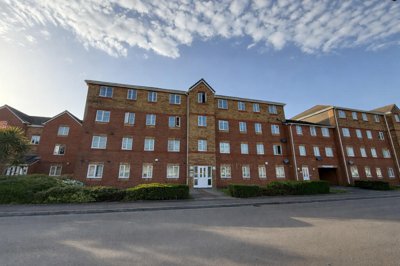
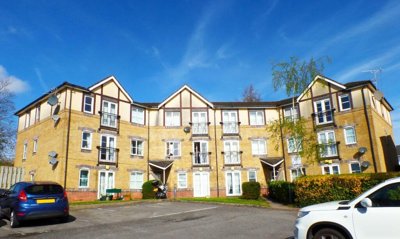
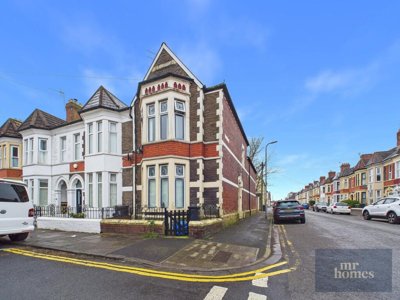
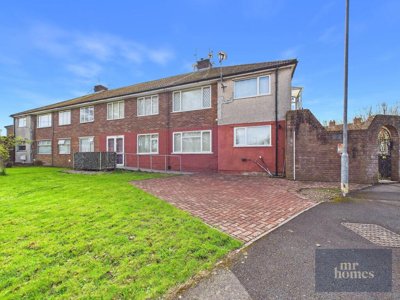
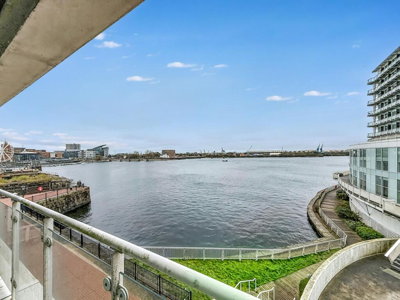
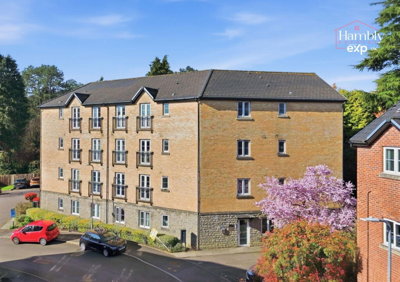
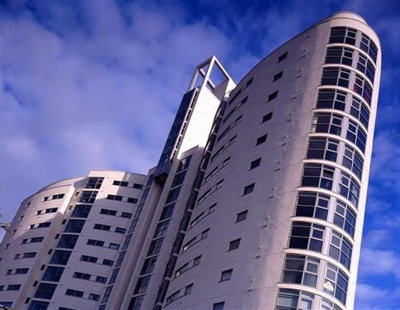
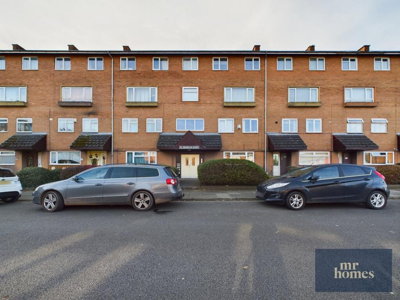
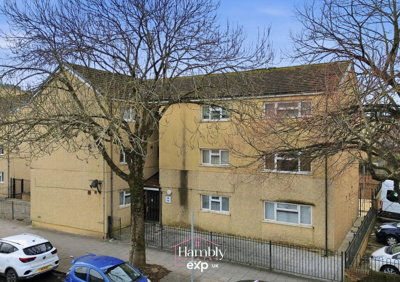
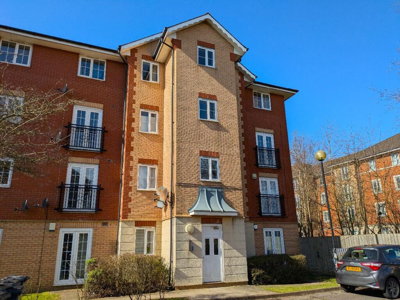
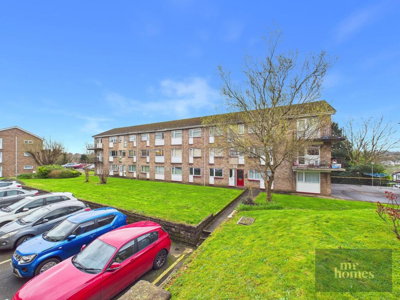
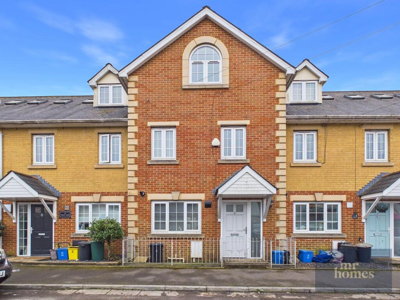
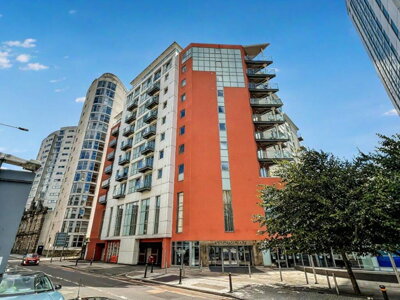
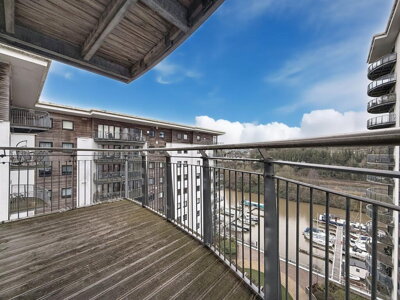
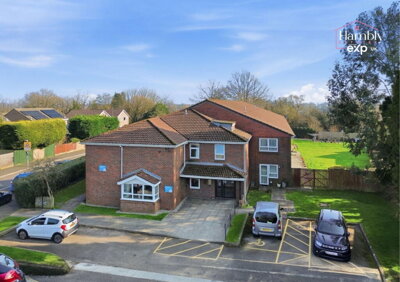
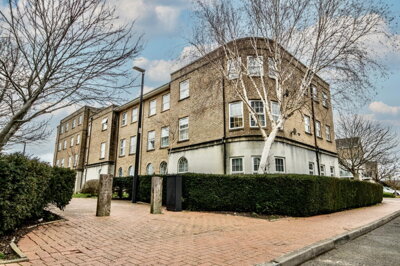
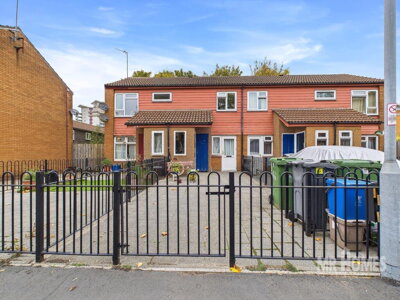
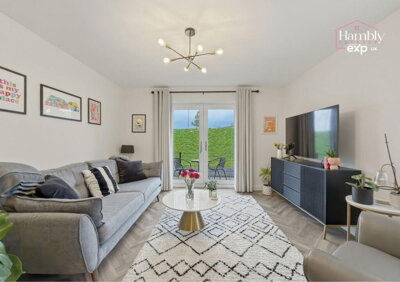
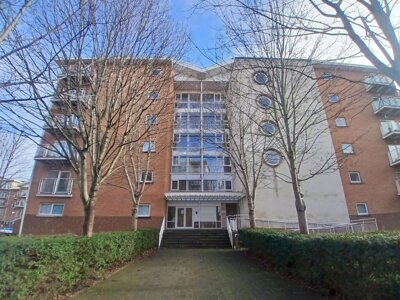
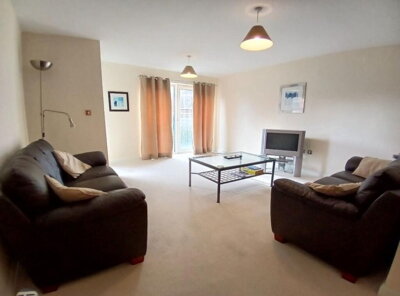
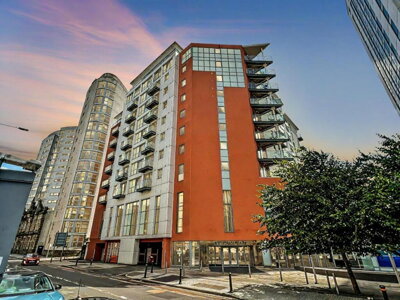
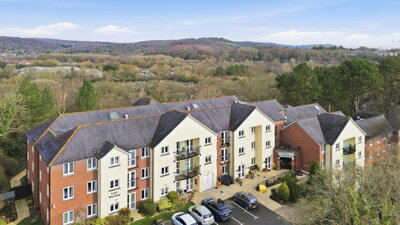
Browse 1,399 homes for sale in Cardiff, Cymru / Wales from local estate agents.
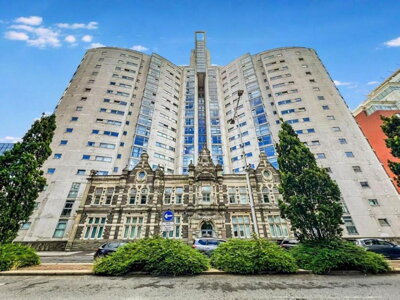
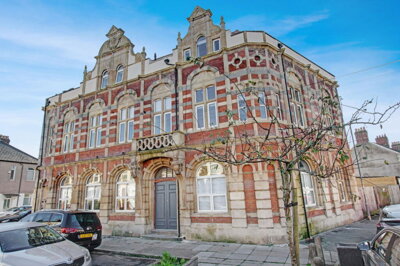
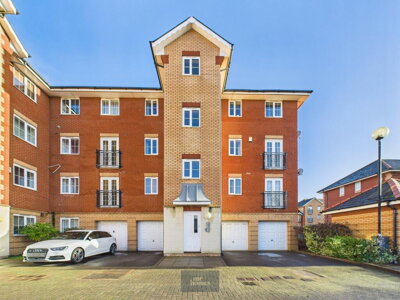
Studio apartments feature open-plan living spaces without separate bedrooms, incorporating sleeping, living, kitchen, and bathroom facilities. The Cardiff studio market includes properties in modern apartment complexes, converted Victorian and Georgian buildings, and purpose-built developments.
£160k
267
12
133
Source: home.co.uk
Showing 267 results for Studio Flats for sale in Cardiff, Cymru / Wales. 12 new listings added this week. The median asking price is £160,000.
Source: home.co.uk
Flat
267 listings
Avg £169,936
Source: home.co.uk
Source: home.co.uk
Cardiff's property market has demonstrated consistent growth over recent years, driven by strong demand from buyers attracted to the city's unique blend of career opportunities, cultural amenities, and relatively affordable prices compared to London and the South East. Our current listings showcase the full spectrum of property types available: one and two-bedroom apartments dominate city centre developments, many within converted period buildings or purpose-built blocks with resident facilities. Terraced houses remain popular in established neighbourhoods like Riverside, Plasnewydd, and Ely, offering excellent value for money and character that newer builds cannot match. Detached and semi-detached family homes in areas such as Llandaff, Radyr, and Pentyrch command higher prices but provide the space and gardens that growing families require.
New build developments continue to transform Cardiff's skyline, with major schemes bringing hundreds of new homes to areas including Cardiff Bay, St. Mellons, and the former International Sports Village site. These developments often include modern energy-efficient specifications and shared amenities, appealing to buyers prioritising low maintenance living. The average property price in Cardiff sits around £280,000, though significant variation exists between neighbourhoods, with properties in CF10 (Cardiff city centre and Cardiff Bay) commanding premium prices while CF5 (west Cardiff including Ely and Caerau) offers more affordable options for budget-conscious buyers.
First-time buyers entering Cardiff's property market will find particular opportunities in areas undergoing regeneration or offering older stock at lower entry points. Properties in CF41 (Treforest) and CF37 (Pontypridd) areas accessible via the Cardiff Metro train line provide particularly good value for commuters working in the city but seeking more affordable purchase prices. flats in CF10 near Cardiff Bay start from around £150,000 for a one-bedroom apartment, making city centre living accessible to those with smaller deposits or lower borrowing requirements. Understanding which postcodes offer the best value relative to transport links, schools, and amenities helps buyers make informed decisions about where to focus their property search.

Cardiff, Wales's capital and largest city, home to approximately 370,000 residents, offers an exceptional quality of life that combines metropolitan sophistication with distinctly Welsh warmth and accessibility. The city centre showcases remarkable architectural diversity, from the medieval battlements of Cardiff Castle standing proud above modern shopping streets to the Victorian grandeur of the Civic Centre and the contemporary waterfront developments of Cardiff Bay. Beyond the urban core, residential neighbourhoods each possess their own character: Pontcanna and Canton feature tree-lined streets with artisan cafes, independent shops, and popular gastropubs; Roath and Plasnewydd retain strong community atmospheres with weekly farmers markets and local independent businesses; while northern suburbs like Lisvane, Thornhill, and Creigiau offer a more suburban feel with easier access to the beautiful countryside of the Welsh valleys.
The city provides outstanding leisure and cultural facilities that enhance daily life for residents. Bute Park stretches from the city centre to Sophia Gardens, providing 130 acres of landscaped parkland perfect for recreation and relaxation. Cardiff Bay offers waterside dining, theatres, and the iconic Wales Millennium Centre, while the Principality Stadium (formerly the Millennium Stadium) hosts major sporting and musical events. The city boasts excellent shopping at St. David's Dewi Sant and Queens Street, diverse restaurant scenes reflecting both Welsh traditions and international influences, and a vibrant nightlife centred on Cardiff's compact city centre. Local demographics show a young, diverse population, with significant student communities from Cardiff University and Cardiff Metropolitan University adding to the city's energetic atmosphere.
Healthcare facilities in Cardiff serve residents across South Wales, with the University Hospital of Wales in the Heath area providing the region's major trauma centre and specialist services. The Noah's Ark Children's Hospital of Wales, adjacent to the main hospital, offers dedicated paediatric care. Several district general hospitals including the Royal Glamorgan Hospital in Llantrisant and Prince Charles Hospital in Merthyr Tydfil serve surrounding communities. For everyday healthcare, numerous GP practices operate throughout the city, with many operating branch surgeries in different neighbourhoods, and dental practices, pharmacies, and opticians widely available in shopping centres and high streets across Cardiff.

Cardiff offers an impressive range of educational options, making it particularly attractive to families seeking quality schooling across all levels. Primary education in Cardiff includes numerous highly-rated schools, with Ysgol Mynydd Bychan in the Cyncoed area and Rhydypenau Primary School consistently achieving excellent Estyn (Welsh education inspectorate) reports. The city features several bilingual primary schools following the Welsh-medium education stream, including Ysgol Gyfun Gymraeg Glantaf and Ysgol Gyfun Gymraeg Llwyn yr Eos, serving families seeking Welsh language education. Other notable primaries include Peter Lea Primary in Fairwater and Lansdowne Primary in Canton, both popular with local families and offering strong community links.
Secondary education in Cardiff is served by a mix of comprehensive schools and grammar schools, with Whitchurch High School (one of the largest in the UK), Cardiff High School, and Radyr Comprehensive School among the highest-performing options. The city's three grammar schools - Cardiff Sixth Form College, Ysgol Gyfun Gymraeg Bro Edern, and Fitzalan High School (which admits by ability) - are oversubscribed and require strong academic records for entry. Further and higher education opportunities are exceptional, with Cardiff University consistently ranked among the UK's top universities, Cardiff Metropolitan University offering strong vocational programmes, and the University of South Wales also operating campuses within the city. This educational infrastructure makes Cardiff particularly appealing to families planning for their children's long-term academic development.
Beyond traditional academic routes, Cardiff offers excellent further education through Coleg Cymraeg Cenedlaethol and Cardiff and Vale College, which provides vocational courses and apprenticeships across various industries. The city hosts several independent schools including St Mary's Catholic Primary School, St Michael's College, and Howells School in Llandaff, offering alternative educational approaches for families willing to invest in private schooling. Many parents specifically target school catchment areas when searching for property in Cardiff, as admission policies typically prioritise children living within designated geographic zones. Properties in CF14 postcodes around Whitchurch, Llandaff North, and Radyr often attract premiums due to proximity to high-performing schools, making early research into catchment boundaries essential for families with school-age children.

Cardiff's transport network provides excellent connectivity both within the city and to wider destinations, making it practical for commuters and those who travel regularly for work or leisure. Cardiff Central railway station sits at the national rail network, offering direct services to major UK destinations including London Paddington (journey time approximately 2 hours), Bristol Temple Meads (around 1 hour 15 minutes), Birmingham New Street (approximately 2 hours 30 minutes), and Manchester Piccadilly (around 3 hours 30 minutes). Local trains operated by Transport for Wales serve stations throughout the Cardiff Metro area, connecting suburbs including Pontypridd, Caerphilly, Barry, and Bridgend with the city centre. The planned South Wales Metro expansion continues to enhance these connections, promising improved frequency and new routes.
For those travelling by car, the M4 motorway runs immediately north of Cardiff, providing rapid access to Newport, Bristol, and the Severn Bridge crossings to England. The A48 links Cardiff to the M4 in the east and Bridgend in the west, while the A470 trunk road connects the city centre with the Welsh valleys and the M4 corridor. Cardiff Wales Airport, located in Rhoose approximately 12 miles west of the city, offers domestic flights and a growing range of European destinations. Within the city, Cardiff Bus provides extensive services across all major routes, with the Bay Car free shuttle linking Cardiff Central to Cardiff Bay. Cycling infrastructure has expanded significantly, with the Taff Trail and other dedicated routes making active commuting viable for many residents.
Property buyers frequently consider commute times when choosing where to live in Cardiff, with areas offering good rail or bus connections commanding premiums among those working in the city centre. Cardiff Bay developments appeal to professionals working in the bay area itself or those who can walk or cycle to work, while suburban locations like Llandaff, Fairwater, and Radyr offer park-and-ride options at train stations. Rush hour traffic on the A470 and A48 approaches can be heavy, making proximity to the M4 junction at Junction 32 (Culverhouse Cross) or Junction 33 (Cardiff West services) valuable for car commuters. The Eastern Bay Link road, completed in recent years, has improved access to the enterprise zone and Cardiff Bay from the M4, benefiting properties in areas like Splott and Tremorfa.

Before you start viewing properties, speak to a mortgage broker or lender to obtain an Agreement in Principle. This demonstrates to sellers that you are a serious buyer with financing secured, giving you a competitive edge in Cardiff's active property market where desirable homes can receive multiple offers quickly.
Spend time exploring different areas of Cardiff to find the neighbourhood that best matches your priorities. Consider commute times, school catchment areas, local amenities, property types available, and price variations between areas like Pontcanna (premium), Ely (more affordable), or the city centre (apartment living).
Many properties in Cardiff are marketed exclusively through specific estate agents before appearing on portals. Registering directly with agents such as those advertising on Homemove means you may learn about new listings before they appear publicly.
Arrange viewings for properties that meet your criteria. In Cardiff's competitive market, be prepared to act quickly on properties you love, but also remain objective about condition, location, and any potential issues requiring negotiation.
Once you find your ideal home, submit an offer through the estate agent. If accepted, immediately instruct a conveyancing solicitor to handle the legal work. Choose a solicitor experienced in Welsh property transactions, as some procedures differ from England.
Your solicitor will handle searches, surveys, and contract exchange while your lender arranges the mortgage valuation. On completion day, you receive the keys and can move into your new Cardiff home.
Purchasing property in Cardiff requires attention to several local-specific factors that can significantly impact your investment and daily life. Flood risk varies across the city, with areas near the River Taff, River Ely, and Cardiff Bay requiring particular attention. Properties in neighbourhoods like Grangetown and parts of Cardiff Bay may have flood history or elevated risk designations that affect insurance premiums and future resale value. Always review the relevant flood risk maps and discuss this with your surveyor before proceeding. Additionally, conservation areas exist throughout Cardiff, particularly in Pontcanna, Cathays, and parts of Roath, where planning restrictions may limit permitted developments, external alterations, or even certain types of window replacements.
The age and construction type of Cardiff's housing stock also warrants careful consideration. Victorian and Edwardian terraced properties, prevalent in areas like Canton, Riverside, and Plasnewydd, often feature solid wall construction without cavity insulation, potentially leading to higher heating costs. Many city centre apartments are leasehold with varying ground rents and service charges that can escalate significantly; understanding these costs before purchase is essential to avoid unexpected expenses. Properties in newer developments may carry warranties but could have higher service charges for communal facilities. Always commission a thorough survey (a RICS Level 2 Homebuyer Report or Level 3 Building Survey for older properties) before committing to purchase, as this identifies any structural issues or necessary renovations that inform your offer and future budgeting.
Mining legacy affects certain Cardiff areas, particularly in the west of the city where coal mining was extensive historically. Properties in Ely, Caerau, and surrounding districts may be subject to coal mining reports as part of the conveyancing process, and some properties require specific insurance products covering mining-related subsidence. Properties in newer developments built on previously industrial land should have environmental searches completed to identify any contamination concerns from former uses. The natural geology beneath Cardiff also varies, with the carboniferous limestone geology of the north providing stable foundations generally, while alluvial deposits near rivers can create different ground conditions requiring specialist consideration during building survey assessments.

The average property price in Cardiff currently sits around £280,000, though this varies considerably by neighbourhood and property type. City centre apartments typically range from £120,000 to £350,000, while Victorian terraces in popular areas like Pontcanna or Roath commonly sell for £300,000 to £500,000. Family homes in suburbs such as Lisvane, Radyr, or Thornhill frequently exceed £400,000, with premium detached properties reaching £600,000 or more. The most affordable options can be found in areas like Ely and Caerau, where terraced properties are sometimes available under £200,000.
Properties in Cardiff are assigned council tax bands by Cardiff Council ranging from Band A (lowest value properties) to Band I (highest value properties). Most standard terraced houses fall into Bands A to C, while semi-detached and detached family homes typically occupy Bands D to F. Premium city centre apartments and large period properties may be assigned Bands E through H. Council tax rates vary annually, so checking the current year's charges from Cardiff Council provides the most accurate figures for budgeting purposes.
Cardiff offers excellent educational options at all levels. Top-performing primary schools include Ysgol Mynydd Bychan, Rhydypenau Primary, and Peter Lea Primary, while secondary schools such as Whitchurch High School, Cardiff High School, and Radyr Comprehensive School consistently achieve strong academic results. Grammar schools including Cardiff Sixth Form College (consistently one of the UK's highest-performing) and Ysgol Gyfun Gymraeg Glantaf attract students from across the region. Cardiff University and Cardiff Metropolitan University provide outstanding higher education opportunities, making the city attractive to families planning long-term.
Cardiff offers excellent public transport connectivity for a UK city of its size. Cardiff Central station provides direct rail services to London, Bristol, Birmingham, Manchester, and other major cities, with the journey to London taking approximately 2 hours. The Cardiff Metro train network connects suburbs including Pontypridd, Caerphilly, Barry, and Bridgend. Cardiff Bus operates extensive routes throughout the city, with the Bay Car providing free travel between the station and Cardiff Bay. The M4 motorway runs north of the city, providing road connections to Newport, Bristol, and beyond.
Cardiff has historically shown steady property price growth, making it attractive to investors seeking capital appreciation alongside rental income. The city benefits from a diverse economy, strong student population requiring rental accommodation, and ongoing development creating new housing stock. Rental yields in Cardiff vary by area and property type, with city centre apartments typically achieving higher yields (4-6%) despite lower absolute values, while family homes in good school catchments may offer lower yields but stronger long-term appreciation. The Welsh Government continues to invest in infrastructure and development, supporting the city's economic outlook.
Stamp Duty Land Tax (SDLT) in Wales operates under Welsh Government rules administered by the Welsh Revenue Authority. For standard residential purchases, there is no SDLT on properties up to £225,000, with rates of 6% on the portion between £225,001 and £400,000, and 7.5% on amounts between £400,001 and £750,000, rising to 10% on £750,001 to £1.5 million and 12% above that. First-time buyers in Wales receive relief on the first £300,000 of properties up to £500,000, eliminating SDLT on purchases within that threshold. Properties purchased as second homes or additional properties incur a 4% surcharge on all bands.
Property prices in Cardiff vary significantly based on proximity to schools, transport links, and the city centre, along with property type and condition. CF10 postcodes covering Cardiff Bay and the city centre command premium prices for apartments, while CF14 areas around Whitchurch and Llandaff North attract families due to excellent schooling options. Victorian and Edwardian properties in Pontcanna, Canton, and Roath have seen significant appreciation due to their character and location, with many homes selling for significantly above the city average. New build developments in St. Mellons and Cardiff Bay offer modern specifications at varying price points, often appealing to buyers prioritising energy efficiency and low maintenance over period charm.
Secure your Cardiff property purchase with competitive mortgage rates
From 4.5% APR
Expert Welsh property solicitors handling your Cardiff purchase
From £499
Comprehensive homebuyer report for any Cardiff property
From £350
Detailed building survey for older or complex properties
From £600
Understanding the full costs of purchasing property in Cardiff helps you budget accurately and avoid surprises during the transaction process. In addition to the property price, buyers must budget for SDLT (Stamp Duty Land Tax), which applies to purchases above £225,000 at rates of 6% on the portion between £225,001 and £400,000, rising through 7.5%, 10%, and 12% tiers for higher-value properties. First-time buyers purchasing properties up to £500,000 benefit from relief covering the first £300,000, potentially saving thousands of pounds on qualifying purchases. Second home buyers should budget for the additional 4% SDLT surcharge applied across all bands.
Solicitors' fees for conveyancing typically range from £500 to £2,000 depending on the property value and complexity, covering title checks, local searches (including drainage and water searches with Cardiff Council, environmental searches, and mining searches relevant to some Cardiff areas), contract preparation, and completion registration. Survey costs vary by property: a basic mortgage valuation costs around £300, while a comprehensive RICS Level 2 Homebuyer Report costs from £350 for a standard property, and a full Building Survey for older or complex properties can cost £600 or more. Additional costs include mortgage arrangement fees of around £20 to £150, and removal costs which vary based on distance and volume. Budgeting 3-5% of the property price for these additional costs ensures you have sufficient funds to complete your purchase smoothly.

Properties for Sale In London

Properties for Sale In Plymouth

Properties for Sale In Liverpool

Properties for Sale In Glasgow

Properties for Sale In Sheffield

Properties for Sale In Edinburgh

Properties for Sale In Coventry

Properties for Sale In Bradford

Properties for Sale In Manchester

Properties for Sale In Birmingham

Properties for Sale In Bristol

Properties for Sale In Oxford

Properties for Sale In Leicester

Properties for Sale In Newcastle

Properties for Sale In Leeds

Properties for Sale In Southampton

Properties for Sale In Cardiff

Properties for Sale In Nottingham

Properties for Sale In Norwich

Properties for Sale In Brighton

Properties for Sale In Derby

Properties for Sale In Portsmouth

Properties for Sale In Northampton

Properties for Sale In Milton Keynes

Properties for Sale In Bournemouth

Properties for Sale In Bolton

Properties for Sale In Swansea

Properties for Sale In Swindon

Properties for Sale In Peterborough

Properties for Sale In Wolverhampton

Enter your details to see if this property is within your budget.
Loans, cards, car finance
Estimated property budget
Borrowing + deposit
You could borrow between
Typical borrowing
Monthly repayment
Est. at 4.5%
Loan-to-value
This is an estimate only. Your actual budget may vary depending on interest rates, credit history, and personal circumstances. For an accurate affordability assessment, speak to one of our free mortgage advisors.
This calculator provides estimates for illustrative purposes only and does not constitute financial advice. Your home may be repossessed if you do not keep up repayments on your mortgage. Estimates based on 4.5% interest rate, repayment mortgage. Actual rates depend on your circumstances.
Homemove is a trading name of HM Haus Group Ltd (Company No. 13873779, registered in England & Wales). Homemove Mortgages Ltd (Company No. 15947693) is an Appointed Representative of TMG Direct Limited, trading as TMG Mortgage Network, which is authorised and regulated by the Financial Conduct Authority (FRN 786245). Homemove Mortgages Ltd is entered on the FCA Register as an Appointed Representative (FRN 1022429). You can check registrations at NewRegister or by calling 0800 111 6768.

We use cookies to show you personalised content and improve your experience of our website. Find out more in our Privacy policy and Cookie policy.