Pick the right path and we'll point you to the next step.
I'm the homeowner
Track this property, get market updates, and list it on Home when you're ready to sell or let.
I'm an estate agent
Claim your branch on Home.co.uk, list your properties for free, and reach buyers actively searching your area.

From riverside apartments to country cottages, search hundreds of thousands of properties for sale, to rent, and recently sold, all enriched with three decades of market data.
Browse 39 homes for sale in Cardiff, Cymru / Wales from local estate agents.
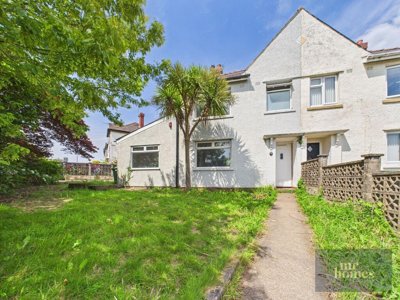
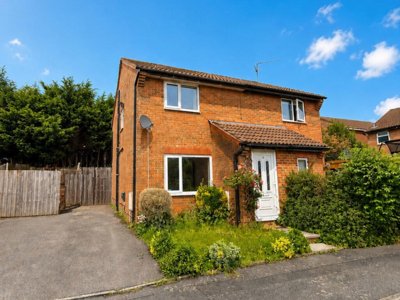
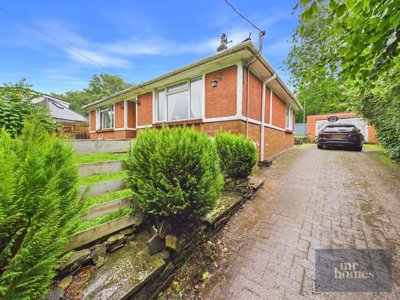
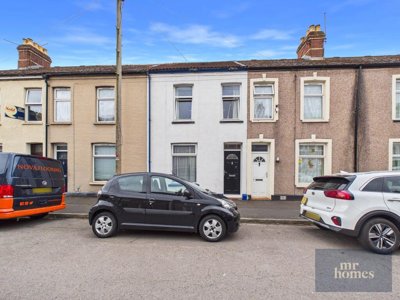
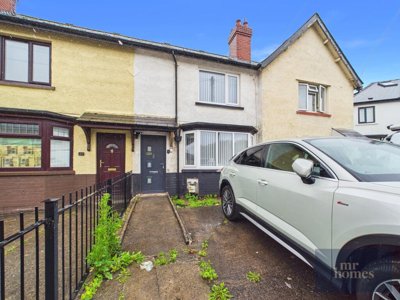
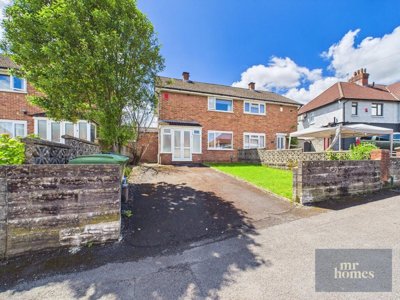
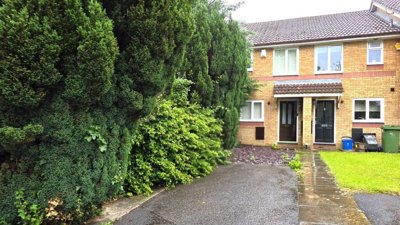
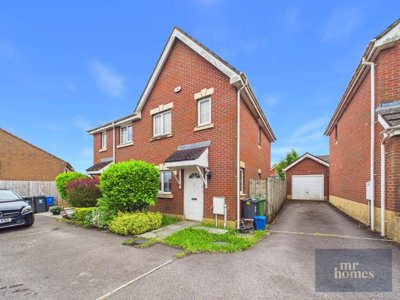
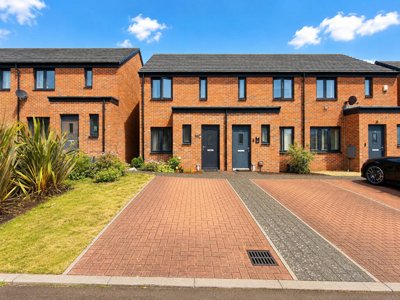
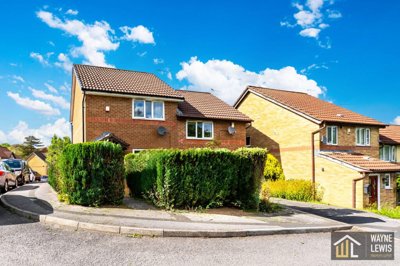
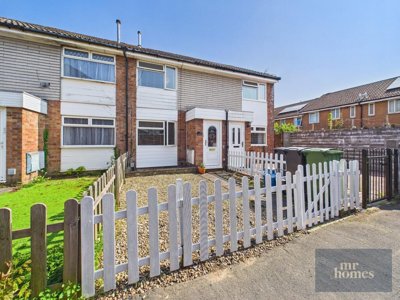
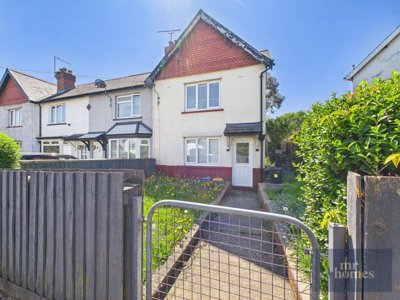
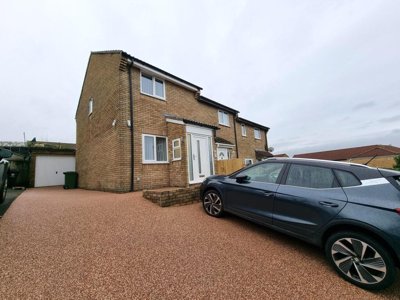
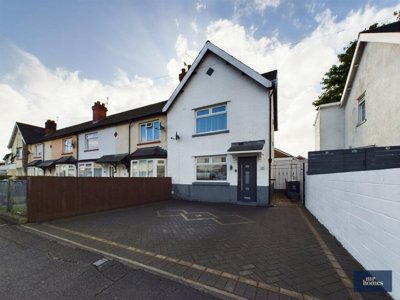
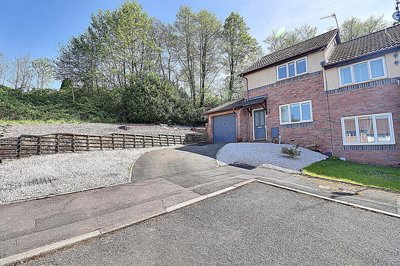
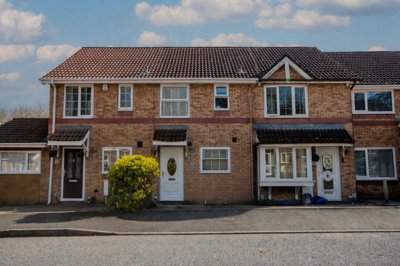
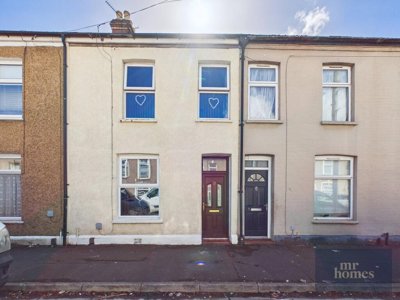
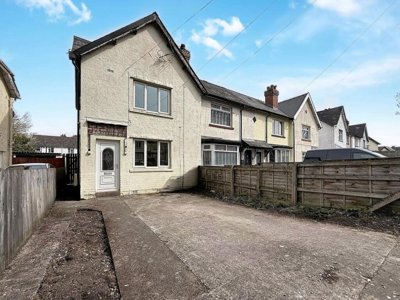
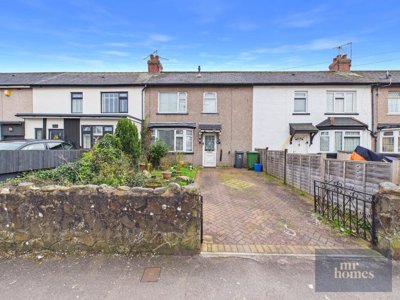
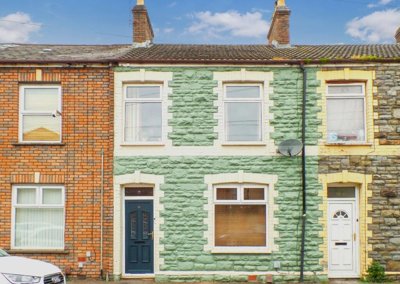
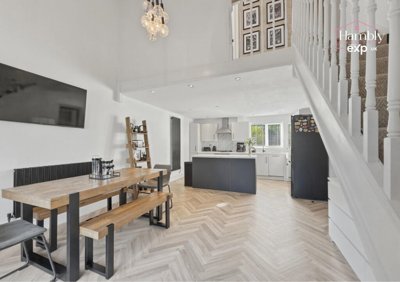
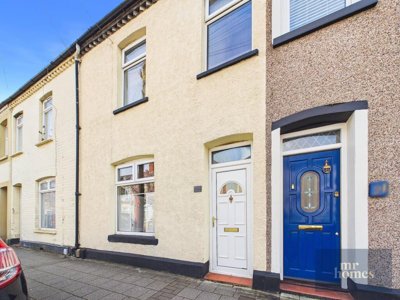
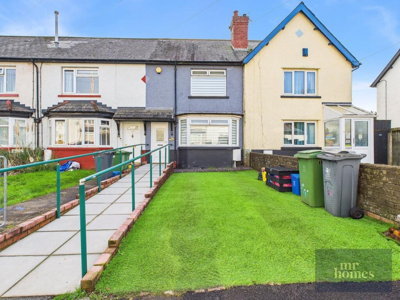
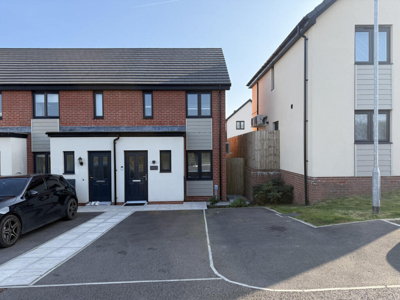
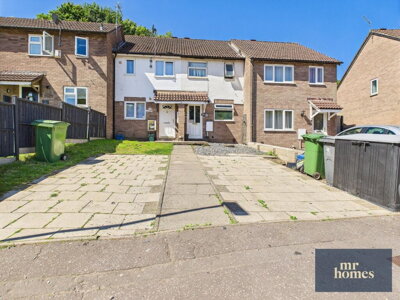
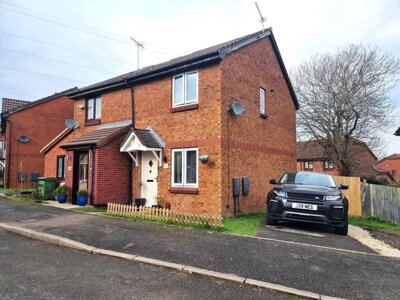
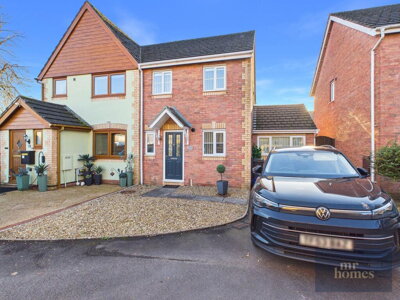
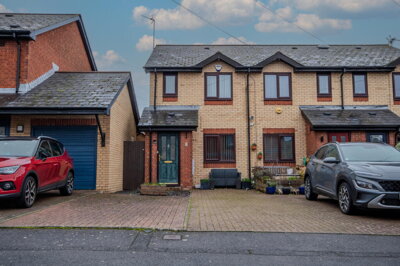
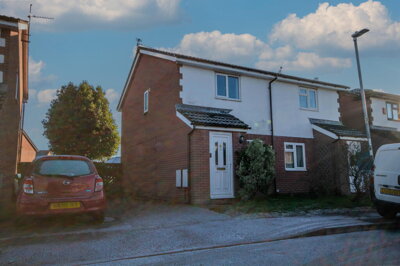
The 2 bed house market features detached, semi-detached, and terraced properties with two separate bedrooms plus living spaces. Properties in Cardiff range from Victorian and Edwardian period homes to modern new builds, with pricing varying across different neighbourhoods.
£230k
152
11
76
Source: home.co.uk
Showing 152 results for 2 Bedroom Houses for sale in Cardiff, Cymru / Wales. 11 new listings added this week. The median asking price is £230,000.
Source: home.co.uk
Terraced
106 listings
Avg £242,523
Semi-Detached
42 listings
Avg £233,689
Detached
4 listings
Avg £288,750
Source: home.co.uk
Source: home.co.uk
Cardiff is not a one-price city, and that is a big part of why buyers come back to it. homedata.co.uk records show around 11,200 sales in the Cardiff postcode area over the last 12 months, down 15.5% year on year, so there is still a decent spread of stock even with slower turnover. Terraced homes still do most of the heavy lifting at 44.5% of recent sales. After that come semi-detached homes at 26.8%, detached homes at 17.4% and flats at 11.2%. In practice, many searches begin with a terrace close in, then move out towards the suburbs for more room.
Prices show how wide Cardiff’s range really is. homedata.co.uk puts detached homes at £519,000, semi-detached homes at £322,000, terraced homes at £260,000 and flats at £162,000. In the latest sold data, terraced properties are up 3.5% over the last year, while flats have stayed broadly level, which gives buyers a useful comparison between lower-entry stock and larger family homes. New-build sales are still coming through as well, with homedata.co.uk recording 160 new-build sales in the Cardiff postcode area between January 2025 and December 2025, including 38 sales in CF14 0.

What sets Cardiff apart from many other UK cities is the way civic areas, housing and the waterfront sit together in one compact capital. The stock runs from pre-1919 terraces in Cathays, Roath, Splott and Pontcanna to post-war estates in Heath, Gabalfa and Llanishen, with modern homes around Cardiff Bay, Pontprennau and St Mellons too. Older streets often have red brick frontages. On larger houses, and in conservation areas, you will also see stone, render and slate roofs. There is plenty of architectural contrast here.
Ground conditions vary across Cardiff, and we would not treat that as a small point. Large parts of the city sit on Mercia Mudstone and alluvial deposits, which can mean shrink-swell risk in clay-rich areas, especially where mature trees and changing moisture levels are involved. Flood risk needs checking too near the River Taff, River Ely and the bay, and surface water can affect lower roads or streets after heavy rain. Then there is the city itself, Bute Park, Roath Park, Cardiff Castle, Llandaff Cathedral and the waterfront all give Cardiff a distinct feel.
For many families, the search begins with catchments. The right Cardiff address can shape the school run and later resale prospects in equal measure. Across the city there is a broad spread of primary schools, secondary schools, Welsh-medium provision and sixth-form routes, with Cardiff High School, Radyr Comprehensive, Ysgol Gyfun Gymraeg Glantaf and Corpus Christi High School often coming up in searches. In Wales, performance is usually reported through Estyn rather than Ofsted, so we always suggest checking the latest inspection reports and admissions details with Cardiff Council. Catchment lines do move, and a street that seems right on paper may not fall where you think.
Further education is another part of the Cardiff picture. Cardiff and Vale College gives older students and adult learners a wide route into vocational and academic study, while Cardiff University and Cardiff Metropolitan University help support the city’s education economy. That has a direct effect on housing. Student demand, staff demand and graduate demand feed the rental market in different districts. Homes near established schools, useful bus routes and commuter rail stations often see the strongest family interest when they return to the market.

Commuting is one area where Cardiff is easy to read, especially near the main stations or the motorway network. Cardiff Central and Cardiff Queen Street do most of the work as rail hubs, while stations such as Cathays, Radyr, Llanishen and Birchgrove help serve a long list of neighbourhoods. Bristol is a practical day-to-day trip on direct services. London Paddington is reachable in about 2 hours, depending on the service. For buyers who travel often, a station-side location can save a lot of time across a year.
Road travel matters just as much here, particularly for anyone moving between Cardiff and the M4 corridor. The A48, A4232 and M4 shape how the city works, and parking pressure tends to be strongest in central districts, on older terrace streets and around the bay. Bus coverage reaches widely across Cardiff. Cycling has also improved on routes like the Taff Trail and around Cardiff Bay, which can make shorter commutes or school runs easier. Choosing between a bay flat and a house further out often comes down to how you plan to get around.
Few cities offer this many home types inside one market. Recent sales have terraced homes out in front at 44.5%, which says a lot about the pull of older inner-city neighbourhoods for people buying their first home and for investors. Semi-detached homes make up 26.8% of sales and often hit the balance families want, more room without moving straight to the top end. Detached homes are rarer at 17.4%. You will usually find more of them in outer districts and newer estates, where gardens, driveways and bigger plots carry more weight.
Life stage changes the map in Cardiff. Pontcanna, Llandaff and parts of Roath are often chosen by buyers after character, cafés and quick access to the centre. Lisvane, Radyr and Heath tend to suit those who want quieter streets and more family space. Cardiff Bay remains a strong apartment market, especially for people who want to walk to the waterfront or the city centre. St Mellons and Pontprennau also come up regularly where newer developments and more predictable running costs are the priority.
New-build numbers are worth tracking because they affect what actually comes up for sale. homedata.co.uk records 160 new-build sales in the Cardiff postcode area during 2025, and CF14 0 alone accounts for 38 of those sales, which gives a good sense of activity in north Cardiff. Even so, established housing still makes up most of the city. Buyers are usually balancing modern energy efficiency in newer areas against extra character, and often more maintenance, in older districts. That trade-off is part of what keeps Cardiff interesting.
We suggest starting with budget, then matching it to the parts of Cardiff that suit your day-to-day routine. A flat in Cardiff Bay, a terrace in Roath and a detached home in Lisvane bring very different costs, travel patterns and maintenance demands.
Before booking viewings, get a mortgage agreement in principle in place and decide the firm top end of your offer range. That puts you in a stronger position and usually means local agents take your interest more seriously.
At viewings, we would check the things that affect day-to-day life as much as the house itself, parking, flood exposure, road noise, station access and the condition of nearby homes. In Cardiff, one street can differ sharply from the next because of ground conditions or conservation area controls, even within the same postcode.
Some Cardiff properties need closer scrutiny from the start. Older terraces, bay apartments and homes on clay-rich ground can all benefit from a proper inspection. A RICS Level 2 survey fits many standard homes, but an older property, or one that has been altered, may justify a more detailed report.
Once an offer is accepted, we would move on the legal side quickly. Appoint a conveyancer early so searches, title checks and contract work can get under way. Cardiff purchases can raise leasehold points, conservation restrictions or flood-related enquiries, and early action helps keep the transaction moving.
Keep the paperwork lined up. That means your deposit, mortgage offer and insurance should all be ready when your solicitor says it is time to exchange. After completion, sort out utilities, council tax and any immediate repairs before moving day turns up.
Cardiff tends to reward buyers who look closely, especially on older streets where charm often comes with upkeep. Many pre-1919 terraces still have solid walls, older roofs and original timber, so damp, condensation, roof wear and thermal efficiency are common points for us to inspect. The city’s clay-rich geology can also bring subsidence and movement into play, particularly where mature trees sit close to older foundations. Where a property has a record of cracking or repeated repairs, ask for the paperwork and read the survey with care.
Flood risk deserves proper attention before any offer goes in. Homes near the Taff, the Ely or the bay may face river, tidal or surface water flooding, and insurance needs checking before you proceed. Cardiff also has many conservation areas and listed buildings, including parts of Pontcanna, Riverside, Cathays Park, Llandaff and Cardiff Bay, so windows, extensions and other alterations can need extra care. Leasehold flats can work well in the city, but service charges, ground rent and building management costs need reviewing before you commit.
Newer homes raise a different set of questions. Estates in St Mellons, Pontprennau, Lisvane and Radyr often bring better insulation and lower maintenance, but we would still check management charges, estate road arrangements and any unresolved developer issues. In apartment blocks, fire safety information, cladding details and long-term maintenance plans matter as much as room size. A place may look turnkey. The better purchase is the one that suits your budget, your commute and the level of upkeep you are happy with.

According to homedata.co.uk, the average sold price in Cardiff is £271,000. Broken down by type, detached homes are around £519,000, semi-detached homes £322,000, terraced homes £260,000 and flats £162,000. That range gives scope for people buying their first home as well as those moving up, depending on the neighbourhood and the style of property.
In Cardiff, council tax sits under Cardiff Council and uses the standard Welsh bands from A to H. Terraced homes and flats often fall into the lower bands, while larger semis and detached homes are usually higher, though the exact band comes down to the individual property. We would always check the band on the specific listing rather than assume it from the street.
School choices shape a lot of Cardiff searches. Cardiff High School, Radyr Comprehensive, Ysgol Gyfun Gymraeg Glantaf and Corpus Christi High School come up often, along with strong local primaries in popular residential areas. Wales uses Estyn rather than Ofsted, so the latest Estyn reports are worth checking as part of the process. Catchments can be competitive, especially in north and west Cardiff, and it helps to confirm the address against the current admissions rules.
For travel, Cardiff is one of the easier cities in Wales to work with. Cardiff Central and Cardiff Queen Street are the main rail hubs, and local stations including Cathays, Radyr and Llanishen also cover a good share of neighbourhoods. Buses connect most districts with the centre and the bay. For longer road journeys, the M4 and A48 are the key routes, which is useful for commuting and for weekends away.
Long-term demand in Cardiff is supported by several steady employers and sectors, including government employment, universities, the NHS, media jobs and a large student population. Rental demand also holds up in the centre, near the universities and in suburbs with good links back into the city. Any purchase still depends on the exact street, the property type and the yield, but Cardiff’s mix of jobs and renters keeps it on plenty of shortlists.
Stamp duty on a standard purchase is 0% up to £250,000, then 5% from £250,000 to £925,000. Using Cardiff’s average sold price of £271,000, a standard buyer would pay £1,050. Someone buying their first home would pay £0, because the threshold for that relief is 0% up to £425,000. Buy a second home or an investment property, and the higher-rate surcharge pushes the bill up.
Family buyers often narrow their search to Radyr, Lisvane, Llandaff, Heath, Llanishen and parts of Pontprennau, mainly because these areas tend to offer more space, stronger school access and easier parking than inner Cardiff. Pontcanna and Roath can work as well for households wanting character housing with a shorter walk or cycle into the centre. Usually it comes back to the same things, school catchment, commute time and whether a garden matters more than a lower-maintenance home.
Yes, Cardiff has an active new-build market, and it stretches across several parts of the city. Schemes include St Edeyrn's Village in Old St Mellons, Plas Ty Draw in Lisvane, Parc Y Coed in Radyr and apartment developments around Cardiff Bay. homedata.co.uk records 160 new-build sales in the Cardiff postcode area during 2025, with CF14 0 leading on 38 sales. Buyers looking for lower maintenance and stronger energy performance should still check service charges, management arrangements and warranty cover with care.
Many buyers want to price stamp duty early, and Cardiff’s market makes that fairly easy to do. The standard rates are 0% up to £250,000 and 5% from £250,000 to £925,000, so a home sold at the Cardiff average of £271,000 would mean a bill of £1,050 for a standard buyer. Someone buying their first home pays 0% up to £425,000, so there would be no stamp duty on that same average-priced home. On a £519,000 detached property, a standard buyer would pay £13,450. A buyer using first-home relief would pay £4,700.
Stamp duty is only one line in the budget. Legal fees, survey fees, mortgage arrangement charges, removals and any early repairs can build up quickly, especially in older Cardiff homes that need decorating or updating. On a leasehold flat in Cardiff Bay or the city centre, service charges matter too, because they can affect monthly outgoings far more than the purchase price alone. We find that a clear budget before viewings makes it much easier to move fast when the right Cardiff property comes up.
Properties for Sale In London

Properties for Sale In Plymouth

Properties for Sale In Liverpool

Properties for Sale In Glasgow

Properties for Sale In Sheffield

Properties for Sale In Edinburgh

Properties for Sale In Coventry

Properties for Sale In Bradford

Properties for Sale In Manchester

Properties for Sale In Birmingham

Properties for Sale In Bristol

Properties for Sale In Oxford

Properties for Sale In Leicester

Properties for Sale In Newcastle

Properties for Sale In Leeds

Properties for Sale In Southampton

Properties for Sale In Cardiff

Properties for Sale In Nottingham

Properties for Sale In Norwich

Properties for Sale In Brighton

Properties for Sale In Derby

Properties for Sale In Portsmouth

Properties for Sale In Northampton

Properties for Sale In Milton Keynes

Properties for Sale In Bournemouth

Properties for Sale In Bolton

Properties for Sale In Swansea

Properties for Sale In Swindon

Properties for Sale In Peterborough

Properties for Sale In Wolverhampton

Enter your details to see if this property is within your budget.
Loans, cards, car finance
Estimated property budget
Borrowing + deposit
You could borrow between
Typical borrowing
Monthly repayment
Est. at 4.5%
Loan-to-value
This is an estimate only. Your actual budget may vary depending on interest rates, credit history, and personal circumstances. For an accurate affordability assessment, speak to one of our free mortgage advisors.
This calculator provides estimates for illustrative purposes only and does not constitute financial advice. Your home may be repossessed if you do not keep up repayments on your mortgage. Estimates based on 4.5% interest rate, repayment mortgage. Actual rates depend on your circumstances.
Homemove is a trading name of HM Haus Group Ltd (Company No. 13873779, registered in England & Wales). Homemove Mortgages Ltd (Company No. 15947693) is an Appointed Representative of TMG Direct Limited, trading as TMG Mortgage Network, which is authorised and regulated by the Financial Conduct Authority (FRN 786245). Homemove Mortgages Ltd is entered on the FCA Register as an Appointed Representative (FRN 1022429). You can check registrations at NewRegister or by calling 0800 111 6768.

We use cookies to show you personalised content and improve your experience of our website. Find out more in our Privacy policy and Cookie policy.