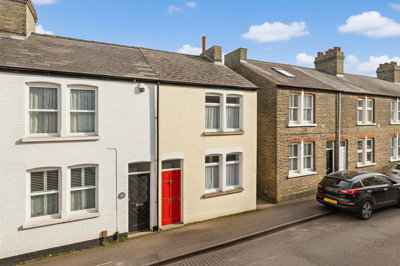
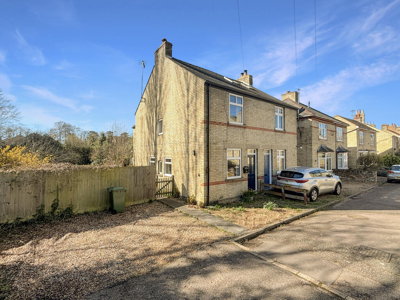
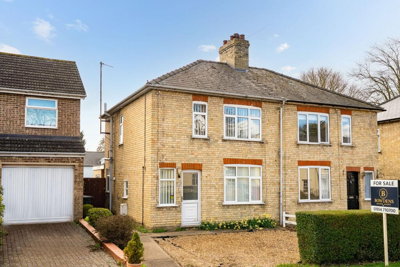
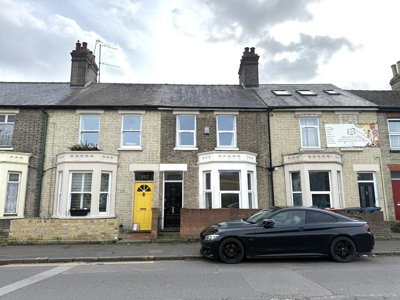
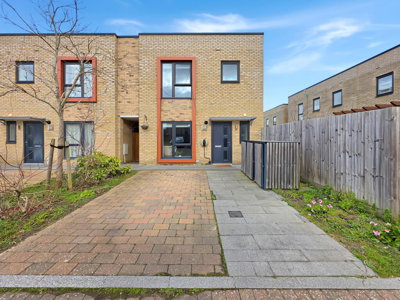
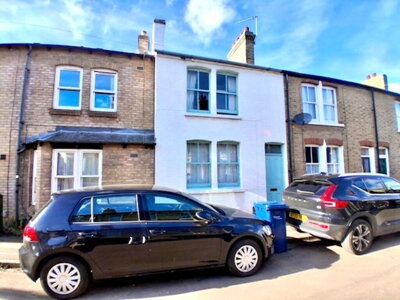
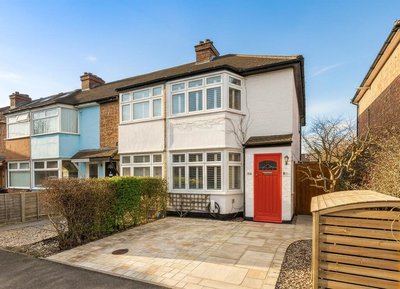
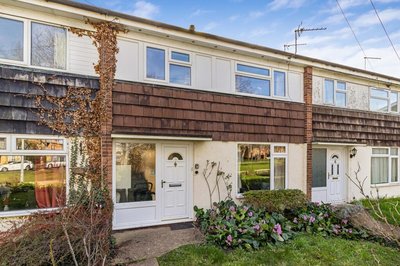
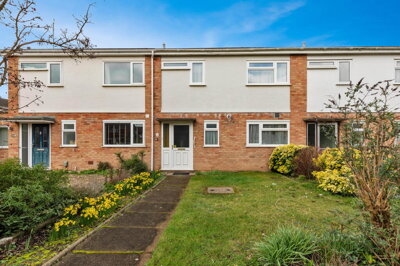
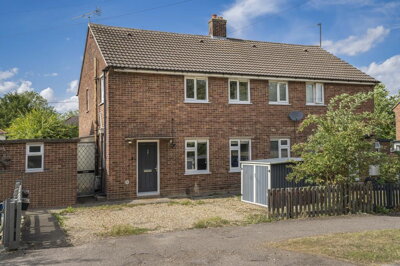
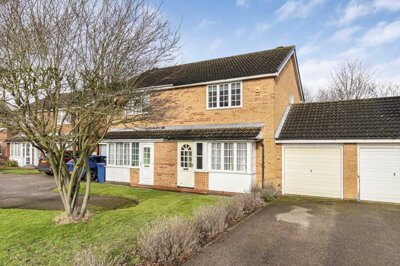
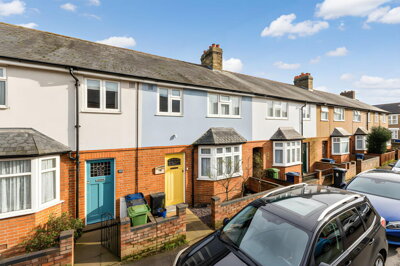
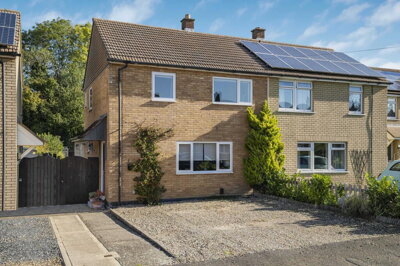
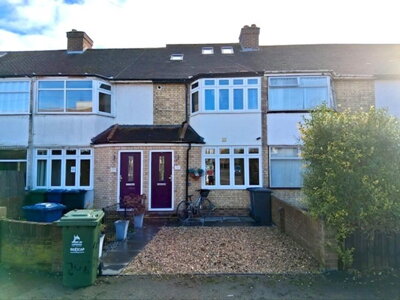
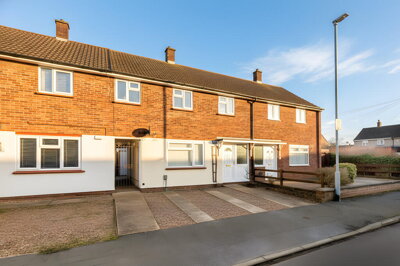
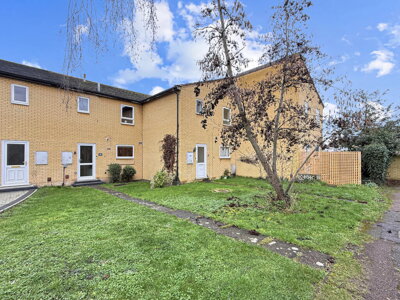
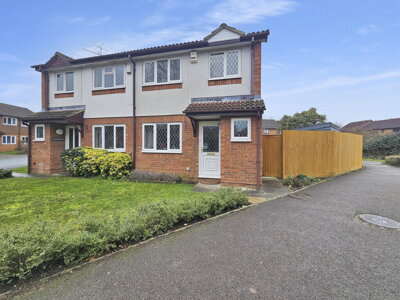
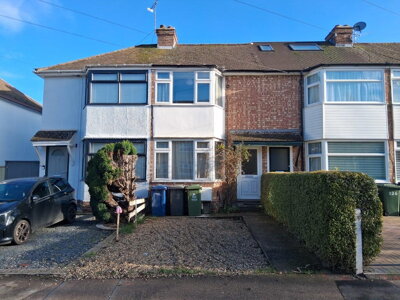
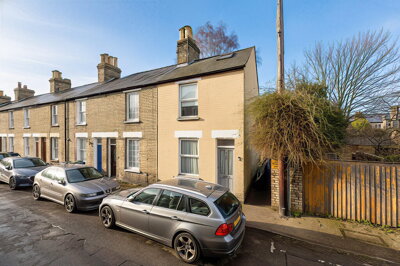
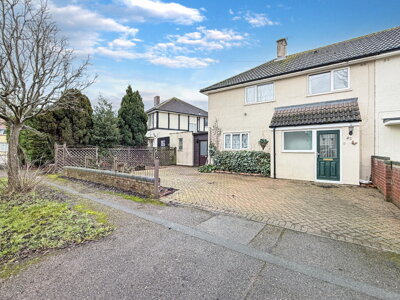
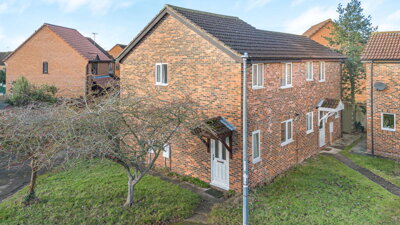
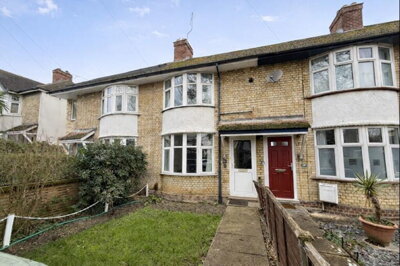
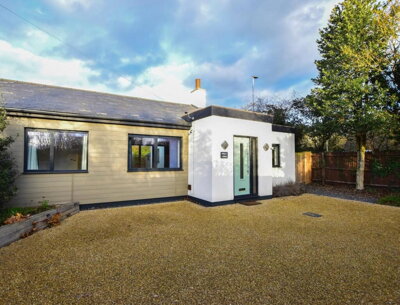
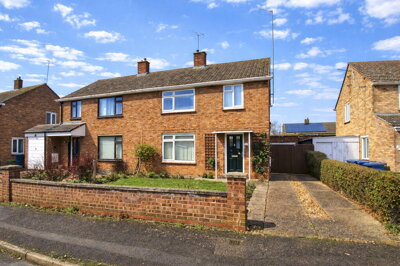
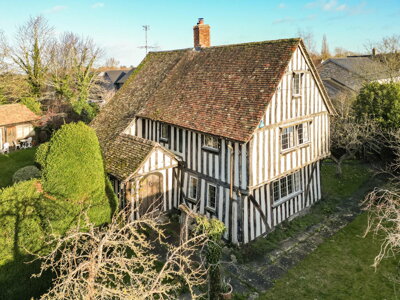
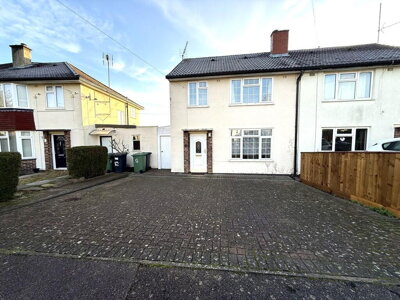
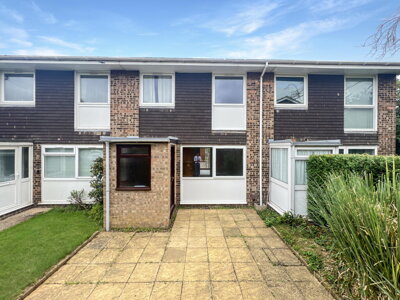
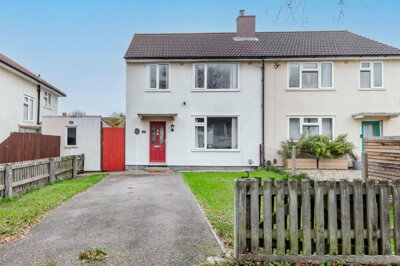
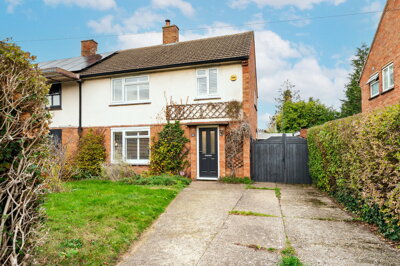
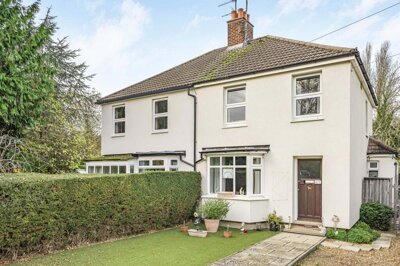
Browse 404 homes for sale in Cambridge, Cambridgeshire from local estate agents.
Three bedroom properties represent a significant portion of the Cambridge housing market, offering space for families with multiple reception rooms and gardens in many cases. Browse detached, semi-detached, and terraced options ranging from period character homes to contemporary developments.
£520k
163
11
86
Source: home.co.uk
Showing 163 results for 3 Bedroom Houses for sale in Cambridge, Cambridgeshire. 11 new listings added this week. The median asking price is £520,000.
Source: home.co.uk
Terraced
71 listings
Avg £545,125
Semi-Detached
63 listings
Avg £532,469
Detached
29 listings
Avg £608,050
Source: home.co.uk
Source: home.co.uk
Cambridge's property market demonstrates remarkable resilience despite recent price corrections, with the overall average house price standing at £486,000 as of December 2025. This figure represents a modest 2.5% decline over the preceding twelve months, reflecting broader national trends rather than any weakness in local demand. Property prices vary significantly across different types, with detached homes commanding an average of £993,000, while semi-detached properties average £615,000 and terraced homes £504,000. For buyers seeking more affordable options, flats and maisonettes in Cambridge average £308,000, offering an accessible entry point to this prestigious city.
Recent market activity shows approximately 4,816 properties sold in the Cambridge postcode area over the twelve months ending December 2025, though this represents a notable 20% decline compared to previous periods. Within Cambridge city itself, around 1,100 property transactions were recorded, indicating a significant contraction in available stock. New build properties accounted for 5.3% of all sales, with 253 newly constructed homes finding buyers during this period. This constrained supply against sustained demand suggests that Cambridge's property market fundamentals remain strong for long-term buyers willing to navigate current market conditions.
The housing stock composition in Cambridge reveals interesting patterns for prospective buyers. Detached properties account for 32.5% of recent sales, reflecting demand from families seeking space and privacy in this sought-after city. Terraced homes represent 29.3% of transactions, while semi-detached properties make up 25.7% of sales. Flats and maisonettes comprise 12.4% of the market, providing options for first-time buyers and investors looking to enter the Cambridge property market at more accessible price points. Understanding this distribution helps buyers prioritise their search based on property type preferences and budget constraints.

Cambridge offers an exceptional quality of life that consistently attracts residents from across the UK and beyond, combining centuries of academic heritage with modern amenities and a thriving cultural scene. The city is home to approximately 123,900 residents living in 52,400 households, creating a vibrant community where historic architecture meets contemporary living. The demographic profile shows 44% of households are owner-occupiers, down from 47% in 2011, while private renting has grown to 31%, reflecting the challenges facing first-time buyers in this competitive market. The average household size of 2.41 persons reflects a mix of families, professionals, and students that contribute to Cambridge's diverse and dynamic character.
The city's neighbourhoods each offer distinct character, from the cobbled streets of the historic city centre with its famous colleges and King's Parade to the family-friendly suburbs of Chesterton, Trumpington, and Cambridge Airport. Residents enjoy access to world-class cultural attractions including the Fitzwilliam Museum, Cambridge University Botanic Garden, and the numerous theatres and music venues that populate the city centre. Green spaces are plentiful, with Jesus Green, Parker Close, and the Backs along the River Cam providing beautiful spots for recreation and relaxation. The city's strong local economy centred around the university, technology clusters, and research institutions ensures robust employment opportunities while maintaining the historic charm that makes Cambridge one of Britain's most beloved cities.
Cambridgeshire's broader landscape offers residents access to scenic countryside, market towns, and excellent commuter links into Cambridge city itself. Villages such as Great Shelford, Melbourn, and Sawston provide more affordable housing options while maintaining good connections to Cambridge via the Cambridgeshire Guided Busway and regular train services. The surrounding area includes communities like Cambourne, which has grown significantly in recent years with new housing developments and excellent local schools, making it popular with families seeking more space without sacrificing accessibility to Cambridge's employment and cultural amenities.

Education is Cambridge's identity, with the world-renowned University of Cambridge attracting the brightest minds from around the globe and providing significant economic and cultural benefits to the city. Beyond higher education, Cambridge offers an impressive network of primary and secondary schools that consistently perform well in national rankings, making the city particularly attractive to families. The presence of excellent educational institutions significantly influences property values, with homes near top-performing schools commanding premium prices. Parents moving to Cambridge can choose from a carefully selected range of options, including outstanding academy's, well-established community schools, and respected independent schools.
Primary education in Cambridge includes highly regarded schools such as Corpus Christi Primary, St Mary's Primary, and The Nucleus School, each serving their local communities with strong academic foundations. St Mary's Junior School and St Albans Catholic Primary School also serve Cambridge families well, while community primary schools like Queen Edith Primary School and Mayfield Primary School have built strong reputations in their respective neighbourhoods. For families prioritising academic excellence, the northern areas around Chesterton and the southern districts near Trumpington tend to be particularly competitive for primary school places.
Secondary options include the highly sought-after Perse School, St Peter's School, and The Leys School for independent education, while comprehensives such as Netherhall School and Cambourne Village College provide excellent state-funded alternatives. The nearby Grammar Schools including King's College School and St Mary's School Maths and Computing College attract families from across the region, creating competitive catchment areas that buyers should research carefully. For families considering Cambridge, proximity to good schools should be a key factor in property selection, as demand for homes within catchments remains consistently high throughout the year.
Cambridge offers excellent transport connections that make it an ideal base for professionals commuting to London, Stansted Airport, and other major destinations across the region. Cambridge railway station provides fast and frequent services to London Liverpool Street, with journey times of approximately 50 minutes making the city a popular choice for commuters who work in the capital but prefer Cambridge's superior quality of life. Additional rail services connect Cambridge to Norwich, Birmingham, and Peterborough, while the Cambridgeshire Guided Busway offers an innovative alternative for commuters travelling to St Ives, Huntingdon, and the biomedical campus at Addenbrooke's Hospital.
For road transport, Cambridge is well-connected via the M11 motorway which provides direct access to London and the broader motorway network, while the A14 trunk road connects the city to Felixstowe port and the midlands. The A10 provides a direct route to Ely and King's Lynn, making Cambridge a strategic hub for regional travel. Cyclists benefit from Cambridge's excellent cycling infrastructure, with dedicated routes and the flat terrain making cycling a practical choice for daily commuting. The city has invested heavily in cycle lanes and traffic-free routes, making it one of the most cycling-friendly cities in the UK for both commuters and recreational riders.
Cambridge Airport operates flights to UK destinations and seasonal European routes, while London Stansted Airport is accessible within 40 minutes by road, providing international connections for business and leisure travellers. The city's comprehensive bus network, operated by the Cambridgeshire Combined Authority, connects residential areas with employment hubs, retail centres, and educational institutions, reducing car dependency for many residents. Major employers like Addenbrooke's Hospital, the Cambridge Biomedical Campus, and the technology companies in Cambridge Science Park are well-served by public transport, making car-free living a viable option for many professionals working in these areas.
Start by exploring our listings to understand property types, prices, and neighbourhoods in Cambridge. With average prices ranging from £308,000 for flats to £993,000 for detached homes, understanding the market will help you set realistic expectations and identify the best areas for your budget and lifestyle needs. Consider working with one of our local estate agent partners who can provide detailed knowledge of specific streets, developments, and upcoming listings.
Before viewing properties, obtain a mortgage agreement in principle from a lender. Cambridge's competitive market often requires buyers to have their financing arranged before making offers, as sellers frequently favour buyers who can demonstrate immediate access to funds. Our partner lenders can help you find competitive rates and understand how much you can borrow based on your income and circumstances, including specialist products for buyers with complex income situations.
Once you have identified properties that match your criteria, arrange viewings through our platform. We recommend viewing several properties in different neighbourhoods to compare options, and consider factors such as proximity to schools, transport links, and local amenities when evaluating each home. Take notes during viewings and revisit promising properties at different times of day to understand noise levels, light, and the neighbourhood atmosphere.
Before completing your purchase, book a RICS Level 2 Survey to assess the property's condition and identify any structural issues, repairs, or defects. This is particularly important in Cambridge where many properties are older and may have specific maintenance requirements. Our qualified surveyors understand common issues in Cambridge properties, from historic building regulations to modern apartment specifications, providing you with a comprehensive condition report.
Our partner conveyancing solicitors handle all legal aspects of your Cambridge property purchase, from searches and contracts to registration and completion. Choose from our vetted providers offering transparent fixed fees and dedicated specialists familiar with Cambridge transactions. Your solicitor will conduct essential searches including local authority checks, environmental searches, and drainage investigations specific to Cambridgeshire.
Once your offer is accepted and all legal requirements are satisfied, your solicitor will coordinate the final steps including exchange of contracts and completion. On completion day, you will receive the keys to your new Cambridge home and can begin settling into your new community. We recommend arranging building insurance to start from the exchange of contracts date to protect your investment.
Purchasing property in Cambridge requires careful consideration of several local factors that may not apply to other markets, given the city's unique character and property stock. Many homes in Cambridge are listed buildings or located within conservation areas, which can impose restrictions on modifications, extensions, and renovations. Before purchasing, verify the property's listing status and consult with the local planning authority to understand any constraints that may affect your plans. Older properties, which form a significant proportion of Cambridge's housing stock, may require more maintenance and should be thoroughly surveyed to identify potential issues with foundations, roofing, and historic features.
Flood risk awareness is essential when buying in Cambridge, particularly for properties near the River Cam or in areas such as Cambridgeport and Wellington-Harrington that face increased precipitation-related flooding risks. While current storm surge flooding is mitigated by the Charles River Dam and Amelia Earhart Dam, future projections indicate increasing flood risk by 2070. The Alewife neighbourhood and surrounding areas are particularly vulnerable to precipitation-driven flooding, with data suggesting the area at risk is projected to nearly double by 2070 for a 1% Annual Storm. Buyers should review Environment Agency flood zone maps and ensure properties have appropriate flood resilience measures.
Storm surge flooding from the coast does not currently affect Cambridge due to the Charles River Dam and Amelia Earhart Dam, which provide effective protection from ocean surges. However, projections indicate a 1% chance that storm surge flooding could reach Cambridge as early as 2045, with sea level rise potentially allowing surges to go around and over the dams. Properties in Flood Zone 1 (less than 0.1% annual probability) are considered low risk, while those in Flood Zone 2 face moderate risk. Buyers should discuss these projections with surveyors and consider the long-term implications for insurance and property values.
Additionally, leasehold properties, particularly flats, should be carefully examined for service charges, ground rent terms, and any planned major works that could result in unexpected costs. Cambridge has seen significant development of new apartment complexes in recent years, particularly around the station area and the Cambridge Biomedical Campus. Always review the lease terms carefully and request details of any planned service charge increases or major maintenance works before committing to a purchase.
As of December 2025, the average house price in Cambridge is £486,000. Property prices vary significantly by type, with detached homes averaging £993,000, semi-detached properties at £615,000, terraced homes at £504,000, and flats and maisonettes at £308,000. The market has experienced a modest 2.5% decline over the past twelve months, though Cambridge remains one of the UK's most expensive cities for property due to sustained demand and constrained supply. Other sources report slightly different figures, with Rightmove at £554,463 and Zoopla at £546,399, reflecting variations in methodology and data sources.
Cambridge properties fall under Cambridge City Council, with bands ranging from A through H depending on property value. Most Victorian and Edwardian terraced homes in Cambridge typically fall into bands B through D, while larger detached properties and homes in sought-after areas such as Newnham or Trumpington Park may be in higher bands. Prospective buyers should verify the specific band for any property through the Valuation Office Agency website or their solicitor during conveyancing. Council tax bills in Cambridge typically range from around £1,400 to £2,800 per year depending on the property band.
Cambridge offers exceptional educational options including the world-renowned University of Cambridge. For primary education, schools such as Corpus Christi Primary and St Mary's Primary are highly regarded, while St Mary's Junior School provides excellent secondary preparation. Secondary options include the Perse School, St Peter's School, and The Leys School for independent education, while state schools including Netherhall School serve their local communities well. Grammar schools such as King's College School attract families from across the region, making proximity to good schools an important factor when choosing where to buy in Cambridge.
Cambridge offers excellent public transport connections including frequent rail services to London Liverpool Street with journey times of approximately 50 minutes. Cambridge railway station also provides services to Norwich, Birmingham, and Peterborough, while CrossCountry services connect the city to destinations nationwide. The Cambridgeshire Guided Busway connects the city to St Ives and Huntingdon, while an extensive bus network operated by the Combined Authority serves local routes throughout the city and surrounding villages. For air travel, London Stansted Airport is accessible within 40 minutes by road.
Cambridge's property market benefits from strong fundamentals including a world-class university, thriving technology sector, and persistent housing shortage that maintains demand despite economic fluctuations. The median annual pay of £43,365 for Cambridge employees reflects the high-quality employment opportunities that sustain property demand. While recent price trends show modest corrections, the city's limited supply of developable land and high-quality employment opportunities suggest long-term capital growth potential. Rental demand is particularly strong given the large student population, young professionals, and academics who prefer renting in the city centre. However, investors should be aware of potential policy changes affecting the private rental sector and factor in stamp duty costs for additional property purchases.
For standard purchases, stamp duty applies at 0% on the first £250,000, 5% on the portion from £250,001 to £925,000, and 10% on the portion from £925,001 to £1,500,000. For first-time buyers purchasing properties up to £625,000, relief is available with 0% duty on the first £425,000 and 5% on the portion between £425,001 and £625,000. If you are purchasing an additional property or are a non-UK resident, additional 3% surcharge applies to each band. Our conveyancing partners can provide a personalised calculation for your specific situation.
Flood risk in Cambridge varies significantly by location, with properties near the River Cam generally facing higher risk than those in elevated areas. The Alewife, Cambridgeport, The Port, and Wellington-Harrington neighbourhoods are at increased risk from precipitation-related flooding, with projections suggesting this risk could nearly double by 2070. However, storm surge flooding from the ocean does not currently affect Cambridge due to protective dams, though future projections indicate potential risk by 2045. Buyers should review Environment Agency flood maps and consider flood resilience measures when evaluating properties in affected areas. Standard building surveys do not assess flood risk, so buyers in higher-risk zones should commission specific flood risk assessments.
Cambridge's housing stock includes a wide variety of property types to suit different budgets and preferences. Detached homes account for approximately 32.5% of recent sales, offering generous space for families in areas like Newnham, Trumpington, and the villages surrounding Cambridge. Terraced properties at 29.3% of sales include charming Victorian and Edwardian homes popular in neighbourhoods like Romsey and Petersfield. Semi-detached properties represent 25.7% of transactions, providing a balance of space and affordability, while flats and maisonettes at 12.4% offer accessible entry points to the Cambridge market for first-time buyers and investors.
Understanding the full costs of buying property in Cambridge is essential for budgeting effectively, as stamp duty and associated fees can add significantly to your overall expenditure. The current SDLT thresholds for 2024-25 mean that on a typical Cambridge property priced at the city average of £486,000, a standard buyer would pay approximately £11,800 in stamp duty. This calculation includes nothing on the first £250,000, then 5% on the remaining £236,000. First-time buyers benefit from enhanced relief, potentially reducing this cost substantially for properties within the £425,000 threshold, bringing their SDLT liability to approximately £3,050.
Beyond stamp duty, buyers should budget for solicitor fees typically ranging from £800 to £2,500 depending on complexity, survey costs from £350 for a basic RICS Level 2 Survey, mortgage arrangement fees of 0-1.5% of the loan amount, and valuation fees of approximately £300-500. For flats and leasehold properties, ground rent and service charges should be carefully reviewed as these ongoing costs vary significantly between developments. Moving costs, including removal services and potential temporary storage, should also be factored into your total budget. Our partner conveyancing solicitors offer transparent fixed fees for Cambridge transactions, helping you understand total costs before proceeding.
When calculating your total budget, consider that Cambridge properties often exceed the national average in price, meaning solicitor searches and surveys may cost more than in other areas. Local authority searches from Cambridge City Council typically take 2-3 weeks, and buyers should factor in additional costs for environmental searches, drainage checks, and any specialist surveys required for older or listed properties. Building insurance should be arranged from the point of exchange, typically costing £200-500 per year for a standard Cambridge property, with flats often requiring building insurance through the management company.
From 4.5%
Competitive mortgage rates for Cambridge buyers with access to specialist lenders
From £499
Transparent fixed-fee solicitors specialising in Cambridge property transactions
From £350
Professional property surveys for Cambridge homes from qualified RICS surveyors
From £80
Energy performance certificates required for all Cambridge property sales
Properties for Sale In London

Properties for Sale In Plymouth

Properties for Sale In Liverpool

Properties for Sale In Glasgow

Properties for Sale In Sheffield

Properties for Sale In Edinburgh

Properties for Sale In Coventry

Properties for Sale In Bradford

Properties for Sale In Manchester

Properties for Sale In Birmingham

Properties for Sale In Bristol

Properties for Sale In Oxford

Properties for Sale In Leicester

Properties for Sale In Newcastle

Properties for Sale In Leeds

Properties for Sale In Southampton

Properties for Sale In Cardiff

Properties for Sale In Nottingham

Properties for Sale In Norwich

Properties for Sale In Brighton

Properties for Sale In Derby

Properties for Sale In Portsmouth

Properties for Sale In Northampton

Properties for Sale In Milton Keynes

Properties for Sale In Bournemouth

Properties for Sale In Bolton

Properties for Sale In Swansea

Properties for Sale In Swindon

Properties for Sale In Peterborough

Properties for Sale In Wolverhampton

Enter your details to see if this property is within your budget.
Loans, cards, car finance
Estimated property budget
Borrowing + deposit
You could borrow between
Typical borrowing
Monthly repayment
Est. at 4.5%
Loan-to-value
This is an estimate only. Your actual budget may vary depending on interest rates, credit history, and personal circumstances. For an accurate affordability assessment, speak to one of our free mortgage advisors.
This calculator provides estimates for illustrative purposes only and does not constitute financial advice. Your home may be repossessed if you do not keep up repayments on your mortgage. Estimates based on 4.5% interest rate, repayment mortgage. Actual rates depend on your circumstances.
Homemove is a trading name of HM Haus Group Ltd (Company No. 13873779, registered in England & Wales). Homemove Mortgages Ltd (Company No. 15947693) is an Appointed Representative of TMG Direct Limited, trading as TMG Mortgage Network, which is authorised and regulated by the Financial Conduct Authority (FRN 786245). Homemove Mortgages Ltd is entered on the FCA Register as an Appointed Representative (FRN 1022429). You can check registrations at NewRegister or by calling 0800 111 6768.

We use cookies to show you personalised content and improve your experience of our website. Find out more in our Privacy policy and Cookie policy.