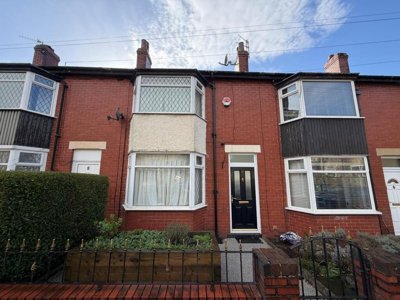
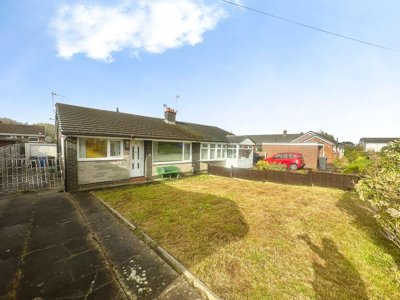
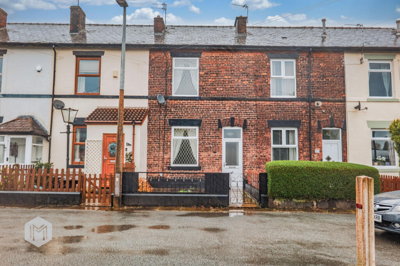
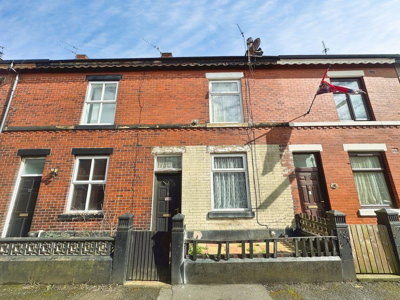
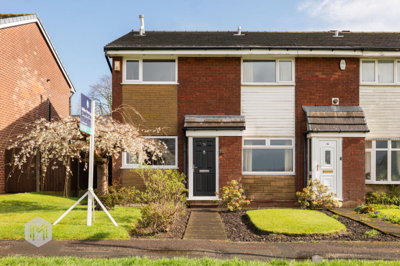
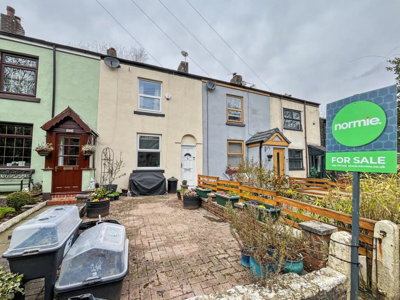
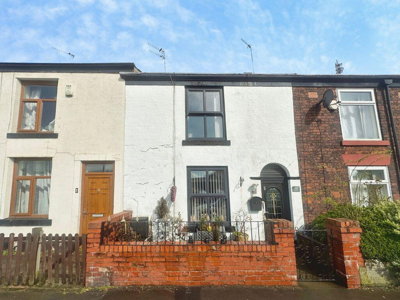
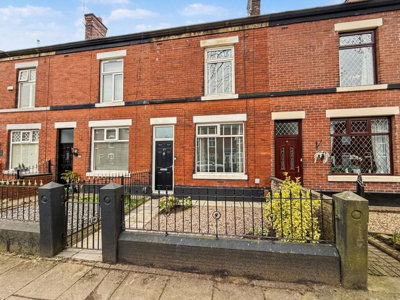
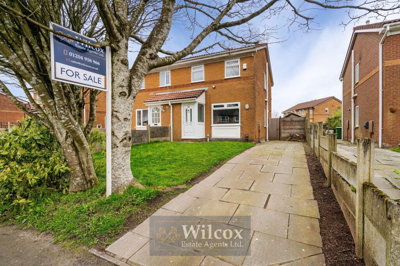
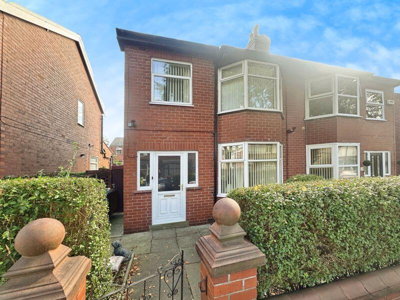
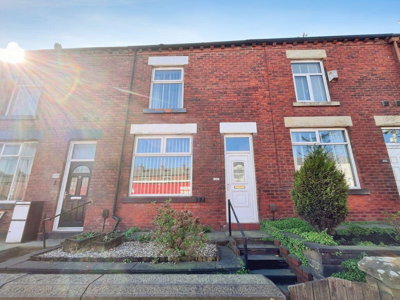
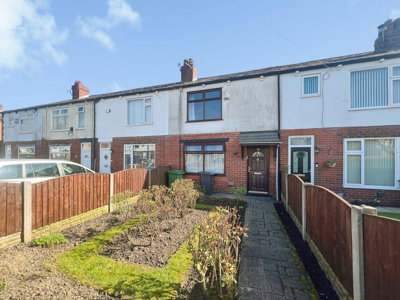
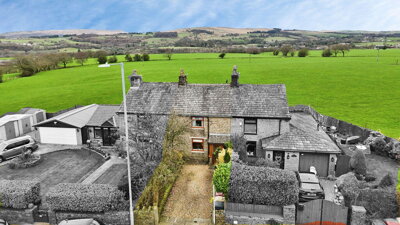
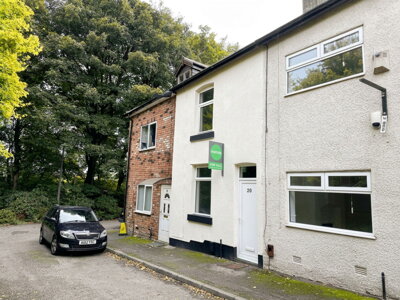
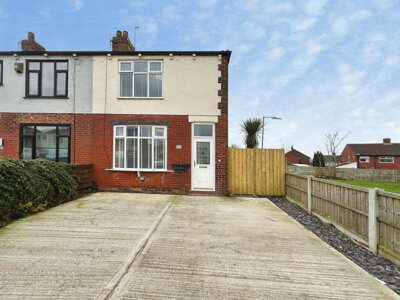
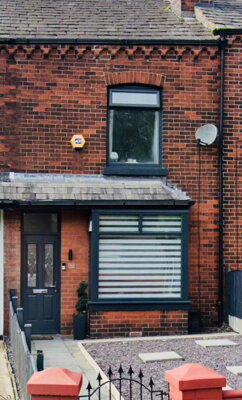
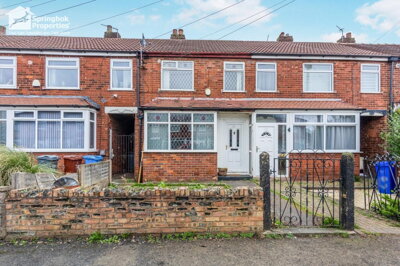
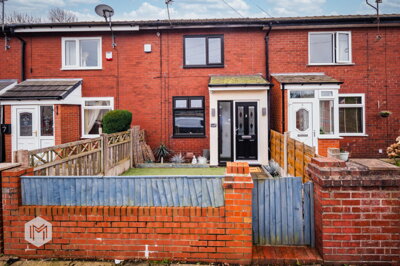
Browse 660 homes for sale in Bury, Greater Manchester from local estate agents.
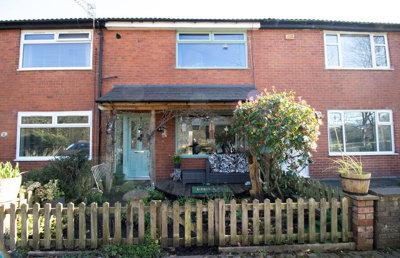
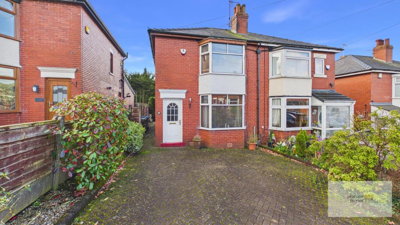
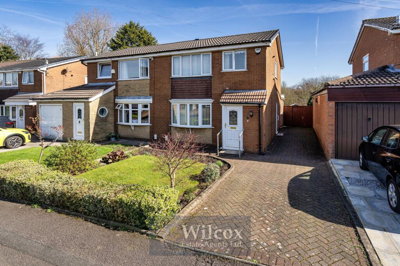
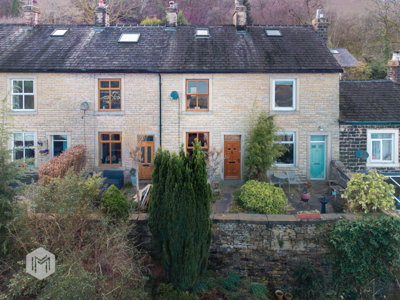
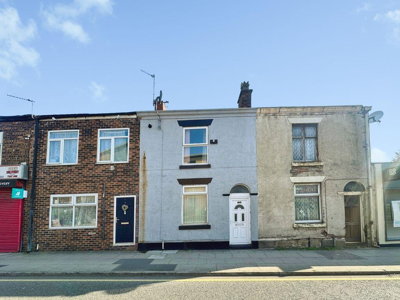
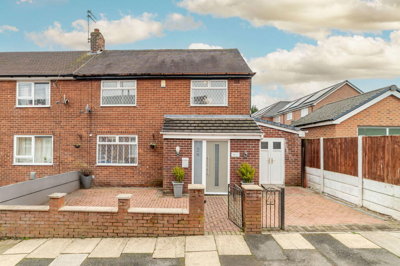
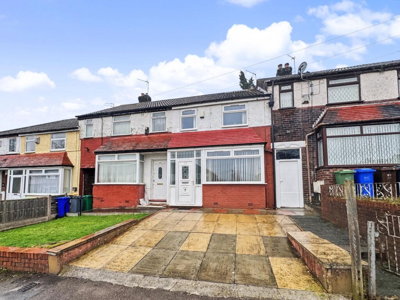
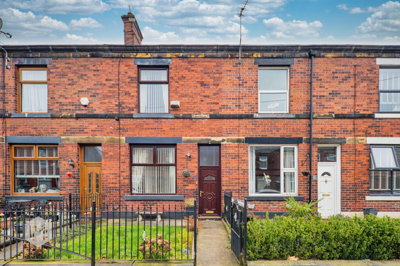
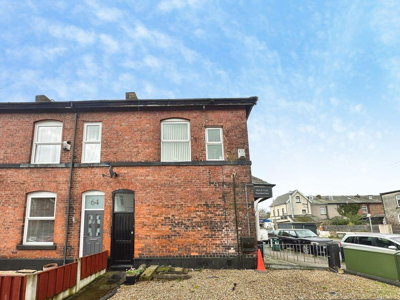
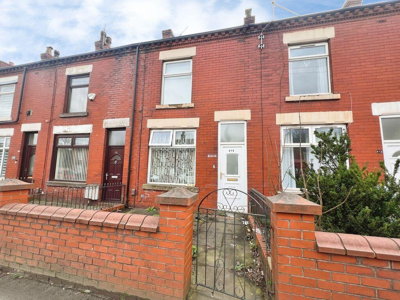
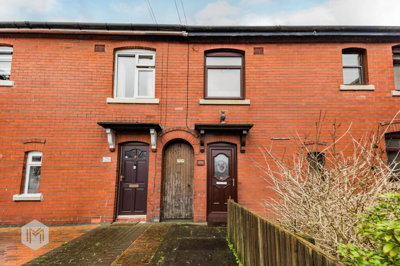
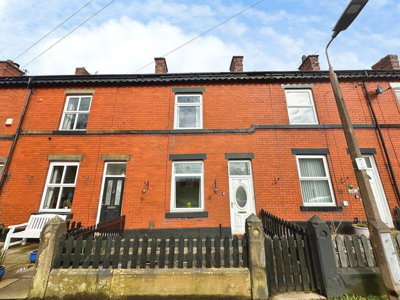
The 2 bed house market features detached, semi-detached, and terraced properties with two separate bedrooms plus living spaces. Properties in Bury range from Victorian and Edwardian period homes to modern new builds, with pricing varying across different neighbourhoods.
£190k
128
16
91
Source: home.co.uk
Showing 128 results for 2 Bedroom Houses for sale in Bury, Greater Manchester. 16 new listings added this week. The median asking price is £189,950.
Source: home.co.uk
Terraced
94 listings
Avg £186,169
Semi-Detached
30 listings
Avg £221,857
Detached
4 listings
Avg £371,250
Source: home.co.uk
Source: home.co.uk
The Bury property market offers strong variety for buyers at different life stages. Detached properties command the highest prices, averaging £406,000, making them ideal for families seeking generous living space and gardens. Semi-detached homes, which form a significant portion of local housing stock, average £265,000 and represent excellent value for money compared to similar properties in central Manchester. These family-friendly homes often feature three or four bedrooms with off-street parking, appealing to households looking for practical living spaces without Manchester city centre premiums.
Terraced properties in Bury average £198,000, providing an accessible entry point for first-time buyers and young professionals. Many of these Victorian and Edwardian terraces have been sympathetically modernised while retaining original features such as fireplaces, ceiling roses, and bay windows. Flats and maisonettes average £133,000, offering a low-maintenance option for those seeking city convenience without the upkeep of a house. Our data shows flat prices have remained stable over the past year, suggesting a balanced market for apartment buyers in Bury.
Rightmove reports that property values in Bury are 4% above the previous year and 7% above the 2022 peak, indicating sustained demand in the area. However, this growth has been more modest than the North West average of 4.5%, suggesting Bury remains relatively affordable compared to surrounding areas. Zoopla data indicates an average sold price of £232,679 over the last 12 months, slightly below asking price averages. Around 6% of property transactions fall through nationally, so securing mortgage agreement in principle before viewing properties strengthens your position as a serious buyer.

Bury blends its industrial heritage with modern living, creating a distinctive character that appeals to families and professionals alike. The town centre features the Bury Market, one of the largest and most famous markets in the North West, offering everything from fresh local produce to artisan goods. The surrounding residential areas range from bustling urban streets lined with shops and cafes to quieter suburban roads with parks and green spaces. The population increased by 4.8% between 2011 and 2021, reaching 193,846 residents across 74,335 households, with over 81,000 homes providing accommodation across the borough.
The demographic makeup of Bury reflects a diverse and skilled community. Home ownership rates have shifted in recent years, with owner-occupied households decreasing from 69.6% in 2011 to 66.9% in 2021, while private renting increased from 13.8% to 17.7% over the same period. This growth in private renting reflects broader national trends but also indicates strong rental demand in the area. Despite these changes, Bury maintains a strong sense of community with average household sizes of 2.4 persons, slightly above the national average. The Bury Housing Needs Assessment highlights significant demand from residents working in Manchester and surrounding areas, many earning higher salaries that push local property values.
Green spaces are plentiful throughout Bury, with the Irwell Valley providing scenic walking routes and recreational areas. The area features several parks and nature reserves, making it popular with families and outdoor enthusiasts. Cultural attractions include Bury Art Museum and The Met theatre, offering entertainment options beyond the retail and dining options in the town centre. Projections indicate Bury's population will continue growing, reaching over 202,000 by 2037, which should sustain property demand and support the local housing market for years to come.

Education provision in Bury serves students from early years through to further education, making the town attractive to families with children of all ages. The area hosts a mix of primary schools, secondary schools, and sixth form colleges, with several institutions achieving strong Ofsted ratings in recent inspections. Parents should research individual school performance and catchment areas, as admissions policies can significantly impact property values and buyer interest in specific neighbourhoods. Properties in catchment areas for high-performing schools often command premiums, so understanding the education landscape is essential when house hunting in Bury.
Secondary education in Bury includes both comprehensive schools and grammar school options, providing pathways suited to different learning styles and academic ambitions. The town's proximity to Manchester means students can also access specialist schools and colleges in the wider Greater Manchester area. For families considering secondary school options, verifying current Ofsted ratings and understanding your local catchment area before purchasing property is essential, as school admissions heavily prioritise proximity. We recommend visiting schools directly and speaking to local parents to gain practical insights into each institution's character and performance.
Further education opportunities include colleges offering A-levels, vocational qualifications, and apprenticeship programmes. These institutions serve students transitioning from secondary education as well as adults seeking to upskill or change careers. The Bury Housing Strategy identifies demand for housing suitable for older residents, indicating the local population includes significant numbers of families at various life stages. This demographic diversity means schools across Bury generally maintain healthy pupil rolls. Many students from Bury also travel to Manchester's renowned sixth form colleges, expanding their educational options beyond local provision.
Transport connections from Bury make it a practical base for commuters working in Manchester and across Greater Manchester. The Metrolink tram network provides direct services from Bury to Manchester city centre, with journey times of approximately 25-30 minutes depending on your specific stop. This tram link has significantly improved accessibility and contributed to sustained property demand in the area. Rail connections via Northern Rail services also link Bury to Manchester Victoria and beyond, with Bury Bolton Street station serving the local rail network.
For drivers, Bury benefits from proximity to the M66 motorway, providing direct access to Manchester and the wider motorway network including the M60 orbital route. The A56 road runs through the town centre, connecting to Prestwich and Manchester to the south, passing through several residential areas popular with commuters. Traffic conditions vary throughout the day, with rush hour periods seeing heavier congestion on main routes. Parking availability differs across residential areas, with some neighbourhoods offering driveways and garages while others rely on on-street parking, so factor this into your property search.
Bus services operated by Stagecoach and other providers connect Bury to surrounding towns including Bolton, Rochdale, and Oldham. These services are particularly valuable for accessing employment hubs and amenities without relying on private vehicles. Cycling infrastructure has improved in recent years, with dedicated cycle lanes on some major routes encouraging sustainable commuting. For international travel, Manchester Airport is accessible within approximately 45 minutes by car or public transport, making Bury suitable for frequent flyers and those with international business connections.
Explore current listings to understand property types, price ranges, and neighbourhood characteristics. Consider factors like proximity to schools, transport links, and local amenities that match your priorities. We recommend creating a shortlist of must-have features and nice-to-have items to focus your search effectively.
Contact lenders or use our mortgage comparison tool to secure an agreement in principle before viewing properties. This strengthens your offer and demonstrates seriousness to sellers in what can be a competitive market. With Bury's average property price at £238,000, understanding your borrowing capacity helps you filter listings to realistic options.
Visit multiple properties across different price points and neighbourhoods. Our platform connects you with local estate agents handling Bury properties, making scheduling viewings straightforward. We suggest viewing at least three properties before making an offer to compare options properly.
Once you have agreed a purchase, arrange a homebuyer survey to assess the property condition. For Bury's older housing stock, surveys typically identify issues like roof condition, damp, and electrical safety. Our inspectors frequently find defects in Victorian and Edwardian properties, so a survey is money well spent before committing.
Appoint a solicitor to handle the legal aspects of your purchase, including searches, contracts, and Land Registry registration. Our conveyancing service connects you with experienced local solicitors familiar with Bury properties. Searches will include local authority checks, drainage and water searches, and environmental checks for issues like flooding and ground stability.
Your solicitor will coordinate with the seller's legal team to exchange contracts and set a completion date. On completion, you receive the keys and take ownership of your new Bury home. We recommend arranging buildings insurance before completion and booking removals in advance for a smooth move.
Properties in Bury encompass various ages and construction types, requiring buyers to consider different risk factors. Traditional brick construction with slate or tile roofs is common, particularly in Victorian and Edwardian properties. Many older homes feature solid wall construction rather than modern cavity walls, meaning insulation improvements may be beneficial but require careful assessment. Our RICS Level 2 surveys identify defects common to these property types, including damp penetration, roof deterioration, and timber issues that affect solid wall properties.
Flood risk affects certain areas of Bury due to its location in the Irwell Valley. Properties near the River Irwell and its tributaries should be researched using official flood maps before purchase. Surface water flooding can also occur in urbanised areas following heavy rainfall. Buildings insurance costs may be higher for properties in flood risk zones, and mortgage lenders require proof of adequate cover. A thorough survey will flag any existing water damage or damp-related issues that could indicate past flooding problems.
Bury has a historical connection to coal mining, and properties built on or near former mining areas may face ground stability concerns. The local geology includes Carboniferous rocks, sandstones, shales, and coal measures overlaid by glacial till, which can contain clay-rich soils. Subsidence risk exists where clay soils are present, particularly with mature trees causing moisture fluctuation. Conservation areas in Bury impose planning restrictions on modifications and alterations, which buyers should understand before purchasing. Listed buildings require specialist surveys and listed building consent for many works, so factor this into your renovation budget if considering such properties.
Understanding the construction of Bury properties helps you anticipate maintenance needs and potential issues. The majority of housing stock in Greater Manchester features traditional brick construction, with older properties often built using solid brick walls rather than modern cavity wall insulation. This solid wall construction was standard before the 1920s and provides excellent thermal mass but limited insulation without retrofit measures. When we inspect Victorian and Edwardian properties in Bury, we frequently note original brickwork in good condition but often identify opportunities for energy efficiency improvements.
Roof construction across Bury typically uses traditional timber rafters with slate or clay tile coverings. Victorian properties often feature Welsh slate imported via the canal network, which remains durable but may require replacement as it reaches the end of its natural lifespan. Our inspectors check for slipped or missing tiles, deteriorated flashing around chimneys, and signs of sagging that indicate structural movement. Many terraced properties in Bury share chimney stacks and flues with neighbouring properties, requiring cooperation for any maintenance or renovation works.
Ground conditions in Bury reflect the underlying glacial geology of the Irwell Valley. Properties built on clay soils may experience shrink-swell movement as moisture levels change, particularly where mature trees are present. We recommend requesting a specialist ground stability assessment for properties showing signs of cracking or movement. The presence of former mining activity adds another consideration, with some areas requiring mining stability reports before mortgage offers can be confirmed.
The average house price in Bury reached £238,000 in December 2025, representing a 2.4% increase over the previous year. Detached properties average £406,000, semi-detached homes £265,000, terraced properties £198,000, and flats £133,000. This makes Bury more affordable than central Manchester while offering strong value for family-sized homes. Prices have risen 4% compared to the previous year and are 7% above the 2022 peak according to Rightmove data, though growth has been slightly below the wider North West average of 4.5%.
Council tax bands in Bury are set by Bury Metropolitan Borough Council across bands A through H. The specific band depends on your property's assessed value, with bands ranging from under £160,000 for Band A through to over £320,000 for Band H. You can check the current council tax band for any Bury property on the Valuation Office Agency website using the property address. Annual charges vary accordingly, with Band A properties paying significantly less than Band H properties, so this is an important factor in your ongoing costs calculation.
Bury hosts several primary and secondary schools with strong academic records, though individual school performance changes year to year. Parents should consult current Ofsted reports and Key Stage 2/GCSE performance data when evaluating schools. Catchment areas significantly influence admissions for oversubscribed schools, so researching school maps alongside property locations is essential when house hunting. The proximity to Manchester also provides access to specialist schools and grammar schools in the wider Greater Manchester area.
Bury benefits from excellent public transport connections, primarily through the Metrolink tram network providing 25-30 minute journeys to Manchester city centre. Northern Rail services operate from Bury Bolton Street station to Manchester Victoria and beyond, with Stagecoach buses connecting Bury to surrounding towns including Bolton, Rochdale, and Oldham. This connectivity makes Bury popular with commuters working in Manchester and other major employment centres across Greater Manchester.
Bury offers several factors appealing to property investors, including more affordable entry prices compared to Manchester, strong rental demand from commuters, and population growth projections reaching over 202,000 by 2037. The private rental sector has expanded from 13.8% to 17.7% of households between 2011 and 2021, indicating growing rental demand. However, the Bury Housing Needs Assessment notes that some residents on lower incomes struggle to afford suitable homes, suggesting a market where rental yields may remain stable but capital growth has been moderate compared to some neighbouring areas.
Stamp Duty Land Tax rates from April 2025 are 0% on the first £250,000, 5% on £250,001 to £925,000, 10% on £925,001 to £1.5 million, and 12% above £1.5 million. First-time buyers benefit from relief on the first £425,000, paying 5% between £425,001 and £625,000 with no relief above £625,000. For a typical Bury property at the £238,000 average price, most buyers pay no stamp duty, though first-time buyer relief eligibility depends on your circumstances and whether you have previously owned property anywhere in the world.
Understanding the full costs of buying a property in Bury helps you budget accurately and avoid surprises during the transaction. Beyond the purchase price, buyers should account for stamp duty, solicitor fees, survey costs, and moving expenses. For a property at Bury's average price of £238,000, stamp duty costs vary significantly depending on your buyer status. Standard buyers pay nothing on the first £250,000, meaning most buyers at this price point incur zero stamp duty, making Bury an attractive option for cost-conscious purchasers.
First-time buyers purchasing residential property may qualify for first-time buyer relief, which raises the zero-rate threshold to £425,000 with a 5% rate between £425,001 and £625,000. This relief is available only to purchasers who have never previously owned property anywhere in the world and who intend to occupy the property as their main home. Those who have previously owned property, or purchasing as buy-to-let investors, do not qualify and pay standard SDLT rates, which for a £238,000 property would still be zero under the standard rates.
Solicitor conveyancing fees for Bury property purchases typically range from £499 to over £1,500 depending on the complexity of the transaction and whether the property is freehold or leasehold. Additional costs include local authority searches (typically £200-400), Land Registry fees, and electronic money transfer charges. A RICS Level 2 survey costs between £350 and £600 depending on property size and value, while EPC assessments start from around £80. Budgeting 3-5% of the property price for these associated costs is a sensible approach for buyers in Bury.
Properties for Sale In London

Properties for Sale In Plymouth

Properties for Sale In Liverpool

Properties for Sale In Glasgow

Properties for Sale In Sheffield

Properties for Sale In Edinburgh

Properties for Sale In Coventry

Properties for Sale In Bradford

Properties for Sale In Manchester

Properties for Sale In Birmingham

Properties for Sale In Bristol

Properties for Sale In Oxford

Properties for Sale In Leicester

Properties for Sale In Newcastle

Properties for Sale In Leeds

Properties for Sale In Southampton

Properties for Sale In Cardiff

Properties for Sale In Nottingham

Properties for Sale In Norwich

Properties for Sale In Brighton

Properties for Sale In Derby

Properties for Sale In Portsmouth

Properties for Sale In Northampton

Properties for Sale In Milton Keynes

Properties for Sale In Bournemouth

Properties for Sale In Bolton

Properties for Sale In Swansea

Properties for Sale In Swindon

Properties for Sale In Peterborough

Properties for Sale In Wolverhampton

Enter your details to see if this property is within your budget.
Loans, cards, car finance
Estimated property budget
Borrowing + deposit
You could borrow between
Typical borrowing
Monthly repayment
Est. at 4.5%
Loan-to-value
This is an estimate only. Your actual budget may vary depending on interest rates, credit history, and personal circumstances. For an accurate affordability assessment, speak to one of our free mortgage advisors.
This calculator provides estimates for illustrative purposes only and does not constitute financial advice. Your home may be repossessed if you do not keep up repayments on your mortgage. Estimates based on 4.5% interest rate, repayment mortgage. Actual rates depend on your circumstances.
Homemove is a trading name of HM Haus Group Ltd (Company No. 13873779, registered in England & Wales). Homemove Mortgages Ltd (Company No. 15947693) is an Appointed Representative of TMG Direct Limited, trading as TMG Mortgage Network, which is authorised and regulated by the Financial Conduct Authority (FRN 786245). Homemove Mortgages Ltd is entered on the FCA Register as an Appointed Representative (FRN 1022429). You can check registrations at NewRegister or by calling 0800 111 6768.

We use cookies to show you personalised content and improve your experience of our website. Find out more in our Privacy policy and Cookie policy.