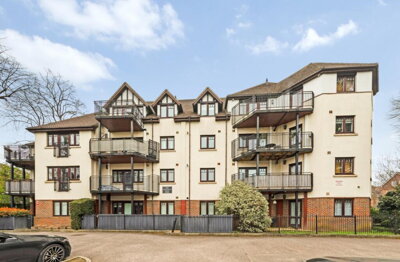
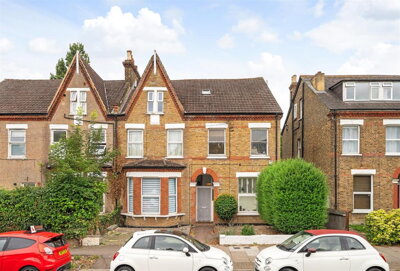
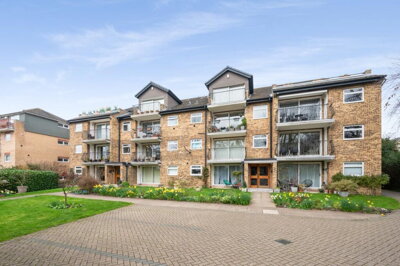
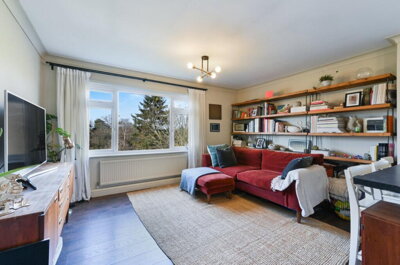
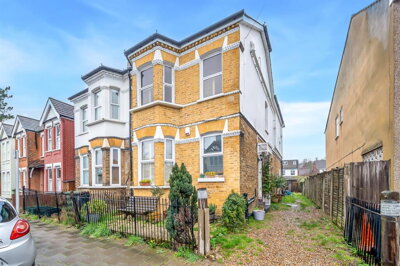
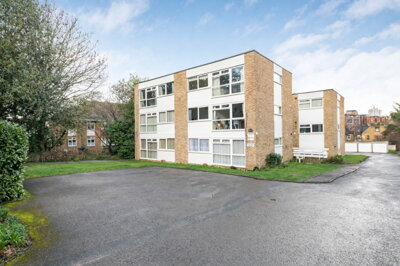
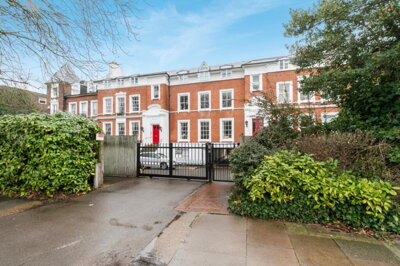
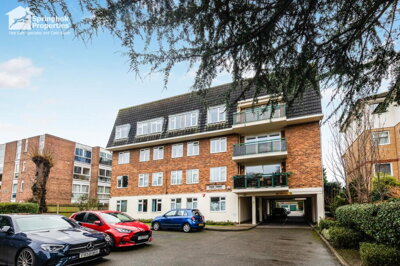
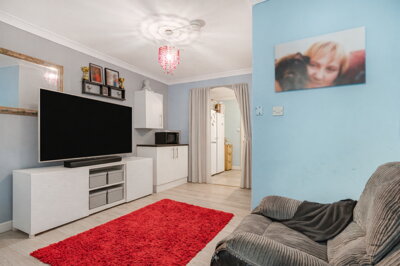
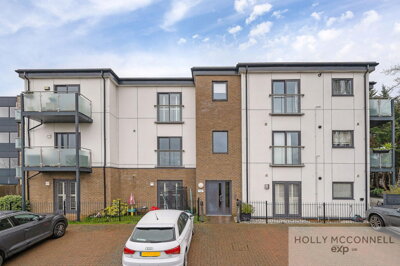
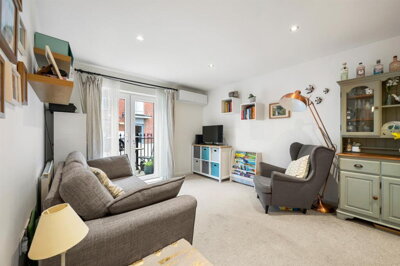
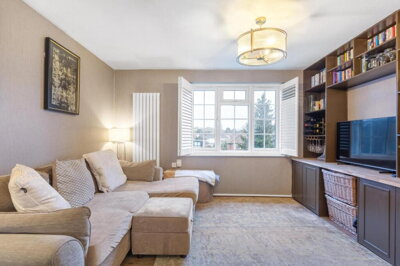
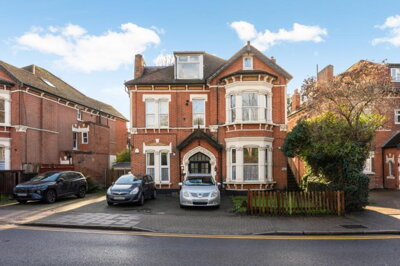
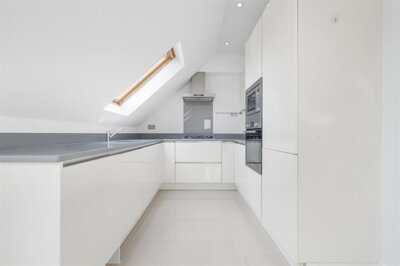
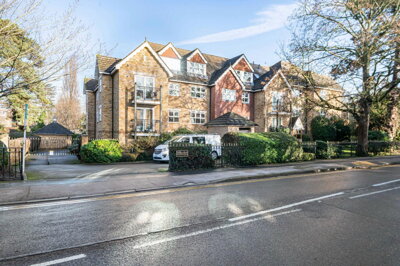
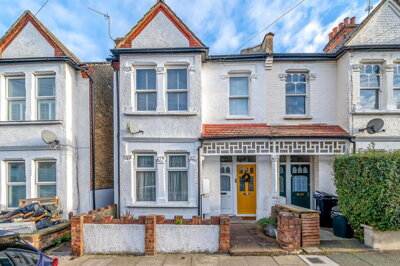
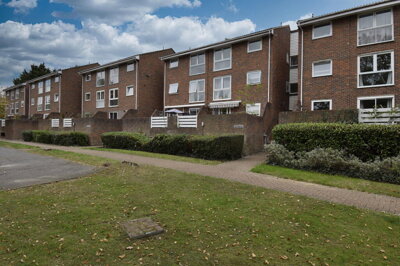
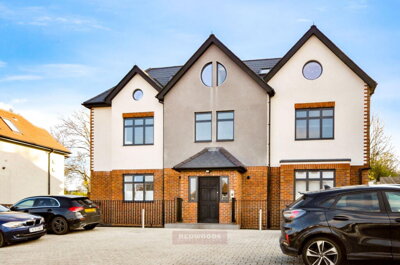
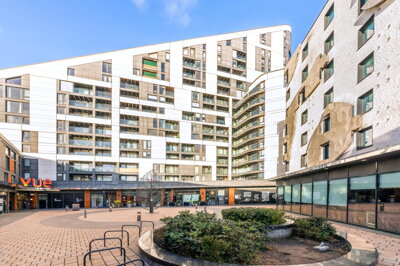
Browse 705 homes for sale in BR3 from local estate agents.
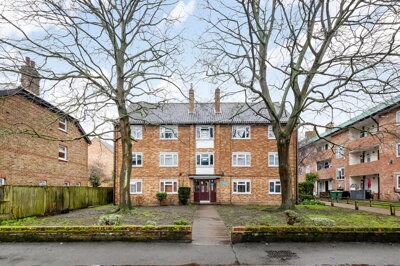
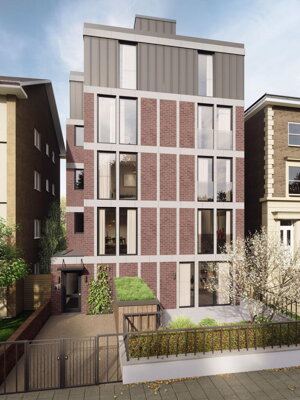
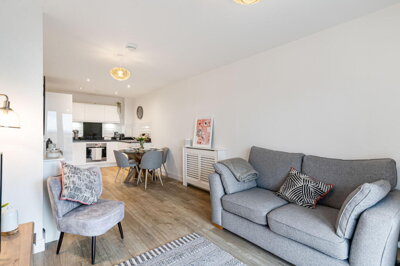
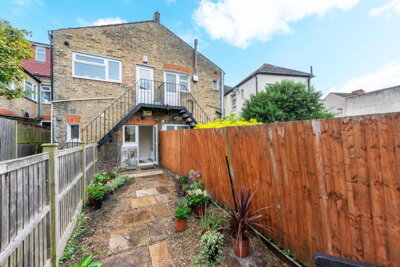
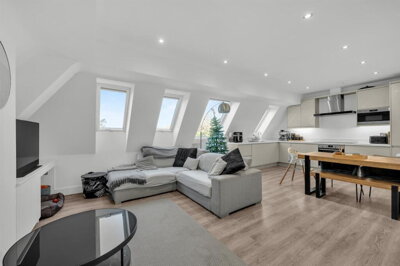
The 2 bed flat sector typically includes two separate bedrooms, dedicated living areas, and bathroom facilities. Properties in BR3 span purpose-built blocks, converted period houses, and modern apartment complexes on various floors.
£393k
44
0
112
Source: home.co.uk
Showing 44 results for 2 Bedroom Flats for sale in BR3. The median asking price is £392,500.
Source: home.co.uk
Flat
44 listings
Avg £401,579
Source: home.co.uk
Source: home.co.uk
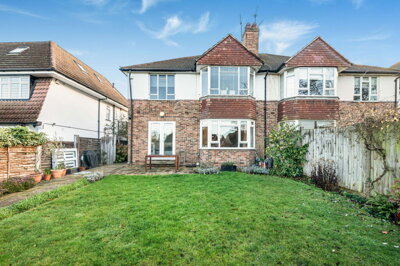
The BR4 property market presents a varied landscape of housing types, with semi-detached properties forming the backbone of the local housing stock. Currently, our listings show 39 semi-detached homes available, alongside 35 apartments, 16 terraced properties, and 13 detached houses. This mix reflects the predominantly 1930s character of the area, where these classic family homes continue to dominate the streetscapes and remain highly sought after by buyers looking for period charm combined with modern conveniences. The average price for a semi-detached home in BR4 stands at £722,156, while those seeking more space will find detached properties averaging £888,571.
Price trends across the BR4 postcode have shown resilience despite broader market fluctuations. Overall sold prices increased by 3% in the last twelve months, though performance varies between sub-districts. BR4 9 experienced stronger growth at 4.2%, reflecting continued demand in the most desirable pockets of West Wickham. In contrast, BR4 0 saw more modest movement with prices easing by 1.4%. The area achieved its previous price peak in 2022 at £656,453, and current values sit slightly above this level at approximately £648,585, suggesting a stable market that rewards long-term investment rather than speculative gains.
Transaction volumes provide additional insight into market activity within BR4. During the past 24 months, BR4 9 recorded 226 property sales while BR4 0 saw 186 sales, indicating reasonable turnover in both sub-districts despite the broader slowdown affecting parts of the London market. The wider Bromley postcode area experienced an 11.9% drop in transactions over the last twelve months with 499 fewer sales, yet West Wickham has maintained relative stability, underscoring the suburb's appeal to buyers seeking a established community with proven demand.

West Wickham embodies the appeal of suburban London living at its finest, offering residents a welcoming community atmosphere with all the conveniences one would expect from a well-established residential area. The suburb traces its roots to the 1930s era of expansion when London grew outwards along the railway lines, and many of the characteristic semis and terraced houses from this period still define the neighbourhood's appearance today. Walking along the residential streets, you will encounter tree-lined avenues, generous gardens, and a mix of architectural styles that give the area its distinctive character and enduring appeal to families who appreciate space and privacy.
The local economy benefits significantly from its commuter connections, with many residents working in central London, Canary Wharf, or the broader financial district. This commuter demand has historically supported property values and continues to attract professionals who appreciate the ability to reach the City in under 40 minutes by train. The suburb also serves local employment, with healthcare facilities, retail centres, and educational institutions providing job opportunities for residents who prefer to work closer to home. The presence of established businesses along the high street contributes to a vibrant local economy that supports the community feel of the area.
Community life in West Wickham centres around the high street, which offers an excellent selection of restaurants, boutique shops, and specialist stores catering to everyday needs and leisurely browsing alike. Weekend markets and local events bring residents together, fostering the strong neighbourly spirit that distinguishes West Wickham from more anonymous urban environments. The suburb also benefits from proximity to several parks and open spaces, including playing fields and nature reserves, providing ample opportunities for outdoor recreation and family activities without requiring lengthy journeys into the countryside.
The area also features properties of historical significance that add unexpected character to the neighbourhood. Among the more unusual listings in BR4, a Grade II listed home dating from the 17th Century has appeared on the market, offering buyers the opportunity to own a piece of local history. Such heritage properties are rare in suburban London and appeal to buyers seeking character features that cannot be replicated in modern construction. However, listed buildings carry additional responsibilities including planning restrictions on alterations and maintenance obligations that differ from standard residential properties.
Families considering a move to West Wickham will find a good selection of educational establishments serving the local community at all levels. Primary education is well-represented with several local schools serving the immediate area, many of which have established reputations for academic achievement and strong pastoral care. The borough of Bromley has historically performed well in educational rankings across London, and West Wickham benefits from this borough-wide commitment to schooling. Parents should research specific catchment areas and admission criteria when considering properties, as demand for popular schools can be competitive in this desirable suburb.
Secondary education in the area includes options both within West Wickham itself and in neighbouring districts, with several schools accessible via short bus journeys or walks. The selection process for secondary schools in London means that families should carefully consider how school admissions work when choosing where to buy, as catchment areas can influence placement chances significantly. West Wickham falls within the admissions catchment for several well-regarded secondary schools in the Bromley area, though parents should verify current arrangements as school policies can change between academic years.
Sixth form provision in the broader Bromley area offers diverse A-level programmes for students continuing their education beyond GCSE, while further education colleges in the borough provide vocational pathways and professional qualifications for school leavers and adult learners alike. Several highly-rated independent schools operate in the surrounding area, providing additional options for families seeking alternatives to the state system. These include schools with particular specialisms in arts, sciences, and classical education, allowing parents to match their children's educational needs with appropriate provision.
For families seeking alternative educational approaches, West Wickham and the surrounding Bromley area offer various options including faith schools, independent schools, and institutions specialising in particular educational philosophies. The presence of these alternatives adds to the overall attractiveness of the area for families at all stages, from those with toddlers approaching nursery age to parents planning for their children's secondary education years. Property values in the catchment areas of highly-rated schools often command premiums, reflecting the value that parents place on securing places at preferred establishments.
West Wickham railway station serves as the primary public transport link for the suburb, providing direct services to London Victoria and London Cannon Street via connections at Bromley South. Journey times to central London terminals typically range from 30 to 40 minutes, making West Wickham particularly attractive to commuters who work in the City, Westminster, or the wider financial district. The station sits in Zone 5 of the Transport for London network, and Oyster cards are accepted for travel, providing flexibility for residents who use a combination of rail and underground services throughout their commute.
Beyond the railway network, bus services connect West Wickham to surrounding areas including Bromley town centre, Crystal Palace, and Lewisham, providing alternatives for local journeys and connections to the wider London bus network. For those who prefer to drive, the A232 provides access to the South Circular Road and to major trunk routes including the M25 orbital motorway. This road network connects West Wickham to Gatwick Airport, the Kent coast, and other destinations beyond greater London, supporting both daily commutes and weekend excursions.
Cycling infrastructure has improved in recent years, with dedicated cycle routes connecting West Wickham to neighbouring areas and encouraging sustainable commuting for shorter journeys. For international travel, Gatwick Airport is accessible via the M23 motorway in approximately 30 minutes by car, while Heathrow can be reached via the M4 and M25 in roughly an hour during off-peak periods. The excellent transport connections combined with the suburban character of West Wickham make it an ideal base for professionals who need to travel regularly for work while maintaining a comfortable family home life.

Before beginning your property search in West Wickham, obtain a mortgage agreement in principle from a lender. This document confirms how much you can borrow and strengthens your position when making offers on properties in this competitive market.
Explore different neighbourhoods within BR4, from the streets near the station to quieter residential areas further from the railway. Consider proximity to schools, parks, and local amenities that matter most to your household. The BR4 9 and BR4 0 sub-districts offer subtly different atmospheres, with areas closer to the station commanding premium prices due to commute convenience.
Schedule viewings of properties that match your requirements, paying attention to the 1930s construction characteristics common in West Wickham. A RICS Level 2 survey is particularly valuable for these properties to identify any maintenance issues common to interwar construction.
Once you find your ideal home, submit an offer through the estate agent. In West Wickham's active market, be prepared to negotiate on price and terms, particularly for popular property types like semi-detached family homes.
Choose a conveyancing solicitor to handle the legal aspects of your purchase. They will conduct searches, raise enquiries, and manage the contract process on your behalf through to completion.
Finalise your mortgage, complete all surveys and searches, and arrange your removal logistics. On completion day, collect your keys and begin your new life in West Wickham.
The majority of residential properties in BR4 were constructed during the 1930s interwar period, when mass building techniques combined traditional craftsmanship with emerging efficiency standards. These classic homes typically feature brick external walls with cavity construction, providing good thermal performance and weather resistance that has served residents well for nearly a century. Many properties incorporate rendered or pebbledash finishes on front elevations, a popular aesthetic choice of the era that requires occasional maintenance to prevent water penetration and surface deterioration.
Roof construction in 1930s West Wickham properties typically uses traditional cut timber rafters with concrete or clay tile coverings. These pitched roofs generally offer good longevity but may show signs of wear after many decades of weather exposure. Tiles can become cracked or displaced over time, and the felt underlayer beneath tiles may deteriorate, leading to occasional leaks that require attention during routine property maintenance. Prospective buyers should always check the condition of roof coverings and look for any evidence of previous repairs or water staining in ceiling voids.
Internal construction in interwar semis and terraces commonly features solid timber floors at ground level with suspended timber boarding on upper floors. These traditional floor structures can exhibit some movement over time and may show squeaking or springiness in heavily trafficked areas. Original plasterwork on walls and ceilings throughout West Wickham's older properties generally consists of lime-based plaster applied directly to brick or timber laths, a breathable construction that handles moisture fluctuations well when maintained correctly. Modern renovation work may have replaced sections with gypsum-based products, and understanding the condition of original plaster can inform both purchase decisions and renovation budgets.
Electrical systems in West Wickham's 1930s properties frequently require attention when purchasing period homes. Original wiring from this era was designed for much lower electrical loads than modern households demand, and many properties still contain fabric-covered cables that have degraded over decades of service. Rewiring projects can be disruptive and expensive, requiring chasing into walls and ceiling voids, but they represent an essential safety upgrade that protects your family and property. A thorough electrical inspection should form part of any purchase survey for older properties in the BR4 area.
Damp-related issues represent another common concern in West Wickham's older housing stock. Rising damp can affect properties without effective damp-proof courses, while penetrating damp may occur where pointing has deteriorated or where rendering has been damaged by settlement or impact. Interwar properties with solid walls are particularly susceptible to condensation issues when modern living patterns introduce significant moisture into spaces designed for lighter occupancy. Surveyors frequently identify damp as an area requiring attention in these properties, though effective remedies exist for most presentations when applied correctly.
Original fireplaces in West Wickham's 1930s homes often remain as decorative features even where they are no longer operational. Chimney stacks should be inspected for stability and any signs of water penetration, as failures in stack pointing or lead flashing can lead to water ingress affecting ceiling joists and bedroom spaces. Some properties may have had fireplaces blocked or removed, and these chimney breasts should be assessed to ensure adequate ventilation to prevent condensation and timber decay occurring within the void. Original ironwork, including fireplace surrounds and decorative grates, often represents valuable period detail that adds character and value to period properties.
The prevalence of 1930s construction in West Wickham means that prospective buyers should pay particular attention to the condition of original features when viewing properties. These classic interwar homes often feature characteristic details such as bay windows, original fireplaces, and period ironwork that contribute to their charm but may require ongoing maintenance. Electrical systems in properties of this age often need updating to meet modern standards, and buyers should budget for potential re-wiring if purchasing an older property that has not already undergone this work.
Ground conditions in parts of south-east England, including the Bromley area, involve clay soils that can pose shrink-swell risks during periods of drought or heavy rainfall. While no specific ground stability issues were identified for BR4 during our research, buyers purchasing older properties should commission appropriate surveys to identify any potential concerns before committing to a purchase. A RICS Level 2 survey provides a thorough assessment of the property's condition and can highlight any structural issues or maintenance requirements that might affect your decision.
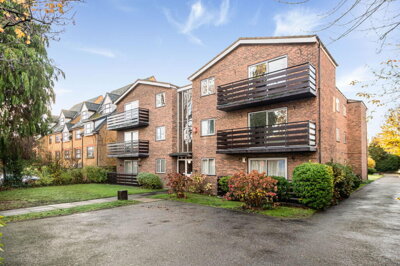
The flat market in BR4 includes both purpose-built apartments from various eras and maisonettes often found within the 1930s housing stock. Buyers considering flats should carefully review lease terms, including remaining lease length, ground rent arrangements, and any service charges that apply. Service charges can vary significantly between developments, and understanding these ongoing costs is essential for budgeting accurately. Some properties in the area may also fall within conservation areas or include listed buildings, which carry planning restrictions and maintenance obligations that differ from standard residential properties.
New build activity within BR4 has been limited compared to neighbouring postcodes, with the wider Bromley area recording only 64 newly built property sales during 2025. The majority of new homes in the broader postcode area have been concentrated in BR3 3, suggesting that West Wickham buyers seeking brand new properties may need to look beyond the immediate area. However, a recent gated development completed in 2020 offered shared ownership options in BR4, demonstrating that some new build opportunities do arise within the postcode despite the predominantly established character of the area.
Understanding the full costs of purchasing property in West Wickham extends beyond the advertised sale price to include various taxes and fees that every buyer must account for. Stamp Duty Land Tax (SDLT) represents a significant additional cost, with standard rates currently set at 0% for the first £250,000 of purchase price, rising to 5% on amounts between £250,001 and £925,000. For a typical BR4 property priced at the area average of £648,585, a standard buyer would pay SDLT of approximately £19,929 on the portion above £250,000.
First-time buyers benefit from increased thresholds that can substantially reduce their SDLT liability. The first-time buyer relief applies 0% duty on the first £425,000 of purchase price, with 5% charged between £425,001 and £625,000. This means a first-time buyer purchasing a property at the BR4 average price of £648,585 would pay approximately £11,179 in SDLT, representing a meaningful saving compared to standard rates. Properties priced above £625,000 do not receive first-time buyer relief on the amount exceeding this threshold.
Beyond SDLT, buyers should budget for solicitor conveyancing costs typically ranging from £500 to £2,000 depending on complexity and property value. Survey costs for a RICS Level 2 homebuyer report generally start from around £350 for smaller properties, rising for larger homes or those requiring more detailed assessment. Mortgage arrangement fees vary between lenders but often range from £500 to £2,000, while valuation fees typically cost £200 to £500 depending on property value. Removal companies, mortgage broker fees, and potential renovation costs complete the picture of total purchase expenditure that buyers should plan for when setting their budget.
The average house price in BR4 is currently £648,585 according to Rightmove data, with Zoopla reporting similar figures at £658,386 for the wider postcode area. Property prices have increased by approximately 3% over the past twelve months, demonstrating continued demand in this suburban market. Different property types command varying prices, with detached homes averaging £888,571, semi-detached properties at £722,156, terraced houses around £656,612, and flats at approximately £269,693.
Properties in the West Wickham (BR4) area fall under the London Borough of Bromley council tax scheme. Council tax bands range from A through to H, with the specific band determined by the valuation band assigned to each property. Most residential properties in the area attract bands between B and E, though individual circumstances vary. Prospective buyers should check the specific banding for any property they are considering through the Valuation Office Agency website or their solicitor during conveyancing.
West Wickham and the surrounding Bromley area offer several well-regarded primary and secondary schools serving local families. The borough has historically performed above London averages in educational outcomes, and specific school performance data is available through Ofsted's website and the Department for Education's performance tables. Parents should research admission criteria and catchment areas, as these can significantly influence placement chances at popular schools. The broader area also includes independent school options for families seeking alternative educational pathways.
West Wickham railway station provides direct services to London Victoria and London Cannon Street via connections at Bromley South, with typical journey times to central London taking 30 to 40 minutes. The station operates within Transport for London's Zone 5, accepting Oyster cards and contactless payment for travel. Bus services connect the suburb to Bromley town centre, Crystal Palace, and Lewisham, while the A232 road provides access to the South Circular and onward connections to the M25 motorway.
West Wickham has historically demonstrated stable property values with consistent demand from buyers seeking suburban London homes. The area's 3% price growth over twelve months reflects steady rather than spectacular returns, making it suitable for purchasers prioritising long-term security over rapid appreciation. Transaction volumes in BR4 9 (226 sales) and BR4 0 (186 sales) over 24 months indicate healthy market activity, while the wider Bromley area's resilience during previous market downturns suggests relative stability compared to some more speculative locations. Strong commuter links to London support rental demand, though investor returns will depend on specific property type, condition, and management arrangements.
Standard SDLT rates for 2024-25 apply no extra supplement for BR4 as it is not in a special surcharge zone. Buyers pay 0% on the first £250,000 of purchase price, 5% on the portion between £250,001 and £925,000, 10% up to £1.5 million, and 12% on any amount above that. For the average BR4 property priced at £648,585, standard buyers would pay approximately £19,929 in SDLT. First-time buyers benefit from relief on the first £425,000, paying 5% between £425,001 and £625,000 with no relief above £625,000. Your solicitor will calculate the exact amount due based on your circumstances and purchase price.
New build activity in BR4 has been limited compared to neighbouring postcodes, with the wider Bromley area recording only 64 newly built property sales during 2025, most of which occurred in BR3 3 rather than West Wickham itself. Occasionally, individual new build apartments appear on the market, including recent gated developments offering shared ownership options, but buyers seeking brand new properties may need to broaden their search to surrounding postcodes. The predominantly interwar character of West Wickham means that most available properties are established homes rather than new constructions.
1930s properties in West Wickham commonly feature original features that may require attention including electrical wiring that likely needs updating, original plaster that may show signs of damp or damage, and timber elements such as floors and window frames that may have experienced wear over their near-century lifespan. Roof conditions should be inspected carefully, as tile coverings and pointing on chimney stacks often show deterioration after many decades of weather exposure. A thorough RICS Level 2 survey is particularly valuable for these period properties, highlighting any maintenance requirements before you commit to purchase.
Properties for Sale In London

Properties for Sale In Plymouth

Properties for Sale In Liverpool

Properties for Sale In Glasgow

Properties for Sale In Sheffield

Properties for Sale In Edinburgh

Properties for Sale In Coventry

Properties for Sale In Bradford

Properties for Sale In Manchester

Properties for Sale In Birmingham

Properties for Sale In Bristol

Properties for Sale In Oxford

Properties for Sale In Leicester

Properties for Sale In Newcastle

Properties for Sale In Leeds

Properties for Sale In Southampton

Properties for Sale In Cardiff

Properties for Sale In Nottingham

Properties for Sale In Norwich

Properties for Sale In Brighton

Properties for Sale In Derby

Properties for Sale In Portsmouth

Properties for Sale In Northampton

Properties for Sale In Milton Keynes

Properties for Sale In Bournemouth

Properties for Sale In Bolton

Properties for Sale In Swansea

Properties for Sale In Swindon

Properties for Sale In Peterborough

Properties for Sale In Wolverhampton

Enter your details to see if this property is within your budget.
Loans, cards, car finance
Estimated property budget
Borrowing + deposit
You could borrow between
Typical borrowing
Monthly repayment
Est. at 4.5%
Loan-to-value
This is an estimate only. Your actual budget may vary depending on interest rates, credit history, and personal circumstances. For an accurate affordability assessment, speak to one of our free mortgage advisors.
This calculator provides estimates for illustrative purposes only and does not constitute financial advice. Your home may be repossessed if you do not keep up repayments on your mortgage. Estimates based on 4.5% interest rate, repayment mortgage. Actual rates depend on your circumstances.
Homemove is a trading name of HM Haus Group Ltd (Company No. 13873779, registered in England & Wales). Homemove Mortgages Ltd (Company No. 15947693) is an Appointed Representative of TMG Direct Limited, trading as TMG Mortgage Network, which is authorised and regulated by the Financial Conduct Authority (FRN 786245). Homemove Mortgages Ltd is entered on the FCA Register as an Appointed Representative (FRN 1022429). You can check registrations at NewRegister or by calling 0800 111 6768.

We use cookies to show you personalised content and improve your experience of our website. Find out more in our Privacy policy and Cookie policy.