Powered by Home

Properties For Sale in Barforth, County Durham

Browse 29 homes for sale in Barforth, County Durham from local estate agents.

29 listings Barforth, County Durham Updated daily

Barforth, County Durham Market Snapshot

Median Price

£1.10M

Total Listings

4

New This Week

0

Avg Days Listed

194

Source: home.co.uk

Price Distribution in Barforth, County Durham

Under £100k
1
£750k-£1M
1
£1M+
2

Source: home.co.uk

Property Types in Barforth, County Durham

50%
25%
25%

Detached

2 listings

Avg £1.80M

Lodge

1 listings

Avg £99,000

farm-house

1 listings

Avg £895,000

Source: home.co.uk

Bedrooms Available in Barforth, County Durham

2 beds 1
£99,000
7 beds 1
£1.30M
8 beds 1
£2.30M

Source: home.co.uk

The Property Market in Barforth

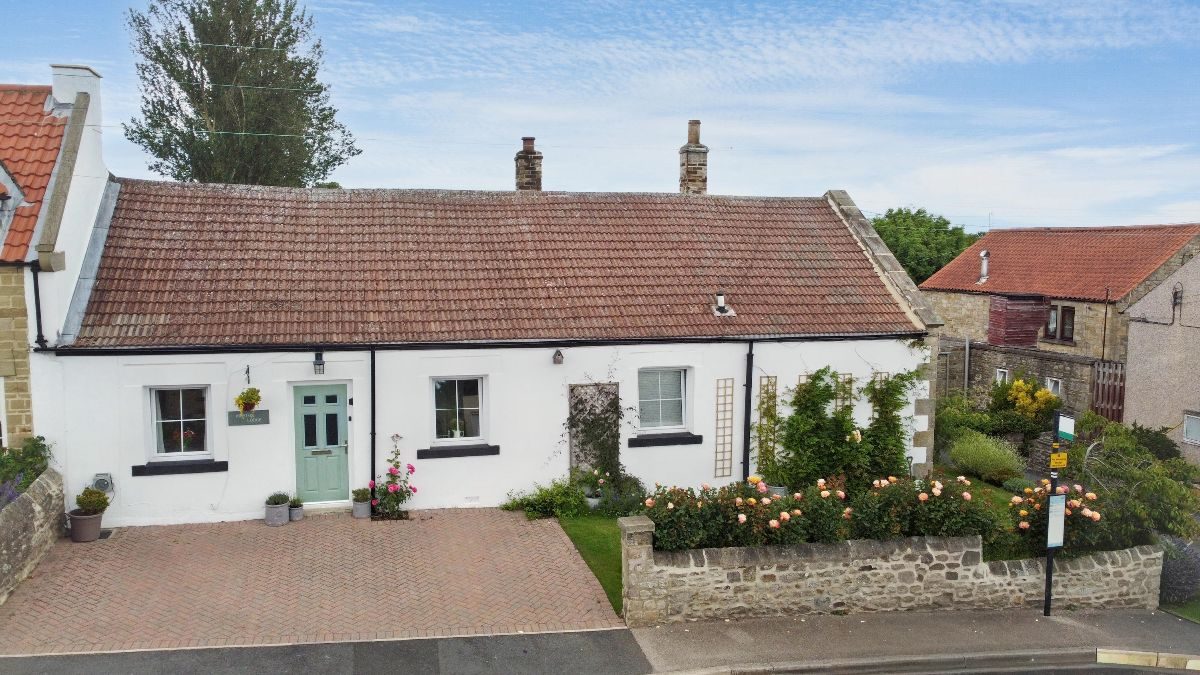
The property market in Barforth reflects its status as an exceptional rural location within County Durham, where demand consistently outstrips supply due to the limited number of homes available. Properties in this hamlet and the surrounding DL2 postcode area typically include traditional stone-built cottages, farmhouses, and detached family homes that date predominantly from the 18th and 19th centuries, with some properties tracing their origins back to earlier periods. The architectural character of the area is defined by Georgian terraces, coursed rubble construction, and ashlar detailing, reflecting the craftsmanship of builders who constructed these enduring homes over two centuries ago.

Due to the hamlet's minuscule size and protected heritage status, new build development within Barforth itself remains virtually non-existent, which preserves the character of existing properties and maintains the area's exclusive appeal. Properties near the River Tees may command premium prices due to their scenic positioning and river views, whilst homes within easy walking distance of Gainford benefit from access to village amenities and the area's excellent transport connections. The broader DL2 postcode area encompassing Barnard Castle, Gainford, and surrounding villages has seen steady price appreciation in recent years as buyers increasingly recognise the value of rural living with urban accessibility.

Homes for sale in Barforth

Living in Barforth

Life in Barforth revolves around the rhythms of the English countryside, where the community maintains strong ties to agricultural traditions and local heritage that span centuries. The hamlet's proximity to the River Tees provides residents with beautiful riverside walks, excellent fishing opportunities, and a constantly changing landscape as the seasons transform the valley. The nearby village of Gainford serves as the local service centre, offering a primary school, village store, traditional inn serving real ales, and regular community events that bring residents together throughout the year.

The Gainsford Conservation Area, designated in 1971 and covering 22 hectares, encompasses 34 listed buildings including the impressive St Mary's Church and Gainford Hall, both Grade I listed, demonstrating the architectural significance of this corner of County Durham. The demographic profile of the Barforth area reflects a stable rural community with a mix of long-term residents, families attracted by the excellent quality of life, and those seeking peaceful retirement locations away from urban pressures.

Local cultural attractions include the ruins of St Lawrence's Chapel and a medieval stone dovecote, both scheduled monuments linked to the abandoned medieval village of Old Richmond, which provide fascinating insights into the area's medieval past. Community spirit thrives in the surrounding villages, where events such as harvest festivals, village fetes, and seasonal celebrations maintain the social fabric that makes rural Teesdale such a rewarding place to call home.

Find properties for sale in Barforth

Schools and Education in Barforth

Education provision for Barforth residents centres on Gainford Church of England Primary School, a well-regarded village school that serves the local community with education for children from reception through to Year 6. This primary school benefits from its location within the conservation area of Gainford, allowing children to learn in surroundings enriched by historical architecture and proximity to heritage sites that provide excellent opportunities for curriculum enrichment. For secondary education, students typically travel to schools in Darlington or Barnard Castle, both of which offer comprehensive secondary education with a range of GCSE and A-Level courses, sixth form provision, and specialist facilities for arts, sciences, and sports.

The wider Teesdale area provides additional educational options including state schools, academies, and faith schools serving communities throughout County Durham. For families prioritising academic excellence, the Grammar School system in Darlington offers selective education at secondary level, with students travelling from the Barforth area to access these facilities. Further education and higher education opportunities are readily available in Darlington, where colleges provide vocational courses, apprenticeships, and university-level programmes across a comprehensive range of subjects, ensuring that residents of all ages can access quality educational provision without needing to travel significant distances from their rural homes.

Property search in Barforth

Transport and Commuting from Barforth

Transport connectivity from Barforth combines the charm of rural lanes with the convenience of major transport routes that connect the Teesdale area to the wider North East and beyond. The A67 runs through nearby Gainford, providing direct access to Darlington approximately 8 miles to the north and Barnard Castle approximately 7 miles to the west, linking residents to comprehensive retail, healthcare, and employment opportunities in these larger towns. The A1(M) motorway is accessible via Darlington, offering swift connections north to Newcastle upon Tyne and south to York, Leeds, and the broader national motorway network, making Barforth surprisingly well-connected for a hamlet of its diminutive size.

Public transport options include bus services connecting Gainford and surrounding villages to Darlington, Barnard Castle, and intermediate settlements, providing essential connectivity for those without private vehicles. Darlington railway station serves the East Coast Main Line with regular services to London King's Cross, Edinburgh, Newcastle, York, and Leeds, positioning Barforth within comfortable reach of major economic hubs and international transport links. For air travel, Newcastle International Airport and Durham Tees Valley Airport both offer domestic and international flights within approximately one hour's drive, while the Port of Middlesbrough provides ferry connections for those considering continental travel or freight requirements.

Buy property in Barforth

How to Buy a Home in Barforth

1

Research the Area

Spend time exploring Barforth and Gainford to understand the local property market, visit properties during different times of day, and speak with residents about the community lifestyle, local amenities, and any considerations for property ownership in this rural hamlet.

2

Arrange Mortgage Financing

Contact mortgage brokers to discuss your financial position and obtain an agreement in principle before beginning property viewings, as this demonstrates your seriousness as a buyer and strengthens your position when making offers on desirable rural properties.

3

View Properties

Arrange viewings of suitable properties through Homemove, attend open viewings where available, and take detailed notes on property condition, asking about construction materials, recent renovations, and any work undertaken to maintain these historic properties.

4

Commission a Survey

Before completing your purchase, instruct a RICS Level 2 survey to assess the condition of the property, identify any structural issues common in older stone-built properties, and ensure you understand the full cost of ownership including any necessary repairs or maintenance work.

5

Instruct a Solicitor

Appoint a conveyancing solicitor to handle the legal aspects of your purchase, conduct searches with Durham County Council, check for planning constraints and rights of way, and manage the transfer of ownership documentation.

6

Exchange and Complete

Once all searches are satisfactory and legal documentation is complete, exchange contracts with the vendor and pay your deposit, then arrange for final completion where you will receive the keys to your new Barforth home.

What to Look for When Buying in Barforth

Properties in Barforth typically feature traditional stone construction dating from the Georgian and Victorian periods, which brings specific considerations that prospective buyers must evaluate carefully before committing to a purchase. The predominant building materials include coursed rubble, ashlar dressings, and traditional lime mortar pointing, all of which require appropriate maintenance to ensure long-term structural integrity and weather resistance. Older stone properties may show signs of wear that reflect their age, including settlement cracks, weathered pointing, and original features such as sash windows, flagstone floors, and exposed beam ceilings that form part of their authentic character.

Properties near the River Tees should be assessed for flood risk, as the river's proximity means some locations may be susceptible to river flooding during periods of extreme weather or sustained rainfall. We recommend prospective buyers consult GOV.UK flood risk maps for Barforth properties and review the flood history of any specific location before purchasing. Heritage designations including listed building status, conservation area constraints, and scheduled monument protections affect what alterations and extensions owners may undertake, requiring planning consent from Durham County Council for significant changes to the external appearance or structure of historic properties.

County Durham's mining heritage means that a mining search should be conducted for any property purchase, as historical coal mining activity may have created underground voids that could affect surface stability or require specialist insurance considerations. Properties with large gardens or land holdings should be assessed for boundary maintenance responsibilities, access rights for neighbouring properties, and any agricultural restrictions that may affect future use of the land. Energy efficiency assessments are particularly relevant for older properties, as traditional stone buildings with single-glazed windows and solid walls may have higher heating costs than modern construction, though retrofitting options exist to improve thermal performance whilst preserving character.

Home buying guide for Barforth

Common Defects in Barforth Properties

Our inspectors frequently identify several recurring issues when surveying traditional stone properties in the Barforth area, and understanding these common defects helps buyers budget for necessary repairs and maintenance. Rising damp is particularly prevalent in older properties with solid walls, where the lack of a damp-proof course allows groundwater to travel up through the masonry, manifesting as tide marks on walls, peeling plaster, and musty odours that affect indoor air quality and can damage decorative timbers and furnishings.

Penetration damp affects many traditional stone buildings during periods of heavy rainfall, especially where original lime mortar pointing has deteriorated or where rendering has failed. This type of damp typically appears as staining on internal walls, particularly below windows, around chimneys, and at roof eaves, indicating that water is finding paths through the building fabric. Roof conditions in older properties often require careful inspection, as slipped or broken slates, deteriorated felt underlays, and corroded flashings are regularly encountered by surveyors inspecting Georgian and Victorian properties in the Teesdale area.

Timber defects represent another significant category of issues identified in Barforth properties, with woodworm affecting floor joists, roof timbers, and structural beams in properties where original softwood or oak has been in place for many decades. Wet and dry rot can develop where timber has become persistently damp, often in locations with poor ventilation such as under-floor voids, behind skirting boards, or within roof voids. Properties with original cast iron or galvanised steel plumbing may have accumulated internal corrosion over many years, whilst electrical installations dating from earlier periods often fall well below current standards and require complete rewiring before the property can be considered safe for modern use.

Frequently Asked Questions About Buying in Barforth

What is the average house price in Barforth?

Specific property price data for Barforth hamlet itself is limited due to its very small size and infrequent property transactions. The broader DL2 postcode area, which encompasses Barforth and surrounding villages including Gainford and Barnard Castle, provides indicative context for the local market. Properties in this area typically range from traditional stone cottages priced around £200,000 to larger detached homes and farmhouses commanding prices of £400,000 or more, depending on position, condition, and land holdings. The historic nature of properties in Barforth, combined with the area's conservation status and limited supply, tends to support prices at the upper end of regional comparisons, making the hamlet an premium rural location within County Durham.

What council tax band are properties in Barforth?

Properties in Barforth fall under Durham County Council's jurisdiction for council tax purposes. Council tax bands are assigned based on property valuation as of April 1991, with individual bands available through the Durham County Council valuation service or the gov.uk council tax band checker. Traditional stone cottages and smaller period properties typically fall within bands A through D, whilst larger detached homes, farmhouses, or properties with significant land may be assigned higher bands. Prospective buyers should verify the specific council tax band for any property they are considering, as this forms part of the ongoing costs of ownership alongside utilities, maintenance, and insurance.

What are the best schools in the Barforth area?

Gainford Church of England Primary School serves as the nearest primary school, providing education for children from reception age through to Year 6 with a curriculum enriched by the village's conservation area setting and proximity to heritage sites. Secondary education options include schools in Darlington and Barnard Castle, with grammar school provision available in Darlington for academically selected students. Parents should verify current Ofsted ratings and catchment area boundaries, as these can affect school placement eligibility for specific addresses.

How well connected is Barforth by public transport?

Barforth and the nearby village of Gainford are served by local bus routes providing connections to Darlington, Barnard Castle, and intermediate settlements, though service frequency may be limited compared to urban areas, making private vehicle ownership practical for most residents. Darlington railway station, approximately 8 miles from Barforth, provides access to East Coast Main Line services with direct trains to London, Edinburgh, Newcastle, York, and Leeds, positioning the hamlet within comfortable reach of major economic centres. The A67 road through Gainford connects to the A1(M) motorway network, while Durham Tees Valley Airport and Newcastle International Airport offer domestic and international flights within approximately one hour's drive for those requiring air travel connections.

Is Barforth a good place to invest in property?

Property investment in Barforth appeals to buyers seeking lifestyle investments, rural retreats, or long-term holds in a location where supply remains extremely limited and demand from buyers seeking authentic rural living continues to grow. The heritage status of the area, combined with the absence of new development, suggests that the character and value of existing properties will be preserved over time, while rental demand may exist from professionals working in Darlington or Barnard Castle who prefer countryside living to urban accommodation. Properties requiring renovation may offer value opportunities for investors with appropriate budgets, though listed building requirements and conservation area restrictions affect what alterations are permissible. As with any property investment, prospective buyers should consider holding costs, potential void periods, and the specific rental market dynamics of the Teesdale area before committing to purchase.

What stamp duty will I pay on a property in Barforth?

Stamp Duty Land Tax (SDLT) rates for residential property purchases in England from October 2024 start at zero for the first £250,000 of purchase price, rising to 5% on the portion between £250,001 and £925,000, 10% between £925,001 and £1.5 million, and 12% on any amount exceeding £1.5 million. First-time buyers purchasing properties up to £625,000 may qualify for relief, paying zero duty on the first £425,000 and 5% on the amount between £425,001 and £625,000, provided all purchasers are first-time buyers and the property will be their primary residence. Most properties in Barforth, priced between £200,000 and £500,000, would attract SDLT charges at the standard rates unless first-time buyer relief applies, making the total purchase cost approximately £10,000 to £22,500 above the listed property price.

Do I need a survey for a property in Barforth?

We strongly recommend commissioning a RICS Level 2 survey before completing any property purchase in Barforth, as the majority of properties are pre-1919 traditional stone constructions where defects are frequently encountered by surveyors. A typical RICS Level 2 survey costs between £380 and £629 depending on property value and size, with higher-value properties commanding higher inspection fees due to the increased professional liability involved. For older stone-built properties, a more detailed RICS Level 3 building survey may be advisable, as the construction methods and potential defect patterns in Georgian and Victorian buildings often require more comprehensive analysis than a standard Level 2 inspection provides.

Stamp Duty and Buying Costs in Barforth

Understanding the full costs of purchasing property in Barforth extends beyond the advertised asking price to encompass government taxes, professional fees, and ongoing ownership expenses that together form the complete investment required. Stamp Duty Land Tax currently applies at zero percent on residential property purchases up to £250,000, with rates rising through bands of 5%, 10%, and 12% for higher value properties, meaning that a typical Barforth cottage priced at £325,000 would attract SDLT of approximately £3,750, while a larger farmhouse at £550,000 would incur duties of approximately £17,500. First-time buyers may benefit from enhanced thresholds of £425,000 at zero percent and 5% up to £625,000, providing meaningful savings for those purchasing their first property in the area.

Professional fees for purchasing a Barforth property typically include solicitor conveyancing costs starting from approximately £499 for standard transactions, though complex purchases involving listed buildings, title complications, or extensive searches may incur higher charges. Survey costs for a RICS Level 2 HomeBuyer Report average between £380 and £629 depending on property value and size, with older stone-built properties often requiring more detailed inspection due to their construction and potential defects. Local search fees with Durham County Council typically range from £150 to £300, while mortgage arrangement fees, valuation fees, and broker charges may add further costs depending on the financing route chosen.

Ongoing costs following purchase include council tax payments to Durham County Council, building and contents insurance, utility bills, and maintenance reserves for the unpredictable repairs that aging rural properties often require. Properties with gardens, land, or outbuildings carry additional maintenance responsibilities including hedge cutting, tree management, and building upkeep that should be factored into annual ownership budgets. Utility costs for traditional stone properties with solid walls and period features may run higher than modern equivalents, though wood-burning stove installation and loft insulation improvements can significantly reduce heating expenditure whilst enhancing the character of these historic homes.

Property market in Barforth

Browse Homes for Sale Across the UK

Terms of use Privacy policy All rights reserved © homemove.com | Properties for Sale » England » Barforth, County Durham

Homemove is a trading name of HM Haus Group Ltd (Company No. 13873779, registered in England & Wales). Homemove Mortgages Ltd (Company No. 15947693) is an Appointed Representative of TMG Direct Limited, trading as TMG Mortgage Network, which is authorised and regulated by the Financial Conduct Authority (FRN 786245). Homemove Mortgages Ltd is entered on the FCA Register as an Appointed Representative (FRN 1022429). You can check registrations at NewRegister or by calling 0800 111 6768.