Powered by Home

Houses For Sale in Bampton

Browse 54 homes for sale in Bampton from local estate agents.

54 listings Bampton Updated daily

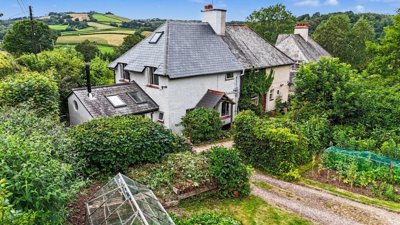
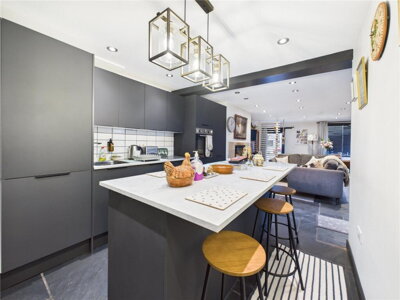
The Bampton property market offers detached, semi-detached, and terraced houses spanning various price ranges and neighbourhoods. Each listing includes detailed property information, photographs, and direct contact with the marketing agent.

The Property Market in Bampton, Mid Devon

The Bampton property market presents an interesting picture for prospective buyers, with prices reflecting both the village's rural charm and its proximity to larger employment centres. According to home.co.uk listings data, terraced properties in the area have recently sold for around £253,312, while semi-detached homes fetch approximately £240,000 to £443,000 depending on location and condition. Detached properties, which constitute around 64% of transactions in the EX16 9JA postcode area, command significantly higher prices, with averages ranging from £523,000 to £674,400. The variation in pricing across property types reflects the diverse housing stock available, from modest cottages to substantial period farmhouses.

Recent market activity in the EX16 9 postcode sector shows 87 property sales over a 24-month period, indicating healthy turnover despite the village's modest size. Price trends have shown some volatility, with home.co.uk recording movements of between -12% and +21% over recent years, though the overall trajectory suggests a market finding its level after the peaks of 2022 and 2023. The EX16 9JA postcode specifically has seen property prices rise by 0.8% over the past year, suggesting sustained buyer interest in this particular area. Property prices were around 14% down on the 2023 peak of £435,718, though this varies by property type and location within the village.

For buyers seeking new build opportunities, the School Close development by Zed Pods is bringing 18 zero-carbon social-rented homes to the village, while planning approvals exist for replacement dwellings on Old Tiverton Road including a large detached bungalow and an attractive two-storey house. These limited new developments underscore the constrained nature of the local housing market, where demand for character properties consistently outstrips supply. The nearby town of Tiverton offers additional new build options at developments including Empress Gardens and Blundell's Grange, though these fall outside Bampton itself.

Homes for sale in Bampton Mid Devon

Living in Bampton, Mid Devon

Bampton's character is unmistakably rooted in its rich history, with the village centre designated as a Conservation Area and dominated by centuries-old architecture that tells the story of Devon's agricultural past. The Grade I listed Church of St Michael & All Angels stands as the spiritual heart of the community, its 13th-century tower visible across the surrounding countryside and serving as a reminder of the village's importance throughout the centuries. Beyond the church, almost 100 listed buildings and objects dot the parish, including 86 Grade II listed buildings, 13 Grade II* listed buildings, numerous farmhouses dating from the 16th and 17th centuries, historic bridges spanning the River Batherm and River Exe (the distinctive Chain Bridge), and even a Grade II listed war memorial that honours local residents who served in conflict. Castle Grove, a retirement home dating from the early to mid-19th century with an 18th-century wing, represents another significant listed building in the village.

The village maintains a vibrant community atmosphere despite its modest size, with local amenities including independent shops, traditional pubs, and restaurants that attract visitors from the surrounding countryside. Historically, Bampton was known for its wool and pony trade, and quarrying of local stone, industries that shaped the village's distinctive architectural character. Parts of the former vicarage date from the mid-15th century, while the Exeter Inn was originally a farmhouse built in 1495, testament to the village's long history as a centre for trade and hospitality. Traditional buildings feature stone rubble walls, often whitewashed or stuccoed, topped with slate roofs, creating the quintessential Devon village aesthetic that continues to attract buyers seeking authentic rural living.

The surrounding landscape offers excellent walking and cycling opportunities, with the village serving as a gateway to the beautiful Mid Devon countryside. Cyclists will appreciate the quieter country lanes that criss-cross the surrounding area, though the hilly terrain typical of Devon requires a reasonable level of fitness. The B3277 provides access to nearby Tiverton approximately 7 miles away, while the wider county offers destinations including Dartmoor National Park to the south and the coastline to the east, making Bampton an excellent base for exploring everything Devon has to offer.

Find properties for sale in Bampton Mid Devon

Schools and Education in Bampton

Families considering a move to Bampton will find educational provision centred on the village's primary school, which serves the local community and surrounding countryside. The presence of a primary school within the village itself is a significant advantage for young families, eliminating the need for long school runs and allowing children to walk or cycle to lessons. Village primary schools often benefit from strong community ties and smaller class sizes, though parents should research individual Ofsted ratings and performance data when evaluating educational options. The village school also serves as a community hub, hosting events and activities that bring together families from across the surrounding area.

For secondary education, pupils typically travel to nearby Tiverton, which offers a choice of secondary schools accessible via the B3277 that runs through Bampton. Tiverton provides several options including grammar school provision for families seeking a more academic pathway. The town is approximately 7 miles from Bampton, making the daily commute feasible for families willing to factor in travel time. The B3277 route is generally reliable, though parents should consider transport arrangements carefully, particularly during winter months when rural roads can be affected by weather conditions. Several bus services operate the route, though timings may not perfectly align with school hours.

Sixth form and further education opportunities are available at colleges in Tiverton and Exeter, ensuring that teenagers have progression pathways regardless of their academic interests or career aspirations. Exeter College offers a wide range of A-level and vocational courses, while specialist agricultural and land-based education is available at Duchy College in Roseash, appropriate for students interested in the rural economy that characterises the Mid Devon area. Parents should research catchment areas carefully, as school catchment boundaries can significantly impact property values and family logistics in rural areas where schools may serve a wide geographical area.

Property search in Bampton Mid Devon

Transport and Commuting from Bampton

Bampton benefits from its position within Mid Devon, offering reasonable connectivity to major transport routes while maintaining its peaceful village character. The village sits on the B3277, providing direct access to nearby Tiverton approximately 7 miles away, where the M5 motorway offers connections to Exeter, Taunton, Bristol, and the wider motorway network. For rail travel, Tiverton Parkway station on the Bristol to Exeter line provides regular services to major destinations including London Paddington, with journey times to the capital typically taking around two and a half hours. Exeter St David's station offers additional rail connections and is approximately 20 miles from Bampton.

Local bus services connect Bampton with surrounding villages and towns, providing essential transport links for those without private vehicles. The village's position in the heart of Mid Devon means that daily commuting to Exeter or other larger employment centres is feasible for those willing to accept moderate journey times, typically 30-45 minutes by car to Exeter city centre. Parking within the village itself is generally adequate for a settlement of its size, though the historic street layout can present challenges for larger vehicles, particularly around the narrow lanes in the conservation area near the Church of St Michael & All Angels and along Brook Street.

For those relying on public transport, planning ahead is essential as services may be less frequent than in larger towns. The nearest major hospital with an A&E department is in Exeter, approximately 20 miles away, so residents should factor this into their considerations when choosing to live in a rural village. Cyclists will appreciate the quieter country lanes that criss-cross the surrounding countryside, though the hilly terrain typical of Devon requires a reasonable level of fitness. The River Exe and River Batherm valleys offer scenic but challenging routes, while the nearby Link Trail provides a flatter option for less experienced cyclists.

Buy property in Bampton Mid Devon

How to Buy a Home in Bampton

1

Research the Local Market

Start by exploring our comprehensive listings for Bampton properties and understanding the price ranges for different property types in the area. Given the village's historic character, pay particular attention to properties within the Conservation Area and how listed status might affect your plans. The village has nearly 100 listed buildings, so understanding which properties have protected status is essential. Average prices range from around £253,000 for terraced properties to £674,000 for detached homes, giving you a clear framework for your property search.

2

Get Mortgage Agreement in Principle

Before arranging viewings, obtain a mortgage agreement in principle from a lender. This strengthens your position when making offers and demonstrates to sellers that you have financing in place. Our mortgage partners can help you find competitive rates for properties in the £250,000 to £675,000 price range typical of Bampton. Given the age of many properties in the village, some lenders may have specific requirements for non-standard construction, so discussing these with your broker early is advisable.

3

Arrange Property Viewings

Visit multiple properties to compare the condition, character, and potential of homes available. Pay special attention to flood risk areas, particularly properties near Brook Street, Briton Street, Bridge Terrace, New Buildings, and Manor Mill, all of which lie in the River Batherm flood plain. Consider how the village's Conservation Area status might affect future alterations and renovations. The distinctive corrugated iron roofs on the Frog Street council houses require specialist knowledge to maintain properly.

4

Book a RICS Level 2 Survey

Once your offer is accepted, arrange a thorough property survey. Given Bampton's prevalence of older properties, a Level 2 survey is essential to identify potential issues with damp, structural movement, outdated electrics, or flood damage. Budget around £420-£500 for a standard property, with higher costs for larger homes or those with non-standard construction such as thatched roofs, timber framing, or listed status. The survey will check for defects common in period properties, including stone wall deterioration, slate roof condition, and any signs of previous flooding.

5

Instruct a Conveyancing Solicitor

Choose an experienced solicitor to handle the legal aspects of your purchase. They will conduct searches with Mid Devon District Council, investigate flooding and drainage matters given Bampton's flood risk history, and ensure all planning permissions are in order for the property. Given the number of listed buildings, your solicitor should also verify whether any consent requirements apply to the property. Searches typically include local authority, drainage and water, and environmental searches.

6

Exchange Contracts and Complete

After all searches are satisfactory and your mortgage offer is confirmed, you will exchange contracts and agree a completion date. On completion day, you will receive the keys to your new Bampton home. We recommend arranging buildings insurance to commence from exchange of contracts, particularly important for older properties where unexpected issues can arise.

Common Property Defects in Bampton Homes

Purchasing a property in Bampton requires careful awareness of defects commonly found in the village's historic housing stock. Our inspectors regularly identify damp as a significant concern, particularly in properties with solid walls that lack cavity insulation. The traditional stone rubble construction used in many Bampton farmhouses and cottages can be susceptible to moisture penetration, especially where pointing has deteriorated over time. We check all accessible walls, floors, and ceilings for signs of rising or penetrating damp, which can cause structural deterioration if left untreated.

Structural movement represents another common issue in older Bampton properties, where foundations may have been affected by the passage of time, nearby trees, or historical mining activity in the region. Properties near the River Batherm face particular risks, with the 44 properties that flooded in December 2000 serving as a stark reminder of the potential for water-related damage. We inspect for signs of cracking, subsidence, or heave that might indicate foundation problems, paying particular attention to properties built on shrinkable clay soils where tree roots can affect stability.

The village's distinctive architectural features also require careful inspection. The corrugated iron roofs found on the Grade II listed Frog Street council houses represent non-standard construction that requires specialist knowledge to assess properly. Thatched roofs, where present, demand expert evaluation as they may conceal structural issues and require specific insurance arrangements. We examine roof coverings, flashing, and chimneys during every survey, documenting the condition of these critical elements. Outdated electrical systems and plumbing are frequently encountered in period properties, and our surveys will flag any work that does not meet current regulations.

Flood resilience and previous water damage warrant particular attention in Bampton properties. Areas including Brook Street, Briton Street, Bridge Terrace, New Buildings, and Manor Mill have experienced flooding historically, and we check for flood marks, replaced skirting boards, and water-resistant plaster that might indicate previous incidents. Properties in these locations should be evaluated for any flood resilience measures that have been implemented, such as non-return valves on drainage or raised electrical sockets.

What to Look for When Buying in Bampton

Purchasing a property in Bampton requires careful consideration of several area-specific factors that differ from more conventional locations. The most significant concern for prospective buyers is the village's flood risk, particularly for properties located near the River Batherm. Areas including Brook Street, Briton Street, Bridge Terrace, New Buildings, and Manor Mill have experienced flooding historically, with 44 properties affected in December 2000 and approximately 100 properties at risk during extreme flood events. Any property in these locations should be thoroughly investigated for signs of water damage, damp, or flood resilience measures that may have been implemented. The Shuttern Brook also presents flood risk in certain conditions, and we check drainage patterns across the site during every survey.

The extensive Conservation Area coverage and prevalence of listed buildings bring both charm and obligations for homeowners. Properties with listed status require consent for alterations and must maintain their historic character, which can limit renovation possibilities and increase maintenance costs. Bampton's Conservation Area contains 86 Grade II listed buildings, 13 Grade II* listed buildings, and the Grade I listed Church of St Michael & All Angels, making listed properties a significant part of the village's housing stock. Many properties in Bampton feature traditional construction methods including stone rubble walls, thatched roofs, or even the unusual corrugated iron roofs found on the 1922 Frog Street council houses. These non-standard construction features may affect insurance premiums, mortgage availability, and future resale potential, so a thorough survey is essential.

Buyers should also check whether properties are connected to mains drainage or rely on private systems, as rural properties sometimes have individual sewage arrangements. We investigate drainage connections during surveys and flag any private systems that may require maintenance or consent. The age of properties in Bampton means that many will have been rewired or re-plumbed at various points in their history, and we check for appropriate certification of any work carried out. Solar panels and other renewable energy installations are increasingly common, and we assess their condition and any remaining feed-in tariff payments that transfer with the property.

Home buying guide for Bampton Mid Devon

Frequently Asked Questions About Buying in Bampton

What is the average house price in Bampton, Mid Devon?

Average house prices in Bampton range from approximately £342,000 to £375,938 depending on the data source and property type considered. homedata.co.uk reports an average of £356,471 over the last 12 months, while home.co.uk data shows £375,938 for the past year. Detached properties command higher prices, typically between £523,000 and £674,400, while terraced homes average around £253,312 and semi-detached properties range from £240,000 to £443,000. The EX16 9JA postcode area has seen prices rise by 0.8% over the past year, indicating sustained demand for properties in this historic Mid Devon village despite some market volatility in recent years.

What council tax band are properties in Bampton?

Properties in Bampton fall under Mid Devon District Council's jurisdiction for council tax purposes. Bands will vary according to property value and type, with smaller terraced cottages typically in bands A to C and larger detached homes or historic farmhouses in higher bands D to F. Given the village's mix of period properties ranging from modest 16th-century cottages to substantial farmhouses, council tax bands vary considerably across the housing stock. Prospective buyers should check the specific banding for any property they are considering, as this forms part of the ongoing cost of ownership alongside mortgage payments, maintenance, and insurance, which can be higher for listed properties or those with non-standard construction.

What are the best schools in Bampton?

Bampton has a primary school serving the local community, with secondary education options available in nearby Tiverton approximately 7 miles away via the B3277. The village's primary school provides education for younger children within easy walking distance for most residents, avoiding the need for school transport during the early years. For secondary schooling, families typically travel to Tiverton, which offers several options including grammar school provision for academically inclined pupils. Parents should research individual school Ofsted ratings and consider catchment areas when buying property in the area, as schools in rural areas often serve wide geographical catchments that may affect which properties are included.

How well connected is Bampton by public transport?

Bampton is connected to the surrounding area via local bus services linking the village with Tiverton and other nearby towns, though services are less frequent than in larger urban areas and may require planning ahead. For rail travel, Tiverton Parkway station provides access to the Bristol to Exeter line with services to London Paddington taking approximately two and a half hours, making day trips to the capital feasible for those working remotely or with flexible arrangements. The village sits on the B3277, providing road connections to Tiverton and onward access to the M5 motorway at junction 27. Those relying heavily on public transport should check local bus timetables as services may be limited compared to larger towns, and weekend services in particular may operate on reduced frequencies.

Is Bampton a good place to invest in property?

Bampton offers potential for property investment, particularly given the village's limited new build supply and strong demand for character properties in rural Devon. The Conservation Area status and prevalence of listed buildings preserve the village's character but limit development opportunities, which can support property values over the longer term. The recent School Close development of 18 social-rented zero-carbon homes and planning approvals for replacement dwellings on Old Tiverton Road indicate some evolution of the housing stock, though market-rate homes remain scarce. Buyers should consider factors including flood risk for properties near the River Batherm and the obligations that come with owning historic homes, including listed building consent requirements and higher maintenance costs for period properties with non-standard construction features.

What stamp duty will I pay on a property in Bampton?

Stamp Duty Land Tax applies to all property purchases in England. For a property priced at the Bampton average of around £342,000, a standard buyer would pay 0% on the first £250,000 and 5% on the amount between £250,000 and £342,000, totalling approximately £4,600. First-time buyers purchasing properties up to £425,000 would pay no stamp duty at all on the first £425,000, making many Bampton properties attractive for those taking their first steps on the property ladder. Properties priced above £625,000 do not qualify for first-time buyer relief, so someone buying a larger detached home at the village average of around £523,000 to £674,000 would pay stamp duty on the full amount above that threshold.

Stamp Duty and Buying Costs in Bampton

Understanding the full cost of purchasing property in Bampton extends beyond the sale price to include stamp duty, legal fees, surveys, and ongoing costs. For a typical Bampton property priced at £342,000, standard Stamp Duty Land Tax rates apply, with the first £250,000 charged at 0% and the remaining £92,000 at 5%, resulting in a stamp duty bill of approximately £4,600. First-time buyers purchasing properties up to £425,000 pay no stamp duty on the first £425,000, making properties at or below this threshold particularly attractive for those entering the property market. For a first-time buyer purchasing a terraced property at the village average of around £253,312, no stamp duty would be payable at all.

Additional purchasing costs include conveyancing fees, typically ranging from £500 to £1,500 depending on complexity and whether the property is freehold or leasehold. Given Bampton's prevalence of older properties and listed buildings, legal work may involve additional checks on planning permissions, listed building consent history, and flood risk assessments. A RICS Level 2 survey is essential given Bampton's prevalence of older properties and flood risk areas, with costs ranging from around £420 for a standard two-bedroom property to £500 or more for larger homes or those with non-standard construction such as thatched roofs, timber framing, or listed status. Properties with corrugated iron roofs or other unusual features may require specialist assessment.

Search fees with Mid Devon District Council, drainage and water searches, and Land Registry fees typically total £300 to £500. Given Bampton's flood history from the River Batherm and Shuttern Brook, your solicitor should conduct thorough drainage and environmental searches that specifically address flood risk for properties in vulnerable locations. Budgeting for removals, potential redecoration, and the furnishing of your new home should complete your financial planning for the move. Buildings insurance should be arranged from the point of exchange of contracts, and insurers may ask about flood risk, construction type, and security features when providing quotes for period properties.

Property market in Bampton Mid Devon

Browse Homes for Sale Across the UK

Terms of use Privacy policy All rights reserved © homemove.com | Properties for Sale » England » Bampton

Homemove is a trading name of HM Haus Group Ltd (Company No. 13873779, registered in England & Wales). Homemove Mortgages Ltd (Company No. 15947693) is an Appointed Representative of TMG Direct Limited, trading as TMG Mortgage Network, which is authorised and regulated by the Financial Conduct Authority (FRN 786245). Homemove Mortgages Ltd is entered on the FCA Register as an Appointed Representative (FRN 1022429). You can check registrations at NewRegister or by calling 0800 111 6768.