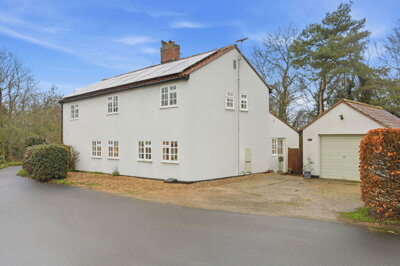
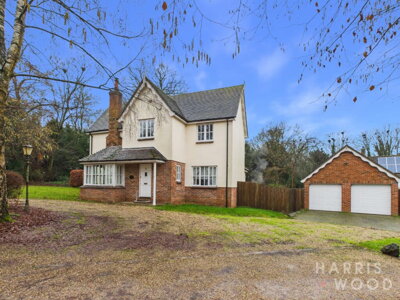
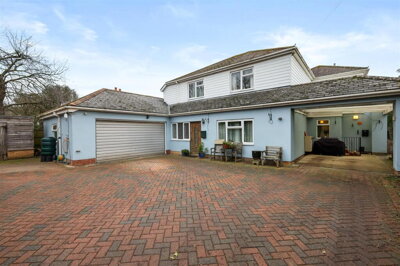
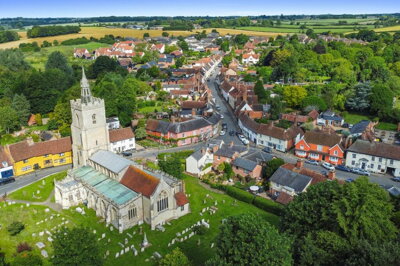
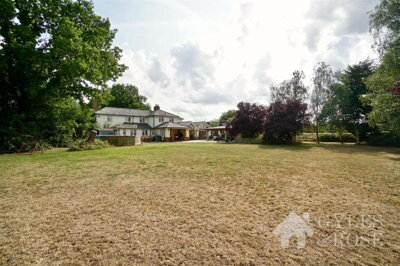
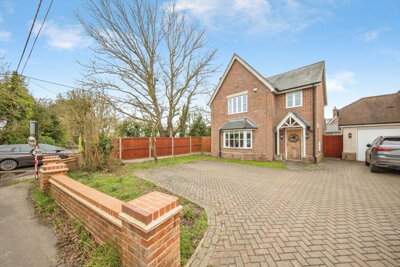
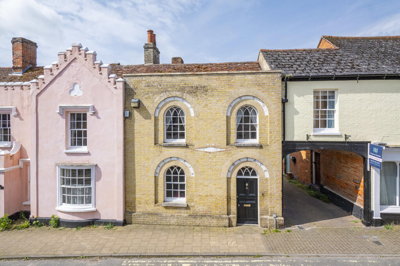
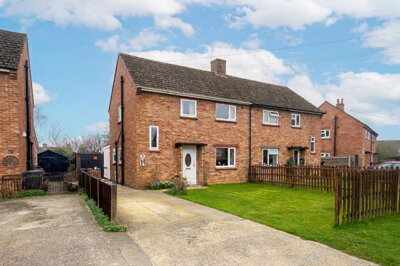
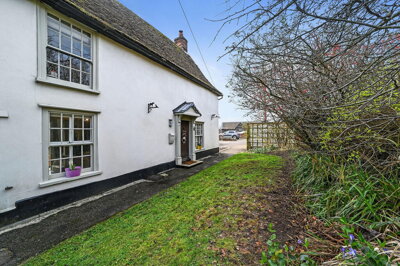
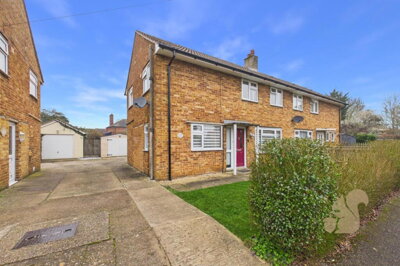
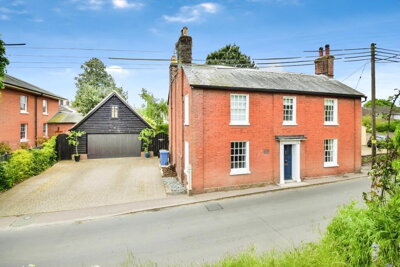
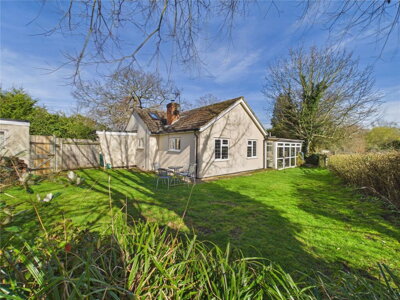
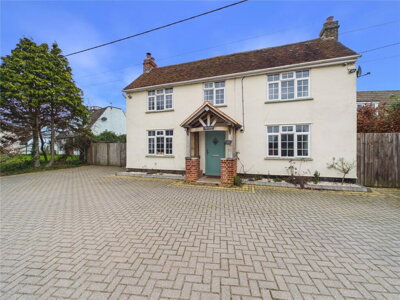
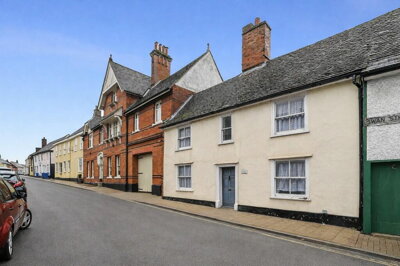
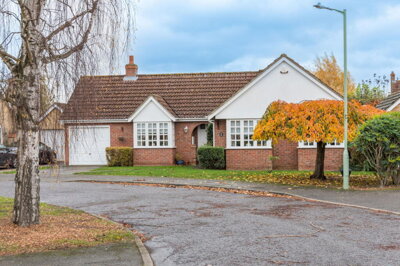
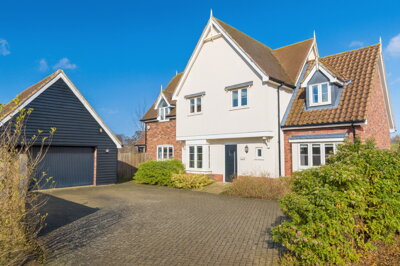
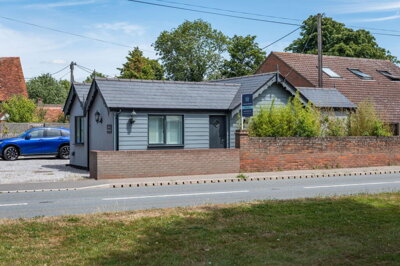
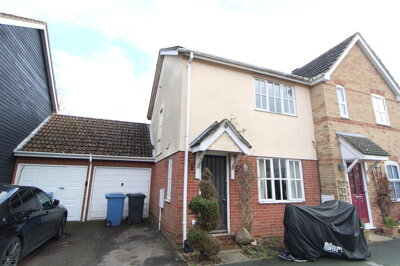
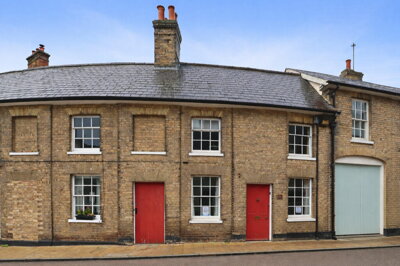
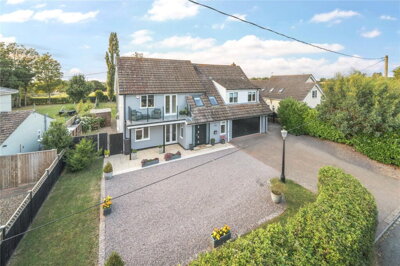
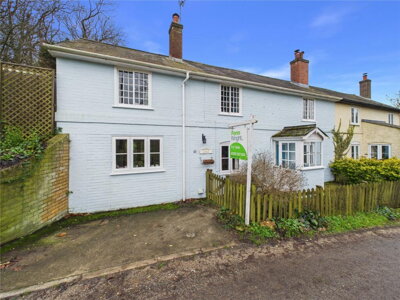
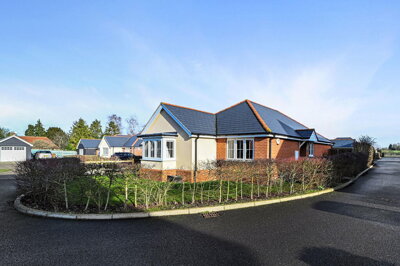
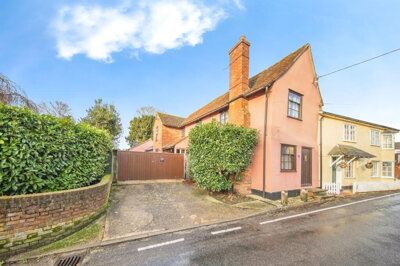
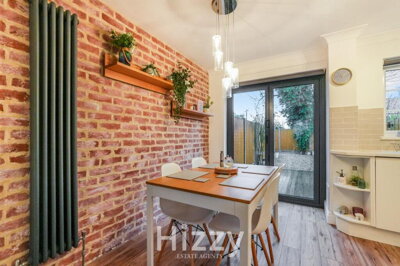
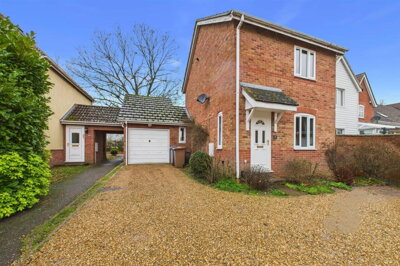
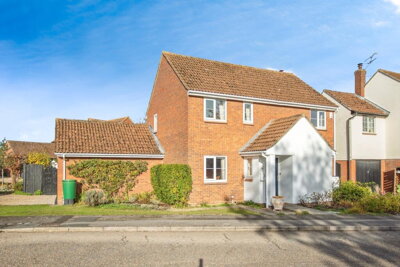
Browse 54 homes for sale in Assington, Babergh from local estate agents.
The Assington property market offers detached, semi-detached, and terraced houses spanning various price ranges and neighbourhoods. Each listing includes detailed property information, photographs, and direct contact with the marketing agent.
£368k
2
0
39
Source: home.co.uk
Showing 2 results for Houses for sale in Assington, Babergh. The median asking price is £367,500.
Source: home.co.uk
Semi-Detached
2 listings
Avg £367,500
Source: home.co.uk
Source: home.co.uk
The Assington property market presents a compelling picture for prospective buyers. Detached properties command the highest average prices at £557,500, reflecting the strong demand for spacious family homes with generous gardens in this rural setting. Semi-detached properties average around £406,000, offering an accessible entry point to village life for first-time buyers and growing families. Recent market data indicates prices have corrected approximately 25% from the 2023 peak of £648,057, creating potential opportunities for buyers who act decisively in the current market conditions.
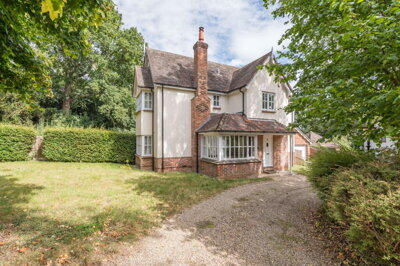
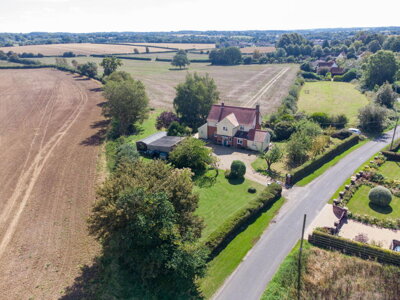
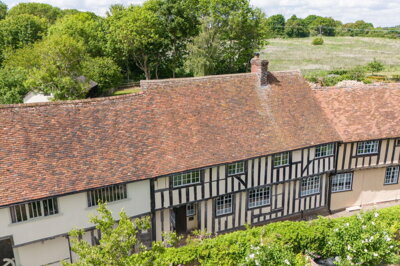
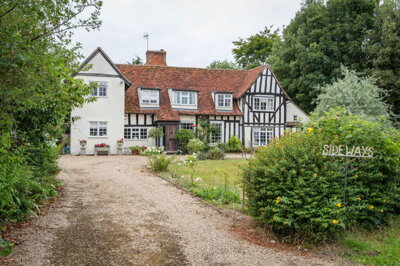
One notable development bringing new homes to Assington received planning permission from Babergh District Council in April 2025. HE Mayfield Enterprises Ltd has been granted approval for six three-bedroom bungalows on land east of Meadow Way. This development addresses a gap in the market for single-storey living, which is particularly sought after by downsizers and retirees looking to remain in the area. The village primarily features period properties, many dating back centuries, with the predominant construction being timber-framed and plastered walls typical of Suffolk vernacular architecture, often fronted with the distinctive local gault brick.
The majority of properties sold in Assington during the past year have been detached homes, followed by semi-detached properties, according to Rightmove market data. A recent sale at 19 The Street, Assington, CO10 5LJ saw a terraced house fetch £490,000 in October 2023, indicating that even smaller period homes command significant prices in this sought-after village. The limited supply of properties coming to market, combined with persistent demand from buyers seeking the Suffolk countryside lifestyle, continues to support values for well-presented homes in good locations throughout the parish.

Life in Assington revolves around its strong sense of community and excellent local amenities. The Barn at Assington serves as the village hub, featuring a well-stocked Farm Shop selling local produce, a licensed Tea Room perfect for morning coffee or afternoon cakes, Little Gems Interiors for homeware enthusiasts, and a Plant Centre that draws gardening enthusiasts from across the region. The Holistic Retreat within the complex offers wellness services including treatments and workshops, reflecting the village commitment to wellbeing and sustainable living. And Sow to Grow, a charity supporting young people with special needs, operates from The Barn complex, providing meaningful employment opportunities within the community.
The village preserves its historic character through careful stewardship of its architectural heritage. With 32 listed buildings spanning several centuries, the parish showcases the evolution of Suffolk vernacular architecture. Assington House exemplifies this heritage as an 18th-century timber-framed and plastered house with Suffolk gault brick facing. The Parish Church of St Edmund, designated Grade I and dating from at least the 14th century, anchors the spiritual life of the community. While The Shoulder of Mutton pub in the village centre remains temporarily closed, The Foxes Den on Further Street provides a welcoming coffee shop with rooms, offering hospitality for both residents and visitors exploring the Suffolk countryside.
Broadband speeds in rural villages like Assington can vary significantly, and prospective residents should verify current coverage at their specific property before committing to a purchase. Mobile signal strength also depends on location within the village and the network provider chosen. Many residents find that a combination of superfast broadband and mobile data meets their needs adequately for remote working, though those requiring consistent high-speed connectivity should investigate available options thoroughly. Assington Mill adds to the rural character of the area, with the surrounding countryside offering extensive walking opportunities across farmland and through protected landscapes that define this part of Suffolk.
Families considering a move to Assington will find a selection of educational options within reasonable distance. The village falls within Babergh District, which maintains several primary schools serving the surrounding villages. Primary education is available at schools in nearby settlements, with the county council publishing catchment area information to help parents identify their nearest available school. The rural setting means that primary school runs often become part of the daily routine, though many families find the shorter journeys an opportunity to enjoy the Suffolk landscape rather than a burden.
Secondary education in the area typically leads students to schools in larger market towns such as Sudbury, which offers a range of secondary options including schools with sixth form provision. For families prioritising academic excellence, the surrounding area includes schools that have achieved good and outstanding Ofsted ratings. Sixth form and further education opportunities are readily accessible in Sudbury, with its established college provision. Parents are advised to research current school performance data and admissions criteria when considering a move, as catchment areas can influence placement availability significantly.
The commute to secondary schools in Sudbury takes approximately 15-20 minutes by car, with school bus services operating from outlying villages. Many families choose to location-f themselves in Assington specifically because of the access to good schools in the wider area, accepting the slightly longer journey times in exchange for the rural lifestyle benefits. Independent schooling options are available in Bury St Edmunds and Colchester, with several schools in these towns offering transport arrangements for families living in surrounding villages.
Assington enjoys a strategic position within Suffolk, balancing rural tranquility with practical connectivity. The village sits off the A134, providing direct access to the market town of Sudbury approximately five miles away, where residents can access mainline railway services connecting to London Liverpool Street. The rail journey from Sudbury takes around 90 minutes to the capital, making Assington viable for commuters who can work flexibly or travel mid-week. For those working in Colchester, the journey by car takes approximately 35 minutes, opening employment opportunities in that historic market town.
Bus services connect Assington to surrounding villages and towns, with the 753 service operating between Sudbury and Bury St Edmunds stopping at various points in the local network. However, car ownership remains essential for most residents given the rural nature of the village and the limited frequency of public transport options. Cyclists appreciate the quiet country lanes that crisscross the area, though the undulating Suffolk landscape requires a reasonable level of fitness. Parking in the village presents minimal concerns compared to urban areas, with most properties offering off-street parking and generous driveways reflecting the semi-rural character.
For residents working in Cambridge, the journey by car takes approximately one hour, making day commuting feasible though demanding. London can be reached by car in around two hours, or via the train from Sudbury in approximately 90 minutes. The nearby A12 provides access to Ipswich and the East Coast, connecting Assington to broader regional employment centres. Many residents combine remote working with occasional office days, finding that the quality of life in Assington more than compensates for the logistics of longer-distance commuting.
Spend time exploring Assington at different times of day and week. Visit local amenities including The Barn complex, walk the village lanes, and speak with residents to understand daily life here. Check broadband speeds and mobile signal coverage, as these vary in rural locations. Understanding the seasonal rhythm of village life, including winter road conditions and summer tourist traffic, helps set realistic expectations for daily living.
Before viewing properties, obtain a mortgage agreement in principle from a lender. This strengthens your position when making offers and demonstrates to sellers that you have financing secured. Several lenders offer competitive rates for properties in this price range. Speaking with a mortgage broker who understands rural property values can help secure the best deal for your circumstances.
Work with local estate agents who know the Assington market intimately. View properties that match your criteria, paying attention to the condition of older listed buildings and any planning restrictions that may apply in the conservation areas. Given the limited stock coming to market, being prepared to move quickly on well-priced properties is essential. Prepare questions about listed building status, previous renovation work, and any planning permissions granted in recent years.
Given the age of many properties in Assington, a thorough survey is essential. The national average for a RICS Level 2 survey is around £455, rising to approximately £586 for properties above £500,000. Older timber-framed properties may incur additional costs due to their construction type, typically adding 20-40% for pre-1900 buildings. Our inspectors are experienced in assessing Suffolk period properties and understand the specific defect patterns common in timber-framed and gault brick construction.
Appoint a solicitor experienced in rural property transactions to handle the legal work. They will conduct searches with Babergh District Council, check for planning restrictions on listed buildings, and manage the transfer of ownership through to completion. Specialist knowledge of listed building consent requirements and conservation area restrictions proves invaluable when purchasing historic Assington properties.
Once all surveys, searches, and mortgage arrangements are finalized, you will exchange contracts and pay your deposit. Completion typically follows within weeks, when you receive the keys and take ownership of your new Assington home. Our team can recommend local tradespeople and professionals who understand the specific requirements of maintaining period properties in the village.
Purchasing a property in Assington requires attention to several area-specific considerations. The high concentration of listed buildings means many homes will carry Grade II or even Grade I designations, bringing additional responsibilities and restrictions. Listed building consent may be required for alterations, and future owners must maintain the property in a manner that preserves its historic character. Before purchasing, confirm the listing status with the vendor and understand what works may require consent from Babergh District Council conservation officers.
The timber-framed construction common in older Assington properties brings specific considerations during survey and purchase. Timber defects including wet rot, dry rot, and woodworm can affect properties where ventilation is poor or dampness has taken hold. Prospective buyers should scrutinize survey reports carefully and obtain quotes for any remedial works before proceeding. Electrical and plumbing systems in period properties often require updating to meet modern standards, so budgeting for these improvements alongside the purchase price is prudent. Additionally, verify the tenure of any property, as some older homes may have unusual leasehold arrangements or share-of-freehold structures that require specialist advice.
Our inspectors frequently identify structural movement patterns in older Suffolk properties, where shallow foundations seasonal changes in soil moisture. The clay-rich soils common across parts of East Anglia can cause heave and subsidence issues, particularly where trees are located close to properties. Wall cracks, uneven floors, and doors that fail to close properly all warrant careful investigation by a qualified surveyor before proceeding with a purchase.
Deteriorating roofs represent another common concern in period Assington properties. slipped or cracked tiles, deteriorating ridge mortar, and failed flashings can allow water ingress that leads to timber decay if left unattended. Our surveyors check roof void spaces for evidence of leakage, assess the condition of leadwork and valley gutters, and report on the overall expected remaining lifespan of roof coverings. Prospective buyers should factor potential re-roofing costs into their renovation budgets when assessing property values in the village.
The average sold house price in Assington stands at approximately £481,750 according to Zoopla and Rightmove data from the past year. OnTheMarket reports a slightly higher figure of £558,000 as of early 2026, noting a significant rise over the last 12 months for sold prices. Detached properties average £557,500, while semi-detached homes fetch around £406,000. Recent market data shows prices have corrected approximately 25% from the 2023 peak of £648,057, creating potential buying opportunities in the current market.
Properties in Assington fall under Babergh District Council administration. Council tax bands are assigned based on property valuation, with bands ranging from A through H. Most period cottages and smaller homes in the village typically fall into bands A to D, while larger detached properties and farmhouses may occupy higher bands. Prospective buyers should check specific bandings on the Valuation Office Agency website before budgeting for ongoing costs.
Assington is served by primary schools in surrounding villages, with the nearest options typically found in Sudbury approximately five miles away. Families should verify current catchment areas with Suffolk County Council, as these can affect school placement. Secondary education options in Sudbury include schools with sixth form provision, and the town has established educational facilities. Research current Ofsted ratings and admission policies directly with schools for the most up-to-date information.
Assington has limited public transport options typical of a small rural village. The 753 bus service connects the village to Sudbury and Bury St Edmunds, though frequencies are designed for occasional rather than daily commuting use. Sudbury station provides mainline rail services to London Liverpool Street in approximately 90 minutes. Most residents rely on private vehicles for daily transport, with Colchester accessible by car in around 35 minutes.
Assington offers several factors that appeal to property investors and homebuyers. The village benefits from its historic character with 32 listed buildings, a strong community centered around The Barn complex, and proximity to growing towns like Sudbury. New development is limited, with only six new bungalows approved recently, suggesting continued demand for existing period properties. The rural Suffolk location attracts buyers seeking lifestyle changes and downsizers, while the relative affordability compared to London and surrounding commuter areas creates a realistic market.
Stamp Duty Land Tax rates for 2024-25 apply as follows: 0% on the first £250,000 of property value, 5% on the portion from £250,001 to £925,000, 10% on £925,001 to £1.5 million, and 12% on any amount above £1.5 million. First-time buyers benefit from relief on the first £425,000, with 5% applying between £425,001 and £625,000. For a typical Assington property at the average price of £481,750, a standard buyer would pay £11,587.50 in stamp duty.
Given that 32 listed buildings populate this parish, timber-framed construction defects represent the primary concern for Assington buyers. Wet rot and dry rot affect timber where moisture levels rise, particularly in poorly ventilated roof voids or behind plaster finishes. Woodworm infestations can compromise structural timbers if left untreated. Our surveyors check for signs of movement in walls, assess the condition of traditional lime mortar pointing, and evaluate Suffolk gault brick facings for frost damage or structural cracks. Properties with solid walls rather than cavity construction often experience penetrating damp, especially where original lime-based renders have been replaced with impervious cement renders.
Standard mortgage valuation surveys do not provide the detailed assessment that historic properties require. A RICS Level 2 or Level 3 survey conducted by an inspector experienced with period properties will identify defects specific to listed buildings and assess compliance with listed building consent requirements. Given that many Assington properties carry Grade II designation, understanding the condition of original features, joinery, and historic fabric helps buyers make informed decisions. We recommend requesting a valuation addition to your survey report, particularly for properties where the listing status may affect future saleability or mortgage availability.
Budgeting for your Assington property purchase requires careful consideration of all associated costs beyond the property price itself. For a typical detached home at £557,500, a standard buyer would incur stamp duty of £15,375 on the portion above £250,000. First-time buyers purchasing at this price point would pay £6,375, as relief applies to the first £425,000. These figures underline the importance of factoring stamp duty into your financial planning from the outset of your property search.
Legal costs for conveyancing typically start from around £499 for straightforward transactions, though Assington's period properties may require additional work if listed building consents or specialist searches are needed. Survey costs vary according to property value and age, with the national average RICS Level 2 survey costing approximately £455, rising to around £586 for properties above £500,000. Pre-1900 timber-framed properties in Assington may incur premiums of 20-40% due to their construction complexity. Removal costs, disconnection and reconnection of utilities, and potential renovation works should also be budgeted for when calculating the true cost of your move to this charming Suffolk village.
Properties in conservation areas may require additional specialist surveys to assess the impact of proposed works on the street scene, with Babergh District Council conservation officers able to provide pre-application advice. Buildings insurance should be arranged from exchange of contracts, with specialist historic buildings insurance providers offering policies tailored to the needs of listed property owners. Factor in the costs of any immediate repairs identified in your survey report, and consider establishing a contingency fund for the unexpected issues that frequently arise with older properties.
Properties for Sale In London

Properties for Sale In Plymouth

Properties for Sale In Liverpool

Properties for Sale In Glasgow

Properties for Sale In Sheffield

Properties for Sale In Edinburgh

Properties for Sale In Coventry

Properties for Sale In Bradford

Properties for Sale In Manchester

Properties for Sale In Birmingham

Properties for Sale In Bristol

Properties for Sale In Oxford

Properties for Sale In Leicester

Properties for Sale In Newcastle

Properties for Sale In Leeds

Properties for Sale In Southampton

Properties for Sale In Cardiff

Properties for Sale In Nottingham

Properties for Sale In Norwich

Properties for Sale In Brighton

Properties for Sale In Derby

Properties for Sale In Portsmouth

Properties for Sale In Northampton

Properties for Sale In Milton Keynes

Properties for Sale In Bournemouth

Properties for Sale In Bolton

Properties for Sale In Swansea

Properties for Sale In Swindon

Properties for Sale In Peterborough

Properties for Sale In Wolverhampton

Enter your details to see if this property is within your budget.
Loans, cards, car finance
Estimated property budget
Borrowing + deposit
You could borrow between
Typical borrowing
Monthly repayment
Est. at 4.5%
Loan-to-value
This is an estimate only. Your actual budget may vary depending on interest rates, credit history, and personal circumstances. For an accurate affordability assessment, speak to one of our free mortgage advisors.
This calculator provides estimates for illustrative purposes only and does not constitute financial advice. Your home may be repossessed if you do not keep up repayments on your mortgage. Estimates based on 4.5% interest rate, repayment mortgage. Actual rates depend on your circumstances.
Homemove is a trading name of HM Haus Group Ltd (Company No. 13873779, registered in England & Wales). Homemove Mortgages Ltd (Company No. 15947693) is an Appointed Representative of TMG Direct Limited, trading as TMG Mortgage Network, which is authorised and regulated by the Financial Conduct Authority (FRN 786245). Homemove Mortgages Ltd is entered on the FCA Register as an Appointed Representative (FRN 1022429). You can check registrations at NewRegister or by calling 0800 111 6768.

We use cookies to show you personalised content and improve your experience of our website. Find out more in our Privacy policy and Cookie policy.