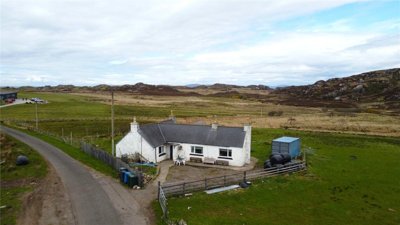
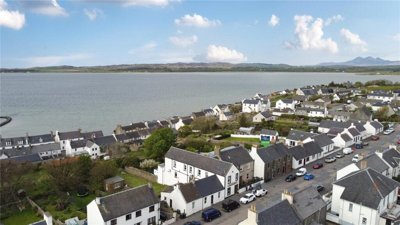
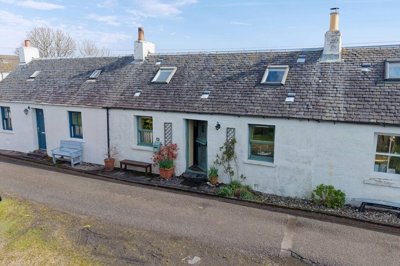
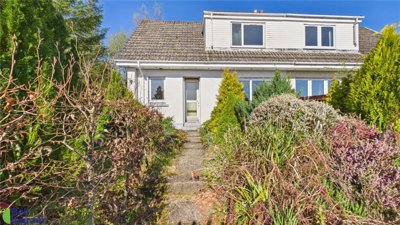
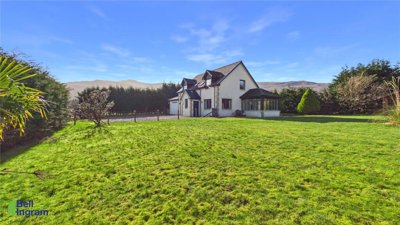
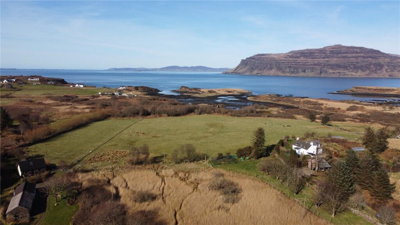
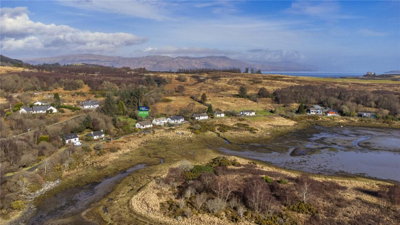
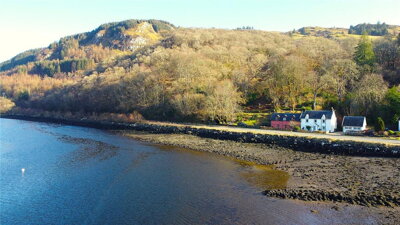
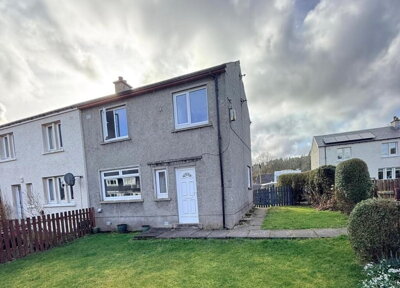
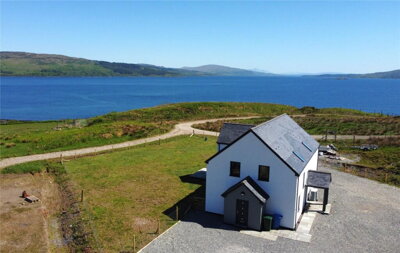
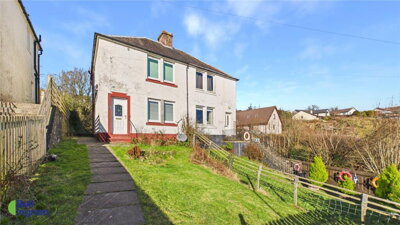
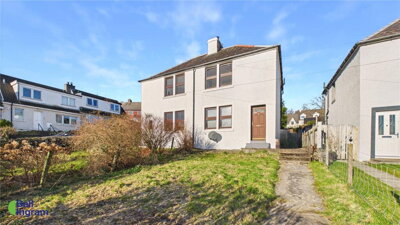
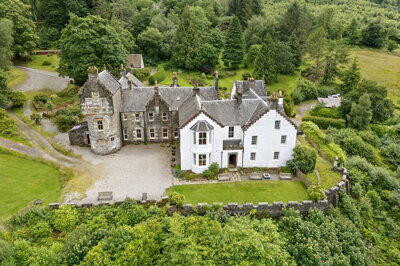
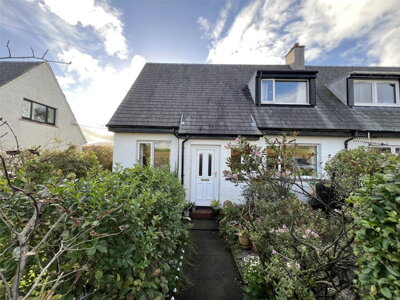
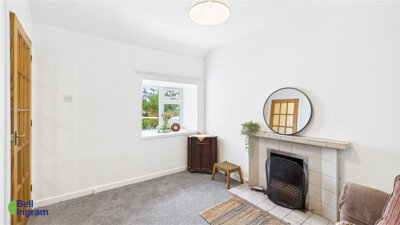
Browse 584 homes for sale in Argyll and Bute from local estate agents.
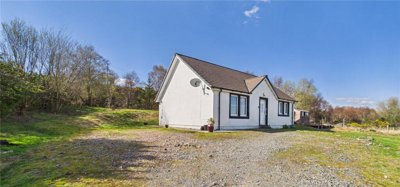
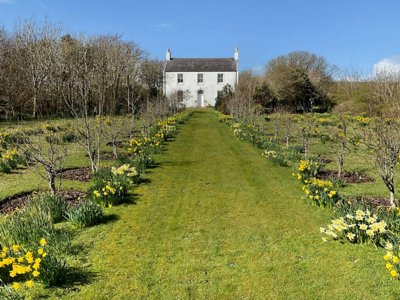
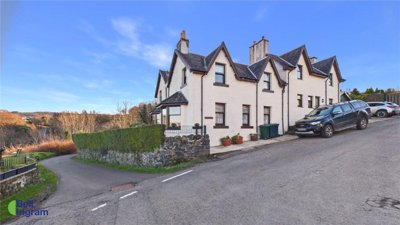
The Argyll And Bute property market offers detached, semi-detached, and terraced houses spanning various price ranges and neighbourhoods. Each listing includes detailed property information, photographs, and direct contact with the marketing agent.
The Argyll and Bute property market offers excellent value compared to many other parts of Scotland, with an overall average house price of £274,914 as of February 2026. Detached properties, which make up 38.3% of the housing stock, command an average of £405,831, reflecting the desirability of these spacious homes with stunning views over the sea lochs and mountains. Semi-detached homes average £213,551, terraced properties £174,909, and flats start from around £119,534, providing accessible options for first-time buyers and those seeking holiday lets or rental investments.
All property types in Argyll and Bute have shown positive price growth over the past twelve months, with semi-detached homes leading the way at 2.38% increase, followed by terraced properties at 2.07% and flats at 2.02%. The market saw 1,326 property sales in the last twelve months, demonstrating steady activity across this vast council area. New build activity is increasing, with developments such as The Walled Garden in Oban offering 3 and 4-bedroom homes from £265,000, while affordable housing schemes by Link Group and Fyne Homes are bringing 26 new homes to Lochgilphead, 75 to Dunbeg near Oban, and further developments in Carradale and Ardrishaig.
Investment potential in Argyll and Bute remains strong, particularly for holiday lets given the robust tourism sector supporting hotels, restaurants, and hospitality businesses throughout the region. The appeal of locations like Oban, Islay, and the Cowal peninsula continues to attract visitors seeking the dramatic coastline, ancient forests, and outdoor pursuits that define the area. The growing trend of remote working is also increasing demand for properties in scenic locations with improving digital connectivity, supporting price appreciation across property types.
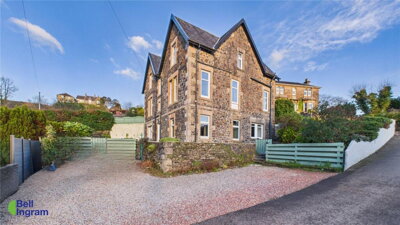
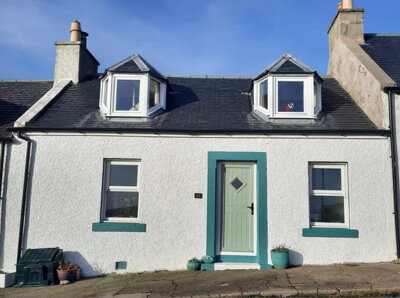
The diverse geology of Argyll and Bute has shaped construction practices across the region for centuries. The metamorphic rocks of the Dalradian Supergroup, including schists, slates, and quartzites, have provided traditional building materials, while granite intrusions in areas like the Ardnamurchan Peninsula and near Oban have contributed distinctive stone for local construction. Properties built before 1919 comprise 30.2% of the housing stock and typically feature solid stone walls constructed with traditional lime mortar, slate roofing from local quarries, and timber sash and case windows. These traditional methods produced durable buildings well-suited to the coastal climate, though they require ongoing maintenance using compatible materials.
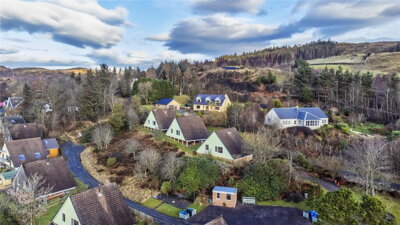
Post-war construction brought cavity wall construction using brick or block with render finishes and tiled roofs. These properties, built between 1945 and 1982 and making up 35.5% of the housing stock, often require attention to insulation standards and may show signs of mortar deterioration. Modern timber frame construction, prevalent in developments from the mid-1990s onward, offers good thermal performance but can present challenges if not properly ventilated. The timber frame systems used in newer builds throughout Argyll and Bute require specific survey attention to ensure the cavity remains clear of debris and moisture.
Victorian and Edwardian properties throughout Argyll and Bute, particularly in towns like Helensburgh, Oban, Rothesay, and Campbeltown, often feature decorative stonework, original fireplaces, and traditional floor constructions that require specialist assessment. These periods of construction brought improvements in room sizes and natural light compared to earlier periods. Properties within the numerous conservation areas across the region, including the historic cores of Helensburgh, Rothesay, Inveraray, and Campbeltown, may be constructed using traditional materials that differ from standard modern expectations and may carry planning restrictions affecting future modifications.
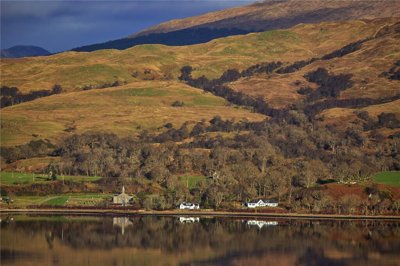
Life in Argyll and Bute revolves around the extraordinary natural environment that surrounds every community. The region is characterised by its dramatic coastline, deep sea lochs, ancient forests, and the distinctive geology of the Dalradian Supergroup, featuring metamorphic schists, slates, and quartzites alongside areas of igneous granite intrusions. Traditional buildings throughout the area reflect this geological heritage, with local stone, granite, and slate featuring prominently in properties built before 1919, which comprise 30.2% of the housing stock. The landscape creates an unparalleled quality of life for those who appreciate outdoor pursuits, with sailing, kayaking, hill walking, and fishing forming the backbone of local recreation.
The economy of Argyll and Bute is built on diverse foundations that provide stable employment opportunities. The public sector, including Argyll and Bute Council and NHS Highland, employs significant numbers of residents, while the tourism industry supports hotels, restaurants, and hospitality businesses across the region. The food and drink sector thrives with fishing, aquaculture operations producing Scottish salmon, and whisky distillation on Islay and in Campbeltown. HMNB Clyde at Faslane and Coulport represents a major employer for the Helensburgh area, and the improving digital connectivity across the region is increasingly attracting remote workers seeking a better work-life balance in some of Scotland's most scenic locations.
Families considering a move to Argyll and Bute will find a comprehensive network of educational establishments serving communities across this vast area. Primary schools are distributed throughout towns and villages, from Dunoon Primary School serving the Cowal peninsula to St. Mary's Primary School in Dunbeg and Rockfield Gaelic Primary School in the Oban area. Secondary education is provided at schools including Oban High School, which serves the growing town of Oban and surrounding areas, while Helensburgh has several secondary options including Hermitage Academy and John Logie Cameron Cameron Primary School, all feeding into Loch Lomond secondary provision.
The region offers excellent opportunities for further and higher education, with Argyll College UHI providing further education courses across multiple locations including Oban, Dunoon, and Islay, linked to the University of the Highlands and Islands network. The positive demographic trend of young families moving to the area has strengthened school rolls in several communities, particularly in towns like Oban and Helensburgh where population growth has been most noticeable. Parents should research specific school catchments and registration arrangements, as the island communities each have their own educational arrangements, with primary schools serving smaller islands and pupils travelling to mainland secondary schools as needed.
Transport connections in Argyll and Bute reflect the region's island and coastal geography, with a network of ferry services linking communities across the Firth of Clyde and the Sea of the Hebrides. The Caledonian MacBrayne ferry network operates from Oban to the islands of Mull, Lismore, and the Outer Hebrides, making these communities accessible for commuting and daily travel. The Cowal peninsula is connected to Gourock by ferry from Dunoon, while the Kintyre peninsula can be reached via the ferry from Kennacraig to Islay or the longer route via the Mull of Kintyre from Campbeltown. Helensburgh benefits from direct rail connections to Glasgow Queen Street, with ScotRail services taking approximately 45 minutes to reach the city centre.
Road transport within Argyll and Bute centres on the A83, which runs from Tarbert through the stunning scenery of the Rest and Be Thankful pass to Inveraray and then onward to Oban via the A85. The A819 provides access to the Dalmellan area and the A828 connects Oban to Fort William. Helensburgh sits on the A814 and is well-connected to Glasgow via the Erskine Bridge or the M8 motorway. Bus services operated by West Coast Motors and Scottish Citylink provide essential public transport links, while Oban Airport offers connections to the islands. Those considering property purchase should factor in ferry timetables when evaluating properties on islands or in communities where water transport forms part of daily life.
Argyll and Bute spans a vast area from Helensburgh on the Clyde to Campbeltown on the Kintyre peninsula, and from island communities to mainland towns. Consider your priorities regarding commute times, ferry access, school catchments, and the type of community you wish to join before beginning your property search.
Contact a mortgage broker to obtain an agreement in principle before viewing properties. This document strengthens your position when making offers and demonstrates to sellers that you have the financial capacity to proceed. Local mortgage brokers understand the Scottish lending landscape and can advise on properties in areas with non-standard construction.
Contact local estate agents to arrange viewings of properties that match your criteria. In a market where properties can attract multiple interest, having your finances in order and being prepared to move quickly can make the difference between securing your new home and missing out.
With 58.1% of Argyll and Bute's housing stock built before 1965, a RICS Level 2 Survey (HomeBuyer Report) is strongly recommended. These surveys, typically costing between £400 and £900 depending on property size, can identify issues common to the area including damp penetration, slate roof condition, timber defects, and potential flooding risks.
Scottish conveyancing requires a solicitor to handle your purchase. They will conduct searches, handle the legal transfer of ownership, and coordinate with the Land Register of Scotland. Having a solicitor instructed early helps ensure a smooth transaction.
Once all searches are satisfactory and legal contracts are exchanged, your solicitor will arrange the final settlement. Keys are typically released on the agreed completion date, and you can begin your new life in Argyll and Bute.
Properties in Argyll and Bute require careful inspection due to the region's specific environmental conditions. The wet coastal climate means that damp issues, whether rising damp, penetrating damp, or condensation-related problems, are among the most common defects found during surveys. Older solid-walled properties with traditional lime mortar are generally more resilient to moisture penetration than those with cement-based mortars or renders, but they require ongoing maintenance. Prospective buyers should look for signs of damp including tide marks on walls, peeling wallpaper, musty smells, and any staining around windows and door frames.
Roof condition is another critical consideration given that slate is the predominant roofing material across the region. Older slate roofs, common in the 30.2% of properties built before 1919, can suffer from slipped slates, damaged lead flashings, and general wear that allows water penetration. Timber defects including woodworm (common furniture beetle) and wet or dry rot are prevalent in properties with existing damp issues or inadequate ventilation. Electrical wiring and plumbing systems in older properties often require updating to meet modern standards, and prospective buyers should budget for potential rewiring or plumbing work when purchasing older homes.
Flood risk is a genuine consideration in Argyll and Bute, with extensive coastal communities at risk from storm surges and high tides, and numerous rivers and watercourses posing fluvial flood risk. Areas around Oban, Campbeltown, Dunoon, and Helensburgh have identified coastal flood risks, while the River Awe and River Add, among others, can flood after heavy rainfall. Surface water flooding can occur in areas with inadequate drainage. Properties within conservation areas in towns like Oban, Helensburgh, Rothesay, Inveraray, and Campbeltown may have planning restrictions affecting modifications, and listed buildings require Listed Building Consent for any alterations.
Coastal erosion presents additional considerations for properties in exposed coastal locations throughout Argyll and Bute. Properties on cliffs or low-lying coastal land may be subject to ongoing erosion that affects foundations and long-term stability. While not widespread across the region, localised historical mining activity in some areas, including lead mining remnants and slate quarry operations, can have implications for ground stability in very specific locations. Peat deposits in some areas of Argyll and Bute can also affect foundation stability and should be assessed during surveys of properties in these locations.
The average house price in Argyll and Bute is £274,914 as of February 2026. Detached properties average £405,831, semi-detached homes £213,551, terraced properties £174,909, and flats start from around £119,534. Prices have increased by 1.96% over the past twelve months, with all property types showing positive growth. The Argyll and Bute property market offers excellent value compared to Scotland's major cities, with detached properties providing particular appeal for families seeking generous space and panoramic views over the sea lochs and mountains.
Council tax bands in Argyll and Bute are set by Argyll and Bute Council and follow the Scottish banding system from A to H. The specific band depends on the property's assessed value as of April 1991, with newer properties being banded based on their initial sale price. Prospective buyers can check the Scottish Assessors Association website for specific property bands before purchasing. Council tax rates in Argyll and Bute remain competitive compared to urban centres, contributing to the overall affordability that makes the region attractive to families and retirees alike.
Argyll and Bute offers a range of primary and secondary schools, with notable establishments including Oban High School serving the Oban area, Hermitage Academy in Helensburgh, and several well-performing primaries across the region. Argyll College UHI provides further education opportunities linked to the University of the Highlands and Islands network. School performance can be checked on the Scottish Government website's school comparison tools, and parents should verify catchments and registration requirements for specific communities before purchasing property.
Public transport in Argyll and Bute centres on ferry services connecting island and coastal communities, with Caledonian MacBrayne ferries operating from Oban, Dunoon, and Kennacraig. Helensburgh has direct ScotRail services to Glasgow taking approximately 45 minutes. Bus services operated by West Coast Motors and Scottish Citylink provide connections across the mainland areas. Those purchasing on islands should factor ferry timetables into their daily routines, as ferry services often determine the rhythm of life in island communities.
Argyll and Bute offers several investment opportunities, particularly for holiday lets given the strong tourism sector and the appeal of locations like Oban, Islay, and the Cowal peninsula. The 1.96% annual price increase demonstrates steady appreciation, and the mix of traditional stone properties, modern homes, and island retreats provides options across different budget levels. The growing trend of remote working is also increasing demand for properties in scenic locations with good connectivity.
Stamp Duty Land Tax (SDLT) in Scotland operates under Scottish Land and Buildings Transaction Tax (LBTT) rates. As of 2024-25, there is no LBTT on the first £145,000 of residential property purchases, 2% on the portion from £145,001 to £250,000, 5% from £250,001 to £325,000, 10% from £325,001 to £750,000, and 12% above £750,000. First-time buyers may qualify for relief on the portion up to £175,000.
Due to the wet climate and age of much of the housing stock, common defects include damp penetration (rising, penetrating, and condensation), slate roof deterioration including slipped slates and damaged flashings, timber defects such as woodworm and wet or dry rot, outdated electrical wiring and plumbing systems, and inadequate insulation in older properties. Properties built pre-1965 comprise 58.1% of the housing stock and often require updates to meet modern standards. Asbestos-containing materials may also be present in properties constructed before 2000.
Several new build developments are active across Argyll and Bute. The Walled Garden in Oban by MacLeod Construction offers 3 and 4-bedroom homes from £265,000 at the Fasgadh development. Affordable housing schemes include 26 homes by Link Group in Lochgilphead, 75 homes at Dunbeg near Oban, and 10 homes each by Fyne Homes in Carradale and at the former primary school site in Ardrishaig. These developments offer modern construction standards and improved energy efficiency compared to older properties in the area.
Coastal properties in Argyll and Bute face specific risks including flood risk from storm surges and high tides, particularly in areas around Oban, Campbeltown, Dunoon, and Helensburgh. Coastal erosion can affect properties on cliffs or low-lying coastal land, potentially impacting foundations and long-term stability over time. Properties within identified flood risk areas may face higher insurance premiums, and buyers should factor these ongoing costs into their budgeting when considering coastal homes for sale in Argyll and Bute.
Argyll and Bute has significant conservation areas and listed buildings in towns including Oban, Helensburgh, Rothesay, Inveraray, and Campbeltown. These properties feature traditional stone construction, Victorian architecture, and historical significance but require Listed Building Consent for any alterations or repairs. Specialist surveys are often recommended for listed buildings due to their age, complex traditional construction, and the need for sympathetic repairs using traditional materials and methods that preserve their historical character.
From £400
A detailed inspection ideal for conventional properties, identifying key defects and maintenance issues. Recommended for the 58.1% of Argyll and Bute properties built before 1965.
From £600
A comprehensive building survey suitable for older, larger, or unusual properties including listed buildings and those in conservation areas.
From 4.5%
Competitive mortgage rates available for Argyll and Bute properties from trusted lenders.
From £499
Specialist solicitors handling Scottish conveyancing for Argyll and Bute properties.
Understanding the costs of purchasing property in Argyll and Bute is essential for budgeting your move. The Scottish Land and Buildings Transaction Tax (LBTT) applies to all residential property purchases in the area, replacing the UK Stamp Duty. For properties up to £145,000, no LBTT is payable. The rates then increase incrementally: 2% on the portion between £145,001 and £250,000, 5% between £250,001 and £325,000, 10% between £325,001 and £750,000, and 12% on any amount exceeding £750,000. First-time buyers in Scotland may qualify for first-time buyer relief, which provides an additional relief amount on the portion up to £175,000.
Beyond LBTT, buyers should budget for additional costs including mortgage arrangement fees (typically 0-0.5% of the loan amount), valuation fees, and the cost of a RICS Level 2 Survey (typically £400-900 for properties in Argyll and Bute). Solicitors' fees for conveyancing generally range from £500 to £1,500 depending on complexity, plus Land Register registration fees and any search fees. Survey costs may be higher for larger properties or those with unusual construction. Buildings insurance must be in place from the date of conclusion of missives, and buyers should factor in moving costs, potential repairs or renovations, and the ongoing costs of council tax (set by Argyll and Bute Council) and utility bills.
Properties for Sale In London

Properties for Sale In Plymouth

Properties for Sale In Liverpool

Properties for Sale In Glasgow

Properties for Sale In Sheffield

Properties for Sale In Edinburgh

Properties for Sale In Coventry

Properties for Sale In Bradford

Properties for Sale In Manchester

Properties for Sale In Birmingham

Properties for Sale In Bristol

Properties for Sale In Oxford

Properties for Sale In Leicester

Properties for Sale In Newcastle

Properties for Sale In Leeds

Properties for Sale In Southampton

Properties for Sale In Cardiff

Properties for Sale In Nottingham

Properties for Sale In Norwich

Properties for Sale In Brighton

Properties for Sale In Derby

Properties for Sale In Portsmouth

Properties for Sale In Northampton

Properties for Sale In Milton Keynes

Properties for Sale In Bournemouth

Properties for Sale In Bolton

Properties for Sale In Swansea

Properties for Sale In Swindon

Properties for Sale In Peterborough

Properties for Sale In Wolverhampton

Enter your details to see if this property is within your budget.
Loans, cards, car finance
Estimated property budget
Borrowing + deposit
You could borrow between
Typical borrowing
Monthly repayment
Est. at 4.5%
Loan-to-value
This is an estimate only. Your actual budget may vary depending on interest rates, credit history, and personal circumstances. For an accurate affordability assessment, speak to one of our free mortgage advisors.
This calculator provides estimates for illustrative purposes only and does not constitute financial advice. Your home may be repossessed if you do not keep up repayments on your mortgage. Estimates based on 4.5% interest rate, repayment mortgage. Actual rates depend on your circumstances.
Homemove is a trading name of HM Haus Group Ltd (Company No. 13873779, registered in England & Wales). Homemove Mortgages Ltd (Company No. 15947693) is an Appointed Representative of TMG Direct Limited, trading as TMG Mortgage Network, which is authorised and regulated by the Financial Conduct Authority (FRN 786245). Homemove Mortgages Ltd is entered on the FCA Register as an Appointed Representative (FRN 1022429). You can check registrations at NewRegister or by calling 0800 111 6768.