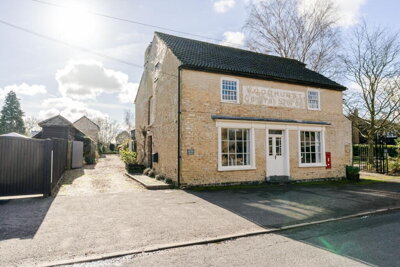
Woodhurst is a largely agricultural village with working arable and livestock farms surrounding the residential core. The village maintains a designated Conservation Area, established in May 1991, which protects its historic character and includes several notable listed buildings. The Church of St John the Baptist, a Grade II* listed building dating from the 12th century, anchors the village's heritage, while other protected properties include Harradine Farm House, Harradine House, and Horseshoe Cottage, representing various periods from the 17th to 19th centuries.
The parish sits on clay-based soils, which present important considerations for property owners and buyers. Clay soils are susceptible to shrink-swell behavior, expanding when wet and contracting during dry periods, which can cause subsidence and affect building foundations. This geohazard is particularly relevant in the South East of England and is expected to increase with climate change. Prospective buyers should consider this when arranging surveys, and a RICS Level 2 survey can identify any signs of movement or foundation issues in both period and modern properties.
Flood risk in Cambridgeshire, including the Woodhurst area, comes primarily from surface water and river sources. The county experienced significant flooding in Huntingdon during Storm Henk in January 2024 and river flooding from the River Great Ouse in December 2020. While no specific flood risk map for Woodhurst was identified, the general vulnerability of Cambridgeshire to surface water flooding means buyers should inquire about flood history and drainage during the property search process.
Transport links serve the village primarily via the A14 trunk road, providing connections to Cambridge, Huntingdon, and beyond. While Woodhurst itself lacks a railway station, the broader Cambridgeshire area offers good commuting options to London and other major centres. The local economy remains largely agricultural, though the wider region benefits from the strong knowledge-intensive economy around Greater Cambridge, particularly in life sciences, IT, and high-tech manufacturing.










 Harvey Robinson
-39d ago
Harvey Robinson
-39d ago






























