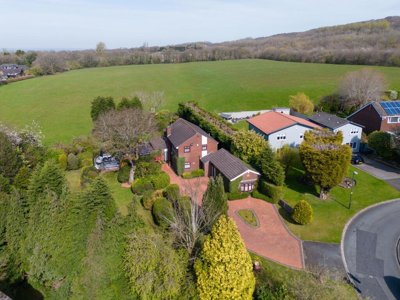
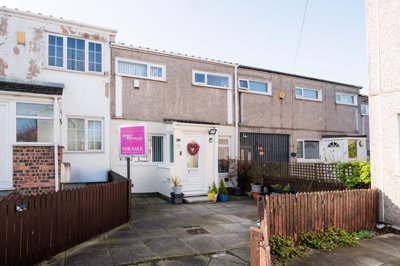
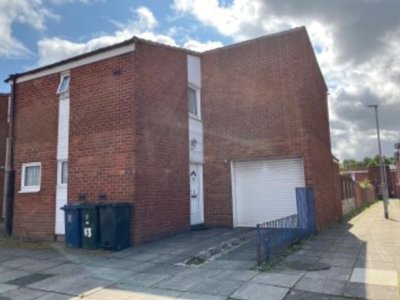
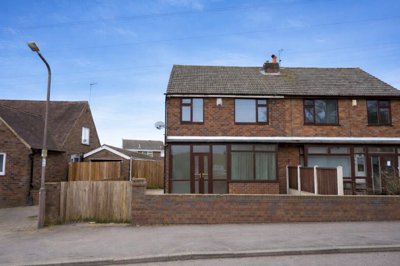
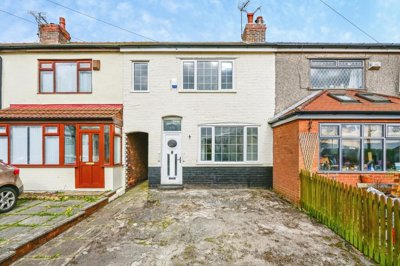
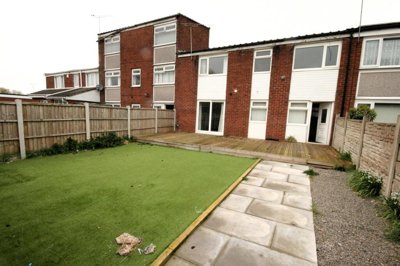
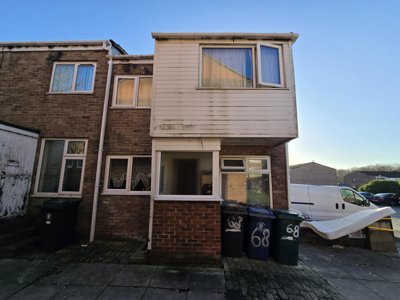
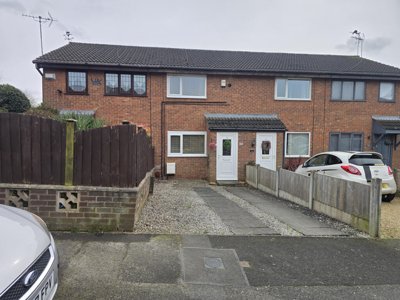
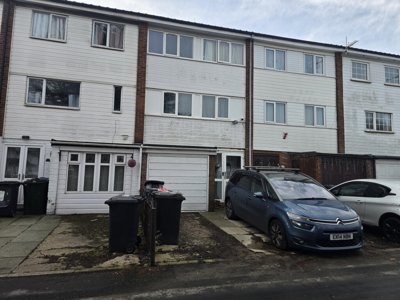
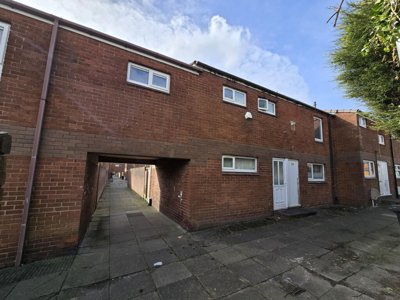
The WN8 postcode encompasses Skelmersdale and surrounding West Lancashire villages, with a population of approximately 47,399 residents across around 16,300 households. Skelmersdale itself was developed as a New Town from the 1960s, which explains the predominance of post-war housing stock built between 1945 and 1980. The area offers a mix of housing styles, with semi-detached properties comprising roughly 35.8% of the housing stock, followed by detached homes at 27.5%, terraced houses at 24.5%, and flats at 11.2%.
Geologically, the WN8 area sits on glacial till deposits (boulder clay) overlying Carboniferous Coal Measures, which presents specific considerations for property purchasers. The boulder clay has moderate to high shrink-swell potential, meaning properties with significant tree cover may require particular attention to foundation conditions. Additionally, WN8 falls within the historic Lancashire Coalfield, and while deep mining has ceased, legacy issues such as ground instability from old mine workings can affect some properties, particularly older ones in certain locations. We always recommend buyers commission a mining search when purchasing period properties in the area.
The River Tawd flows through Skelmersdale, and properties adjacent to its course may have elevated flood risk. Surface water flooding is also a consideration in some areas during heavy rainfall, particularly in low-lying sections of the town. From a transport perspective, WN8 benefits from proximity to the M58 motorway, providing straightforward access to Liverpool, Manchester, and the wider North West motorway network, making it attractive for commuters. The area's economy is supported by logistics and distribution centres, manufacturing, retail, and public sector employment in healthcare and education.
The Skelmersdale housing stock reflects its New Town heritage, with many properties built using traditional cavity wall construction with red brick exteriors and concrete or slate tile roofs. Properties from the 1960s and 1970s often feature larger gardens than modern developments, while more recent construction incorporates contemporary energy efficiency standards. Understanding your property's construction type helps when discussing marketing strategies with estate agents, as those familiar with local building methods can better highlight relevant features to potential buyers.










 Arnold & Phillips
-5d ago
Arnold & Phillips
-5d ago