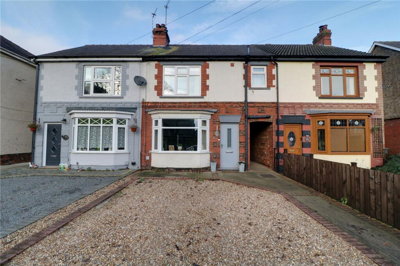
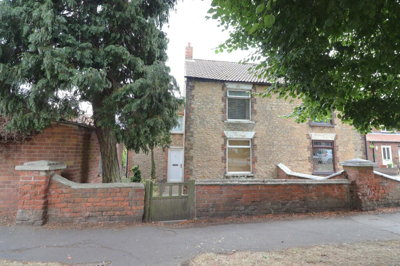
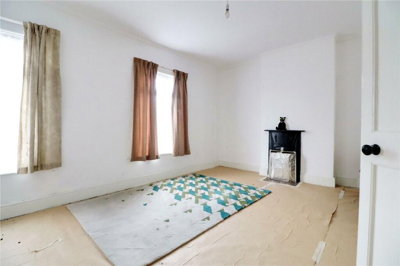
Winterton is a historic market town with a population of approximately 4,765 residents across 2,070 households, according to the 2021 Census. The town centre features a designated Conservation Area spanning the historic core and some early 20th-century housing, within which 26 listed buildings are protected. The most significant heritage asset is the Church of All Saints, a Grade I listed building featuring Saxo-Norman tower and nave, medieval aisles, chancel, and transepts that anchor the town's historical character.
The local geology presents some considerations for property owners, as Winterton sits towards the north end of the Lincoln Edge with underlying geology including extensive sand and gravel deposits and various clay formations. Many soils in the wider North Lincolnshire area contain clay minerals that exhibit shrink-swell behaviour, expanding when wet and contracting during dry periods. A Phase 1 Desk Study for a property in DN15 9UA indicated a 1-3% risk of radon gas, though no risk from coal mining or landfill gas was identified.
Flood risk varies across the area, with the Winterton Beck representing a fluvial source carrying drainage flows from the north-eastern part of Scunthorpe. While there are no current flood warnings and the 5-day flood risk remains very low, some areas to the south of King Street have experienced significant flood events in the past. Tidal flooding risk affects areas to the east of Winterton, particularly in Whitton and Winteringham. Prospective buyers should consider these factors when purchasing property in lower-lying locations.
Transport links serve the community reasonably well, with the town positioned for access to the M180 and M181 for connections to Doncaster, Grimsby, and the wider motorway network. The local economy benefits from North Lincolnshire's diverse employment base in advanced manufacturing, renewable energy, agriculture, and logistics, with median gross earnings of £34,480 in 2024 representing a 24% increase since 2015.











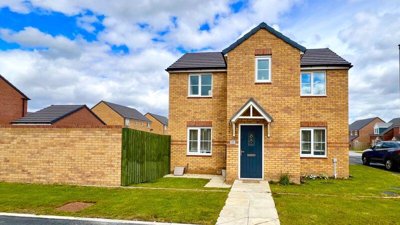
 Starkey & Brown
-6d ago
Starkey & Brown
-6d ago