Wicken is a quintessential Cambridgeshire village nestled on the edge of the Fens, approximately 5 miles south of Ely and within easy reach of Newmarket. The village is perhaps best known for the National Trust Wicken Fen, one of Britain's oldest nature reserves, which attracts visitors and nature enthusiasts while contributing to the area's protected landscape character. This environmental designation influences the type of development permitted in the surrounding area and contributes to the village's tranquil, rural atmosphere that attracts buyers seeking an escape from urban life.
The geological characteristics of Wicken reflect its Fenland location. The underlying geology is dominated by peat and alluvial deposits, which create a low-lying, flat landscape. This geology can present challenges for property owners, as the clay content in some areas may be susceptible to shrink-swell issues depending on moisture levels. Prospective buyers should be aware that properties in this region may require specific structural considerations, and a thorough RICS Level 2 Survey is particularly valuable for identifying any ground-related issues in older properties.
Transport connectivity is a strong point for Wicken, despite its rural setting. Ely railway station provides regular services to Cambridge, London Kings Cross, and Ipswich, making the village attractive for commuters. The A11 and A14 trunk roads are easily accessible, offering road connections to Cambridge in approximately 30 minutes and Bury St Edmunds in under 20 minutes. The village itself features a traditional 13th-century thatched public house and a fully operational smock windmill dating from 1813, both of which contribute to the historic character that defines Wicken's identity.
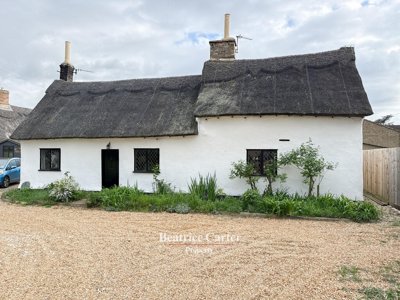
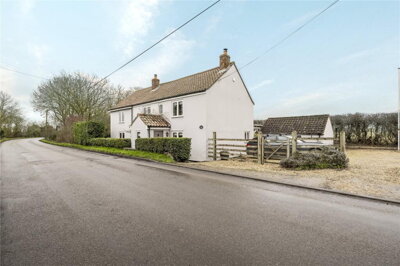
The local housing stock reflects Wicken's historical development. Properties in the village include period cottages, former farm buildings, and modern family homes, reflecting the area's evolution while maintaining its heritage charm. Many properties feature traditional construction methods including brick, render, and in some cases flint, particularly in buildings like the former Clark & Butcher flint Granary that still exists in the village. Given the age of much of the housing stock, with numerous period properties dating back well over 50 years, prospective buyers should consider the value of comprehensive surveys to identify any maintenance issues common in older Fenland properties.











 Haart
-4d ago
Haart
-4d ago