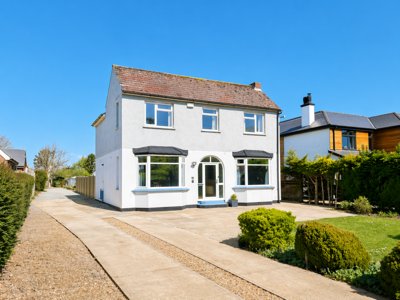
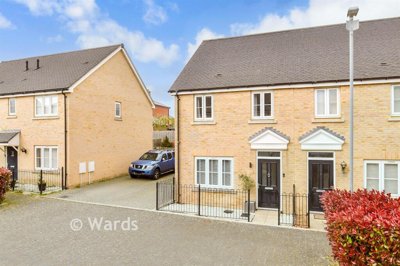
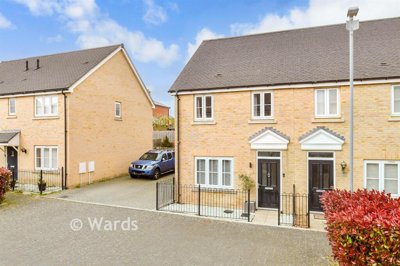
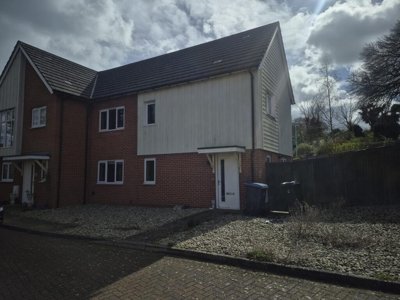
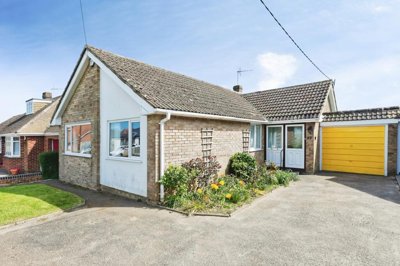
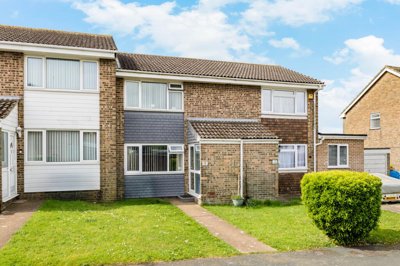
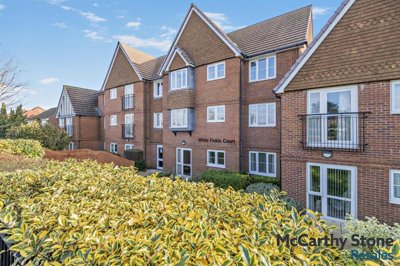
Whitfield is a growing parish with a population of approximately 4,710 residents across 1,894 households, though some estimates suggest numbers closer to 6,500 across 2,700 households given recent development. The village offers a peaceful residential environment while remaining within easy reach of Dover's amenities and the Channel ports. The area has expanded considerably since the post-war period, with significant development in recent decades transforming what was once a small village into a thriving commuter suburb.
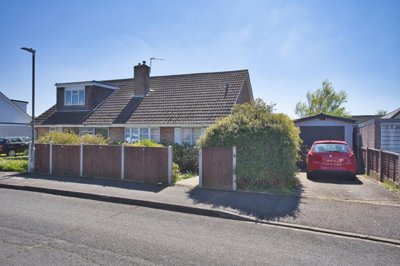
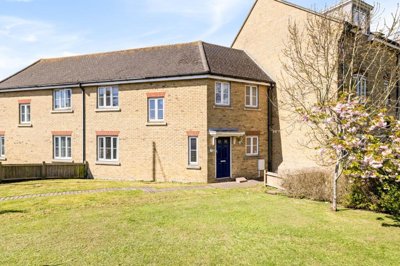
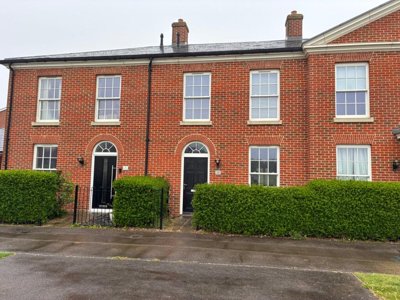
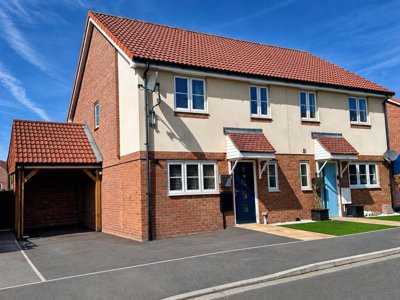
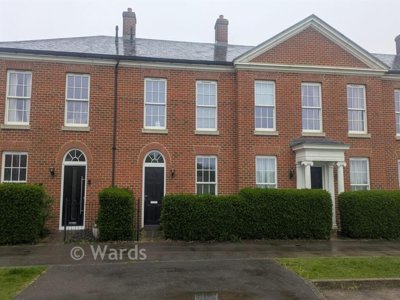
The geological characteristics of Whitfield reflect its position on the North Downs, with chalk bedrock dominating the underlying geology. This chalk substrate generally presents low shrink-swell risk, meaning foundation work is typically straightforward compared to areas with significant clay deposits. However, superficial deposits of clay, silt, sand, and gravel can occur in places, and homeowners should be aware that localised clay content may present moderate movement potential. The predominance of brick construction, often red or yellow stock brick, reflects traditional building practices in Kent, with rendered finishes common on newer properties.
Transport links make Whitfield particularly attractive to commuters, with the A2 and A20 providing direct routes to Dover, Canterbury, and the M2 connecting to London. The Port of Dover, just a short drive away, serves as a major employer in the region for those working in shipping, logistics, and related services. Whitfield benefits from being far enough inland to avoid the flood risks that affect coastal areas, though surface water flooding can occur during heavy rainfall in certain localised spots. The village itself has no designated conservation area, but it contains several listed buildings including the Grade II* Church of St Peter and Bewsbury Cross House, adding historical character to the area.











 Wards
-1d ago
Wards
-1d ago