Knottingley sits in the heart of West Yorkshire, approximately 15 miles south-east of Leeds and 12 miles from Wakefield. The town has a rich industrial heritage, historically associated with coal mining and glass manufacturing, though these traditional industries have largely declined. Today, the local economy benefits from the M62 motorway corridor, which provides direct access to Leeds, Manchester, and the wider motorway network, making Knottingley attractive to commuters seeking more affordable housing while maintaining access to major employment centres. The town centre offers everyday amenities including supermarkets, independent shops, schools, and healthcare facilities, reducing the need for residents to travel for basic services.
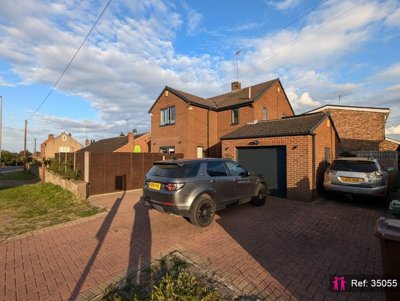
The geological landscape around Knottingley features limestone bedrock, which is reflected in the local building materials and the town's historical quarries. Properties in the area are predominantly constructed with red brick, with older period homes featuring local stone accents. The proximity to the River Aire means certain areas near the river face potential flood risk, particularly during periods of heavy rainfall, and buyers should factor this into their considerations. Additionally, the legacy of coal mining in the region means some properties may require specific surveys to assess potential subsidence risks from historical mine workings, a factor that experienced local agents understand and can advise on.
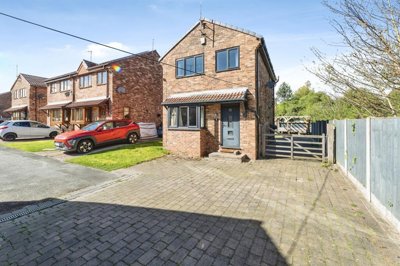
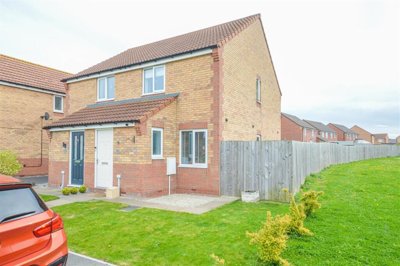
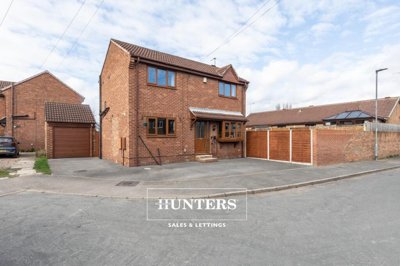
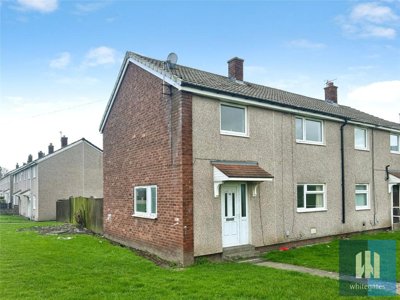
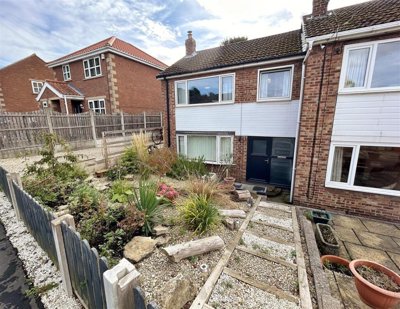
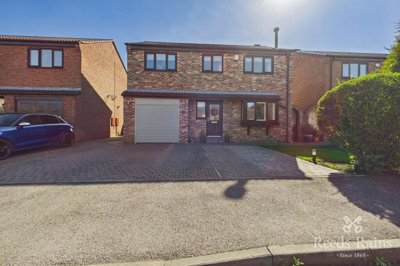
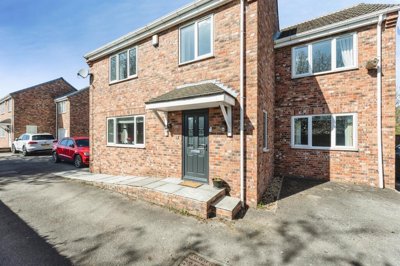
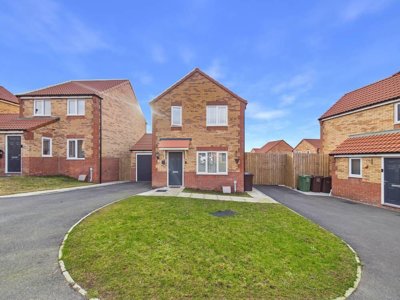
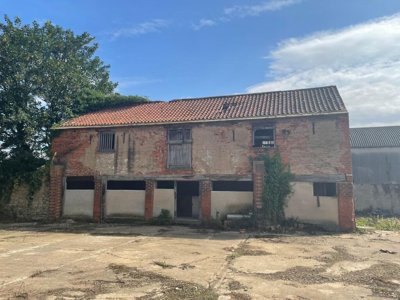
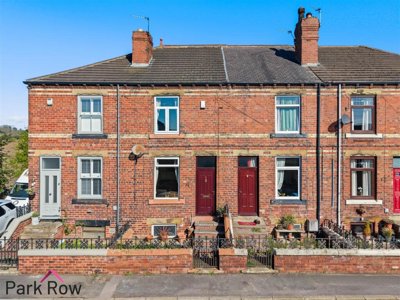
The housing stock in WF11 reflects its history as an established West Yorkshire town, with a mix of period properties from the Victorian and Edwardian eras alongside post-war developments and more recent housing estates. Semi-detached homes dominate the landscape, particularly the three-bedroom variety that became popular from the 1930s onwards. The proportion of properties over 50 years old is significant, meaning many homes will benefit from a RICS Level 2 Survey to identify common issues including damp, roof condition, and outdated electrical systems. The character of different neighbourhoods varies considerably, from the older terraced streets near the town centre to more modern residential areas on the periphery, each attracting different buyer demographics.










 Purplebricks
-2d ago
Purplebricks
-2d ago