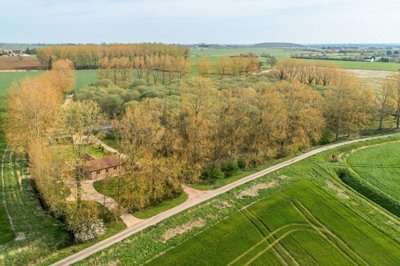
Wereham is a small village in the borough of King's Lynn and West Norfolk, Norfolk, with a population of approximately 600-700 residents across 250-300 households. The village sits on the eastern edge of the Fens, a landscape defined by its flat topography, fertile farmland, and distinctive drainage characteristics. The underlying geology includes superficial deposits of alluvium, peat, and sand and gravel overlying chalk bedrock, which can present challenges for foundations in some areas.
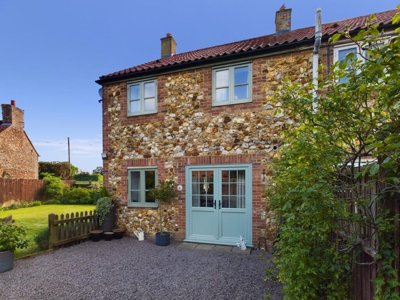
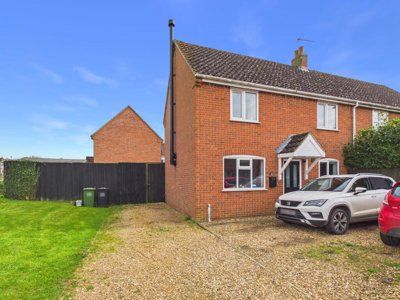
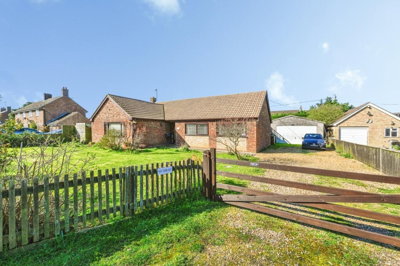
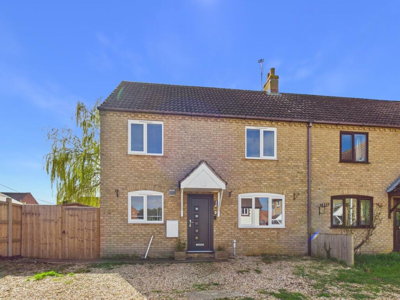
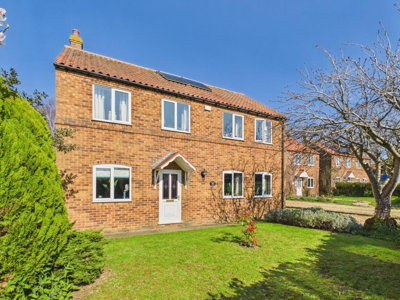
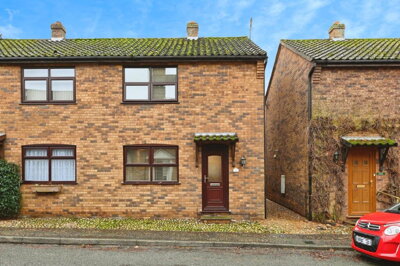
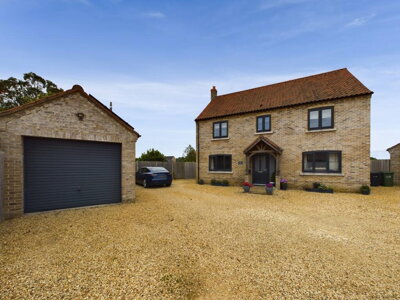
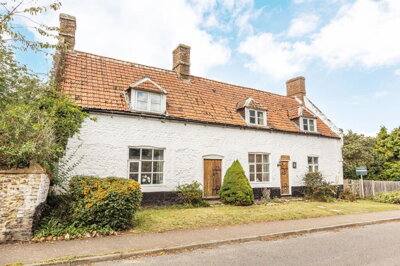
The village features a mix of housing stock that reflects its historical development. A significant proportion of properties are pre-1919, including many charming cottages and farmhouses constructed from traditional brick, often in red or brown tones, with some featuring flint or local stone elements. The housing stock also includes properties from the inter-war and post-war periods, alongside more modern developments from the 1980s onwards. Approximately 60-70% of homes are detached, with semi-detached properties comprising 20-30% of the housing stock.
Transport links serve the village reasonably well for a rural location, with the A10 providing access to King's Lynn and Ely, while the market town of Downham Market offers train services to London and Cambridge. However, a car remains essential for most daily activities. The village benefits from a peaceful atmosphere, local pubs, and proximity to countryside walks, making it attractive to families and retirees seeking a quieter pace of life while remaining connected to larger employment centres.
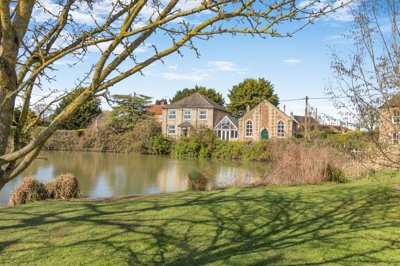
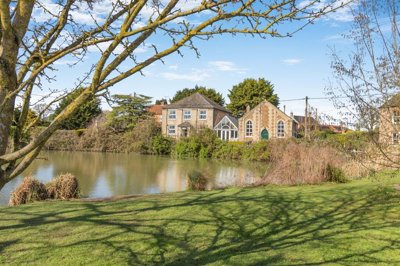
Flood risk is a consideration in the area due to the flat Fens topography and drainage characteristics. Surface water flooding can occur during heavy rainfall, and properties in identified flood zones require careful consideration. The Environment Agency provides detailed flood risk mapping for the area. Additionally, some properties may be affected by shrink-swell movement in clay-rich soils, particularly during prolonged dry or wet periods, which can impact foundations.
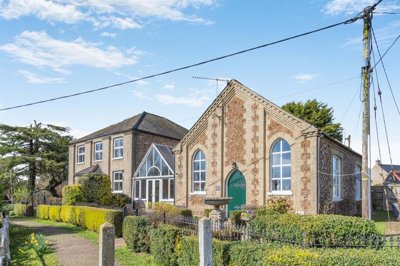
Wereham contains several listed buildings, including St Margaret's Church and various historic farmhouses and cottages concentrated around the village centre. While the village doesn't appear to be designated as a Conservation Area, these listed properties require specific planning and conservation considerations. Buyers considering older properties should be aware that specialist surveys may be required, and traditional construction methods and materials are often needed for any renovation work.










 Sowerbys
-7d ago
Sowerbys
-7d ago