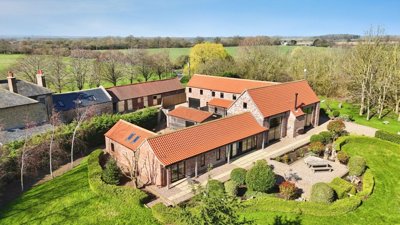
Wawne is a traditional English village that balances rural charm with practical accessibility. The population of approximately 1,200 residents across roughly 500 households creates a community atmosphere where neighbours often know one another. The village features St Peter's Church as a focal point, along with several historic farmhouses and cottages that have earned Grade II listed status, preserving Wawne's architectural heritage. Our team has conducted surveys on several of these historic properties and can attest to the unique considerations required when assessing older buildings in the village.
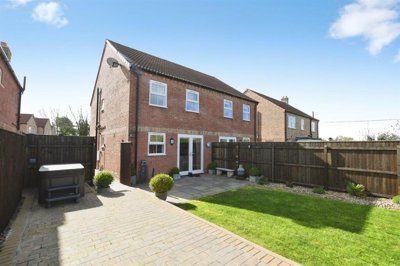
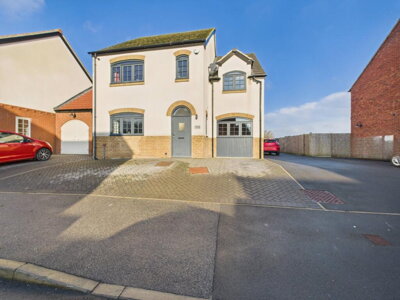
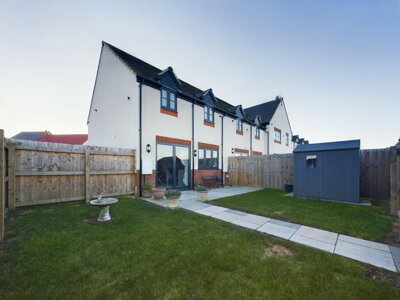
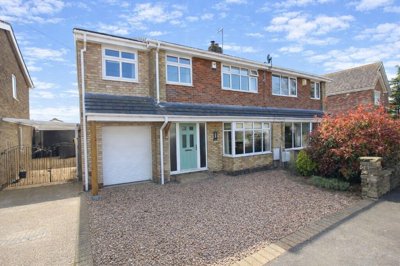
The ONS Census 2021 data reveals that detached properties comprise 45.2% of housing stock, with semi-detached homes at 35.1%, terraced houses at 12.3%, and flats making up just 7.4%. This predominantly detached character distinguishes Wawne from more urban neighbouring areas like Sutton-on-Hull where higher-density housing prevails. We've noted that the high proportion of detached homes contributes significantly to the village's family-friendly reputation and supports premium pricing relative to surrounding areas.
The property age distribution in Wawne shows that approximately 75% of homes were built before 1980, with 20% pre-1919, 15% between 1919-1945, 40% from 1945-1980, and only 25% constructed since 1980. This predominantly older housing stock means many properties will benefit from professional surveys before sale, as detailed in our survey section below. Our inspectors regularly identify issues in properties from each era, from Victorian damp problems through to 1970s construction defects.
For commuters, Wawne's location provides convenient access to Hull's employment opportunities while maintaining village living. Many residents travel to Hull for work, benefiting from the road connections that make the city centre accessible within reasonable driving time. Local employment in the village itself centres around agriculture and small businesses, with the surrounding farmland forming part of the productive East Riding agricultural economy. We've surveyed properties owned by several local farmers and agricultural workers who appreciate the balance of rural occupation and urban employment access.











 Taylors
-19d ago
Taylors
-19d ago