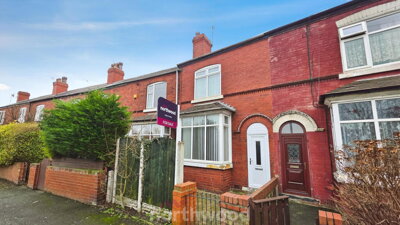
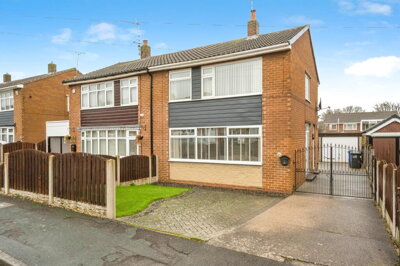
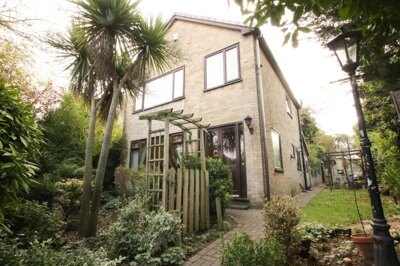
Warmsworth is a village and civil parish in the Metropolitan Borough of Doncaster, South Yorkshire, with a population of 3,718 residents according to the 2021 Census. The village sits approximately 4 miles from Doncaster city centre, offering residents easy access to urban amenities while enjoying a peaceful village atmosphere. Population density stands at 1,272 people per square kilometre, reflecting the balance between residential density and open space that characterises this area. The village has seen slight population decline from 3,908 in 2019, though this may reflect broader demographic shifts rather than reduced desirability.
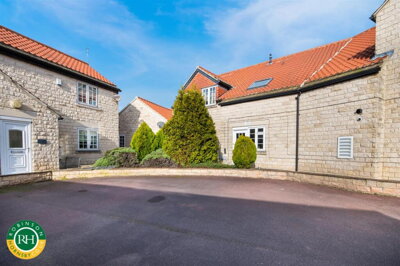
The geological character of Warmsworth is defined by the Brotherton Formation and Cadeby Formation, both composed of magnesian limestone that has shaped local building traditions. Many historic buildings in the old village are constructed from this distinctive limestone, with Warmsworth Hall, a Grade II* listed building dating from 1702-1703, showcasing the finest examples of local stone masonry. The presence of Sibelco's dolomite limestone quarry adjacent to the village highlights the ongoing industrial significance of local geology, representing the only site in the region producing industrial minerals on a major scale.
Transport connections make Warmsworth particularly attractive to commuters. The A1(M) Doncaster Bypass runs along the village's boundary, providing direct access to the national motorway network, while the A630 offers routes towards Doncaster town centre. The village contains eight listed buildings, concentrated around Warmsworth Hall and the old village, indicating areas of significant historical and architectural interest. St Peter's Church, known as The White Church for its distinctive whitewashed brick appearance, was consecrated in 1942 and serves as a local landmark. The proximity to the River Don suggests some flood risk awareness is advisable for properties in lower-lying areas, though specific flood risk maps would be needed for detailed property assessments.
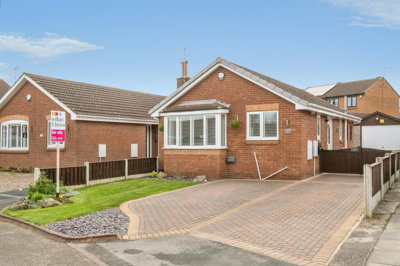
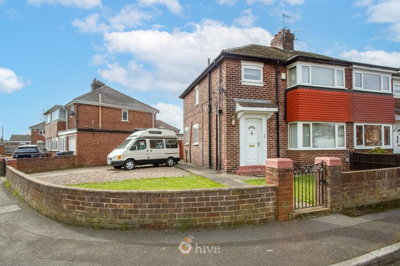
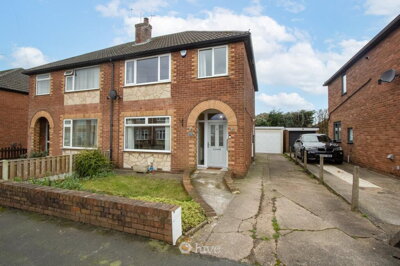
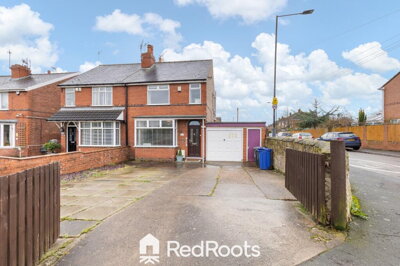
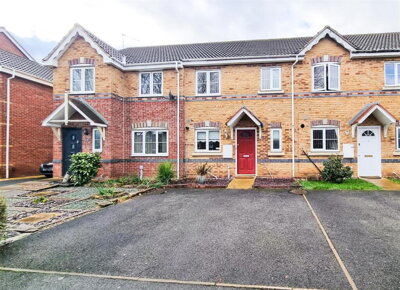
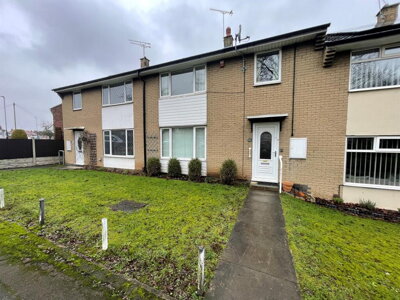
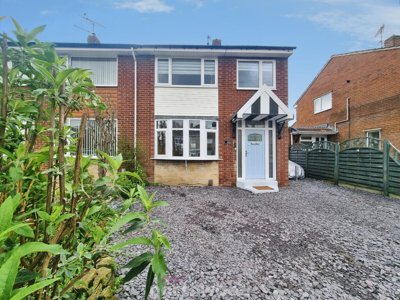
The housing stock reflects Warmsworth's evolution from a historic mining village to a desirable residential location. Properties range from sixteenth-century buildings in the old village to modern new builds at The Halt development. The predominant use of magnesian limestone for traditional buildings, often with rendered walls in the old village, gives Warmsworth its distinctive architectural character. Given that many properties date from the 18th and 19th centuries, prospective buyers should consider the benefits of a RICS Level 2 Survey to identify any structural issues common in older properties, such as damp, roof condition concerns, or outdated electrical systems.











 Northwood
-1d ago
Northwood
-1d ago