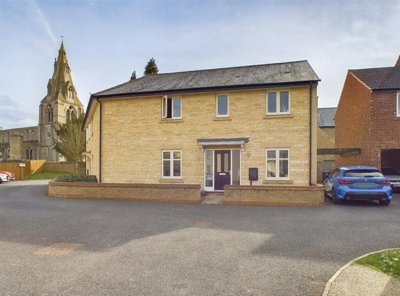
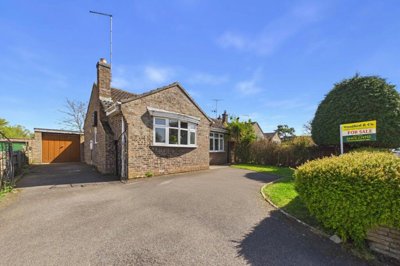
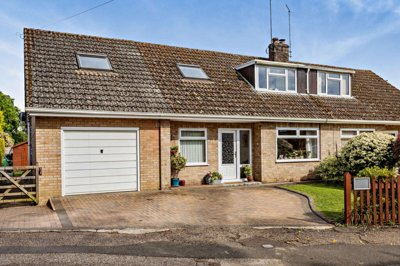
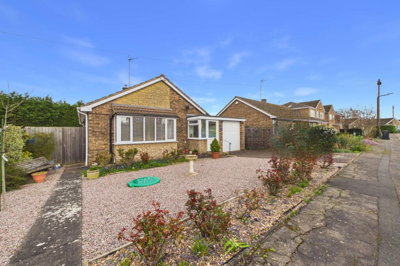
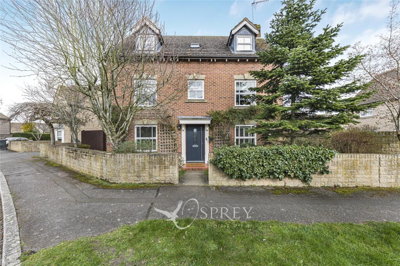
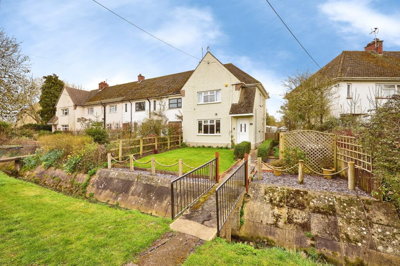
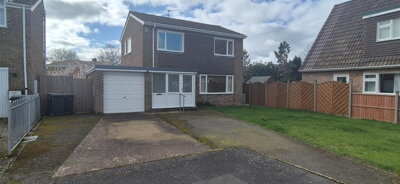
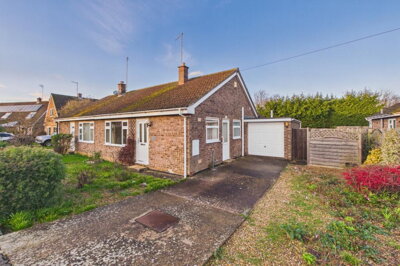
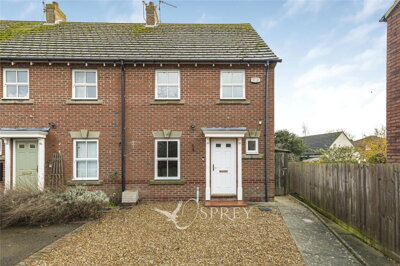
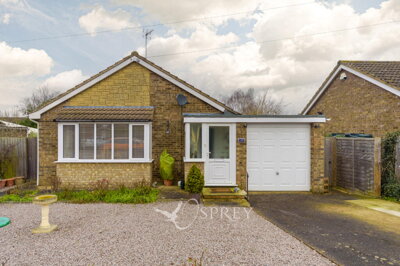
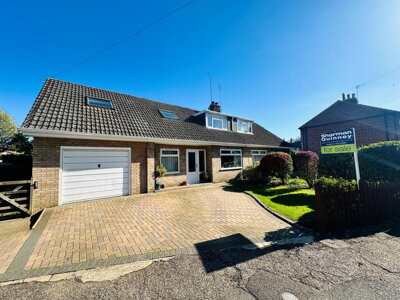
Warmington is a picturesque village in the South Northamptonshire district, home to approximately 938 residents across 386 households according to the 2021 Census. The village sits close to the River Nene, which influences both the local landscape and some flood risk considerations for properties in lower-lying areas. Areas immediately adjacent to the river and its tributaries may have a higher risk of fluvial flooding, particularly during periods of heavy rainfall. Surface water flooding can also be a concern in low-lying areas or where drainage systems are overwhelmed, so buyers should check specific flood risk for any property they're considering.
The geology beneath Warmington comprises primarily Jurassic limestone (Great Oolite Group) with areas of Oxford Clay Formation, creating clay soils that present a moderate to high shrink-swell risk affecting foundations. This is particularly relevant for properties with inadequate foundations or those near large trees, where ground movement during periods of extreme wet or dry weather can cause subsidence or heave issues. Many older properties in the village were built without modern foundation techniques, making structural surveys particularly valuable for period homes. The underlying clay geology is a key consideration that any surveyor should assess when valuing properties in the area.
The village boasts a designated Conservation Area covering much of its historic core, reflecting the architectural significance of the settlement. A significant concentration of Listed Buildings exists within Warmington, including the Grade I listed Church of St Mary and numerous Grade II listed cottages, farmhouses, and structures along Main Street and Church Lane. The predominant building materials are traditional local limestone and ironstone, with many older properties featuring natural stone walls, brick detailing, and slate or clay tiled roofs. These heritage considerations significantly affect how properties can be marketed and what buyers need to know before purchasing.
Demographically, Warmington's housing stock is predominantly detached properties (60-70%), with semi-detached homes forming 20-25% of the housing stock. A substantial proportion of properties are pre-1919, particularly in the village centre, giving Warmington its distinctive historic character. Many residents commute to nearby towns including Oundle, Peterborough, Stamford, and Corby for employment, while local economy centres around agriculture, small businesses, and services. The village benefits from good transport links via the nearby A1, making it attractive to professionals seeking a rural lifestyle within reach of major employment centres.











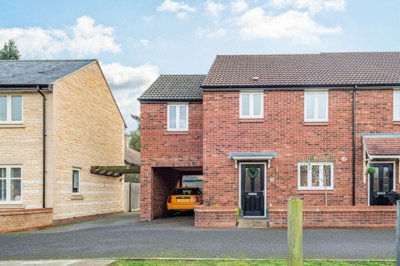
 Woodford & Co
-3d ago
Woodford & Co
-3d ago