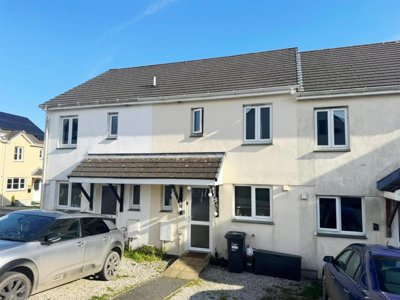
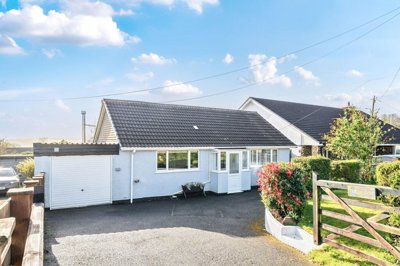
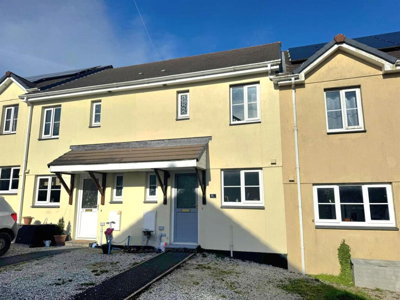
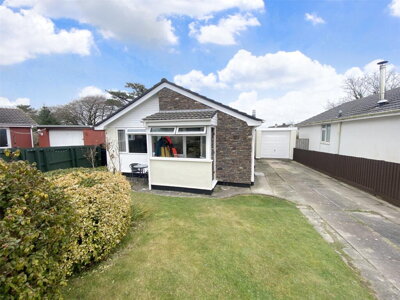
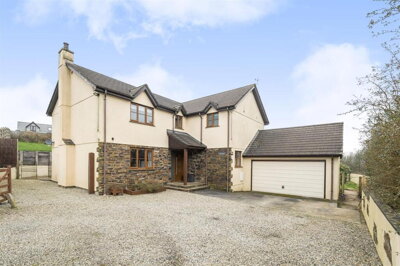
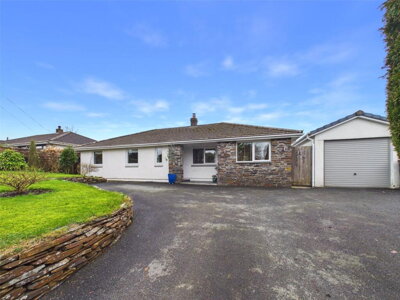
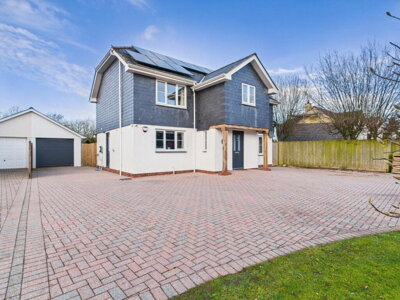
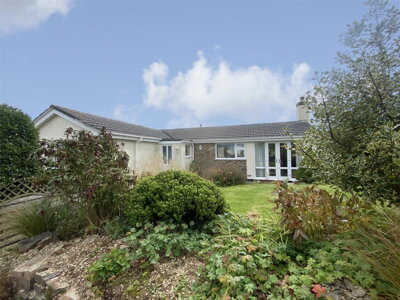
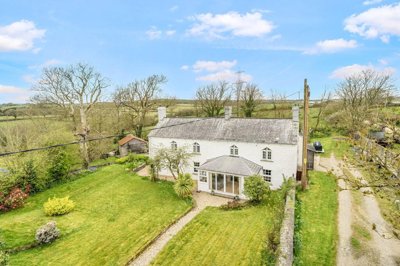
If you're buying a property in the Warbstow area, it's worth being aware of common issues our surveyors encounter in this part of North Cornwall. Many properties here are older, with traditional construction methods using granite, slate, cob, and killas (slaty mudstones). These materials give homes their distinctive Cornish character but can present challenges that a professional survey will identify.
Damp and timber decay are frequent concerns in this area, given Cornwall's coastal climate and high humidity. Older cottages built without damp-proof courses are especially prone to rising damp, penetrating damp from failed render or pointing, and rot in timbers particularly affecting roofs and floors. Our inspectors regularly find moisture-related issues in period properties that require attention before they worsen.
Roofing defects are another common finding, including missing or broken tiles, sagging roof structures, and deteriorated flat roof coverings. The local geology around Warbstow, featuring mudstones and siltstones, means some properties sit on clay-rich soils that can cause ground movement leading to structural issues. Additionally, properties built between the 1900s and 1965 may contain mundic block, a concrete material containing aggregates that can deteriorate over time and potentially make a property unmortgageable without specialist testing.
Given these potential issues, we strongly recommend a RICS Level 2 HomeBuyer Survey or RICS Level 3 Building Survey before purchasing any property in Warbstow. For listed buildings, which are numerous in this area including the Grade II* Church of St Werburgha and various historic farmhouses, a specialist survey is essential due to their unique construction and legal requirements.











 David J Robinson Estate Agents and Auctioneers
-4d ago
David J Robinson Estate Agents and Auctioneers
-4d ago