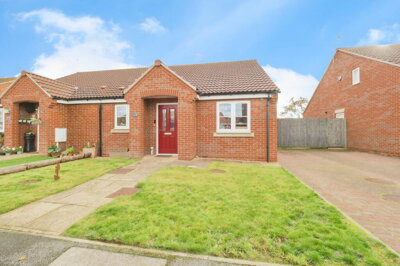
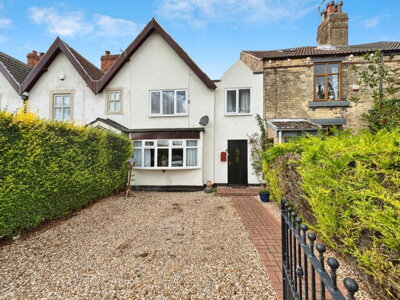
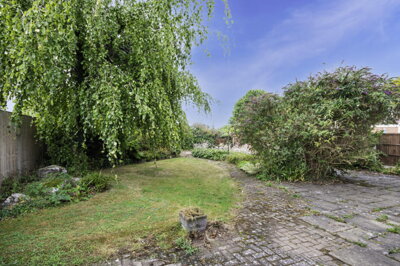
The Walkeringham housing market presents a nuanced picture that reflects its position as a desirable village location in Bassetlaw. According to home.co.uk listings data, the average sold price in Walkeringham stands at £266,667 over the last year, representing a 9% decline compared to the previous year and sitting 1% below the 2023 peak of £270,206. This moderation in prices offers opportunities for buyers while presenting sellers with the need for realistic pricing strategies backed by accurate agent valuations. The current average asking price stands at £276,464 according to our live asking price data. The variation between data sources - with PropertyResearch.uk indicating a 23.3% increase - highlights the importance of understanding different measurement methodologies when assessing local market conditions.
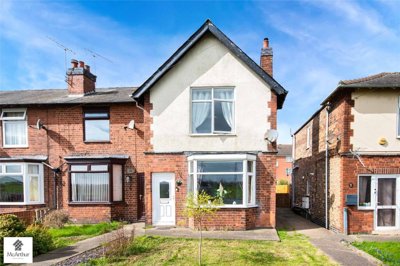
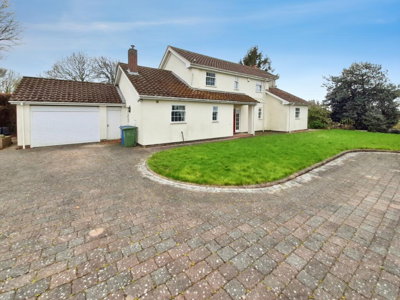
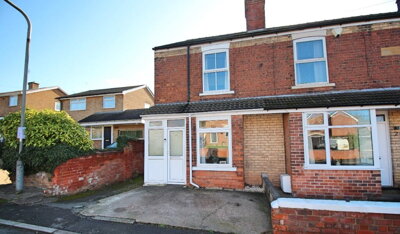
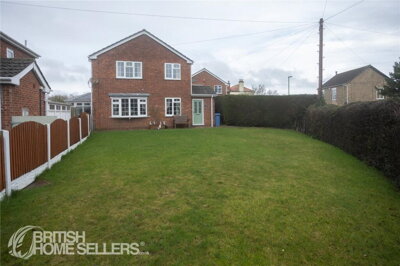
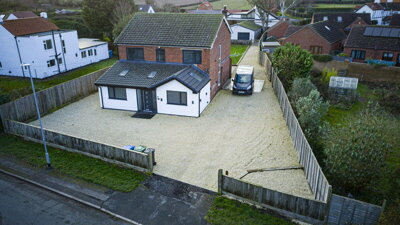
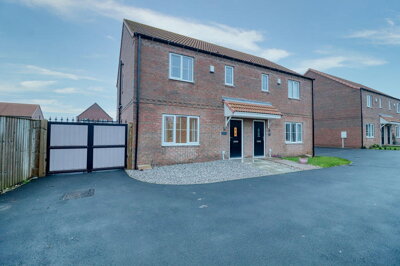
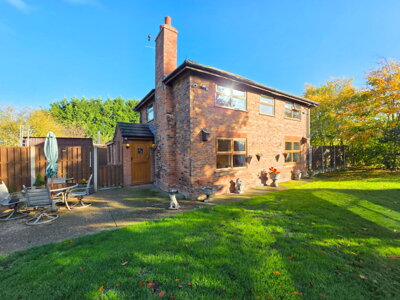
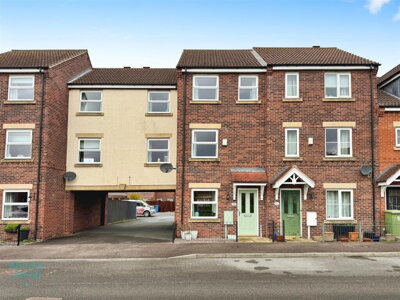
Property type analysis reveals that detached properties dominate the local market, accounting for 63.6% of sales according to PropertyResearch.uk data for 2025. This aligns with Walkeringham's character as a village with generous spacing and period properties. Detached properties currently average £472,500 across 8 active listings, while semi-detached properties average £208,736 and terraced homes at approximately £151,500. These figures demonstrate the premium that buyers place on detached living in this rural Nottinghamshire setting. Our live listing data shows detached properties currently averaging £472,500 across 8 active listings, reflecting premium pricing in the current market.
Transaction volumes in Walkeringham remain modest, with 11 sales recorded in 2025 according to PropertyResearch.uk data. This limited liquidity underscores the importance of selecting an estate agent with strong local connections and marketing reach. The village's position within the DN10 postcode area places it within the broader Doncaster housing market, where new build properties average £251,000 according to regional data. The relatively small number of transactions means that each sale requires careful positioning to attract the right buyers, making agent selection particularly crucial.
Station Road represents one of the village's main residential corridors, containing 41 houses, 12 flats, and 15 other properties according to local data. The dominant property type along this road consists of period houses built between 1800 and 1911, showcasing traditional construction methods that reflect the village's historical development. This concentration of older properties means that many homes require careful consideration during the sales process, with traditional brick construction and solid foundations characterising much of the older housing stock.











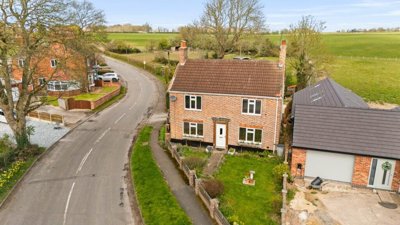
 Ddm Residential
-17d ago
Ddm Residential
-17d ago