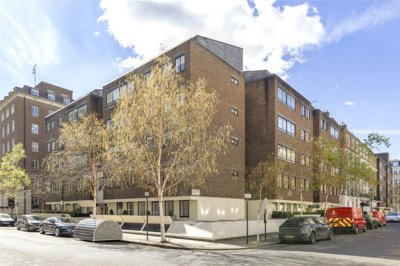
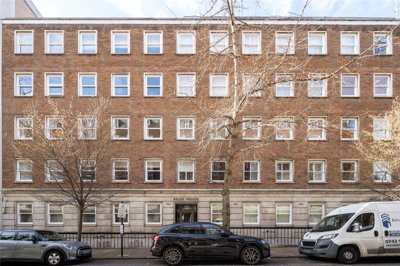
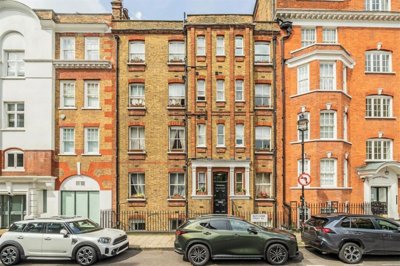
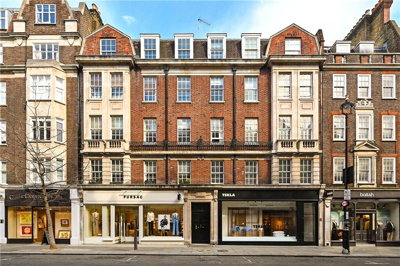
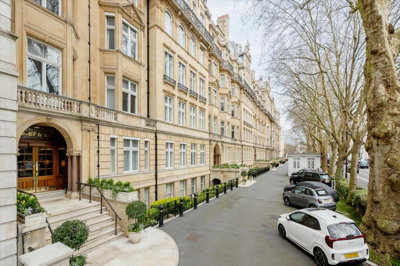
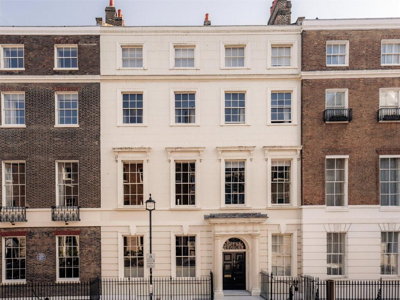
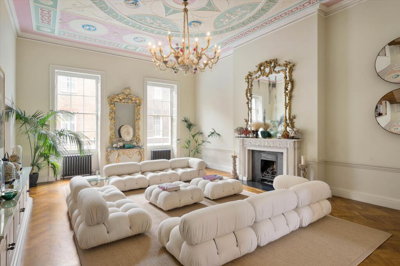
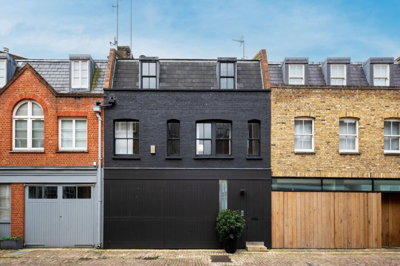
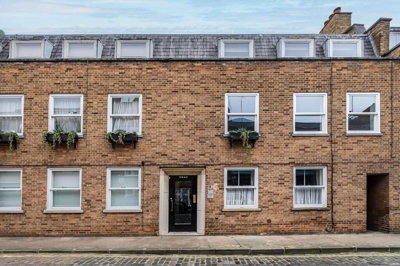
W1G occupies a distinctive position in Central London, encompassing parts of Marylebone, Fitzrovia, and the northern edge of Soho. The area is defined by its elegant Georgian and Victorian architecture, with many properties dating back to the 18th and 19th centuries. The predominant building materials include London stock brick, Portland stone facades, and stucco renders that give the area its characteristic cream and beige townscape. Many properties feature period details such as cornices, sash windows, and decorative ironwork that require specialist knowledge to maintain and renovate properly.
Harley Street serves as the economic heartbeat of W1G, attracting internationally renowned medical specialists and creating significant employment in the healthcare sector. This concentration of private medical practice influences the local market profoundly, with many properties purchased by doctors seeking proximity to their consulting rooms. The nearby West End, including Oxford Street and Regent Street, provides world-class retail and hospitality, while the Theatre District adds to the area's vibrant character. Transport links are excellent, with Bond Street, Oxford Circus, and Regent's Park stations providing comprehensive Underground access across London.
The geological characteristics of W1G present important considerations for property owners and buyers. The area sits on London Clay, which is known for its shrink-swell potential, meaning the ground can expand when wet and contract during dry periods. This can affect foundations, particularly in older properties that were constructed before modern deep foundation techniques became standard. Buyers should factor this into their surveys, and a RICS Level 2 survey is strongly recommended for any property in the area given the prevalence of older construction. Flood risk in W1G is primarily from surface water rather than river flooding, reflecting the urban nature of the postcode.











 Nest Seekers International
-8d ago
Nest Seekers International
-8d ago