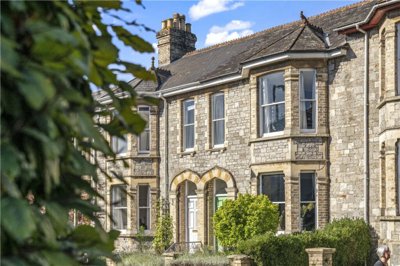
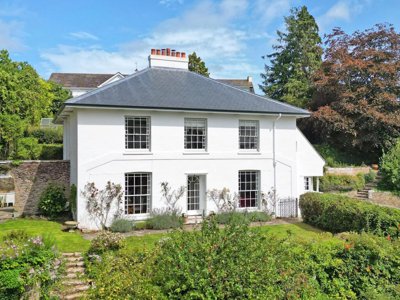
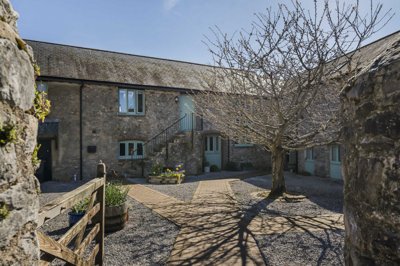
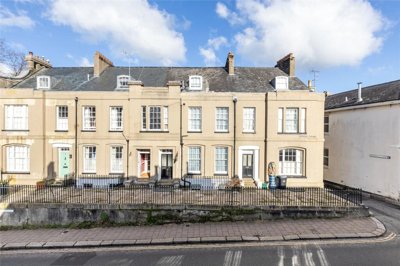
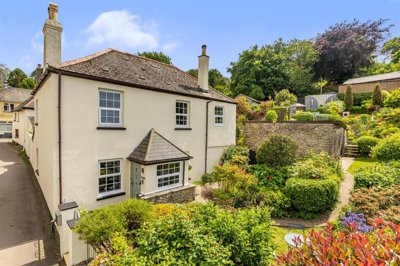
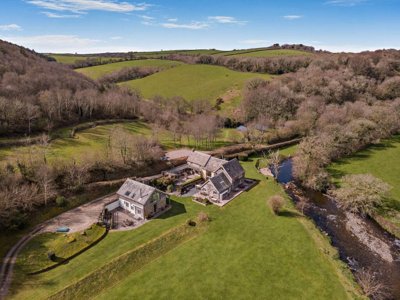
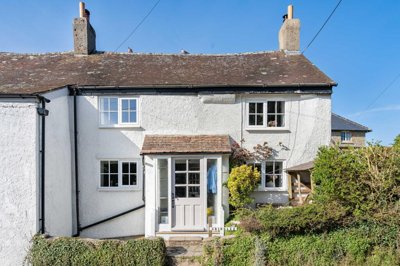
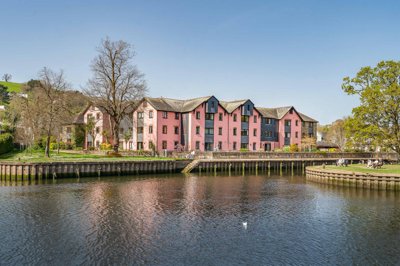
Totnes occupies a distinctive position in South Devon, famed for its independent spirit, creative community, and rich medieval heritage. The town centre features a significant conservation area with numerous Grade I and Grade II listed buildings, reflecting its historical importance as a Saxon settlement and medieval market town. Approximately 25-30% of housing stock pre-dates 1919, with particular concentrations around the historic core and along the River Dart. This gives much of the town its distinctive character of stone-fronted buildings, narrow streets, and period features that require specialist marketing approaches.
The local economy thrives on tourism, retail, education, and healthcare, with the town serving as a gateway to Dartmoor National Park and the South Devon coast. Approximately 15,000-16,000 residents call TQ9 home across 6,500-7,000 households. The population draws those seeking a rural lifestyle with strong community links, attracted by Totnes's reputation for arts, alternative culture, and independent shops. Transport links include the Great Western Railway station providing direct services to London Paddington and regional connections, while the A381 connects to Torquay and the wider South Devon road network.
Geological conditions in TQ9 reflect its riverside location, with Devonian slates and limestones underlying much of the area alongside alluvial deposits along the River Dart valley. Properties should consider potential shrink-swell risks in areas with clay-rich soils, particularly near mature trees. Flood risk affects parts of the town near the River Dart and its tributaries, with surface water flooding also a concern during heavy rainfall. The Environment Agency designates specific areas as flood zones, important context for property buyers to verify before completing a purchase.
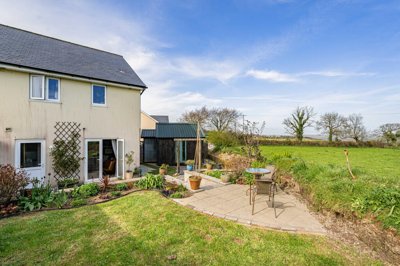
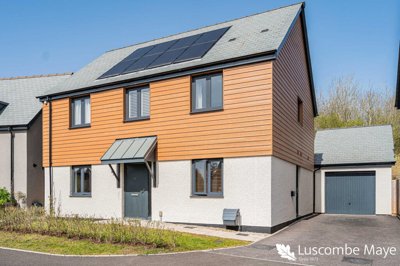
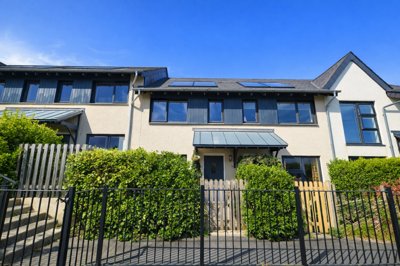
The predominant construction materials in TQ9 reflect both the town's age and modern developments. Older properties feature local stone, rendered walls, and brick with traditional timber frames, while newer buildings use cavity wall construction with brick and render finishes. Roofs typically feature slate or clay tiles, with concrete tiles common on post-war properties. This variety means agents must understand different construction types when valuing and marketing properties across the area.










 Wood'S Estate Agents and Auctioneers
-4d ago
Wood'S Estate Agents and Auctioneers
-4d ago