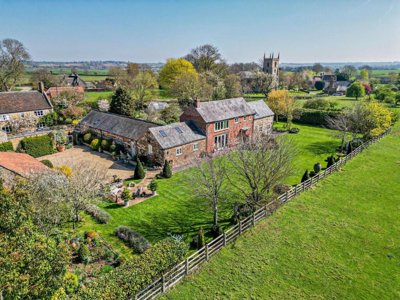
Teigh embodies the quintessential English village experience, offering residents a peaceful rural lifestyle while remaining within reach of larger settlements. The village is designated as a Conservation Area, protecting its historic character and ensuring that new developments maintain the traditional scale and appearance that defines Rutland's villages. With a population that remained under 100 at the 2011 Census, Teigh offers an intimate community atmosphere where neighbours know each other and local traditions endure.
The geological character of Rutland, formed during the Jurassic period, contributes to the distinctive appearance of local buildings. The Lias Group and Kellaways Formation geological strata underlie the area, with ooidal limestones and ironstone formations providing the traditional building materials that appear throughout Teigh's historic properties. This connection between the local landscape and architectural heritage creates a strong sense of place that appeals to buyers seeking authentic rural living.
Transport links from Teigh serve the area reasonably well for a rural location, with the surrounding road network connecting to larger centres for commuters and amenities. The village's position within Rutland places it within easy reach of Oakham, the county town, while the broader area offers access to train stations connecting to major cities. For families, the area's appeal is enhanced by the reputation of Rutland's schools, while the county's natural beauty, including the reservoir at Rutland Water, provides recreational opportunities that add to the lifestyle offer.
The village itself features several notable historic buildings that define its character, including the Grade II* listed Holy Trinity Church and The Old Rectory, the latter built in 1740 of coursed squared stone with Collyweston slate roof. Properties like Chestnut Farm House, Old Farmhouse, and Yew Tree Farm House represent the traditional farmstead character that continues to attract buyers to the area. This concentration of listed buildings creates a unique market where heritage considerations play a significant role in property transactions.











 James Sellicks Estate Agents
-13d ago
James Sellicks Estate Agents
-13d ago






























