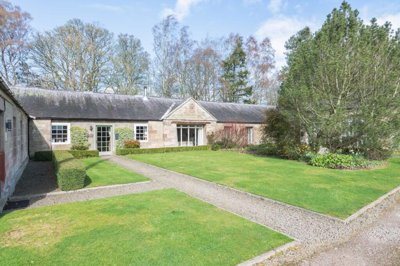
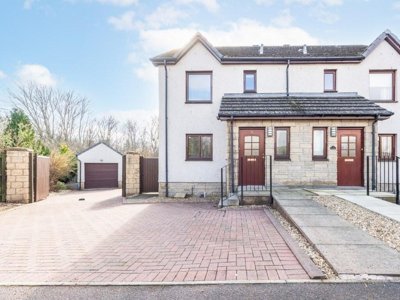
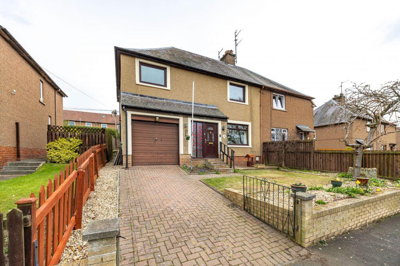
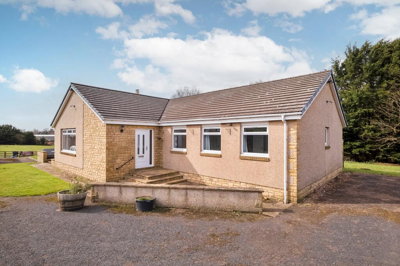
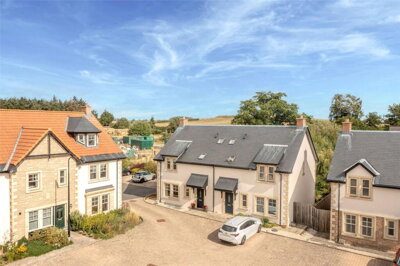
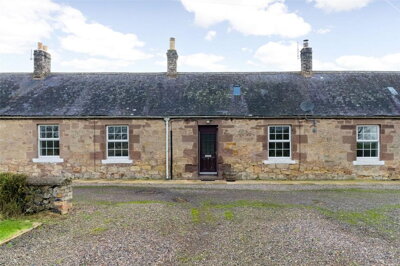
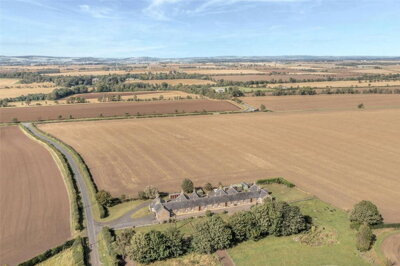
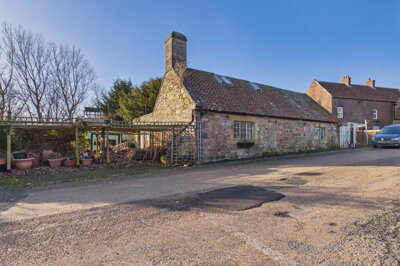
Given the age and construction methods of properties in TD12, certain defects appear more frequently during surveys and inspections. Rising damp is one of the most common issues we identify, particularly in period properties built before the widespread introduction of damp-proof courses in the 1970s. This occurs when moisture from the ground rises through porous stone or brick walls, potentially causing damage to plasterwork, timber skirting boards, and decorations. Our inspectors check for signs including tide marks on walls, peeling paint, and musty odours that indicate persistent damp problems.
Structural movement, manifesting as cracks in walls or ceilings, is another frequent finding in TD12 properties. While some minor cracking is normal in older buildings as they settle over time, our surveyors are trained to distinguish between harmless hairline cracks and more serious signs of subsidence or structural weakness. The underlying ground conditions, combined with the age of many properties, mean that careful assessment is essential. We also commonly find issues with outdated electrical wiring in properties that have not been modernised for several decades, including potentially dangerous older consumer units and insufficient socket outlets for modern household needs.
Roof defects represent a significant category of issues found in TD12 properties, with problems ranging from missing or broken tiles to more serious concerns about structural integrity. Given the rural setting and mature trees surrounding many properties, we frequently identify areas where tiles have been damaged by wind, falling branches, or general wear and aging. Timber decay, including both wet rot and dry rot, is found in areas where moisture has penetrated the building fabric, often around windows, doors, and roof timbers. These defects underscore the importance of obtaining a comprehensive survey before purchasing any property in TD12, particularly given the significant investment required for period properties in this area.










 Paton & Co
-5d ago
Paton & Co
-5d ago