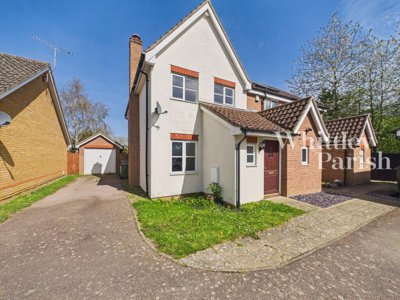
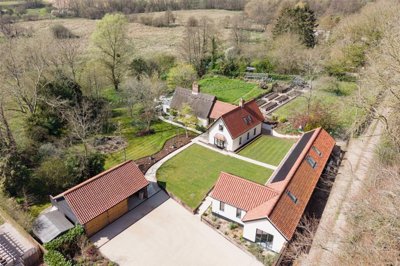
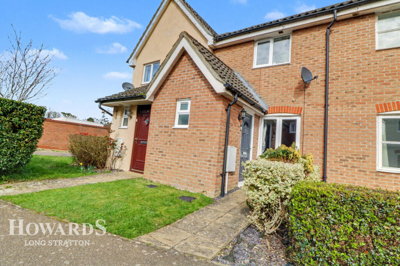
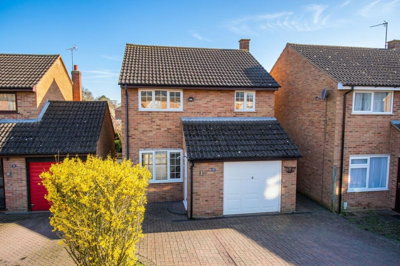
Tasburgh nestles in the Tas Valley of South Norfolk, comprising two distinct areas: Upper Tasburgh features more modern housing developed from the 1960s onwards, while Lower Tasburgh contains the historic heart of the village with buildings dating back centuries. The River Tas and its tributaries converge at Lower Tasburgh, giving the area its distinctive riverside character and creating certain flood considerations for property buyers to note. Our local knowledge team has identified that buyers particularly value the village's peaceful atmosphere while maintaining easy access to Norwich.
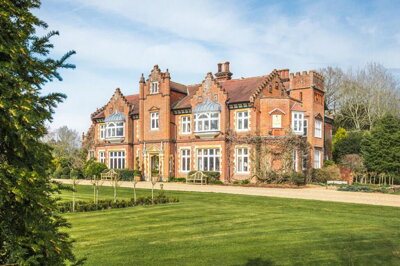
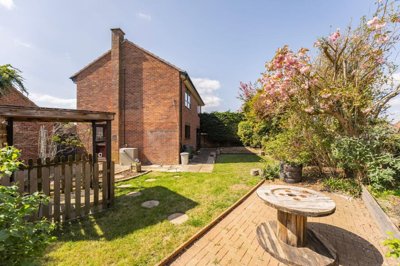
The village's architectural heritage reflects its long history, with most houses before 1800 constructed using timber-framed methods. A shortage of timber led to larger properties being built in brick with tiled roofs from the early 19th century, with examples including Tasburgh House and Watermill House. Smaller houses followed suit from 1818 to 1840, with early brick buildings still visible on Low Road. Some older properties used clay lump construction, with surviving examples at Rookery Cottage and White Horse Farm. St Mary's Church stands as a fine example of Norfolk's Saxon church tradition, built of flint with a distinctive round tower, providing architectural interest that attracts buyers to the area.
The geological conditions in Tasburgh warrant attention for prospective buyers. The village sits on Norfolk's characteristic shrinkable clay soil, which reacts to moisture changes and can cause ground movement. A property in the locality has been identified with notable shrink-swell hazard scores, suggesting potential for subsidence-related issues in some properties. Additionally, Lower Tasburgh's position in the valley creates flood risk considerations, particularly given concerns raised about sewer capacity in Saxlingham Lane and Low Road areas. Properties in these locations should undergo thorough surveys, and our recommended surveyors have specific experience with local ground conditions.
Transport links make Tasburgh practical for commuters, with the A140 running through the village providing direct access to Norwich, approximately 8 miles distant. The population stands at around 1,099 residents across approximately 857 in the built-up area, having grown significantly since the population trebled between 1961 and 1991 through successive phases of development in Upper Tasburgh.










 Minors & Brady
-4d ago
Minors & Brady
-4d ago