Stetchworth is a village of approximately 1,120 residents spread across 435 households, situated in the East Cambridgeshire district of Cambridgeshire. The village maintains a strong sense of community with local amenities including a primary school, village hall, and several pubs and restaurants. Census data reveals that 55.4% of housing stock is detached, reflecting the rural nature of the settlement, while semi-detached properties account for 23.1% and terraced homes make up 16.9%. This housing mix creates an environment appealing to families and those seeking quieter village living.
The geology of the Stetchworth area presents notable considerations for property owners and buyers. The underlying chalk bedrock is overlain with diamicton (boulder clay) and deposits of sand and gravel, meaning properties built on clay-rich soils may experience shrink-swell movement during periods of drought or heavy rainfall. Surface water flooding represents a medium to high risk in certain areas, particularly along the B1061 and around the village centre, though river and coastal flooding risk remains very low. Buyers should factor these geological considerations into their property decisions and survey requirements.
Transport connections significantly enhance Stetchworth's appeal as a residential location. The village lies approximately three miles from Newmarket, the headquarters of British horse racing, which shapes much of the local economy and creates employment in the equestrian sector. Commuters benefit from access to the A14 trunk road and regular rail services from Newmarket to Cambridge and London, with journey times to Cambridge taking approximately 30 minutes. This connectivity makes Stetchworth particularly attractive to professionals working in Cambridge or the wider region while seeking a more rural lifestyle.
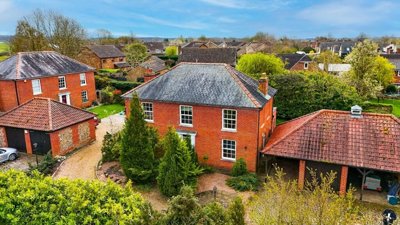
Properties in Stetchworth Conservation Area, which includes notable buildings such as Stetchworth Park and the Church of St Mary the Virgin, require careful consideration for any modifications or improvements. The character of the village is defined by traditional red brick construction, sometimes featuring render or flint detailing, reflecting Cambridgeshire's vernacular architecture. Approximately 17.7% of properties pre-date 1919, adding significant historical character to the area but also requiring buyers to consider the maintenance needs of older construction.











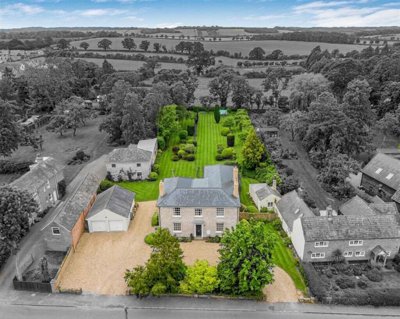
 Hockeys
-8d ago
Hockeys
-8d ago