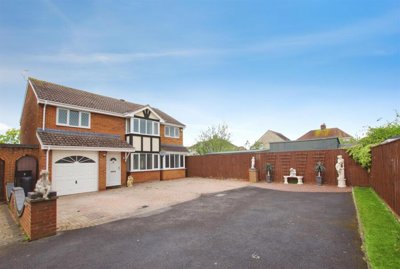
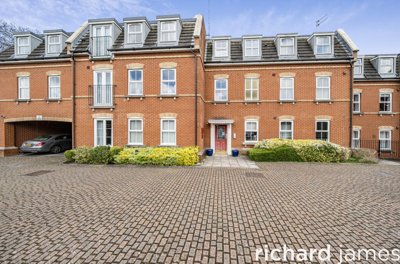
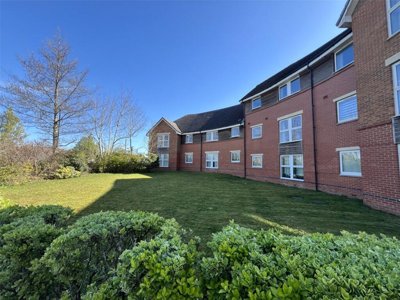
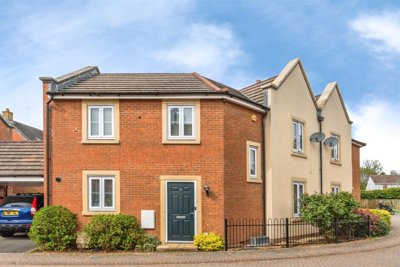
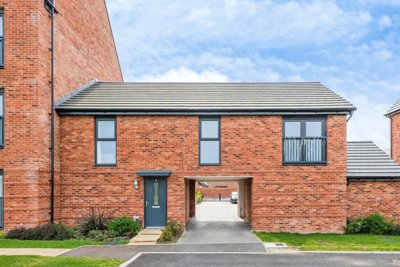
SN1 encompasses the heart of Swindon, from the bustling Old Town with its independent shops, cafes, and restaurants to the historic Railway Village, built in the 1840s to house Great Western Railway workers. The postcode includes the regenerating Kimmerfields area, which is bringing new residential developments to previously commercial land, and extends toward the green spaces of Town Gardens and the Lawns. Demographically, SN1 attracts a mix of young professionals drawn to the excellent transport connections, families seeking good state schools, and downsizers looking to remain in the town centre while freeing up capital from larger family homes.
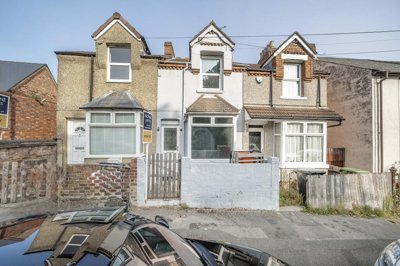
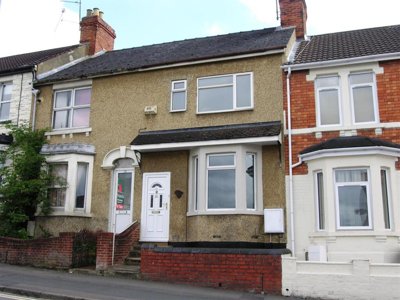
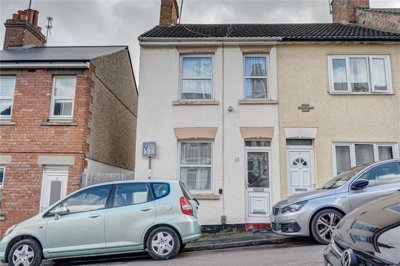
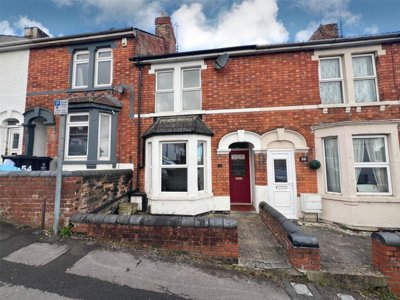
The housing stock in SN1 reflects its historical development. Victorian and Edwardian terraced houses dominate the streets around Old Town, many featuring original period details such as cornicing, fireplaces, and sash windows. These older properties require careful maintenance and buyers should be aware of potential issues common to Victorian construction, including damp (both rising and penetrating), timber defects such as rot and woodworm, roof deterioration, and outdated electrical and plumbing systems. The clay geology underlying much of Swindon can also create subsidence risk, particularly where mature trees are present near foundations.
--- PASSAGE 4 ---
Transport links significantly influence the SN1 property market. Swindon railway station offers regular services to London Paddington in around 55 minutes and to Bristol Temple Meads in approximately 40 minutes, making the town attractive to commuters. The M4 motorway passes just south of the town, providing direct access to Bristol, Cardiff, and London. For local travel, the Orbit bus network connects SN1 to surrounding areas. This connectivity explains why the SN1 rental market remains active, with one-bedroom flats renting for around £1,000-£1,063 per month according to our rental agent data.
Key employers in Swindon include the Nationwide Building Society headquarters, which employs thousands in administrative and financial roles, and the town's growing logistics sector. While Honda's car production ceased in 2021, the former plant site continues to evolve and may bring new employment opportunities. This economic diversity supports housing demand across price points, from first-time buyer flats to premium period homes.










 Purplebricks
-3d ago
Purplebricks
-3d ago