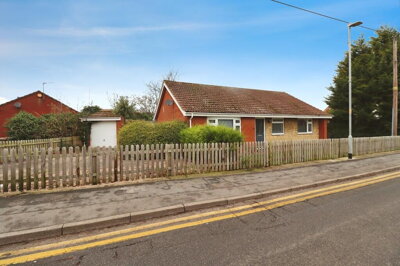
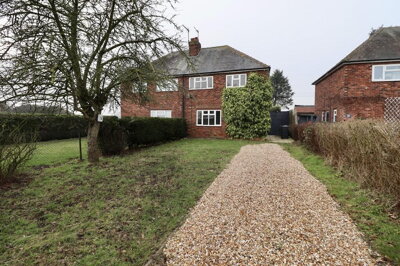
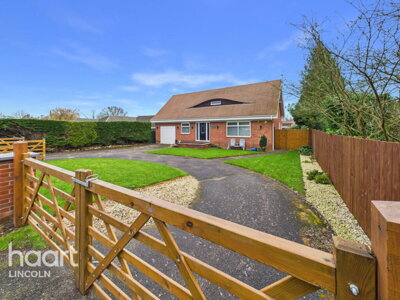
Skellingthorpe is a village situated approximately four miles west of Lincoln city centre along the A46 trunk road, making it particularly attractive to commuters and those working in the city. The village maintains a rural character while benefiting from the economic opportunities and amenities of nearby Lincoln. The local economy benefits significantly from sectors including public administration, education, health, and manufacturing, all strong in the Lincoln area.
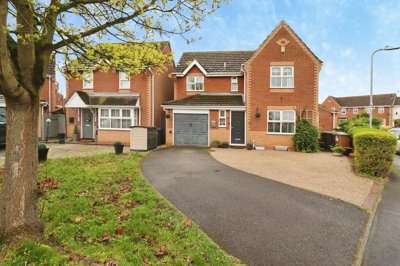
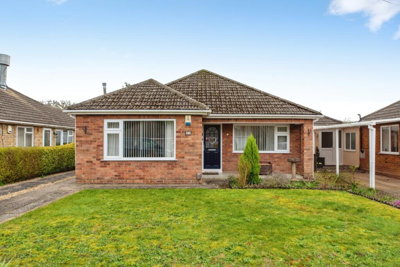
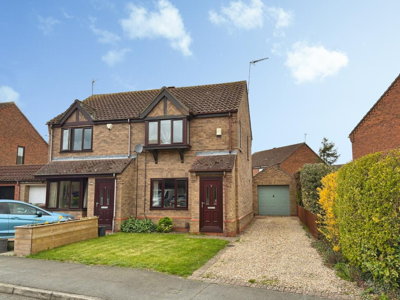
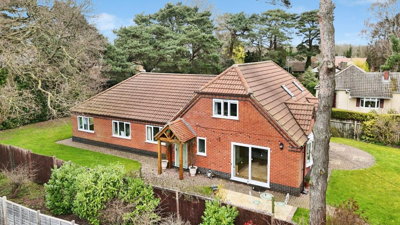
The geological conditions in Lincolnshire, where Skellingthorpe is located, include clay soils particularly in lower-lying areas. This clay geology can present shrink-swell risks affecting foundations, especially during periods of drought or heavy rainfall. Properties in the area are predominantly constructed with traditional brick and tile methods, reflecting standard building practices throughout the East Midlands region.
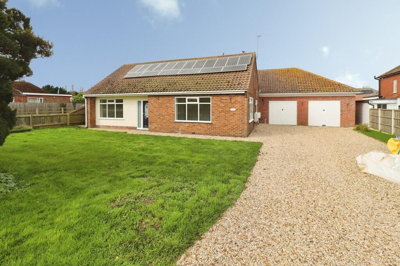
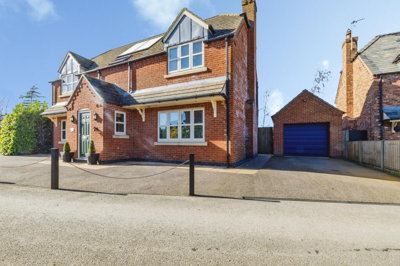
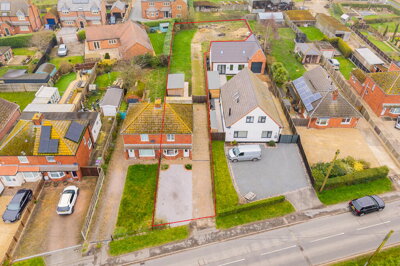
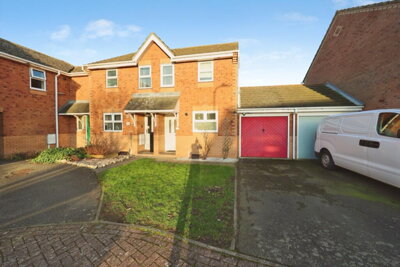
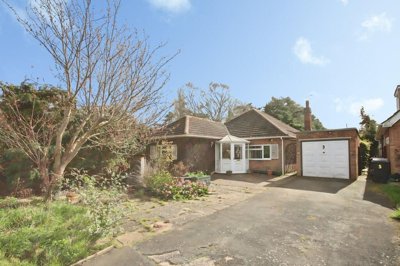
The village features a mix of housing stock spanning different eras, with some properties dating back to the 1860s, such as converted coach houses, alongside more modern developments from the post-1980 period. This variety means buyers and sellers should be aware that different properties may present varying condition issues. For older properties, common concerns include damp, roof condition, potential subsidence related to soil movement, and outdated electrical systems. The presence of clay soil means potential foundation movement should be a consideration for any property purchase, particularly those with mature trees nearby.
Prospective buyers should consider a RICS Level 2 Survey before committing to purchase, particularly for properties over 50 years old. Given the local geology and age of some housing stock, we recommend our independent surveyors who understand the specific issues affecting Lincolnshire properties. Our inspectors are familiar with the common defects in the area, from roof condition issues in older properties to potential subsidence indicators in properties built on clay soils.










 Mundys
-4d ago
Mundys
-4d ago