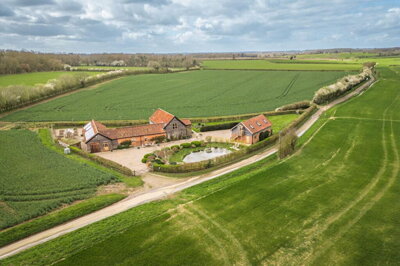
Shotesham occupies an unusually undulating landscape in South Norfolk, with the main village sitting in the valley of Shotesham Beck, a tributary of the River Tas. The village's geography offers extensive views across the surrounding countryside, while the water meadows and beck create areas of natural beauty and, importantly, some surface water flood risk in lower-lying sections along The Street. The River Tas marks the western boundary of Shotesham Park, adding to the village's watery charm. Buyers considering properties near the beck should factor in flood risk assessments, and experienced local agents understand which locations are most affected and how this impacts insurance and lending decisions.
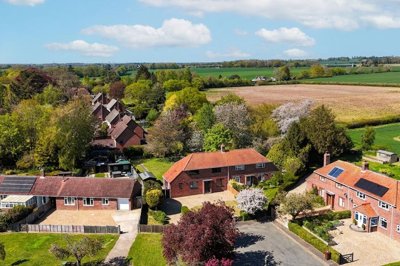
The architectural character of Shotesham reflects its history through diverse building materials. Local red brick dominates much of the village's housing stock, though the late 18th and early 19th centuries saw 'white' gault bricks used at Shotesham Park and other Georgian properties. Flint appears prominently in the four churches and garden walls throughout the village, creating the distinctive brick and flint walls that define much of Shotesham's visual character. Roofing materials vary between clay pantiles (predominantly red, occasionally blue-black), slate on substantial Georgian homes, and the charming thatched roofs on properties including The Old School House, Forge Cottage, and buildings on The Common. Many older buildings have rendered and painted walls, suggesting underlying timber-framed or clay lump construction - a traditional method still found throughout the village.
Shotesham Conservation Area, one of the first designated in South Norfolk in 1973 and last reviewed in 1994, covers a substantial area including the linear settlement along The Street, Hawes Green, Church Farm, Old Hall Farm, and Shotesham Park. This designation protects significant architectural details and the distinctive brick and flint walls that define the village's character. Properties within the conservation area, including listed buildings such as Shotesham Park, often require specialist surveys and face specific planning considerations that experienced local agents understand intimately. Sellers should be aware that properties in the conservation area may require additional documentation for potential buyers, including confirmation of any planning permissions or listed building consents for previous alterations.
The village offers limited day-to-day amenities, with residents typically travelling to nearby Poringland for convenience shopping, the Co-op, and the primary school. For larger shops and services, Norwich city centre is easily accessible. The Bull Inn in Shotesham provides a local village pub, while the village hall hosts community events throughout the year. This intimate community feel, combined with the architectural heritage and rural setting, attracts buyers seeking a peaceful lifestyle while remaining connected to urban conveniences. The community actively preserves its character through the conservation area, and this attention to maintaining village charm helps protect property values over time.










 Starkings & Watson
-4d ago
Starkings & Watson
-4d ago